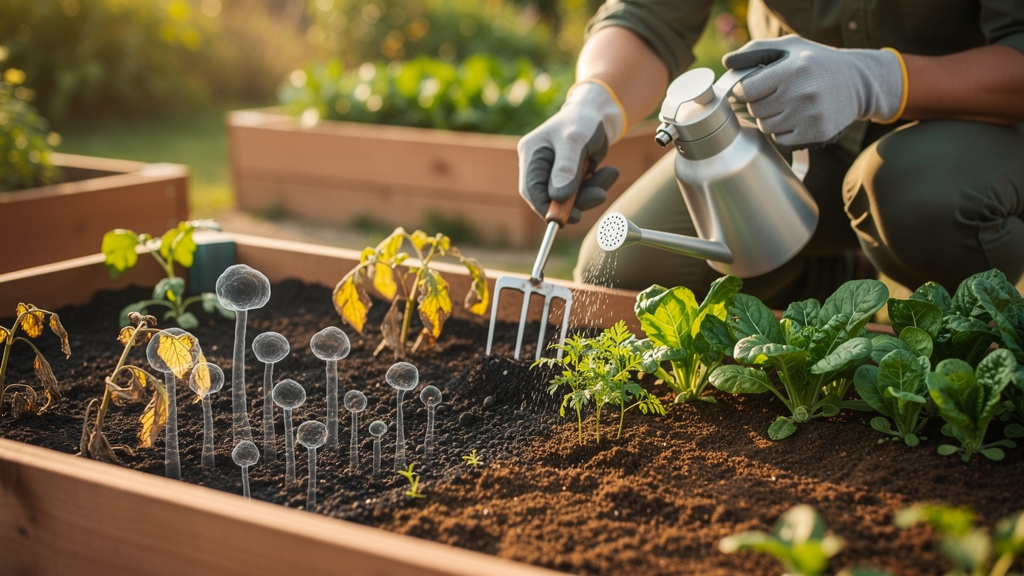
Soil-borne diseases present a significant threat to the health of your garden beds, especially when it comes to fungal diseases. These troublesome pathogens can persist in the soil, adversely affecting plant roots and resulting in stunted growth or even plant death. Therefore, understanding the nature of soil-borne diseases is crucial for any gardener aiming to cultivate a thriving garden, as these issues can be difficult to identify and even harder to eradicate.
In this article, we will explore effective strategies to eliminate soil-borne fungal diseases, ensuring your garden beds remain vibrant and productive. We will discuss preventative measures, soil management techniques, and treatment options to combat these harmful fungi. Additionally, you will gain insights into recognizing early signs of infection, which will enable you to take timely action. By the end, you will be equipped with the knowledge necessary to protect your plants and foster a healthy growing environment.
Understanding Soil-Borne Fungal Diseases
Soil-borne fungal diseases are a group of pathogenic fungi that thrive in the soil, often leading to severe consequences for plant health. These fungal diseases can persist in the soil for years, making them particularly troublesome for gardeners. They typically infect the plant through the roots, causing various issues such as root rot, wilting, and reduced nutrient uptake. Consequently, understanding these diseases is essential for maintaining healthy garden beds. Moreover, the environmental conditions that favor these pathogens, such as excessive moisture and poor drainage, can exacerbate their impact, making it crucial for gardeners to be vigilant.
Soil-borne fungal diseases are caused by fungi that inhabit the soil and can infect plants at various life stages. Some well-known examples include Fusarium wilt, Phytophthora blight, and Rhizoctonia root rot. These pathogens can spread through contaminated soil, water, or plant material, making prevention and management critical. Additionally, different fungi may target specific plants, emphasizing the importance of knowing which diseases are prevalent in your area. For instance, Fusarium wilt primarily affects tomatoes and peppers, while Phytophthora blight is notorious for impacting a wide range of crops, including potatoes and tomatoes. By understanding these pathogens, you can take proactive steps to protect your garden beds, such as rotating crops and selecting resistant varieties.
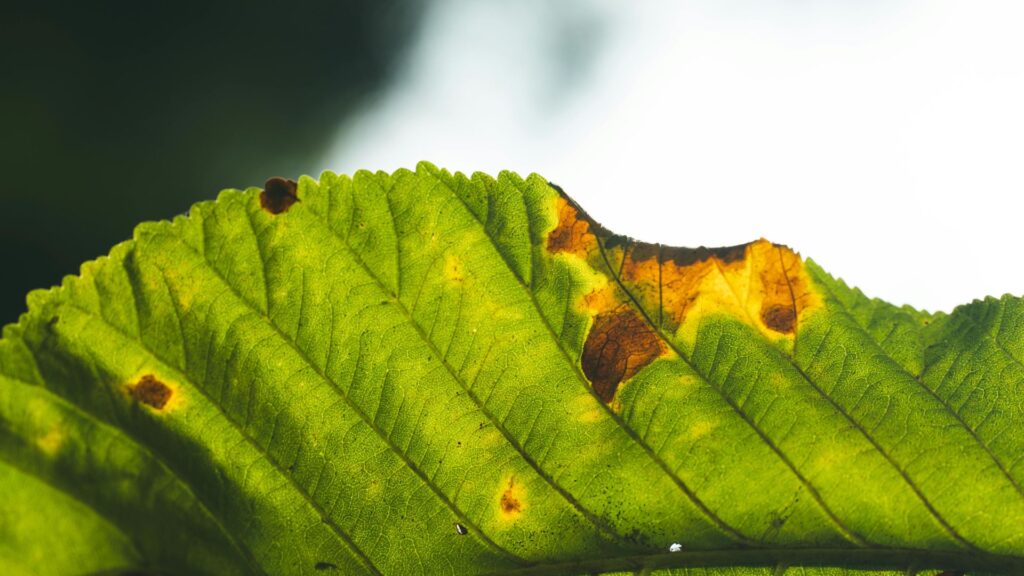
The symptoms of soil-borne fungal diseases can vary widely but often include yellowing leaves, wilting, and stunted growth. Infected plants may also exhibit dark, mushy roots, a clear indication of root rot. Furthermore, these diseases can compromise the overall health of your garden beds, leading to decreased yields and increased susceptibility to other pests and diseases. Therefore, recognizing these symptoms early is crucial. For instance, if you notice wilting plants, it might be time to explore root rot and its connection to soil-borne diseases.
To effectively combat these issues, refer to resources like UC Davis, which provides comprehensive insights on soil-borne diseases and their management. Taking action when symptoms appear can help you maintain the vitality of your garden beds and ensure a successful growing season. Additionally, implementing soil health practices, such as incorporating organic matter and ensuring proper drainage, can significantly reduce the risk of fungal infections, thereby promoting a more resilient garden ecosystem.
Comparing Methods to Manage Soil-Borne Diseases
Managing soil-borne diseases effectively requires a thorough understanding of various methodologies. Each approach has its unique merits and drawbacks, making it essential for gardeners to evaluate them based on their specific needs and circumstances. In this section, we will discuss three prominent techniques: solarization, biofumigation, and soil replacement. By comparing these methods, you can determine which is most suitable for your garden’s unique challenges. Understanding the nuances of each technique will empower you to make informed decisions that enhance the health of your garden beds.
Different Approaches to Disease Management
Solarization involves covering the soil with transparent plastic for several weeks to trap solar energy. This technique raises soil temperatures, effectively killing pathogens, weed seeds, and nematodes. It’s particularly effective in warm climates, where sunlight can penetrate deeply into the soil, leading to temperatures that can exceed 140°F (60°C). However, solarization may not be as effective in cooler regions, where prolonged exposure to sunlight is limited. Additionally, the effectiveness of this method can be influenced by soil moisture levels, as drier soils may not heat up as effectively. Conversely, biofumigation uses specific crops, such as mustard or marigold, to release natural fumigants into the soil, suppressing pathogens. This method not only enriches the soil but also provides disease management benefits. Nevertheless, it requires careful planning regarding crop selection, timing, and the incorporation of the biomass into the soil.
Evaluating Effectiveness of Techniques
Soil replacement is another strategy that involves completely removing contaminated soil and replacing it with fresh, pathogen-free soil. This method can be highly effective for severe infestations, ensuring that harmful pathogens are eradicated. However, it’s often labor-intensive and can be costly, particularly for larger garden beds. Furthermore, this approach may disrupt the existing ecosystem, potentially affecting beneficial microorganisms. To help you assess these methods, refer to the table below, which outlines their effectiveness, ease of implementation, and additional considerations.
| Method | Effectiveness | Ease of Implementation |
|---|---|---|
| Solarization | High (in warm areas) | Moderate (requires sun exposure) |
| Biofumigation | Moderate to High | Moderate (requires crop planning) |
| Soil Replacement | Very High | Low (labor-intensive and costly) |
Analyzing the table, it becomes clear that while solarization and biofumigation offer practical disease management strategies, soil replacement stands out for its effectiveness against severe cases. However, the labor and cost involved can be significant. Therefore, consider your garden’s specific circumstances and resources when choosing a method. For those looking for additional insights, you can review top strategies to prevent soil-borne diseases. By weighing the pros and cons of each approach, you can make informed decisions that will help maintain a healthy garden environment. Ultimately, the choice of method should align with your gardening goals, budget, and the specific challenges posed by soil-borne diseases in your area.
Implementing Solarization Techniques
Implementing solarization techniques is a powerful method for gardeners seeking to eliminate soil-borne fungal diseases. This natural process utilizes sunlight to heat the soil, effectively killing pathogens, pests, and weeds. By employing solarization, you can rejuvenate contaminated soil, promoting a healthier environment for your plants. It’s a practical and eco-friendly strategy that requires minimal investment, making it accessible for everyone, from hobbyists to professional growers. Additionally, solarization can be particularly beneficial in regions where chemical treatments are restricted or undesirable, allowing gardeners to adopt a more sustainable approach to soil management.
To begin, it’s essential to understand the fundamentals of solarization. This technique works best in warm, sunny climates, where the sun’s energy can penetrate the soil effectively. The process involves covering moist soil with transparent plastic sheets, which trap heat and raise soil temperatures to levels lethal for harmful organisms. Consequently, this method is particularly effective in combating diseases caused by soil-borne fungi, as well as other pests and pathogens. The effectiveness of solarization can be enhanced by selecting the right time of year; for instance, late spring or early summer often provides optimal conditions for maximum heat absorption.
What is Solarization?
Solarization is a method of soil treatment that utilizes solar energy to heat the soil and control soil-borne pathogens. By covering the soil with clear plastic sheets, the sun’s rays warm the soil, usually reaching temperatures above 140°F (60°C). This temperature is sufficient to kill many harmful fungi, bacteria, and even nematodes. Moreover, solarization not only targets existing pathogens but also helps prevent future infestations by creating a healthier soil ecosystem. This technique is especially beneficial for gardeners dealing with contaminated soil, as it can significantly reduce the soil’s disease load before planting. Furthermore, solarization can improve soil structure and nutrient availability, leading to enhanced plant growth and resilience.
Step-by-Step Guide to Solarization
To effectively implement solarization, follow this step-by-step guide. First, select a suitable area in your garden where you suspect soil-borne diseases may be present. Clear the area of any debris, weeds, and plant material to ensure the plastic can make direct contact with the soil. Next, moisten the soil thoroughly, as moisture enhances heat retention and accelerates the solarization process. It is crucial to ensure that the soil is not overly saturated, as excessive water can lead to anaerobic conditions that may hinder the effectiveness of solarization.
Once the soil is prepared, cover it with a clear plastic sheet, ensuring it is sealed tightly along the edges to trap heat. The recommended duration for solarization is typically four to six weeks, depending on the climate and soil temperature. During this time, the soil will heat up, effectively killing off pathogens and pests. After the solarization period, remove the plastic, and allow the soil to cool before planting. This method will create a more conducive environment for your plants, significantly reducing the risk of future fungal diseases. Additionally, consider rotating crops and incorporating organic matter post-solarization to further enhance soil health.
In summary, solarization is a simple yet effective technique for managing soil-borne diseases. By employing this method, you can transform contaminated soil into a thriving foundation for your garden. For further insights into managing soil-borne diseases, consider reading Methods for Management of Soilborne Diseases in Crop Production, which offers a broader perspective on various control strategies. Embrace solarization in your gardening practices, and watch your plants flourish without the threat of harmful soil pathogens. By integrating solarization with other soil management practices, you can create a holistic approach to gardening that promotes long-term health and productivity.
Exploring Biofumigation for Soil Health
Biofumigation is an innovative method aimed at improving soil health by using natural processes to suppress soil-borne pathogens, particularly fungi. This technique involves incorporating specific plants, known as biofumigants, into the soil, which release natural compounds that can deter pests and diseases. Gardeners increasingly turn to biofumigation as an eco-friendly alternative to chemical treatments, making it a valuable strategy for maintaining robust garden health. By harnessing the power of nature, biofumigation not only helps in disease management but also enriches the soil with organic matter, thereby enhancing its overall fertility and structure.
The process of biofumigation is not merely about adding plants to the soil; it is a strategic approach that requires understanding the specific needs of your garden. For example, selecting the right biofumigant plants, such as mustard or radish, is crucial. These plants are not only effective in releasing glucosinolates, which inhibit harmful fungi and nematodes, but they also decompose quickly, ensuring that beneficial nutrients are readily available for subsequent crops. Consequently, the timing of planting and incorporation of these biofumigants can significantly influence their effectiveness. Therefore, careful planning and execution are essential for maximizing the benefits of biofumigation.
What is Biofumigation?
Biofumigation refers to the practice of using plant materials to manage soil pests and diseases through the release of volatile compounds during decomposition. Common biofumigants include plants from the Brassicaceae family, such as mustard and radish. When these plants are crushed and mixed into the soil, they release glucosinolates, which can inhibit the growth of harmful fungi and nematodes. Additionally, this process enhances soil fertility by increasing microbial activity, which is crucial for a healthy ecosystem. Therefore, biofumigation serves a dual purpose: disease suppression and soil enhancement, making it an invaluable tool for gardeners.
Benefits of Using Biofumigation
The advantages of biofumigation extend beyond disease control. First, it significantly reduces reliance on synthetic pesticides, promoting a more sustainable gardening approach. Moreover, biofumigation can improve soil structure and nutrient availability, leading to better plant growth. Additionally, this method encourages biodiversity in the soil, which is essential for a resilient garden ecosystem. To illustrate, studies have shown that gardens using biofumigation techniques experience fewer disease outbreaks and higher crop yields. Consequently, incorporating biofumigation into your gardening practices can lead to healthier plants and a more productive garden.
Furthermore, biofumigation can be particularly beneficial in organic gardening, where chemical inputs are limited. By utilizing this natural method, gardeners can maintain the integrity of their soil while effectively managing pests. Additionally, the practice can contribute to long-term soil health, ensuring that future generations of plants thrive in a nutrient-rich environment.
Here’s a quick look at the pros and cons of biofumigation methods:
| Pros of Biofumigation | Cons of Biofumigation |
|---|---|
| Eco-friendly and sustainable | Requires specific crop management |
| Enhances soil fertility | Effectiveness can vary with soil conditions |
| Reduces chemical pesticide use | Initial investment in biofumigant crops |
Biofumigation is a promising approach for gardeners looking to improve soil health and combat soil-borne diseases. By adopting this method, you can not only discover effective fungus prevention methods but also foster a thriving garden environment that benefits both plants and the ecosystem.
The Role of Soil Replacement in Disease Management
Soil replacement plays a pivotal role in disease management, especially when dealing with soil-borne fungal diseases. Over time, pathogens can accumulate in the soil, leading to repeated infections and making even healthier plants vulnerable. Therefore, replacing infected soil can effectively interrupt the disease cycle and promote a healthier environment for your garden. This process not only removes harmful organisms but also revitalizes nutrient levels, contributing to better plant health. Additionally, soil replacement can enhance soil structure, improving aeration and water retention, which are vital for optimal plant growth.
Moreover, the timing of soil replacement is crucial. For instance, performing this task during the off-season can minimize disruption to your garden’s ecosystem. By doing so, you allow beneficial microorganisms to establish themselves in the new soil, which can further aid in disease suppression. Furthermore, it’s important to consider the long-term implications of soil replacement, as this practice can lead to a more sustainable gardening approach by reducing the reliance on chemical treatments.
Understanding Soil Replacement
Soil replacement involves removing the existing soil and replacing it with fresh, uncontaminated soil. This practice is particularly effective when dealing with persistent diseases that resist conventional treatments. For instance, if you notice recurring issues with root rot or wilting, soil replacement can provide a clean slate for new plants. Furthermore, it’s essential to assess the conditions that led to the disease outbreak, as ignoring these factors may lead to similar problems in the future. Therefore, understanding the rationale behind soil replacement is crucial for effective disease management. Additionally, integrating soil testing can help identify nutrient deficiencies or imbalances that may have contributed to the disease, allowing for more targeted interventions.
Best Practices for Soil Replacement
When planning for soil replacement, there are several best practices to follow. First, ensure you fully remove the old soil, including any plant debris, to minimize the risk of reinfection. Next, consider using a high-quality soil mix that promotes drainage and is rich in nutrients. Moreover, adding organic matter can improve soil structure and fertility, providing a better growing environment. Additionally, it’s wise to incorporate disease-resistant plant varieties, which can further reduce the likelihood of future outbreaks. To illustrate, planting marigolds can deter certain nematodes, aiding in overall soil health. By adhering to these best practices, you’ll create a strong foundation for effective disease management in your garden beds. Furthermore, consider rotating crops annually to disrupt the life cycles of soil-borne pathogens, thereby enhancing the resilience of your garden over time.
Case Studies: Success Stories in Garden Recovery
Garden recovery is not just about prevention; it’s also about learning from both successes and failures. Many gardeners have faced the challenge of soil-borne fungal diseases, yet several have successfully navigated these issues and emerged with flourishing garden beds. By examining these success stories, we can glean valuable insights that can help others in similar situations. These narratives not only inspire but also provide practical strategies that can be adapted to various gardening contexts, emphasizing the importance of resilience and adaptability in the face of challenges.
Real-Life Examples of Successful Treatments
One compelling case involved a community garden that struggled with Fusarium wilt. After recognizing the issue, the gardeners implemented a comprehensive soil health management plan. They rotated crops annually to disrupt the fungal lifecycle and introduced organic amendments like compost to boost soil vitality. Moreover, they adopted biofungicides, which effectively reduced pathogen levels in the soil. This multifaceted approach not only addressed the immediate problem but also improved the overall ecosystem of the garden. As a result, the garden not only recovered but thrived, producing healthy vegetables and vibrant flowers. Such success illustrates the importance of a proactive approach and the value of integrating multiple strategies for effective treatment. Furthermore, the gardeners shared their experiences with the local community, fostering a culture of knowledge exchange that benefited others facing similar challenges.
Lessons Learned from Failed Attempts
Conversely, not all attempts to recover from soil-borne diseases yield positive outcomes. A local gardener faced repeated failures when attempting to eliminate Phytophthora blight. Initially, they focused solely on chemical treatments without addressing underlying soil health. Consequently, the garden beds continued to suffer from poor drainage and nutrient deficiencies, exacerbating the problem. This experience highlighted a crucial lesson: effective soil health management is foundational. Thus, addressing soil structure and fertility before relying on chemical solutions is essential for long-term success. Additionally, this gardener learned the importance of monitoring environmental conditions, such as moisture levels and soil composition, to create a more favorable growing environment. By learning from such failures, gardeners can better understand the significance of a holistic approach to soil health management.
In summary, these case studies underscore the importance of combining effective treatment strategies with a thorough understanding of soil health. Therefore, whether you are reviving struggling garden beds or starting fresh, taking a multifaceted approach can pave the way for a healthier, more productive garden. By embracing both successes and failures, gardeners can cultivate resilience and adaptability, ultimately leading to more sustainable gardening practices.
Your Action Plan for Healthy Garden Beds
Ultimately, fostering healthy garden beds requires a proactive approach to managing soil-borne diseases. Key strategies include rotating crops, incorporating organic matter, and using disease-resistant plant varieties. These practices not only combat fungal pathogens but also enhance overall garden health by improving soil structure and nutrient availability. For instance, rotating crops disrupts the life cycles of pathogens, while organic matter enriches the soil, promoting beneficial microbial activity.
To summarize, recognizing the early signs of infection is crucial. Regular monitoring and timely interventions can prevent the spread of diseases, keeping your plants thriving. Therefore, implementing these strategies will empower you to create a more resilient garden environment. Additionally, consider integrating other preventative measures like proper watering techniques and maintaining good drainage. For example, watering in the morning allows foliage to dry during the day, reducing fungal growth.
Furthermore, take action now! Start by assessing your current garden practices and identifying areas for improvement. By dedicating time and effort, you can cultivate a vibrant garden that flourishes year after year. Clearly, a proactive stance will not only protect your plants but also enhance your gardening experience. Embrace these strategies, and you will witness your garden thrive, becoming a source of pride and joy. Remember, a healthy garden bed is the foundation of a successful gardening journey.