Garden pests pose a significant threat to plant health, often wreaking havoc on even the most carefully cultivated landscapes. From aphids to caterpillars, these unwelcome visitors can lead to stunted growth, unsightly damage, and even the demise of beloved plants. Understanding the variety of common garden pests and their behaviors is crucial for any gardener seeking to maintain a thriving green space. For instance, some pests may feed on leaves, while others target roots or stems, each causing different types of damage.
In this article, we will explore various types of garden pests, examining how they affect plant health and offering practical tips for managing these intruders. Additionally, we will delve into the insect lifecycle, which is essential for recognizing the stages at which pests are most vulnerable. Furthermore, we will discuss effective prevention strategies and control measures that can help protect your garden from potential infestations. By being informed about the impact of these pests, you can take proactive steps to ensure your plants remain healthy and vibrant, ultimately fostering a flourishing garden environment.
Identifying Common Garden Pests: Lifecycles and Damage
Identifying garden pests is essential for maintaining the health of your plants. Two of the most common culprits are aphids and caterpillars. Understanding their lifecycles and the damage they cause can help you take effective action to protect your garden. By knowing how these pests operate, you can develop strategies to minimize their impact and keep your plants thriving. Moreover, recognizing the signs of infestation early can save you from more extensive damage and costly interventions later on.
Lifecycle of Aphids
Aphids are small, soft-bodied insects that reproduce rapidly, making them particularly troublesome in gardens. They often begin their lifecycle as eggs laid on the undersides of leaves, where they remain protected from predators. Once the temperatures rise, these eggs hatch, and nymphs emerge. Interestingly, aphids can reproduce asexually, allowing for exponential population growth within a short time. Consequently, they can infest plants quickly, feeding on sap and causing wilting, yellowing leaves, and stunted growth. In severe cases, aphid infestations can lead to the transmission of plant viruses, further complicating the issue. To combat aphids, consider introducing beneficial insects, like ladybugs and lacewings, which naturally prey on them. Additionally, maintaining healthy plants through proper watering and fertilization can enhance their resilience against aphid attacks. For more detailed strategies, refer to this guide to identify pest damage.
Lifecycle of Caterpillars
Caterpillars, the larval stage of moths and butterflies, can also pose a significant threat to your garden. They start as eggs laid on host plants and hatch into voracious eaters. As they consume leaves, they can cause extensive damage, leading to defoliation and even plant death. The lifecycle of caterpillars typically includes several molts before they pupate and transform into their adult form. This transformation can take several weeks, during which time they can devastate your plants. Therefore, spotting caterpillars early on is crucial. Check your plants regularly for signs of their presence, such as chewed leaves, silk webs, or droppings. Additionally, employing physical barriers like row covers can help protect vulnerable plants from caterpillar infestations. For comprehensive insights on pest groups and their damage, you can learn more from this source.
By understanding the lifecycles of these common pests, you can implement targeted control measures. Whether it’s introducing natural predators, using organic pesticides, or employing cultural practices, informed action can significantly reduce the damage caused by aphids and caterpillars in your garden. Thus, staying vigilant and proactive is key to preserving the health of your plants. Additionally, educating yourself about other potential pests and their lifecycles can further enhance your gardening success, ensuring a flourishing and vibrant garden environment.
Comparing Common Garden Pests: Beetles and More
Garden pests come in various forms, and understanding their characteristics and the damage they inflict on plants is crucial for effective management. Among the myriad of pests, beetles are often particularly notorious due to their widespread presence and the severity of the plant damage they can cause. However, they are just one type of pest among many that gardeners need to be aware of. By comparing different garden pests, including beetles and others, you can better identify threats to your plants and take appropriate action. This proactive approach not only helps in safeguarding your garden but also enhances your overall gardening experience.
The following table highlights key characteristics and types of damage associated with common garden pests, including beetles, aphids, and caterpillars. By familiarizing yourself with these details, you can become more adept at spotting issues early and mitigating plant damage. Understanding the specific behaviors and preferences of these pests can also inform your management strategies, allowing for targeted interventions that are both effective and environmentally friendly.
| Pest Type | Key Characteristics | Type of Damage |
|---|---|---|
| Beetles | Hard-shelled, often colorful; can be large or small | Chewing on leaves, roots, and stems; may cause significant defoliation |
| Aphids | Small, soft-bodied, typically green or black; reproduce quickly | Sucking sap from plants; leads to wilting and yellowing leaves |
| Caterpillars | Larval stage of moths and butterflies; usually furry or smooth | Chewing holes in leaves; can cause severe foliage loss |
Beetles: Identification and Damage
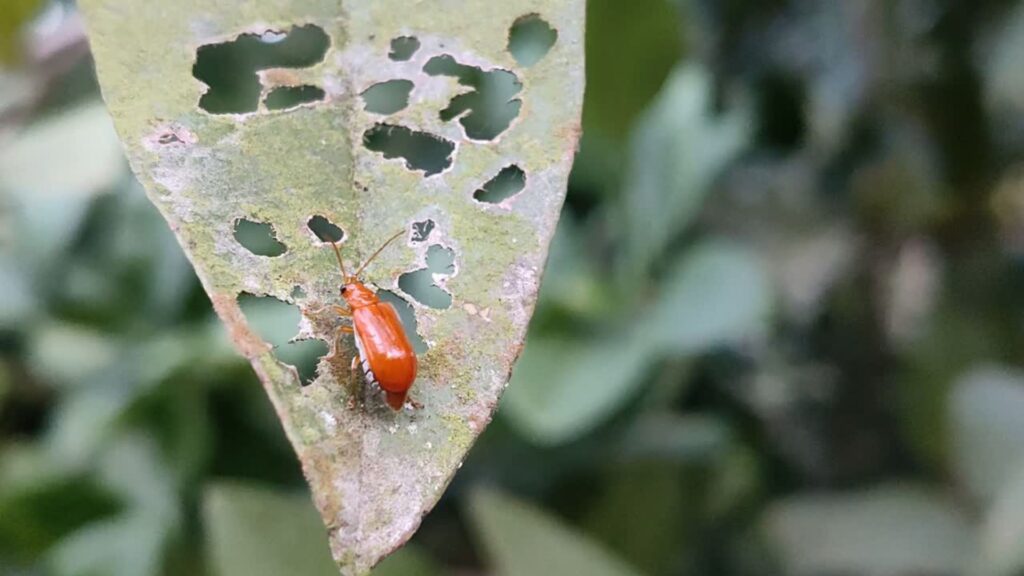
Beetles are one of the most common garden pests, characterized by their tough exoskeletons and diverse appearances. Many species feed on leaves, resulting in noticeable holes and skeletonized foliage. For instance, the Japanese beetle damages over 300 species of plants, including roses and beans. Additionally, some beetles target roots, leading to undermined plant stability. Consequently, the damage they inflict can significantly impact overall plant health, making identification and management essential. Moreover, beetles can reproduce quickly, leading to rapid population growth if not controlled early.
Other Notable Pests
In addition to beetles, several other pests can wreak havoc in gardens. Aphids, for example, are notorious for their rapid reproduction and feeding habits, which lead to weakened plants. They often cluster on new growth, making them easy to spot. Similarly, caterpillars can cause extensive damage by devouring leaves, impacting both the aesthetic and health of plants. To illustrate, a single caterpillar can consume a significant portion of a leaf in just a few days. Identifying these threats early is key to effective intervention. If you have common queries about garden pests, check out this resource for more information. Understanding and addressing these pests can help maintain a healthier, more vibrant garden.
Furthermore, integrating natural pest control methods, such as introducing beneficial insects like ladybugs or using organic pesticides, can enhance your garden’s resilience against these common threats. By adopting a holistic approach to pest management, you can not only protect your plants but also promote biodiversity in your garden ecosystem.
Effective Pest Control Strategies for Garden Health
Effective pest control is essential for ensuring the health and vitality of your garden. By adopting a proactive approach, gardeners can not only protect their plants from damage but also create a thriving ecosystem. Utilizing effective strategies can help mitigate the impact of pests while promoting healthy plant growth. In this section, we will explore organic pest control methods and the importance of seasonal pest management.
Organic Pest Control Methods
Organic pest control methods are increasingly popular among gardeners due to their effectiveness and environmental benefits. These strategies often focus on using natural substances and beneficial organisms to manage pest populations. For instance, introducing predatory insects, such as ladybugs and lacewings, can effectively keep aphid populations in check. Additionally, employing homemade sprays made from ingredients like neem oil or garlic can repel unwanted pests without harming beneficial insects or the environment.
Moreover, companion planting serves as another effective organic strategy. By planting specific plants together, you can naturally deter pests. For example, marigolds are known to repel nematodes and other harmful insects, making them excellent companions for various vegetables. Thus, organic pest control not only addresses immediate pest issues but also fosters long-term garden health.
Seasonal Pest Management
Seasonal pest management is crucial for effective pest control and overall garden care. Understanding the life cycles of pests can help gardeners anticipate and address potential infestations at different times of the year. For example, spring is often when pests like aphids and caterpillars emerge, so it is essential to monitor plants closely during this period. Consequently, early intervention can prevent larger infestations later.
Additionally, implementing seasonal strategies involves adjusting your gardening practices based on pest activity. For instance, rotating crops annually can disrupt pest life cycles and reduce their numbers. Furthermore, removing debris and dead plant material at the end of each season can minimize overwintering sites for pests. Therefore, taking a proactive approach to seasonal pest management not only protects your plants but also enhances the resilience of your garden.
In summary, effective pest control strategies, including organic methods and seasonal management, are vital for maintaining a healthy garden. By actively engaging in these practices, gardeners can create a flourishing environment for their plants while minimizing the impact of harmful pests. For a deeper understanding of pest control methods, you can explore Natural Pest Control vs Chemical Pest Control Explained.
The Impact of Climate Change on Garden Pests
Climate change is reshaping ecosystems, and garden pests are no exception. With rising temperatures and changing weather patterns, pest populations are surging, leading to increased challenges for gardeners. Warmer conditions can accelerate insect lifecycles, allowing pests to reproduce more frequently and develop more generations per season. Consequently, this dynamic not only affects the immediate health of plants but also poses long-term threats to garden sustainability. For instance, a single pest can multiply exponentially, overwhelming the natural defenses of plants and leading to significant crop damage.
Understanding these impacts is crucial for gardeners who want to adapt and manage pest populations effectively. As we delve into how climate change influences insect lifecycles and explore strategies for adapting garden care practices, it becomes clear that proactive measures are essential for maintaining a healthy garden. Moreover, recognizing the signs of pest activity early can help gardeners implement timely interventions, thereby reducing the potential for extensive damage.
How Climate Change Affects Insect Lifecycles
Climate change significantly alters the lifecycles of many garden pests. For instance, warmer temperatures can lead to earlier hatching of eggs and faster development of larvae, meaning pests can complete their life cycles in a shorter time. This results in multiple generations within a single growing season, increasing the likelihood of infestations. Moreover, shifts in precipitation patterns can also affect pest survival rates, as some insects thrive better in either drier or wetter conditions.
To illustrate the extent of these changes, the table below highlights statistics on how climate change impacts various pest populations.
| Pest Type | Increase in Population (%) | Change in Lifecycle (Days) |
|---|---|---|
| Aphids | 45% | -5 |
| Spider Mites | 30% | -3 |
| Whiteflies | 50% | -4 |
| Caterpillars | 35% | -6 |
These statistics underscore the urgency for gardeners to understand the rapid changes occurring in pest dynamics. Consequently, adapting to these shifts is not just beneficial; it is necessary for effective garden management. Furthermore, the increased prevalence of pests can lead to a greater reliance on chemical pesticides, which may have adverse effects on beneficial insects and the overall health of the ecosystem.
Adapting Garden Care Practices
Given the evolving landscape of pest populations due to climate change, gardeners must adjust their practices to mitigate infestations. First, regular monitoring of plants can help identify pest issues before they escalate. This proactive approach allows for early intervention, which can be crucial in preventing widespread damage. Additionally, integrating natural pest control methods, such as introducing beneficial insects like ladybugs or lacewings, can provide a balanced approach to managing populations. These beneficial species prey on common pests, thereby reducing their numbers without the need for harmful chemicals.
Furthermore, diversifying plant selections can create a more resilient garden ecosystem, making it harder for specific pests to thrive. For example, rotating crops and incorporating companion planting can disrupt pest lifecycles and provide natural deterrents. Companion plants can attract beneficial insects or repel pests, thereby enhancing the overall health of the garden.
For specific pests and their effects on crops, you can learn more from Mississippi State University. By staying informed and proactive, gardeners can effectively navigate the challenges posed by climate change and ensure their gardens remain healthy and vibrant. Ultimately, adapting to these changes not only protects individual gardens but also contributes to the broader goal of sustainable gardening practices in an era of climate uncertainty.
Maintaining Plant Health: Best Practices
Maintaining plant health is crucial for any successful garden. A combination of proactive strategies can help ensure your plants thrive while minimizing the impact of harmful pests. Two essential practices include integrating beneficial insects into your garden ecosystem and routinely monitoring your plants for signs of stress or infestation. By adopting these best practices, gardeners can create a balanced environment that promotes plant vitality and resilience. Additionally, understanding the specific needs of your plants and the types of pests that may threaten them can further enhance your gardening efforts. This comprehensive approach not only safeguards your plants but also contributes to a sustainable gardening practice that benefits the surrounding ecosystem.
Integrating Beneficial Insects
One of the most effective ways to maintain plant health is by integrating beneficial insects into your garden. These insects, such as ladybugs, lacewings, and parasitic wasps, play a vital role in natural pest control. For instance, ladybugs are voracious predators of aphids, which can otherwise wreak havoc on your plants. By attracting these beneficial insects, you can create a self-regulating system that reduces the need for chemical pesticides. Moreover, planting a diverse array of flowers and herbs can provide food and habitat for these helpful insects, promoting a healthier garden ecosystem. Additionally, incorporating native plants can attract local beneficial species, further enhancing your garden’s resilience. Consequently, embracing beneficial insects not only protects plant health but also enhances the biodiversity of your garden, creating a more vibrant and sustainable environment.
Routine Garden Monitoring
In addition to utilizing beneficial insects, routine garden monitoring is essential for maintaining plant health. Regularly inspecting your plants helps you identify potential issues before they escalate into severe problems. For example, checking the undersides of leaves can reveal hidden pests like aphids or spider mites early on. Furthermore, monitoring for signs of disease, such as unusual discoloration or wilting, allows you to take preventive action. Keeping a garden journal can also be beneficial, as it enables you to track plant growth and any pest activity over time. This documentation can help you recognize patterns and make informed decisions about pest management. Therefore, consistent observation and documentation can significantly enhance your ability to manage your garden effectively. By being proactive and vigilant, you can ensure that your plants remain healthy and productive throughout the growing season.
By integrating these strategies—incorporating beneficial insects and maintaining regular monitoring—you can create a thriving garden environment. This approach not only bolsters plant health but also fosters a sustainable ecosystem. For more insights on pest management, explore these effective strategies for insect control.
Key Takeaways for Garden Pest Management
To summarize, managing garden pests effectively hinges on a solid understanding of their identification and control methods. Recognizing the specific pests that threaten your plants, such as aphids and caterpillars, enables gardeners to take timely action, thereby safeguarding plant health. Moreover, implementing a combination of preventive strategies—like introducing beneficial insects, such as ladybugs and lacewings, and maintaining a healthy garden ecosystem—can drastically reduce pest populations before they become a significant issue.
Additionally, integrating practices like crop rotation and companion planting can further enhance your garden’s resilience against pests. These methods not only disrupt the life cycles of harmful insects but also promote biodiversity, which is essential for a thriving garden. Ultimately, proactive garden care is essential. Regular monitoring and early intervention can make all the difference in maintaining a vibrant and productive garden. Therefore, by staying informed and engaged with your garden’s needs, you can cultivate a healthier environment for your plants to flourish.
Lastly, don’t hesitate to share your pest management successes with fellow gardeners. Engaging in community discussions and sharing experiences can lead to valuable insights and innovative solutions. Together, we can foster communities that prioritize plant health and sustainable gardening practices. Embrace the journey of pest management with confidence, knowing that a thriving garden is within your reach! By adopting these strategies, you not only protect your plants but also contribute to a more sustainable gardening ecosystem.