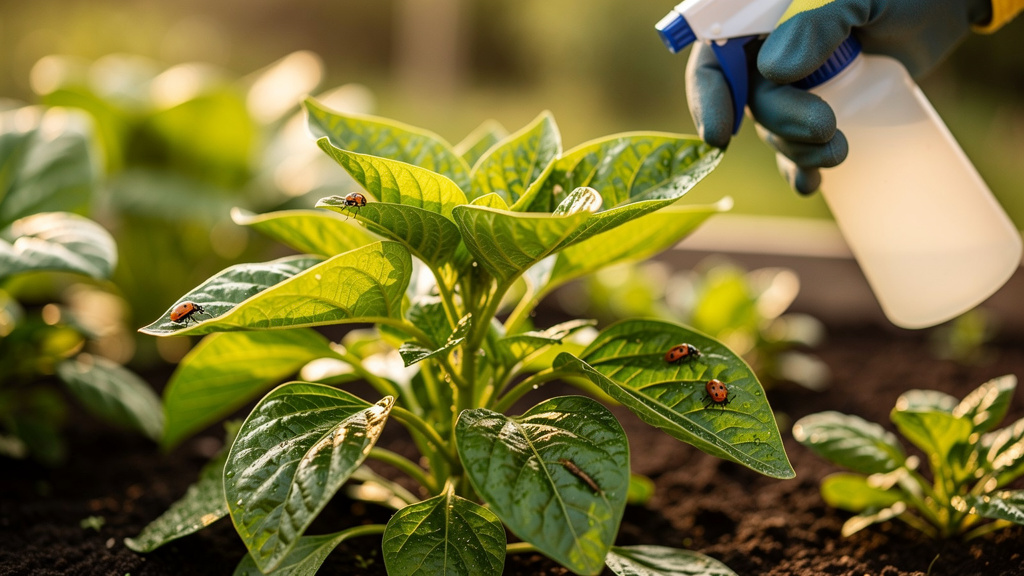
Protecting plants from recurrent pests is essential for maintaining a healthy garden and ensuring thriving crops. These pests can wreak havoc on your plants, leading to reduced yields and even complete plant loss. Consequently, understanding the importance of effective pest management strategies is crucial for any gardener or farmer aiming to ensure their plants flourish throughout the growing season.
This article will delve into effective long-term strategies for protecting plants, focusing on natural fortifiers that not only deter pests but also enhance plant resilience. For instance, implementing companion planting techniques can create a natural barrier against pests, while utilizing organic pesticides offers a safe and efficient alternative to chemical solutions. Furthermore, we will explore how soil health plays a vital role in fortifying plants against recurrent pests. By nurturing the soil ecosystem, you can cultivate a robust and sustainable garden that thrives in the face of challenges, ultimately leading to a more productive and vibrant growing environment.
Understanding Recurrent Pests and Their Impact on Plant Health
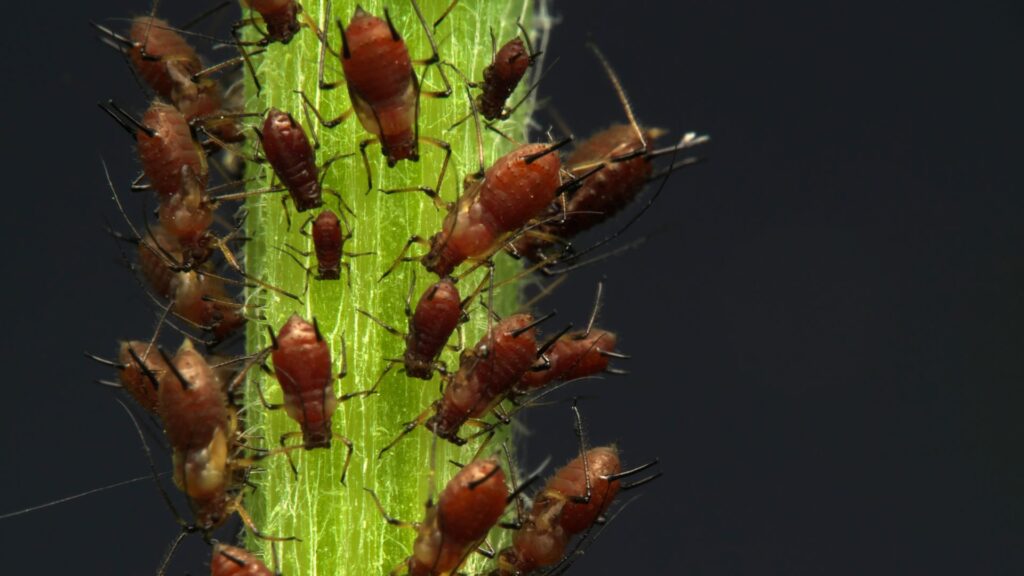
Recurrent pests pose significant challenges to plant health, impacting everything from growth to yield. These pests, such as aphids, spider mites, and whiteflies, often return season after season, making them a persistent threat to gardeners and farmers alike. Understanding the lifecycle and behavior of these pests is crucial for effective plant health management. When left unchecked, recurrent pests can lead to stunted growth, reduced resistance to diseases, and, ultimately, plant death. Moreover, the economic implications of pest infestations can be severe, as they not only affect the quantity of produce but also its quality, leading to potential financial losses.
To combat these challenges, it is essential to adopt a proactive approach. This includes regular monitoring of plants and implementing preventive measures before infestations escalate. By familiarizing yourself with the specific pests that target your plants, you can tailor your management strategies to be more effective. Additionally, integrating knowledge about environmental conditions that favor pest outbreaks can further enhance your ability to protect your plants.
The Lifecycle of Common Recurrent Pests
To effectively manage recurrent pests, it’s important to understand their lifecycle. For instance, aphids reproduce rapidly, with females capable of giving birth to live young within days. This rapid reproduction allows infestations to grow exponentially if not controlled. Similarly, spider mites thrive in hot, dry conditions, laying eggs that hatch into new adults in just a few days. Therefore, knowing when these pests are most vulnerable can help you implement targeted control measures. Employing integrated pest management (IPM) strategies is key to disrupting their lifecycle and minimizing damage. For example, introducing beneficial insects like ladybugs can naturally reduce aphid populations, while maintaining optimal humidity can deter spider mites.
Signs of Pest Infestation
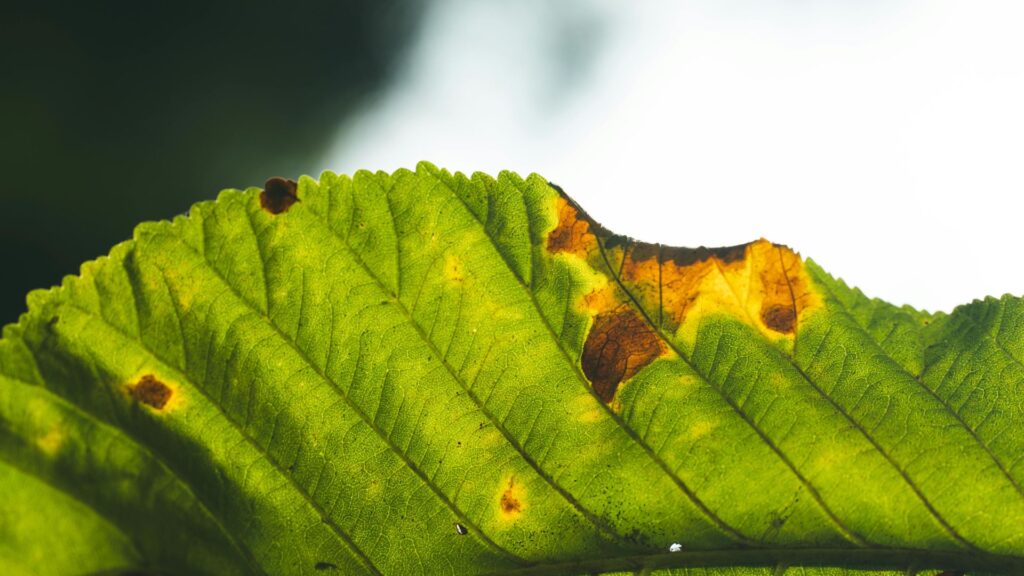
Recognizing the signs of pest infestation is vital for maintaining plant health. Look for discolored leaves, wilting, or sticky residue, which indicate the presence of pests. Additionally, you may observe webbing on the undersides of leaves, a common sign of spider mites. Early detection allows for timely intervention, which is essential for effective pest management. If you’re unsure about the signs of damage, you can learn to identify pest damage to take action before it’s too late.
Incorporating natural pest control methods can also bolster your defenses. According to Natural Garden Pest Control: Protecting Plants Without Chemicals, these methods are effective and environmentally friendly. For instance, introducing plants that attract predatory insects can create a balanced ecosystem. Consequently, understanding recurrent pests and their effects on plant health is crucial for any gardener looking to maintain a thriving garden. By being proactive and informed, you can significantly reduce the impact of these pests and foster a healthier, more resilient plant environment.
Comparing Organic vs Chemical Pest Control Methods
When it comes to pest control techniques, gardeners and farmers often grapple with the choice between organic solutions and chemical methods. Each approach has its own set of benefits and drawbacks that influence effectiveness, cost, and environmental impact. Understanding these factors can help you make a more informed decision regarding the best pest management strategy for your garden. Organic pest control methods, which rely on natural substances, often emphasize sustainability and ecological balance. In contrast, chemical methods typically offer rapid results but may come with significant risks to the environment and human health. Therefore, weighing these considerations is crucial for achieving long-term success in pest management.
The following table summarizes the key differences between organic and chemical pest control methods. This comparison highlights their effectiveness, cost, and environmental impact, allowing you to weigh your options more effectively.
| Aspect | Organic Pest Control | Chemical Pest Control |
|---|---|---|
| Effectiveness | Often slower, but targeted | Rapid results, broad spectrum |
| Cost | Generally higher upfront | Usually lower upfront |
| Environmental Impact | Minimal, supports biodiversity | Can harm non-target species |
Benefits of Organic Pest Control
Organic pest control offers several advantages that make it an appealing choice for many gardeners. First, it tends to be safer for beneficial insects and pollinators, thus promoting a healthier ecosystem. For example, using neem oil or insecticidal soap can effectively target harmful pests while leaving beneficial species unharmed. Moreover, organic solutions often improve soil health, which can lead to better plant resilience over time. Additionally, many organic methods utilize natural ingredients that break down more easily in the environment, reducing potential long-term harm. Consequently, using organic techniques can contribute to sustainable gardening practices that align with environmental stewardship. Furthermore, organic methods often encourage a diverse range of plant life, which can naturally deter pests and promote a balanced ecosystem.
Drawbacks of Chemical Methods
Conversely, chemical pest control methods have their own set of challenges that warrant consideration. While they may provide quick results against pests, they can also pose risks to non-target organisms, including beneficial insects and wildlife. For instance, the use of broad-spectrum insecticides can decimate entire populations of beneficial pollinators. Furthermore, frequent use of chemical pesticides can lead to pest resistance, necessitating stronger applications over time. This cycle can become costly and detrimental to the ecosystem. Therefore, while chemical options may seem appealing for their immediate effectiveness, they often come with hidden environmental costs. Additionally, the potential for chemical runoff into water sources raises concerns about the broader ecological impact, making it essential to consider these factors when choosing a pest control method.
Both organic and chemical pest control methods have their respective merits and downsides. When deciding which approach to take, it’s essential to consider the long-term impacts on both your plants and the surrounding environment. For more insights on the various strategies available, you can explore pest control methods. By understanding the nuances of each method, you can create a more effective and sustainable pest management plan tailored to your specific gardening needs.
Effective Long-Term Strategies for Pest Management
Effective pest management requires a proactive approach, especially when dealing with recurrent pests. Long-term strategies not only help to deter pests but also foster a healthy ecosystem in your garden. By integrating various techniques, you can build a resilient garden that minimizes pest issues over time. For example, implementing Integrated Pest Management (IPM) and utilizing companion planting techniques can significantly enhance your garden’s defenses. These strategies focus on creating an environment that naturally deters pests while promoting the health and vitality of your plants. Moreover, understanding the specific needs and vulnerabilities of your plants can further tailor your pest management approach, ensuring that your garden remains vibrant and productive.
In addition to IPM and companion planting, it is essential to consider the role of soil health in pest management. Healthy soil promotes strong root systems and enhances plant resilience, making them less susceptible to pest infestations. Therefore, ensuring your soil is rich in organic matter and well-aerated is crucial. This can be achieved through regular composting and incorporating cover crops, which not only improve soil structure but also provide additional nutrients. Consequently, strong plants are less likely to attract pests, leading to a more sustainable gardening approach that benefits both the plants and the surrounding ecosystem.
Integrated Pest Management (IPM)
Integrated Pest Management (IPM) is a holistic approach that combines various pest control techniques to manage pest populations effectively. First, it emphasizes monitoring pest populations and identifying the specific pests affecting your plants. This can lead to targeted interventions rather than blanket pesticide applications, which are often harmful to beneficial insects. Furthermore, IPM encourages the use of biological control methods, such as introducing natural predators like ladybugs to manage aphid populations. Additionally, cultural practices like crop rotation and proper sanitation help to reduce pest habitats. For instance, rotating crops can disrupt the life cycles of pests, making it harder for them to establish themselves. Consequently, by adopting IPM, you create a sustainable pest management system that minimizes chemical use and promotes long-term plant health.
Companion Planting Techniques
Companion planting is another effective long-term strategy for pest management. This technique involves planting different crops in proximity to each other in ways that enhance growth and deter pests. For instance, planting marigolds alongside vegetables can repel nematodes and other harmful insects. Similarly, herbs like basil can ward off pests that typically target tomatoes. Moreover, certain plants can attract beneficial insects that prey on pests. For example, planting dill can attract predatory wasps that help control caterpillar populations. To illustrate, the combination of carrots and onions can confuse pests that target one or the other, thereby protecting both crops. Thus, by strategically choosing companion plants, you can create a more balanced ecosystem in your garden, reducing the reliance on chemical treatments.
Maintaining Healthy Soil
In addition to these strategies, maintaining healthy soil is crucial for effective pest management. Healthy soil promotes strong root systems and enhances plant resilience, making them less susceptible to pest infestations. Ensure your soil is rich in organic matter and well-aerated. This can be achieved through regular composting and incorporating cover crops. Furthermore, practices such as mulching can help retain moisture and suppress weeds, which are often breeding grounds for pests. Consequently, strong plants are less likely to attract pests, leading to a more sustainable gardening approach. By nurturing the soil ecosystem, you can cultivate a robust and sustainable garden that thrives in the face of challenges.
To summarize, effective long-term strategies for pest management incorporate a combination of IPM, companion planting, and soil health. Implementing these methods not only reduces pest populations but also fosters a vibrant garden ecosystem. For practical tips on protecting your garden from various pests, you can refer to 10 Easy Ways To Protect Your Garden From Animals & Pests. With these strategies in place, you can cultivate a thriving garden that withstands the test of time and contributes positively to the environment.
Best Plant Fortifiers for Pest Prevention
Plant fortifiers play a crucial role in pest prevention by enhancing the overall resilience of plants. These natural substances strengthen plant defenses, making them less susceptible to infestations. By incorporating fortifiers into your gardening routine, you can create a more robust ecosystem that not only protects your plants but also promotes healthier growth. This section delves into some of the best plant fortifiers for pest prevention and how they contribute to plant health.
Effective Plant Fortifiers for Pest Prevention
When selecting effective plant fortifiers, several options stand out. For instance, kelp extract is renowned for its rich nutrient profile, providing essential minerals that enhance plant vigor. Neem oil, derived from the seeds of the neem tree, acts as a natural insect repellent and disrupts the lifecycle of pests. Additionally, garlic spray serves as an excellent fortifier; its strong odor deters insects while promoting plant health. Furthermore, compost tea not only nourishes plants but also introduces beneficial microorganisms that help combat pests. Each of these fortifiers offers unique benefits that can be tailored to specific gardening needs.
Enhancing Plant Health with Fortifiers
Fortifiers enhance plant health in various ways, leading to more effective pest prevention. They improve nutrient uptake, which strengthens the plant’s overall structure and resistance to stressors. For example, kelp extracts supply trace minerals that boost chlorophyll production, resulting in stronger, more vibrant plants. Similarly, neem oil not only repels pests but also promotes healing in plants that may have been damaged. Moreover, compost tea enriches the soil, improving microbial activity that supports healthy root systems. Consequently, healthier plants are better equipped to resist pest attacks and recover from infestations.
To illustrate the effectiveness of different plant fortifiers in pest prevention, the table below summarizes their key attributes.
| Plant Fortifier | Effectiveness in Pest Prevention | Additional Benefits |
|---|---|---|
| Kelp Extract | High | Boosts nutrient uptake |
| Neem Oil | Very High | Disrupts pest lifecycle |
| Garlic Spray | Moderate | Deters a variety of insects |
| Compost Tea | High | Enhances soil health |
As you can see, each fortifier has its strengths. Incorporating these plant fortifiers into your gardening practices can significantly enhance pest prevention efforts. For further insights on managing pests organically, you can explore organic pest control solutions to support your gardening journey.
Case Studies: Success Stories in Pest Management
Successful pest management often comes down to real-life examples that illustrate effective strategies. Numerous case studies showcase how gardeners and farmers have turned the tide against stubborn pests. For instance, a community garden in Portland adopted a combination of organic pesticides and companion planting. By introducing marigolds alongside their crops, they successfully deterred aphids, significantly reducing infestations. Consequently, their harvests improved, demonstrating that natural methods can be both effective and sustainable. These success stories are not just isolated incidents; they provide actionable insights for anyone looking to enhance their pest management approach and create a thriving garden or farm.
Real-Life Examples of Pest Management
One notable success story comes from a small-scale vegetable farm in California. After facing severe pest issues, the owner decided to implement an integrated pest management (IPM) system. This comprehensive approach included monitoring pest populations and introducing beneficial insects like ladybugs and lacewings. As a result, the farm saw a dramatic decrease in pest-related damage, allowing for healthier plants and increased yields. Moreover, by prioritizing ecological balance, this strategy proved not only effective but also sustainable in the long run. This case illustrates the importance of adapting strategies to local conditions and pest behaviors, highlighting that successful pest management requires a tailored approach.
Lessons Learned from Successful Gardens
From these success stories, several lessons emerge that can guide future pest management efforts. First, proactive monitoring is vital; knowing your pest populations allows for timely interventions. Additionally, diversifying plant species can create natural barriers against pests. For example, planting herbs alongside vegetables can mask the scent of crops, confusing pests and reducing their attraction. Furthermore, implementing practices such as crop rotation can disrupt pest life cycles. To illustrate, the community garden in Portland not only improved their yields but also promoted biodiversity, enriching the local ecosystem. These strategies emphasize the interconnectedness of pest management and ecological health. For those eager to delve deeper into pest management techniques, you can learn about protecting fruits and vegetables effectively. By embracing these lessons, gardeners and farmers can cultivate resilience against recurrent pests, ensuring their plants thrive in a challenging environment.
Your Action Plan for Protecting Plants from Pests
To summarize, effectively protecting plants from pests requires a multifaceted approach that emphasizes long-term strategies. By implementing practices such as companion planting, enhancing soil health, and using organic pesticides, you can create a resilient garden that not only fends off pests but also thrives in the face of challenges. Indeed, understanding the lifecycle of common pests and their behaviors is crucial to staying one step ahead. For instance, recognizing when pests are most active allows you to take preventive measures at critical times.
Moreover, proactive pest management is essential. Rather than waiting for infestations to occur, cultivate an environment that naturally deters pests while promoting healthy plant growth. This can include introducing beneficial insects like ladybugs or maintaining a diverse plant palette that confuses and repels pests. Consequently, this approach minimizes the need for harsh chemicals and ensures a more sustainable gardening experience.
Ultimately, your action plan for protecting plants should focus on these long-term strategies that enhance resilience and deter pests effectively. Therefore, take the first step by assessing your current gardening practices and integrating these strategies into your routine. Additionally, consider documenting your pest management efforts to identify what works best over time. Finally, remember that a healthy garden is a beautiful garden, and with these tactics, you can foster a thriving ecosystem that stands strong against unwanted pests, ensuring your plants flourish for seasons to come.