Maintaining healthy home gardens is essential for any gardening enthusiast, and effective pest control plays a significant role in achieving this goal. Pests can wreak havoc on your plants, diminishing their growth and yield. Therefore, understanding how to manage these nuisances is crucial for creating a thriving backyard sanctuary. A well-maintained garden not only enhances the aesthetic appeal of your home but also contributes to a sustainable environment.
In this article, we will explore various strategies to keep your home garden pest-free. For example, you can implement natural deterrents such as garlic spray or neem oil, encourage beneficial insects like ladybugs and lacewings, and practice crop rotation to disrupt pest life cycles. Moreover, we will discuss the importance of regular monitoring and maintenance to identify potential threats early on, which can save you time and resources in the long run. By following these effective approaches, you can ensure a vibrant and flourishing garden that not only looks beautiful but also provides a bountiful harvest, enriching your home and lifestyle.
Understanding Home Gardens and Pest Control
Understanding how to manage pests in your home garden is essential for maintaining a healthy and productive space. Pests are not just nuisances; they can significantly impact plant health and yield. For instance, an unchecked aphid infestation can lead to stunted growth and even plant death. By recognizing common pests and implementing effective pest control strategies, you can create a thriving environment for your plants. Moreover, pest management is not merely about eliminating pests but ensuring a sustainable gardening approach that promotes overall ecosystem health. This balance is crucial, as a healthy garden can naturally deter pests while supporting beneficial organisms.
In the realm of home gardening, several common pests frequently emerge. Aphids, spider mites, and whiteflies are notorious for their ability to quickly infest plants, leading to stunted growth and disease. For example, aphids can reproduce rapidly, creating large colonies that drain the vitality from your plants. Additionally, slugs and snails can cause significant damage by feasting on tender leaves. To illustrate, a single slug can consume an entire seedling overnight. Recognizing these pests is the first step in effective pest control, allowing you to take timely action before they escalate into larger problems. Furthermore, understanding the life cycles of these pests can help you anticipate their emergence and implement preventive measures.
Pest control is vital for sustainable gardening practices. By actively managing pest populations, you can minimize the use of chemical pesticides, which can harm beneficial insects and soil health. Consequently, this approach helps maintain a balanced ecosystem in your garden. Furthermore, effective pest control strategies can lead to healthier plants, resulting in improved yields and less susceptibility to disease. To ensure long-term success, consider implementing effective natural strategies for preventing pests, such as companion planting and introducing natural predators. Additionally, for comprehensive methods on natural pest control, you can learn more from resources that focus on organic gardening techniques. By prioritizing pest control, you contribute to the overall sustainability and health of your home garden, creating a resilient environment that thrives year after year.
Effective Pest Prevention Techniques for Home Gardens
Maintaining a pest-free home garden is essential for any organic gardening enthusiast. By employing effective pest prevention techniques, you can protect your plants while fostering a healthy ecosystem. Several organic methods are available that not only deter pests but also promote the growth of your garden. For instance, using natural repellents, introducing beneficial insects, and practicing crop rotation can significantly reduce pest populations. By integrating these strategies into your gardening routine, you can create a vibrant space that thrives without harmful chemicals.
To assist you in selecting the best pest prevention techniques, we have compiled a comparison of various approaches. This table highlights the key characteristics and effectiveness of different methods:
| Pest Prevention Technique | Description | Effectiveness |
|---|---|---|
| Natural Repellents | Use of essential oils or garlic sprays to deter pests | Moderate to High |
| Beneficial Insects | Introducing ladybugs and lacewings to control pests | High |
| Crop Rotation | Changing plant locations yearly to prevent pest buildup | High |
| Organic Mulching | Using organic materials to suppress weeds and pests | Moderate |
| Physical Barriers | Employing nets or row covers to protect plants | Moderate to High |
Analyzing these techniques reveals that beneficial insects and crop rotation offer the highest effectiveness in pest control. They actively disrupt pest life cycles and naturally reduce populations. Conversely, natural repellents and physical barriers serve as supplementary strategies that can enhance your overall pest prevention approach.
Effective Organic Gardening Techniques
When it comes to organic gardening, selecting the right techniques is vital. Utilizing natural deterrents, such as neem oil or insecticidal soap, can effectively manage pest populations without harming beneficial insects. Additionally, maintaining healthy soil through composting and proper fertilization strengthens plant resilience against pests. Therefore, focusing on organic practices not only benefits your garden but also contributes positively to the environment.
Companion Planting for Pest Control
Companion planting is another effective method for pest prevention in home gardens. By strategically placing certain plants together, you can create natural deterrents against pests. For example, marigolds are known to repel nematodes and aphids, making them an excellent companion for tomatoes. Moreover, planting basil alongside peppers can enhance flavor while reducing pest issues. This symbiotic relationship among plants fosters a healthier garden ecosystem. For more information on gentle and safe pest control methods, check out gentle pest control methods.
By integrating these techniques into your gardening practices, you can enjoy a flourishing garden free from harmful pests while adhering to the principles of organic gardening.
Creating a Pest-Free Garden Environment
Creating a pest-free garden environment is an essential aspect of successful gardening. By utilizing natural remedies and proactive garden maintenance techniques, you can effectively deter pests while fostering a healthy ecosystem. This approach not only protects your plants but also creates an inviting space for beneficial insects, which play a crucial role in maintaining balance within your garden. To achieve a pest-free environment, you’ll need to integrate several strategies that emphasize sustainability and preventive measures, ensuring that your garden remains vibrant and productive throughout the growing season.
One effective method to create a pest-free environment is to focus on the diversity of your plant selection. By incorporating a variety of plants, you can create a more resilient garden that is less susceptible to pest infestations. For example, mixing flowering plants with vegetables can attract pollinators and beneficial insects, which can help control pest populations naturally. Additionally, maintaining a clean garden by regularly removing debris and dead plant material can significantly reduce pest habitats, making it harder for them to thrive.
Step-by-Step Guide to Natural Pest Deterrents
First, consider implementing companion planting. Certain plants naturally repel pests; for example, marigolds are known to deter nematodes and aphids. Additionally, you can create homemade sprays using ingredients like garlic or neem oil, both of which are effective natural remedies. For instance, a simple garlic spray can deter a range of pests due to its strong odor. Moreover, regularly introducing beneficial insects, such as ladybugs or lacewings, can help control pest populations. These natural predators feast on harmful insects, thereby reducing their numbers without the need for harmful chemicals. Furthermore, using physical barriers like row covers can protect young plants from pests while allowing sunlight and moisture to penetrate.
Maintaining a Healthy Garden Ecosystem
Consequently, maintaining a healthy garden ecosystem is crucial for long-term pest management. This involves ensuring that your soil is rich in nutrients and organic matter. Healthy soil promotes strong plant growth, making them more resilient to pest attacks. Additionally, practicing crop rotation can disrupt pest life cycles and reduce infestations. For instance, rotating your crops annually can prevent pests that thrive on specific plants from establishing a stronghold. Furthermore, regular garden maintenance, like weeding and pruning, helps improve air circulation and reduces hiding spots for pests. Regularly checking for signs of pest activity, such as discolored leaves or unusual spots, allows for early intervention, which is vital for effective pest control.
In summary, by embracing these natural approaches, you can create a pest-free garden environment. For more actionable strategies on maintaining a chemical-free garden, check out 6 Ways to Maintain a Pest-Free Garden and Yard Without Chemicals. With diligence and care, your garden can flourish while keeping unwanted pests at bay, ultimately leading to a more enjoyable gardening experience.
Case Studies: Success Stories of Pest-Free Gardens
Creating a pest-free garden is not just a dream; it’s achievable with the right strategies and dedication. Many gardeners have successfully transformed their backyard spaces into thriving ecosystems, free from destructive pests. These success stories illustrate that with informed choices and consistent practices, anyone can enjoy a flourishing garden. Below, we showcase several gardens that have effectively implemented pest control methods, highlighting their unique approaches and impressive results. By examining these case studies, aspiring gardeners can glean insights and inspiration for their own pest management strategies.
| Garden Name | Location | Pest Control Strategy |
|---|---|---|
| Green Thumb Haven | Oregon, USA | Companion planting and beneficial insects |
| Urban Oasis | New York, USA | Organic sprays and crop rotation |
| Serene Sanctuary | Queensland, AUS | Natural repellents and physical barriers |
Real-Life Examples
The gardens highlighted above demonstrate diverse strategies tailored to specific environments. For instance, Green Thumb Haven in Oregon utilizes companion planting to deter pests naturally. By pairing plants that repel pests with those that attract beneficial insects, they create a balanced ecosystem that thrives without synthetic chemicals. This method not only reduces pest populations but also enhances biodiversity in the garden. Conversely, Urban Oasis in New York focuses on organic sprays and crop rotation to manage pests effectively. This approach minimizes chemical use and disrupts pest life cycles, further enhancing their pest control efforts. Additionally, they incorporate regular soil amendments to ensure that plants remain healthy and resilient against pest attacks.
Lessons Learned from Successful Gardens
From these success stories, there are valuable lessons for anyone interested in backyard gardening. First, integrating multiple pest control strategies often yields the best results. For example, combining companion planting with organic sprays can create a comprehensive defense against pests. Moreover, regular maintenance and observation are crucial; gardeners should monitor their plants closely to detect any potential threats early on. This proactive approach allows for timely interventions, which can prevent minor issues from escalating into significant problems. Lastly, adopting sustainable methods, such as those mentioned in the techniques to ensure a pest-free harvest, not only benefits the garden but also contributes to environmental health.
Furthermore, engaging with local gardening communities can provide additional support and resources. Sharing experiences and learning from others can lead to innovative solutions tailored to specific challenges. By learning from these successful gardens, you can implement effective pest control strategies that will allow your backyard to thrive while ensuring a bountiful harvest. Ultimately, the journey to a pest-free garden is a rewarding one, filled with opportunities for growth and discovery.
The Role of Beneficial Insects in Pest Management
Beneficial insects play a pivotal role in pest management, acting as natural predators that help keep harmful pest populations in check. By integrating these insects into your garden’s ecosystem, you can significantly reduce the reliance on chemical pesticides, thereby promoting healthier plants and a more sustainable gardening approach. For instance, ladybugs are renowned for their voracious appetite for aphids, while lacewings target a range of pests, including spider mites and thrips. Consequently, encouraging these beneficial insects can lead to a more balanced garden environment, ultimately enhancing plant health and yield. Moreover, the presence of these insects can also attract other wildlife, contributing to a vibrant and diverse ecosystem in your backyard.
Identifying Beneficial Insects
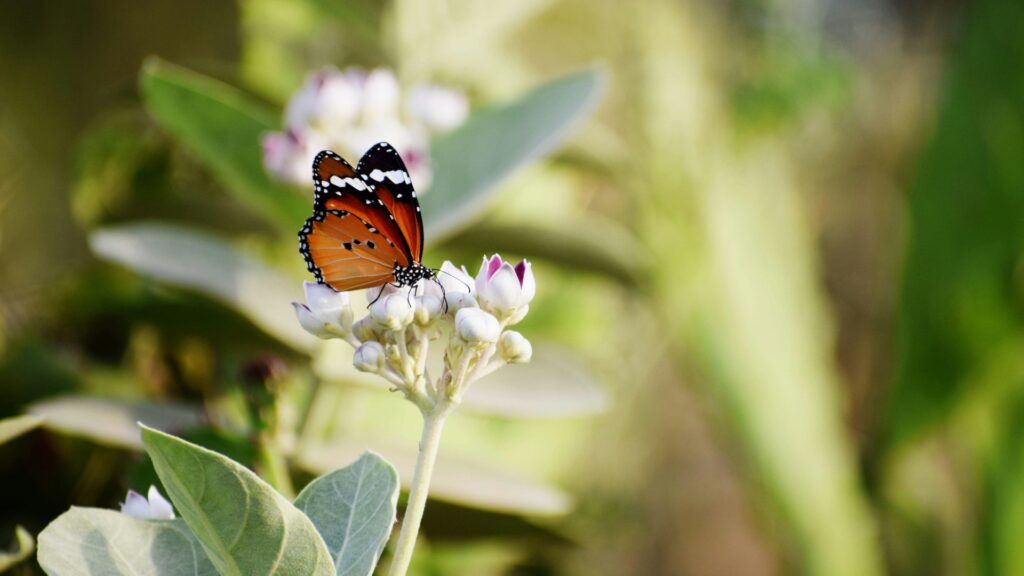
Recognizing beneficial insects is crucial for effective pest management. For example, you might encounter pollinators like bees and butterflies, which not only contribute to plant reproduction but also support overall garden health by enhancing biodiversity. Additionally, predatory insects such as wasps and beetles can help control pest populations. To illustrate, the predatory wasp, which targets caterpillars and other harmful insects, can significantly reduce pest numbers without harming your plants. Furthermore, some insects, like ground beetles, are effective at controlling soil-dwelling pests. By becoming familiar with these beneficial insects, you can better appreciate their contributions to your garden’s ecosystem and encourage their presence through thoughtful gardening practices.
Encouraging Beneficial Insects in Your Garden
To attract beneficial insects for gardens, consider implementing several sustainable gardening practices. First, plant a diverse array of flowers, herbs, and vegetables that bloom at different times throughout the growing season. This diversity provides a consistent food source for beneficial insects, ensuring they remain in your garden longer. Additionally, avoid using broad-spectrum pesticides, as these can harm both pests and their natural predators. Instead, focus on organic methods to manage pests, such as introducing companion planting or creating habitats like insect hotels. Furthermore, maintaining a healthy garden environment through mulching and soil health can support the overall insect population. For instance, incorporating native plants can provide essential resources for local beneficial insects. By following these tips, you can create a welcoming space for beneficial insects, ensuring a robust pest management system in your garden. Ultimately, fostering these natural allies not only enhances your garden’s resilience but also contributes to a more sustainable approach to gardening.
Your Action Plan for a Pest-Free Home Garden
Ultimately, maintaining a pest-free home garden is achievable with the right strategies in place. To summarize, incorporating natural deterrents, fostering beneficial insects, and practicing crop rotation are all effective methods to control pests while preserving the health of your plants. Moreover, regular monitoring allows you to catch any potential threats before they can cause significant damage. For instance, checking the undersides of leaves can reveal hidden pests early, enabling timely intervention.
Therefore, it is crucial to implement these pest control methods consistently. By doing so, you not only protect your plants but also enhance the overall health and productivity of your garden. Clearly, the effort you invest in these practices will lead to a more vibrant and bountiful harvest. Additionally, consider documenting your gardening experiences, as this can help you identify which strategies work best in your specific environment.
Finally, as you embark on this journey toward a pest-free home garden, remember that gardening is a continuous learning experience. Stay informed about new pest management techniques and adapt your strategies as needed. Engaging with local gardening communities or online forums can provide valuable insights and support. Embrace the joy of nurturing your plants and reaping the rewards of your hard work. With dedication and the right approach, a flourishing garden awaits you, offering not just beauty but also a sustainable source of fresh produce for you and your family.