Effective garden pest control is essential for maintaining a thriving garden and ensuring your plants flourish. Since pests pose a significant threat to the health and productivity of your garden, implementing reliable pest control solutions is crucial. A well-managed garden not only enhances your outdoor space but also contributes to a more sustainable environment, allowing you to enjoy the fruits of your labor without the constant worry of infestations.
In this article, we will explore various effective strategies for garden pest control, providing practical solutions tailored for home gardening. Specifically, we will discuss natural methods, eco-friendly products, and preventative measures to keep your plants safe from harmful pests. Furthermore, you will learn how to identify common pests and the signs of their presence, which will empower you to take proactive steps in protecting your garden. By the end of this guide, you will be equipped with the knowledge to tackle pest issues confidently and successfully.
Understanding Garden Pest Control: The Basics
Understanding garden pest control is the foundation of successful gardening. Pest management involves monitoring, identifying, and controlling pests that threaten your plants. Effective strategies can vary from preventative measures to treatment options, ensuring that your garden remains healthy and productive. Moreover, understanding the life cycle and behavior of pests allows gardeners to anticipate problems before they escalate. By adopting a proactive approach, you can safeguard your plants and cultivate a thriving garden. This knowledge is essential not only for protecting your plants but also for fostering a sustainable environment where beneficial insects can thrive alongside your crops.
Importance of Pest Control
Pest control is vital for several reasons. First, pests can cause significant damage to your plants, leading to reduced yields and even plant death. For example, aphids and spider mites suck the sap from leaves, weakening the plant and making it more susceptible to disease. Additionally, pests can spread diseases, compounding the issues within your garden. Consequently, effective pest management not only protects your plants but also promotes a balanced ecosystem. Furthermore, implementing pest control measures can reduce the need for chemical interventions, leading to a healthier environment. By using integrated pest management (IPM) techniques, gardeners can minimize chemical use while effectively controlling pest populations. This approach not only benefits your garden but also contributes to the overall health of the local ecosystem.
Common Garden Pests
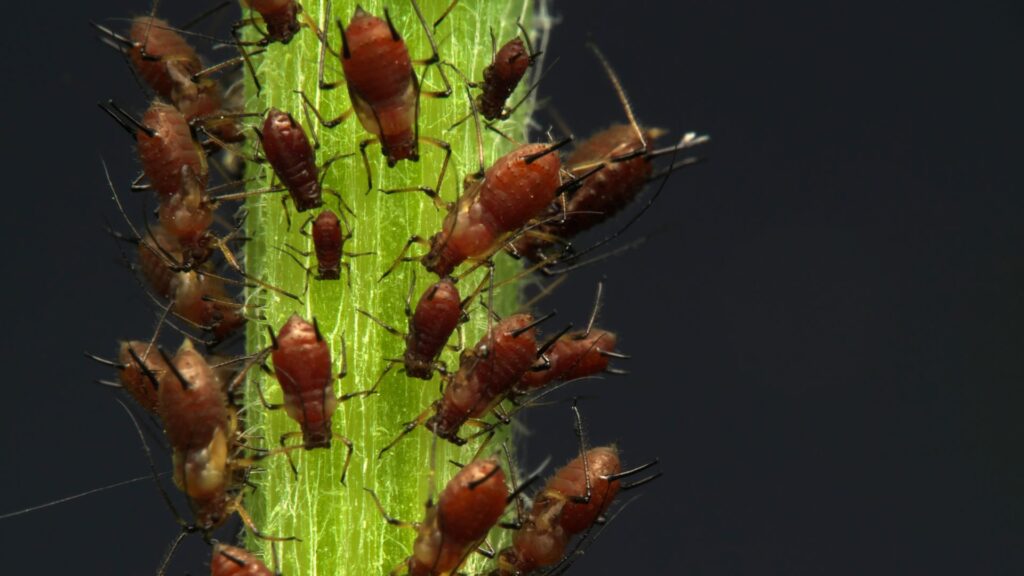
Identifying common garden pests is a crucial step in pest management. Some of the most notorious culprits include aphids, caterpillars, and slugs. Aphids, small insects that cluster on young shoots, can rapidly multiply, causing stress to the plants. Caterpillars, on the other hand, feed voraciously on leaves, often resulting in unsightly damage that can hinder plant growth. Slugs thrive in damp conditions and can create holes in foliage, making them a common nuisance. To illustrate, recognizing the signs of these pests early can help you implement effective strategies to keep them at bay. Therefore, being vigilant and informed can make a significant difference in your gardening success. Additionally, understanding the life cycles of these pests can help you time your interventions more effectively, ensuring that you address infestations before they become severe.
For more details on the differences between natural and chemical pest control methods, check out our comprehensive guide. Additionally, you can explore a range of natural pest management strategies by visiting 10 Garden Pest Solutions – SeedSavers. By understanding pest behavior and employing effective strategies, you can create an environment where your garden thrives without the constant threat of pest infestations. Ultimately, your commitment to pest management will not only enhance your gardening experience but also contribute to the sustainability of your local ecosystem.
Comparative Review of Pest Control Solutions
When it comes to pest control solutions, homeowners often find themselves weighing the benefits of commercial products against DIY methods. Each approach has its advantages and disadvantages, and understanding these can help you make an informed decision for your garden. Commercial pest control products are typically designed for effectiveness and ease of use, while DIY solutions often focus on cost-efficiency and organic methods. In this comparison, we will delve into the features and effectiveness of both options, providing you with a comprehensive overview that considers not only the immediate results but also the long-term implications for your garden and the environment.
The choice between commercial products and DIY solutions can significantly impact your gardening experience. For instance, while commercial products may offer rapid results, they often come with concerns regarding chemical residues and their effects on beneficial insects. Conversely, DIY solutions, though sometimes less predictable in their effectiveness, empower gardeners to take control of their pest management strategies. By experimenting with various natural ingredients, you can discover what works best for your specific garden environment, fostering a deeper connection to your gardening practices.
Commercial Products vs DIY Solutions
Commercial pest control solutions are formulated to target specific pests with potent ingredients. These products often come with clear instructions, making them user-friendly and accessible for gardeners of all experience levels. However, they can be expensive and may contain synthetic chemicals that raise concerns for environmentally conscious gardeners. For example, products containing neonicotinoids have been scrutinized for their potential harm to pollinators. On the other hand, DIY solutions allow for creativity and customization. Many gardeners turn to organic methods, utilizing ingredients like neem oil, diatomaceous earth, or garlic spray, which can be both effective and safe for the environment. Nevertheless, DIY approaches may require more time and trial-and-error to find the most effective formula, which can be a drawback for those facing urgent pest issues.
Pros and Cons
To give you a clearer perspective, let’s break down the pros and cons of both commercial and DIY pest control solutions in the table below:
| Pest Control Solution | Advantages | Disadvantages |
|---|---|---|
| Commercial Products | Highly effective, easy to use, quick results | Higher cost, potential chemical risks |
| DIY Solutions | Cost-effective, customizable, eco-friendly | Time-consuming, variable effectiveness |
Both approaches to pest control have their merits. Commercial products stand out for their immediate effectiveness and ease of use, which can be especially helpful in severe infestations. However, the concern over chemical residues often leads gardeners to explore safer alternatives. Conversely, DIY solutions not only save money but also promote organic gardening principles. By utilizing household items, you can minimize your ecological footprint while still addressing pest issues. For example, using a simple soap and water mixture can deter aphids without harming beneficial insects.
Ultimately, the choice between commercial and DIY pest control solutions depends on your specific needs and values as a gardener. If you’re looking for quick fixes and are less concerned about chemical residues, commercial products might be the way to go. However, if you prefer to embrace a sustainable approach, you can explore organic methods of pest control, which can be both effective and gentle on the environment. Furthermore, integrating companion planting or introducing beneficial insects like ladybugs can enhance your pest management strategy.
For those interested in natural deterrents and real-life experiences, Marie Bostwick’s insights offer valuable anecdotes and methods that can complement your pest management strategy. Understanding your garden’s unique needs and experimenting with different solutions will ultimately lead to a healthy, thriving garden. By keeping an open mind and being willing to adapt your strategies, you can create a balanced ecosystem that supports both your plants and the environment, ensuring a fruitful gardening experience for years to come.
Physical Barriers: Effective Pest Control Solutions
Physical barriers serve as one of the most effective strategies for pest control in gardens. Unlike chemical treatments, which can be harmful to both plants and beneficial insects, physical barriers create a shield that deters pests without introducing toxins into your environment. These barriers come in various forms, from simple netting to intricate fences, and can significantly reduce pest infestations while promoting a healthier ecosystem in your garden. By implementing these solutions, you can protect your plants and optimize their growth potential. Additionally, physical barriers often require less maintenance than chemical solutions, making them a sustainable choice for long-term pest management.
Moreover, the use of physical barriers not only protects your garden but also encourages biodiversity. By creating a safe haven for beneficial insects, such as pollinators and natural pest predators, you can foster a balanced ecosystem. This balance is essential for the overall health of your garden, as it minimizes the need for further interventions. Thus, investing in physical barriers is not just about immediate pest control; it is also about nurturing a thriving garden environment.
Types of Physical Barriers
There are several types of physical barriers that gardeners can utilize. For instance, floating row covers are lightweight fabrics that allow sunlight and moisture to reach plants while blocking insects. These covers are particularly effective against early-season pests, such as aphids and cabbage worms. Similarly, mesh netting can protect fruits and vegetables from birds and larger pests, ensuring that your harvest remains intact. Moreover, garden fences can deter rabbits and deer, providing a more secure environment for your plants. Additionally, using copper tape around plant bases can prevent slugs and snails from reaching your precious foliage. Each type of barrier offers unique advantages, so selecting the right one depends on the specific pests you’re dealing with and the plants you want to protect.
Furthermore, consider using cloches—small, protective domes placed over individual plants—to shield them from pests while promoting warmth and moisture retention. This method is particularly beneficial for young seedlings, which are often more vulnerable to pest attacks. By understanding the various types of barriers available, you can tailor your pest control strategy to effectively address the unique challenges of your garden.
Installation Tips
Effective installation of physical barriers is crucial for maximizing their efficacy. First, ensure that the barrier is securely anchored to prevent pests from sneaking underneath or around it. For instance, when using row covers, stake them down at the edges to maintain contact with the soil. Likewise, when installing fences, bury the bottom few inches underground to thwart burrowing pests. Furthermore, be mindful of gaps; even small openings can invite unwanted visitors. To illustrate, you can use clothespins to fasten netting securely around plant bases. Additionally, regularly inspect your barriers for wear and tear, as maintaining their integrity is vital for ongoing protection.
Moreover, consider the height and material of your barriers based on the specific pests you are targeting. For example, if deer are a concern, a taller fence made of sturdy materials will be necessary. Conversely, lightweight netting may suffice for smaller pests like insects. By taking these installation tips into account, you will create an effective line of defense against garden pests, ensuring your plants can thrive without the threat of infestation.
In addition to physical barriers, consider exploring homemade pest repellents to further enhance your pest management strategy. For practical homemade solutions, you can check out 7 Best Homemade Garden Pest Repellent Recipes for 2025. By combining these methods, you will be well on your way to cultivating a thriving, pest-free garden.
Natural and Organic Methods for Pest Control
Natural pest control methods offer an eco-friendly alternative to chemical pesticides, benefiting both your garden and the environment. By using organic methods, you can effectively deter pests while promoting a healthy ecosystem. These strategies not only minimize harm to beneficial insects but also contribute to the sustainability of your gardening practices. Additionally, understanding these natural pest deterrents can empower you to make informed decisions that support your garden’s health and resilience. Emphasizing the importance of biodiversity, these methods encourage a balanced approach to gardening, where various species coexist harmoniously.
Using Insect Repellents
Natural insect repellents are a fantastic way to protect your plants without resorting to harsh chemicals. For instance, essential oils such as neem oil and peppermint oil can repel a variety of pests, including aphids and whiteflies. Mixing these oils with water and a few drops of dish soap creates an effective spray that you can apply directly to infested plants. Moreover, garlic and chili pepper sprays are also potent natural deterrents; their strong scents can confuse and repel insects. To illustrate, a simple garlic spray can be made by blending several garlic cloves with water and a dash of soap, allowing you to protect your plants effectively. Furthermore, using diatomaceous earth, a natural powder made from fossilized algae, can also deter crawling insects by damaging their exoskeletons upon contact. This multi-faceted approach ensures that your garden remains a safe haven for plants while keeping pests at bay.
Companion Planting
Companion planting is another organic method that enhances pest control naturally. By strategically placing certain plants together, you can create a diverse ecosystem that naturally deters pests. For example, marigolds are known to repel nematodes and aphids when planted near vegetables, while nasturtiums can attract aphids away from more vulnerable plants. Similarly, planting basil alongside tomatoes can ward off whiteflies and other harmful insects. This symbiotic relationship not only improves pest resistance but also promotes healthy plant growth by enhancing nutrient uptake and soil health. Therefore, incorporating companion planting into your gardening strategy can yield significant benefits, enhancing both pest control and plant health. Additionally, rotating crops each season can further disrupt pest life cycles, making it harder for them to establish themselves.
By embracing these natural and organic methods for pest control, you can cultivate a thriving garden that thrives on balance and biodiversity. These approaches not only help manage pest populations but also contribute to a more resilient and sustainable gardening practice. Thus, consider integrating insect repellents and companion planting into your routine for a healthier garden experience. Ultimately, adopting these strategies not only protects your plants but also fosters a deeper connection with the natural world, promoting a holistic approach to gardening.
Case Studies: Successful Garden Pest Management
Case studies from successful gardeners provide valuable insights into effective garden pest management. Many gardeners have adopted innovative strategies that have transformed their pest control practices. These real-life testimonials show that with the right approach, managing pests can be not only effective but also rewarding. By examining these experiences, we can uncover practical solutions that can be applied in various gardening contexts, ultimately leading to healthier and more productive gardens.
Real-Life Examples
One gardener, Sarah from New Jersey, successfully tackled a severe aphid infestation by introducing ladybugs into her garden. She released these natural predators during the early stages of the infestation. Consequently, within a few weeks, the ladybugs significantly reduced the aphid population, demonstrating how beneficial insects can play a crucial role in pest management. Additionally, Sarah emphasized the importance of monitoring her plants regularly to catch infestations early, showcasing proactive measures in effective garden care. This approach not only minimized damage but also fostered a more balanced ecosystem in her garden.
Similarly, John from California utilized companion planting to deter pests. He planted marigolds alongside his vegetables, which not only beautified his garden but also repelled nematodes and aphids. The combination of natural pest deterrents and strategic planting proved invaluable. John remarked that this method not only reduced pest issues but also enhanced the overall health of his garden, proving that thoughtful planning can yield remarkable results. By creating a diverse planting scheme, John effectively created a natural barrier against pests, illustrating the benefits of integrating various plant species for optimal pest management.
Lessons Learned
From these case studies, several lessons emerge that can guide your pest management strategies. First, integrating beneficial insects into your garden can dramatically reduce pest populations without the need for chemical treatments. This method not only supports effective garden care but also promotes biodiversity, which is essential for a thriving ecosystem. Furthermore, practicing companion planting can create a more resilient garden environment, helping to ward off pests naturally while enhancing soil health.
Moreover, regular monitoring and early intervention are crucial. By observing your plants frequently, you can detect problems before they escalate. This proactive approach allows you to implement measures promptly, ensuring a healthier garden overall. Additionally, sharing experiences and strategies with fellow gardeners can foster a community of support and knowledge, further enhancing pest management efforts. In conclusion, these successful gardeners exemplify how effective pest management strategies can lead to thriving gardens, encouraging others to adopt similar practices and explore innovative solutions tailored to their unique gardening challenges.
Bringing It All Together: Your Action Plan for Pest Control
To summarize, effective garden pest control is essential for nurturing a healthy and vibrant garden. Throughout this article, we explored various pest control solutions, including natural methods, eco-friendly products, and preventative strategies. By understanding how to identify common pests and their behaviors, you can proactively safeguard your plants from potential infestations. This proactive approach is crucial, as early detection can significantly reduce the impact of pests on your garden.
Moreover, implementing these strategies not only preserves your plants’ health but also enhances your overall gardening experience. Therefore, it’s time to take action. Start by assessing your garden environment and putting into practice the pest management techniques that resonate with you. For instance, consider establishing physical barriers, such as row covers or nets, to protect your plants from pests. This hands-on approach will empower you to maintain a flourishing garden that thrives amidst challenges.
Ultimately, the key to successful pest control lies in vigilance and consistent application of these methods. As you cultivate your garden, keep these strategies in mind, and remain open to adapting as you learn what works best for your unique situation. Additionally, don’t hesitate to seek advice from fellow gardeners or local extension services, as sharing experiences can provide valuable insights. With dedication and the right pest control solutions, you can enjoy a bountiful harvest and a beautiful outdoor space for years to come.