Identifying plant disease early is crucial for maintaining the health of your garden and ensuring the vitality of your plants. When you promptly recognize the signs of a plant disease, you can take effective action to prevent its spread and minimize damage. Microscopic signs often serve as the first indicators of trouble, revealing issues that may not be visible to the naked eye. Therefore, understanding these subtle clues can significantly impact the overall health of your plants.
In this article, we will explore the importance of early identification and how it can save you valuable time and resources. Additionally, we will delve into specific microscopic signs that indicate the presence of plant diseases and discuss practical solutions for addressing these issues. Furthermore, you will learn how to implement strategies that not only detect problems early but also promote a thriving garden environment. By the end, you will be equipped with the knowledge necessary to safeguard your plants and enhance their growth effectively.
Understanding Plant Disease: Early Identification Techniques
The Importance of Early Detection
Early identification of plant diseases is essential for maintaining plant health and preventing widespread damage. When you detect a problem in its infancy, you can intervene before it escalates, potentially saving entire crops or beloved garden plants. For instance, recognizing early leaf discoloration or wilting can alert you to issues like fungal infections or nutrient deficiencies. Moreover, timely action not only preserves plant vitality but also reduces the need for harsh chemicals, promoting a healthier ecosystem. This proactive approach fosters a more sustainable gardening practice, allowing beneficial organisms to thrive while minimizing harm to the environment.
Furthermore, early detection can significantly lower costs associated with disease management. If you spot symptoms early, you can often treat plants with organic solutions or less intensive methods. Conversely, waiting too long might lead to more severe infestations requiring expensive treatments or even complete replanting. Consequently, prioritizing early identification is a win-win for you and your plants. By investing time in monitoring your garden regularly, you can avoid the stress and financial burden of dealing with advanced plant diseases, ensuring a more enjoyable gardening experience.
Techniques for Identifying Plant Diseases
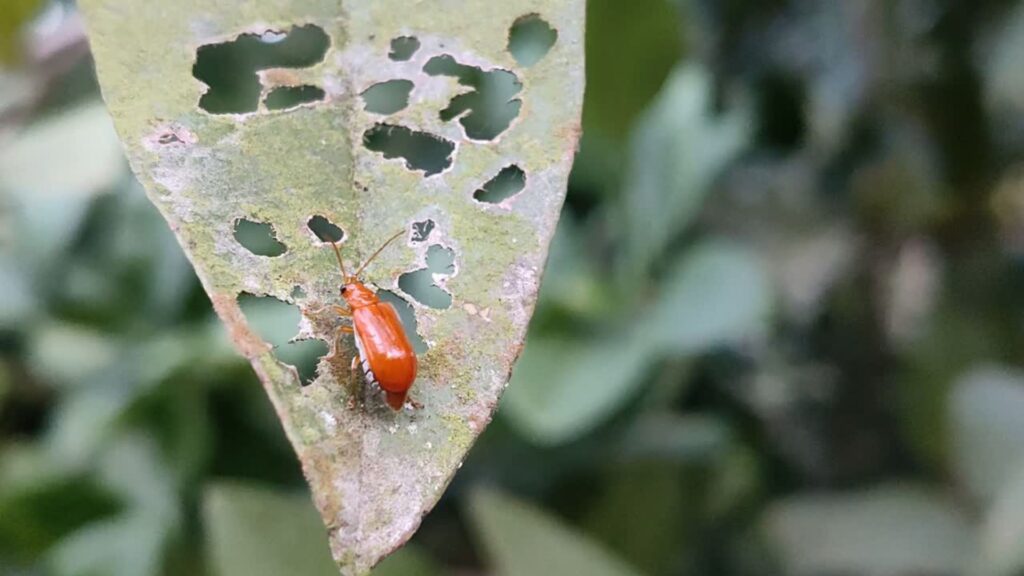
There are several effective techniques for identifying plant diseases early. First, regular inspection of your plants is crucial. Look for unusual changes in color, texture, or growth patterns. For example, yellowing leaves might indicate overwatering or nutrient issues, while dark spots could signify fungus. Additionally, using a magnifying glass can help you spot minute pests or fungal growth that may be invisible to the naked eye. This attention to detail can make all the difference in catching diseases before they spread.
Moreover, utilizing diagnostic tools like soil tests can provide insights into nutrient levels and pH balance, which are vital for plant health. Soil health is often the foundation of a thriving garden, and understanding its composition can help you make informed decisions about amendments and treatments. For more comprehensive guidance, resources like the Diagnosing Disease in Plants: A Beginner’s Guide can help gardeners identify various plant diseases effectively. Additionally, knowledge of common symptoms and their associated diseases can enhance your ability to recognize problems early. For practical tips and a breakdown of symptoms, check out Plant Disease Identification Made Simple – Seed Sheets.
By employing these techniques and staying vigilant, you can significantly improve your chances of catching diseases early, ensuring your garden remains healthy and productive. Ultimately, the combination of careful observation and informed decision-making will empower you to maintain a flourishing garden, free from the devastating effects of unchecked plant diseases.
Common Plant Diseases and Their Microscopic Signs
Recognizing common plant diseases and their microscopic signs is vital for any gardener or plant enthusiast. Each disease manifests unique characteristics that can be identified under a microscope, allowing for early intervention. These microscopic signs serve as the first line of defense, helping you detect potential issues before they escalate. Understanding these signs not only aids in protecting your plants but also enhances your gardening skills and knowledge. Moreover, being able to identify these signs can lead to more effective treatment strategies, ultimately resulting in healthier plants and a more productive garden.
In the following table, we summarize some of the most prevalent plant diseases along with their early microscopic signs. This comparison offers a clear overview, making it easier for you to identify issues quickly and accurately. By familiarizing yourself with these signs, you can develop a keen eye for early detection, which is crucial for maintaining the health of your garden.
| Plant Disease | Early Microscopic Signs |
|---|---|
| Powdery Mildew | White, powdery fungal growth on leaves, often appearing as fine white spots. Microscopic examination reveals hyphae and conidia. |
| Leaf Spot | Small, dark lesions on leaf surfaces. Microscopic analysis shows characteristic spores and fungal structures within lesions. |
| Root Rot | Dark, mushy roots that may smell bad. Under a microscope, you can see fungal mycelium and bacteria invading root tissues. |
| Downy Mildew | Yellow spots on the upper leaf surface with a downy, grayish growth underneath. Microscopy reveals the oospores and sporangia of the pathogen. |
| Bacterial Wilt | Wilting and yellowing leaves, often with a slimy texture. Microscopic examination shows clumps of bacteria in xylem vessels. |
| Anthracnose | Dark, sunken spots on fruits and leaves. Microscopic signs include conidia and hyphae of the fungus in the lesions. |
Fungal Diseases
Fungal diseases are among the most common culprits affecting plants. They thrive in damp conditions and can spread rapidly if not addressed promptly. For instance, powdery mildew is a frequent issue, particularly in humid environments. The microscopic signs of this disease, such as hyphae and conidia, are essential for identification. These structures are indicative of the fungal presence and can help in applying the correct treatment. Regularly inspecting plants for these signs can prevent a small problem from becoming a widespread infestation. Additionally, understanding the environmental conditions that favor fungal growth can help you take preventive measures, such as improving air circulation and reducing humidity around your plants.
Bacterial Infections
Bacterial infections can also wreak havoc on your garden if not caught early. One prominent example is bacterial wilt, which causes leaves to wilt and turn yellow. Observing the microscopic signs, such as bacterial clumps within plant tissues, is crucial for diagnosis. These signs can often be overlooked, making it essential to conduct thorough inspections. The earlier you identify these microscopic signs, the more effective your treatment options will be. For further guidance on detecting early symptoms of plant diseases, check out detecting early symptoms of plant diseases. Furthermore, implementing good cultural practices, such as crop rotation and proper sanitation, can significantly reduce the risk of bacterial infections in your garden.
By understanding the microscopic signs associated with common plant diseases, you empower yourself to take proactive measures. Whether it’s a fungal infection or a bacterial issue, swift identification can lead to timely treatment and healthier plants. Being vigilant and informed is key to maintaining a thriving garden. Additionally, sharing your knowledge with fellow gardeners can foster a community of awareness, where everyone benefits from improved plant health and gardening success.
Case Studies in Early Disease Detection
The journey toward effective early disease detection is often illuminated by successful case studies. These real-life examples highlight innovative strategies and methods that have led to significant improvements in plant health. By analyzing these cases, we can glean practical insights that can be applied to our own gardening practices. For instance, a community garden in California utilized a combination of soil testing and visual inspections to identify root rot in their tomatoes. Consequently, they implemented a targeted watering schedule and introduced beneficial microorganisms to the soil, leading to a remarkable recovery of their crop. This case exemplifies the power of early identification and adaptive management, demonstrating how proactive measures can transform a potentially devastating situation into a success story.
Successful Interventions
One notable case involved a vineyard in Oregon that faced a sudden outbreak of powdery mildew. The vineyard staff had been trained to recognize early signs, such as white fungal growth on the leaves. Upon identification, they swiftly applied organic fungicides, coupled with improved air circulation techniques. This proactive approach not only saved their yield but also minimized the need for chemical treatments, showcasing a commitment to sustainable practices. Moreover, the vineyard implemented a regular monitoring system, which included weekly inspections and the use of weather forecasts to anticipate disease outbreaks. Such interventions demonstrate that timely responses to early symptoms can result in successful cure methods, ensuring both the health of the plants and the integrity of the ecosystem.
Lessons Learned
From these case studies, several key lessons emerge. First, continuous education and training for gardeners and agricultural workers are vital. Equipping them with the knowledge to recognize early symptoms can lead to prompt action and effective interventions. For example, workshops and seminars can provide hands-on experience with identifying microscopic signs of diseases, thereby enhancing overall awareness. Additionally, investing in diagnostic tools and resources can enhance early identification capabilities. Utilizing mobile apps designed to identify plant diseases can empower gardeners to take immediate action, facilitating quicker responses to potential threats. Furthermore, sharing experiences and strategies within community networks fosters a collective understanding of best practices. This collaboration can lead to the development of community-specific guidelines that address local challenges. By adopting these lessons, we can cultivate healthier plants and more resilient gardens, ultimately contributing to a more sustainable agricultural landscape. For more details on identifying and managing plant diseases, check out Strategies for Identifying and Managing Plant Diseases.
Gardening Tips for Plant Health and Disease Prevention
Maintaining plant health and preventing diseases is crucial for a flourishing garden. By adopting specific gardening techniques, you can significantly reduce the likelihood of disease outbreaks. This proactive approach not only enhances your plants’ vitality but also creates a more resilient garden ecosystem. For example, understanding the ideal conditions for your plants can help you avoid stress factors that lead to disease susceptibility. Additionally, being aware of the environmental factors such as soil quality, light exposure, and temperature can further aid in creating an optimal growing environment.
Preventive Measures
One of the most effective preventive measures is to ensure proper spacing between plants. This practice enhances air circulation and reduces humidity levels, which are conducive to fungal growth. Moreover, choosing disease-resistant plant varieties can dramatically improve your garden’s health. For instance, many vegetables and flowers now come in hybrid forms that offer greater resistance to common ailments. Furthermore, regularly inspecting your plants for early signs of disease allows for swift intervention, ensuring that any issues are managed promptly. This vigilance can include looking for discoloration, wilting, or unusual spots on leaves, which may indicate underlying problems.
Additionally, practicing crop rotation is essential, especially for vegetable gardens. By changing the planting location each season, you can disrupt the life cycles of pests and pathogens, thus minimizing the risk of disease. Similarly, enhancing soil health through organic amendments, such as compost, provides essential nutrients that help plants withstand stress and disease. Incorporating cover crops can also improve soil structure and fertility, further supporting plant resilience.
Best Practices for Gardeners
To further promote plant health, maintaining a clean garden environment is vital. Regularly removing dead or diseased plant debris prevents pathogens from overwintering and spreading. Additionally, keeping tools sanitized can help avoid cross-contamination between plants. For example, using a bleach solution to clean tools between uses can be a simple yet effective step. This practice not only protects your plants but also contributes to a more organized gardening space.
Moreover, watering practices play a significant role in disease prevention. Watering plants at the base rather than overhead helps keep foliage dry, which is crucial in preventing fungal infections. You can also consider using mulch to retain moisture while suppressing weeds, which often harbor pests. Therefore, following these best practices can lead to a healthier garden overall. Furthermore, educating yourself about specific diseases that affect your plants can empower you to take preemptive measures, ensuring that your garden remains vibrant and productive.
For more comprehensive insights, explore the strategies for preventing the spread of diseases in plants. By incorporating these tips into your gardening routine, you’ll be well on your way to achieving optimal plant health and minimizing disease risks.
Tools and Resources for Identifying Plant Diseases
Tools and resources for identifying plant diseases have evolved significantly, making it easier for gardeners and farmers to ensure plant health. Utilizing these tools effectively can lead to early identification of issues, which is paramount for maintaining a thriving garden. With a multitude of options available, it’s essential to understand which resources can assist you best in diagnosing plant diseases. By leveraging these tools, you can not only enhance your gardening skills but also contribute to a more sustainable approach to plant care.
Interactive Tools for Plant Health Diagnosis
Interactive tools have become invaluable in the realm of plant health diagnosis. These resources often include mobile apps and online platforms that allow users to upload images of their plants. For example, tools like PlantSnap or PictureThis can analyze photos and provide real-time identification of potential issues. Furthermore, many of these apps offer advice on treatment options tailored to the specific disease identified. Thus, they empower users to take swift action, facilitating timely intervention that can save plants from more significant problems.
Moreover, platforms such as the Plant Disease Diagnostic Clinic offer detailed guides and diagnostic services that can help you understand symptoms better. Engaging with these interactive resources not only enhances your knowledge of plant diseases but also builds your confidence as a gardener. Additionally, these tools often provide visual references, which can be particularly helpful for recognizing symptoms on-site. Consequently, the combination of technology and education ensures that you are well-equipped to tackle plant health challenges effectively.
Quizzes for Diagnosis
Quizzes are another engaging resource for plant disease identification. Many educational websites offer quizzes that help you assess your knowledge of various plant ailments. For instance, you might find quizzes that present symptoms, asking you to identify the associated disease. This method not only reinforces your understanding but also allows for early identification skills to develop in a fun and interactive way.
Taking part in these quizzes can enhance your diagnostic abilities, making it easier to spot issues in your garden. Furthermore, some quizzes are designed by agricultural extensions or universities, ensuring that the information is accurate and reliable. By participating in these assessments, you can track your progress and identify areas where further study may be beneficial. For more comprehensive details on plant diseases and their management, you can explore the Plant Disease Identification and Control – Penn State Extension. By utilizing quizzes along with other tools, you create a well-rounded approach to plant health diagnosis, equipping yourself with the knowledge needed for early identification of potential threats to your plants.
Incorporating these resources into your gardening routine not only fosters a proactive mindset but also encourages a deeper connection with your plants. As you become more adept at recognizing symptoms and understanding their implications, you will likely find that your garden flourishes, leading to a more rewarding gardening experience overall.
Wrapping Up: The Importance of Early Plant Disease Identification
In summary, the early identification of plant disease is paramount for sustaining the health and vitality of your garden. Recognizing subtle, microscopic signs allows gardeners to take proactive measures, ensuring that issues are tackled before they escalate into larger problems. By understanding these indicators, you equip yourself with the necessary tools to protect your plants effectively and maintain a flourishing garden environment.
Moreover, timely action not only minimizes damage but also conserves resources, reducing the reliance on harsh chemicals and promoting a more sustainable gardening approach. For instance, addressing a minor fungal infection early can prevent the need for extensive treatments later, saving both time and money. This proactive mindset can significantly enhance your gardening experience, as early interventions are often less costly compared to addressing a full-blown infestation.
Therefore, I encourage you to remain vigilant and informed about the signs of plant disease. Regularly inspect your plants to catch any irregularities early on. Additionally, consider keeping a gardening journal to track changes and symptoms over time, which can help you identify patterns and potential issues more effectively. Finally, remember that a healthy garden starts with awareness; the sooner you identify potential problems, the better your plants will thrive. Embrace early identification as a vital part of your gardening routine, paving the way for a flourishing and resilient garden that can withstand the challenges posed by plant diseases.