Garden diseases can indeed be a gardener’s worst nightmare, often sneaking in and wreaking havoc on your plants before you even notice. Therefore, understanding these plant diseases is crucial for anyone looking to cultivate a thriving garden. Whether you’re a novice or have a few seasons of experience, learning to identify and manage these diseases will not only protect your current plants but also ensure a flourishing garden for years to come.
In this guide, we will explore the most common garden diseases, their symptoms, and effective prevention methods. Furthermore, you will discover practical tips for maintaining plant health, as well as strategies to mitigate the impact of disease when it does occur. By the end, you will be equipped with essential knowledge to tackle garden diseases confidently, enabling you to nurture a robust landscape that stands the test of time.
Common Types of Garden Diseases
Garden diseases can be classified into various categories, each with unique characteristics and symptoms. Understanding the types of diseases that can affect your garden will help you identify issues early and take necessary actions. For example, some diseases are caused by fungi, while others may be attributed to bacteria or viruses. By gaining insight into these types of diseases, you’ll be better prepared to manage and protect your plants effectively. Additionally, recognizing the environmental conditions that favor these diseases can further enhance your preventive measures, ensuring a healthier garden overall.
Fungal Diseases
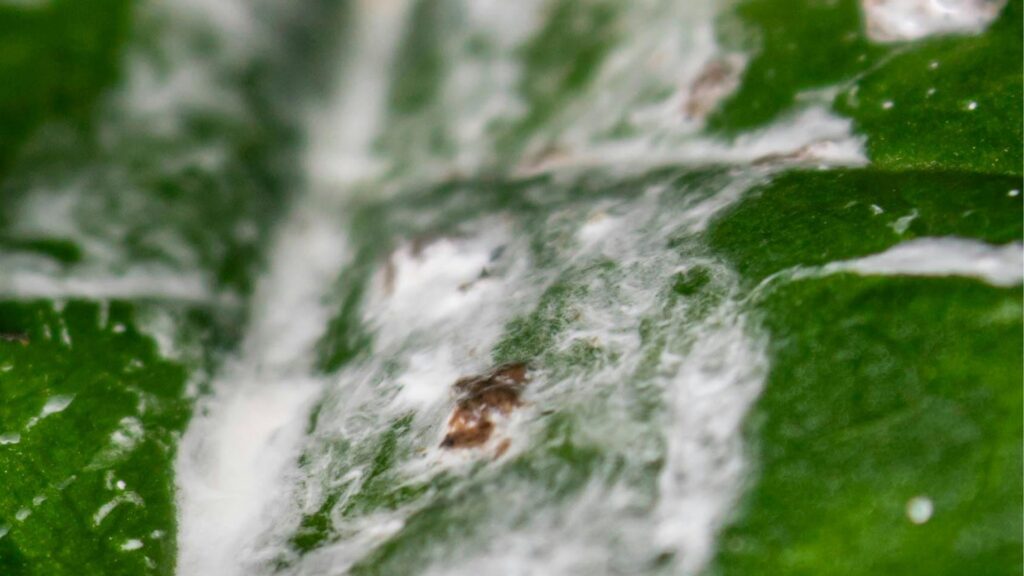
Fungal diseases are among the most prevalent types of plant diseases. They thrive in warm, damp conditions, making them particularly troublesome during humid weather. Common fungal infections include powdery mildew and root rot. Powdery mildew manifests as a white, powdery coating on leaves, while root rot often leads to wilting and yellowing foliage. To combat these issues, ensure proper air circulation, water plants at the base, and apply fungicides as needed. Moreover, practicing crop rotation can help reduce the buildup of fungal spores in the soil. Additionally, removing infected plant debris from your garden can significantly lower the risk of future outbreaks. By implementing these strategies, you can create a more resilient garden environment.
Bacterial Diseases
Bacterial diseases can devastate crops, leading to symptoms such as wilting, leaf spots, and overall stunted growth. Examples of bacterial diseases include bacterial blight and crown gall. Bacterial blight typically appears as dark spots on leaves, while crown gall causes galls, or growths, on roots and stems. To manage bacterial diseases effectively, practice crop rotation, avoid overhead watering, and sanitize tools to prevent the spread. Furthermore, introducing beneficial bacteria into the soil can enhance plant health and resistance to pathogens. For a deeper dive into specific issues, check out this resource on 23 Common Garden Diseases and How to Treat Them.
Viral Diseases
Viral diseases are often the most challenging to diagnose and treat. Symptoms may include mottled leaves, stunted growth, and distorted plant structures. Notable examples include cucumber mosaic virus and tobacco mosaic virus. Unfortunately, there are no direct cures for viral infections, and prevention is crucial. Plant healthy seeds, control pests that can transmit viruses, and remove infected plants promptly. Additionally, practicing good garden hygiene, such as cleaning tools and avoiding the sharing of plants, can help minimize the risk of viral outbreaks. By being vigilant and proactive, you can help keep your garden healthy and thriving.
Identifying Symptoms of Garden Diseases
Recognizing the symptoms of garden diseases early can be the difference between saving your plants and losing them entirely. Symptoms can vary widely depending on the specific disease affecting your garden, making it essential to familiarize yourself with the signs. By paying attention to these indicators, you can implement effective plant health management strategies to mitigate damage. This knowledge not only protects your current plants but also supports the overall health of your garden ecosystem. Additionally, understanding the nuances of these symptoms can help you differentiate between similar-looking issues, ensuring that you apply the correct treatment.
Moreover, understanding the common symptoms associated with various garden diseases allows you to act swiftly. Early intervention often leads to better outcomes and a quicker recovery for affected plants. For instance, if you notice a sudden yellowing of leaves, it could indicate a nutrient deficiency or a more serious disease. In the sections below, we’ll break down the typical symptoms seen in different garden diseases and provide a comparative overview to help you identify issues more accurately.
Common Symptoms Overview
Various garden diseases exhibit distinct symptoms that can help you pinpoint the issue. For instance, wilting leaves may suggest root rot, while unusual spots or discoloration can indicate fungal or bacterial infections. Additionally, stunted growth or leaf drop can signal a range of problems, including nutrient deficiencies or viral infections. Being aware of these symptoms can empower you to take timely action. Furthermore, some diseases may present multiple symptoms simultaneously, complicating diagnosis. Therefore, a comprehensive understanding of these signs is crucial for effective disease management.
To aid in your understanding, the following table outlines the symptoms associated with some of the most common garden diseases. This comparison can serve as a quick reference guide, enabling you to identify potential issues more efficiently.
| Disease Type | Common Symptoms |
|---|---|
| Fungal Diseases | White powdery spots, blight, rot |
| Bacterial Diseases | Water-soaked lesions, wilting |
| Viral Diseases | Mosaic patterns, stunted growth |
Understanding these symptoms can significantly enhance your plant health management approach. For instance, if you notice white powdery spots on your plants, you might suspect a fungal infection like powdery mildew. In such cases, prompt action is crucial to prevent further spread. Conversely, water-soaked lesions may indicate bacterial infections that require different treatment methods. Additionally, recognizing that some symptoms may overlap between different diseases can help you avoid misdiagnosis, which is vital for effective treatment.
In summary, recognizing the symptoms of garden diseases is vital for maintaining plant health. Familiarizing yourself with these indicators and acting swiftly can help you safeguard your garden. By staying vigilant and informed, you can create a proactive approach to plant health management. For more in-depth strategies, be sure to check out this guide for diagnosing plant diseases.
Effective Disease Management Strategies
Effective disease management strategies are essential for maintaining a healthy garden. By understanding various approaches, you can select the most suitable methods to protect your plants. Each strategy presents its own advantages and disadvantages; therefore, it is vital to evaluate them based on your specific needs. For instance, while some methods may be more environmentally friendly, others might yield quicker results. Consequently, being informed will empower you to make the right choices for effective disease management.
Cultural Practices for Disease Management
Cultural practices serve as the foundation of disease management. These methods include crop rotation, proper spacing of plants, and regular sanitation. First, crop rotation disrupts the life cycles of pathogens, thereby reducing the risk of disease recurrence. Additionally, ensuring adequate spacing promotes better air circulation, which can help prevent fungal growth. However, while these practices are effective, they often require careful planning and commitment over several growing seasons. Therefore, integrating cultural practices into your routine can be a long-term investment in your garden’s health.
Chemical Controls in Disease Management
Chemical controls, such as fungicides and pesticides, can provide immediate relief from garden diseases. These products are specifically designed to target certain pathogens, effectively minimizing their impact. For instance, applying a fungicide can help manage a severe outbreak of powdery mildew. Nevertheless, chemical controls come with drawbacks, including potential harm to beneficial insects and the risk of developing resistant strains of pathogens. Thus, it is crucial to use these chemicals judiciously and as part of a broader disease management strategy.
Organic Disease Control Methods
Organic disease control methods offer an eco-friendly alternative to chemical solutions. Techniques such as introducing beneficial insects, using compost, and applying neem oil can effectively manage diseases without harming the environment. For example, beneficial insects like ladybugs can help control aphid populations, which are often vectors for diseases. Moreover, organic solutions are generally safer for humans and pets. However, their effectiveness may take longer to manifest compared to chemical options. Consequently, blending organic methods with other strategies can yield the best results. For in-depth content on managing garden diseases, you can explore Managing Garden Diseases – WVU Extension.
Preventing Plant Diseases in Home Gardens
Preventing diseases in home gardens is crucial for maintaining plant health and ensuring bountiful yields. Implementing effective disease prevention techniques can save you time, effort, and resources in the long run. By proactively addressing potential threats, you can create a thriving environment for your plants. Moreover, understanding simple techniques can empower beginners to manage their gardens better, making the gardening experience more enjoyable and rewarding. A well-maintained garden not only produces healthy plants but also enhances the overall aesthetic of your outdoor space.
In this section, we will discuss essential preventive measures that every gardener can adopt. These techniques not only help in minimizing the risk of diseases but also promote overall plant vitality. Following these gardening tips can significantly improve your garden’s resilience against pests and diseases, allowing your plants to flourish. By integrating these practices into your gardening routine, you can cultivate a space that thrives year after year, reducing the likelihood of disease outbreaks.
Preventive Measures Overview
Preventing plant diseases involves a combination of practices that enhance plant health and reduce vulnerabilities. First, practicing crop rotation can disrupt the lifecycle of pathogens, making it harder for them to establish themselves in your garden. Additionally, maintaining proper soil health through composting and mulching enriches the soil, making plants less susceptible to diseases. Regularly inspecting plants for early signs of infection allows for swift action, while ensuring good drainage can help prevent conditions that encourage fungal growth.
Furthermore, compatible companion planting can deter pests and diseases naturally. For example, planting marigolds alongside vegetables can repel nematodes and other harmful insects. Consequently, keeping your gardening tools clean is essential, as contaminated tools can spread pathogens between plants. By incorporating these measures into your gardening routine, you set the stage for a robust garden that can withstand various challenges.
Table of Prevention Techniques
To illustrate effective disease prevention techniques, the following table outlines common diseases and corresponding prevention methods.
| Common Diseases | Prevention Techniques |
|---|---|
| Powdery Mildew | Ensure good air circulation; avoid overhead watering |
| Root Rot | Water at the base; improve soil drainage |
| Bacterial Blight | Use disease-resistant varieties; sanitize tools |
| Leaf Spot | Remove infected leaves; practice crop rotation |
| Downy Mildew | Apply fungicides; avoid dense plantings |
Implementing these techniques can significantly reduce the likelihood of disease outbreaks in your garden. For additional insights, consider exploring effective prevention techniques to further enhance your gardening knowledge. With these strategies in place, you’re well on your way to nurturing a healthy and disease-free garden. Remember, the key to successful gardening lies in prevention, vigilance, and a willingness to adapt your practices as needed. By fostering a proactive approach, you can enjoy the fruits of your labor while minimizing the impact of plant diseases.
Common Mistakes in Garden Disease Management
Managing garden diseases effectively is vital for any gardener; however, many fall into common pitfalls that can exacerbate problems. By recognizing these mistakes and learning how to avoid them, you can maintain a healthier garden. One frequent error is overwatering, which not only suffocates roots but also creates a breeding ground for fungi and bacteria. Moreover, employing proper watering techniques, such as checking soil moisture before watering, can significantly reduce the risk of diseases.
Overwatering and Its Consequences
Overwatering is a prevalent mistake among gardeners, often stemming from the desire to nourish plants. However, this practice can lead to root rot and other water-related diseases, particularly in poorly draining soils. When roots sit in saturated conditions, they become vulnerable to harmful pathogens. To avoid this, it is essential to ensure that your garden has well-draining soil and to water only when necessary. Checking the top inch of soil for dryness can effectively guide your watering schedule. By adjusting your techniques, you can foster a healthier root environment.
Overlooking Symptoms of Disease
Another common mistake is overlooking the early symptoms of garden diseases. Many gardeners notice changes in their plants but dismiss them as minor issues. Consequently, this can lead to a rapid spread of diseases. For instance, yellowing leaves may indicate nutrient deficiencies or disease, requiring immediate attention. Therefore, it is crucial to regularly inspect your plants for signs such as spots, wilting, or discoloration. By addressing symptoms promptly, you can take effective action before the problem escalates, ultimately saving your plants.
Neglecting Soil Health and Its Importance
Lastly, neglecting soil health is a mistake that can open the door to various garden diseases. Healthy soil is the foundation of a thriving garden, providing essential nutrients and supporting beneficial microorganisms. Consequently, regular soil testing and amendments, such as compost or organic fertilizers, are vital. Furthermore, rotating crops and practicing good sanitation can enhance soil health. For more information on plant diseases and management strategies, you can refer to Diseases and Disorders. By focusing on soil vitality, you can create a resilient environment that minimizes the risk of disease.
Your Action Plan for Healthy Plants
Ultimately, your action plan for healthy plants revolves around understanding and managing garden diseases effectively. By familiarizing yourself with the various types of plant diseases, you empower yourself to identify symptoms early, which is crucial for successful plant care. Remember, proactive management is key; regularly inspect your plants for signs of trouble, as early intervention can save your garden from extensive damage. For instance, noticing yellowing leaves or unusual spots can prompt timely action, preventing a minor issue from escalating into a major problem.
Moreover, adopting good cultural practices—like proper watering techniques and ensuring adequate air circulation—will significantly reduce the risk of disease. Additionally, rotating crops and selecting disease-resistant varieties can further enhance your garden’s resilience. Furthermore, don’t hesitate to utilize available resources, whether it’s literature, online forums, or local gardening groups, to expand your knowledge and learn from fellow gardeners’ experiences. Engaging with a community can provide valuable insights and tips that may not be found in books.
To summarize, equip yourself with the right tools and knowledge to nurture a thriving garden. Start implementing these strategies today, and watch your plants flourish as you minimize the risk of garden diseases. In doing so, you not only protect your current plants but also contribute to a healthier ecosystem. Embrace the journey of learning, and enjoy the rewarding experience of cultivating a vibrant garden. Remember, a healthy garden is a reflection of your dedication and care, so invest time in understanding and managing plant health effectively.