Flea beetles are tiny yet formidable pests that can wreak havoc on gardens and crops, causing significant damage in a remarkably short amount of time. These notorious insects are particularly attracted to young, tender plants, where they chew small holes in leaves, leading to stunted growth and reduced yields. Consequently, understanding how to identify flea beetle activity is crucial for gardeners and farmers alike, as early detection can make all the difference in mitigating their impact. Moreover, recognizing the specific plants that are more susceptible to these pests can aid in proactive management.
In this article, we will explore the various aspects of flea beetle damage, including how to recognize the signs of infestation and the effective control measures available. Furthermore, we will discuss specific strategies that can help protect your plants, such as natural deterrents, cultural practices, and the use of barriers. By gaining insight into the behavior and lifecycle of flea beetles, you will be better equipped to defend your garden against these persistent pests and ensure the health of your crops. Ultimately, this knowledge will empower you to take informed actions that can preserve the vitality of your garden.
Identifying Flea Beetle Damage: Recognizing the Symptoms
Recognizing flea beetle damage is essential for maintaining the health of your plants. These pests are notorious for their rapid feeding habits, primarily targeting young and vulnerable vegetation. Early identification of damage symptoms not only helps in managing infestations effectively but also protects your garden from significant loss. When observing your plants, keep an eye out for specific signs that indicate flea beetle activity, as quick action can prevent further harm. Understanding the nuances of flea beetle damage can empower you to take timely measures, ensuring your garden thrives despite these persistent pests.
Understanding Shotgun Holes
One of the most distinctive symptoms of flea beetle damage is the presence of what are known as “shotgun holes.” These small, round holes appear as if the leaves have been peppered with bullets, hence the name. The holes are typically about the size of a pinhead, resulting from the beetles’ feeding habits. As they chew on the foliage, they create these characteristic holes, which can weaken the plant over time. Furthermore, if you notice shotgun holes primarily on the leaves of your seedlings, it’s likely a sign of flea beetle infestation. This damage can hinder photosynthesis, ultimately stunting growth and reducing crop yields. To illustrate, a plant with extensive shotgun hole damage may struggle to produce fruit or flowers, leading to a disappointing harvest.
Other Symptoms of Flea Beetle Damage
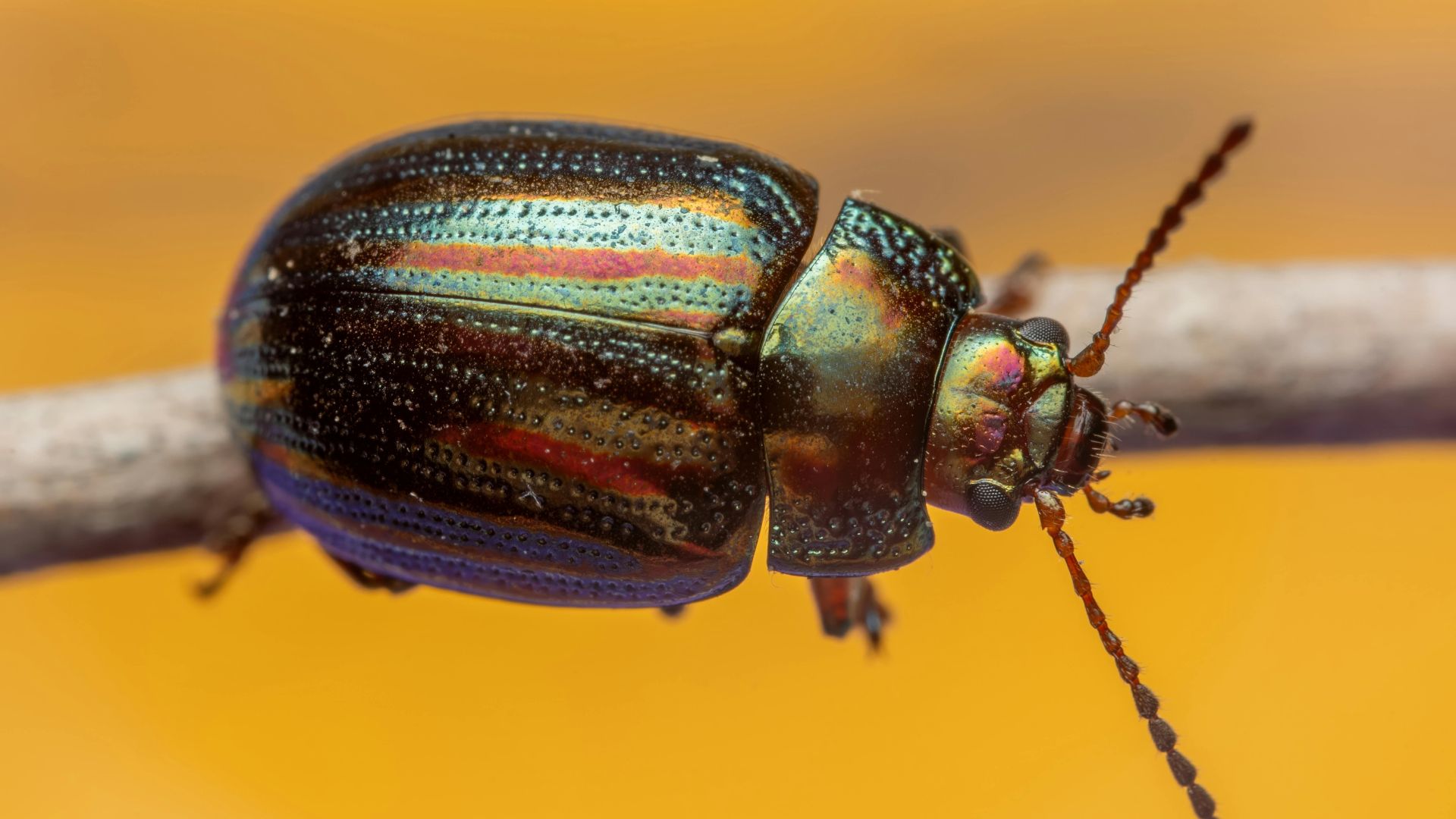
In addition to shotgun holes, other symptoms of flea beetle damage include discolored or wilting leaves. As the beetles feed, you may also notice a general decline in plant vigor. The leaves might appear ragged or have a tattered look, which can be particularly alarming for gardeners. Consequently, if you observe these symptoms, it’s crucial to assess the situation promptly. Moreover, the presence of flea beetles themselves—tiny, shiny, jumping insects—serves as a clear indicator of a problem. These pests are often most active in warm weather, making it essential to monitor your plants regularly during the growing season. For more details on identifying pest damage, check out this essential guide for identifying pest damage.
Additionally, you might find that certain plants are more susceptible to flea beetle damage than others. According to Penn State Extension, crops such as eggplant, radishes, and various greens are particularly attractive to these pests. Therefore, understanding the host plants and symptoms can help you take proactive measures to protect your garden. For instance, planting resistant varieties or employing companion planting strategies can significantly reduce the risk of infestation. By staying vigilant and informed, you can effectively manage flea beetle populations and safeguard your plants from further damage, ensuring a healthy and productive garden.
Comparing Different Flea Beetle Species and Their Damage
Flea beetles come in various species, each displaying unique behaviors and damage patterns. Understanding these differences is essential for effective management and protection of crops. Some flea beetles are more aggressive than others, and their specific feeding habits can significantly impact the health of plants. By comparing different species, we can gain insight into their specific damage characteristics, which is vital for anyone involved in agriculture or gardening.
For instance, the feeding behavior of flea beetles can vary not only by species but also by the type of crop they target. This variability necessitates a keen awareness of which species are prevalent in a given area and their preferred host plants. Consequently, monitoring these pests becomes crucial, especially during the early growth stages of crops when they are most vulnerable. Understanding the specific characteristics of each flea beetle species allows for tailored management strategies that can mitigate damage effectively.
Let’s delve into the specific types of flea beetles and their associated damage by reviewing the table below. This comparison will illustrate not only the species but also the distinct patterns of crop damage they cause.
Table of Common Flea Beetle Species
| Flea Beetle Species | Crop Damage Characteristics |
|---|---|
| Striped Flea Beetle | Creates elongated holes, primarily on cruciferous vegetables. |
| Western Flea Beetle | Causes significant defoliation, particularly on young plants. |
| Eggplant Flea Beetle | Targets eggplants, creating small, irregular holes. |
| Phyllotreta nemorum | Known for damaging leafy greens; often leaves a stippled appearance. |
| Black Flea Beetle | Prefers legumes and can lead to severe plant stress through aggressive feeding. |
In this table, each flea beetle species is listed alongside its specific damage characteristics. For instance, the striped flea beetle is notorious for leaving elongated holes in the leaves of cruciferous vegetables. This distinctive damage can help gardeners identify the pest quickly and take appropriate action. Similarly, the western flea beetle can cause extensive defoliation, particularly in young plants, making it crucial to monitor for their presence during early growth stages.
Specific Damage Patterns
The damage caused by flea beetles varies significantly between species, underscoring the importance of species comparison in pest management. For example, the eggplant flea beetle creates small, irregular holes specifically on eggplants, which can hinder the plant’s growth and fruit production. Moreover, the black flea beetle, which targets legumes, can lead to severe stress on plants, resulting in stunted growth and reduced yields.
Furthermore, the Phyllotreta nemorum species is particularly damaging to leafy greens, often leaving a stippled appearance that can be mistaken for other issues, such as nutrient deficiencies. This highlights the necessity of accurate identification to implement effective control measures. Consequently, recognizing these damage patterns can help determine which flea beetle species are affecting your crops and guide the appropriate control measures.
Additionally, for more information on identifying and managing pest damage in your garden, refer to our identification and prevention guide for pest damage. Understanding the nuances of flea beetles and their specific damage can empower you to protect your plants effectively, ensuring a healthier and more productive garden.
In conclusion, by familiarizing yourself with the various flea beetle species and their unique feeding habits, you can take proactive steps to safeguard your crops. This knowledge not only aids in early detection but also enhances your ability to implement targeted control strategies, ultimately leading to a more resilient and thriving garden ecosystem.
Effective Controls for Flea Beetles in Gardens
Effective controls for flea beetles require a multifaceted approach that emphasizes integrated pest management (IPM). This strategy combines various methods to minimize pest populations while safeguarding beneficial insects. By leveraging cultural practices, biological controls, and, when necessary, chemical interventions, gardeners can create an effective defense against flea beetles. Each of these methods plays a crucial role in establishing a balanced ecosystem within the garden, ultimately leading to healthier plants and reduced pest pressure.
Cultural control methods are the first line of defense against flea beetles. These practices focus on creating an environment that is less conducive to pest infestations. For instance, rotating crops annually can disrupt flea beetle life cycles, as these pests often return to the same plant families. Additionally, using row covers can physically block flea beetles from reaching young plants. To illustrate, planting trap crops, such as radishes or mustards, can lure flea beetles away from your main crops, effectively diverting their attention. Furthermore, maintaining healthy soil through composting and proper watering can enhance plant vigor, making them less attractive to pests. By utilizing these methods, you can reduce the likelihood of significant damage and bolster your garden’s resilience against these pests.
While cultural controls are vital, sometimes chemical intervention becomes necessary for effective controls. Insecticidal soaps and neem oil are popular options within organic gardening circles. They target flea beetles while being less harmful to beneficial insects. Moreover, applying these treatments early in the morning or late in the evening can enhance their effectiveness, as flea beetles are more active during these times. However, it is crucial to follow application guidelines to minimize any negative impact on the ecosystem. Additionally, consider using plant-based insect repellents that can deter flea beetles without harming other beneficial organisms. For additional information on specific chemical options, check out Flea beetles | UMN Extension, which offers practical tips on prevention and management strategies.
In summary, effective controls for flea beetles hinge on a blend of cultural and chemical methods. By implementing these practices, gardeners can achieve better insect management, ensuring their plants thrive despite the challenges posed by these persistent pests. For more insights and detailed approaches, consider exploring the insect control strategies for your garden. By proactively managing flea beetles, you can protect your garden and promote healthy growth, ultimately leading to a more productive and vibrant gardening experience.
Case Studies: Successful Flea Beetle Management
Effective management of flea beetles often takes inspiration from real-world experiences. Different settings have yielded valuable insights into successful strategies. By examining these case studies, we can identify what works and apply those lessons to our own gardens or agricultural practices. These practical examples not only highlight the effectiveness of various control measures but also encourage a proactive mindset among gardeners and farmers. Understanding the nuances of these case studies can empower individuals to tailor their pest management strategies to their unique environments, ultimately leading to healthier crops and gardens.
Real-Life Examples of Effective Control
A community garden in Ohio faced an overwhelming flea beetle infestation that threatened its crops. The gardeners implemented a multi-faceted approach to manage the issue. First, they planted companion crops, such as marigolds, which are known for their ability to repel the beetles. Additionally, they used floating row covers early in the season to physically block the pests from reaching vulnerable seedlings. This method not only protected the young plants but also created a microclimate that fostered growth. As a result, they observed significantly reduced damage and healthier plants throughout the growing season. This example highlights how combining multiple management strategies can lead to effective flea beetle control, showcasing the importance of adaptability in pest management.
In another case, a farmer in California found success by incorporating crop rotation into their pest management strategies. By alternating the types of plants grown each year, they disrupted the flea beetle lifecycle, making it harder for the pests to establish themselves. Moreover, the farmer introduced beneficial insects like ladybugs, which prey on flea beetle larvae. This approach not only reduced the flea beetle population but also enhanced biodiversity on the farm. Consequently, this integrated pest management strategy reduced reliance on chemical pesticides while maintaining crop health, demonstrating the effectiveness of ecological balance in pest control.
Lessons Learned from Flea Beetle Infestations
These case studies offer valuable lessons for managing flea beetles effectively. First and foremost, early intervention is crucial. Identifying the signs of flea beetles promptly can significantly minimize damage. Additionally, using a combination of strategies, such as companion planting and physical barriers, enhances overall effectiveness. Furthermore, implementing crop rotation not only disrupts flea beetle populations but also improves soil health, fostering a more resilient ecosystem.
Moreover, education plays a vital role in flea beetle management. For instance, resources like Flea Beetles – CSU Extension – Colorado State University provide important information on the characteristics and damage patterns of these pests. By staying informed and applying practical strategies, gardeners and farmers can develop a proactive approach to pest management. Furthermore, sharing knowledge within gardening communities can lead to collective success in managing flea beetle populations. By learning from successful case studies, we can implement effective management strategies that safeguard our plants from flea beetles, ultimately ensuring a thriving garden or farm.
Preventing Flea Beetle Infestations: Best Practices
Preventing flea beetle infestations is crucial for maintaining healthy gardens and crops. These pests are not only destructive but can also multiply quickly, making early prevention essential. By implementing best practices, you can significantly reduce the likelihood of an infestation. First, consider your planting methods and the timing of your crops. By planting seeds or seedlings later in the season, you can avoid the peak activity period of flea beetles, particularly in spring. Additionally, selecting resistant plant varieties can provide a natural buffer against these pests. For instance, certain cultivars of eggplant and tomatoes are known to be less attractive to flea beetles, thus reducing the risk of damage.
Cultural practices play a vital role in preventing flea beetles. For example, crop rotation is an effective strategy; by changing the location of your crops each season, you disrupt the life cycle of the beetles. This method not only minimizes the risk of infestations but also enhances soil health. Moreover, incorporating cover crops, such as mustard or buckwheat, can attract beneficial insects that prey on flea beetles, creating a natural balance in your garden ecosystem. Similarly, maintaining healthy soil through organic amendments can promote vigorous plant growth, thus making plants less susceptible to pest damage. Furthermore, practicing good garden hygiene, including removing debris and weeds, helps eliminate potential breeding grounds for flea beetles. Regularly tilling the soil can also expose larvae and pupae, reducing their numbers before they can mature into adults.
Monitoring and early detection are key components of effective pest control. Regularly inspecting your plants for signs of flea beetle activity can help you catch infestations before they escalate. For instance, check the undersides of leaves where adults often congregate. Additionally, sticky traps can be placed around your garden to capture beetles and assess their population levels. Consequently, if you notice significant beetle activity, you can take immediate action, such as introducing natural predators or applying organic insecticides. By staying vigilant and proactive, you can safeguard your plants against these persistent pests and foster a thriving garden environment. Furthermore, engaging with local gardening communities can provide additional insights and support for managing flea beetle populations effectively.
Your Action Plan for Managing Flea Beetle Damage
Ultimately, your action plan for managing flea beetle damage relies on early identification and effective control measures. By learning to recognize the distinctive symptoms of flea beetle activity, such as the characteristic “shotgun holes” in leaves, you can take swift action to protect your plants. Regular monitoring of your garden is crucial; indeed, early detection can significantly reduce the extent of damage.
To summarize, adopting proactive management strategies is essential. Implementing a combination of cultural practices, such as crop rotation and using row covers, alongside natural deterrents, can effectively minimize flea beetle populations. Furthermore, integrating these controls into your gardening routine helps create a resilient environment for your plants.
Therefore, take charge of your garden today: equip yourself with the knowledge of flea beetle management and remain vigilant against these pests. This proactive approach not only safeguards your crops but also enhances your overall gardening experience. By staying informed and prepared, you invest in the long-term health and productivity of your garden. Lasting success is achievable when you actively engage in flea beetle control and remain committed to protecting your plants.