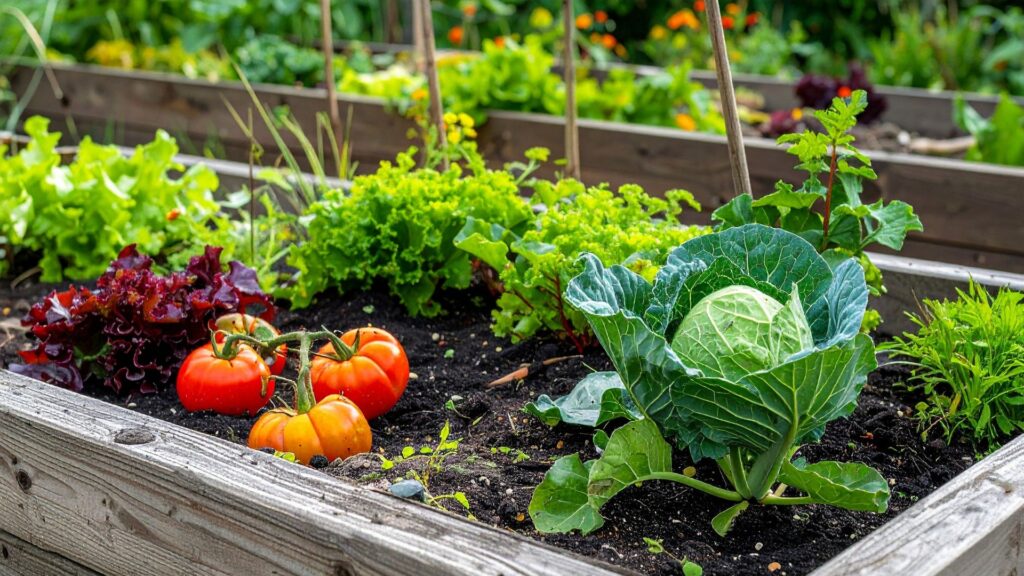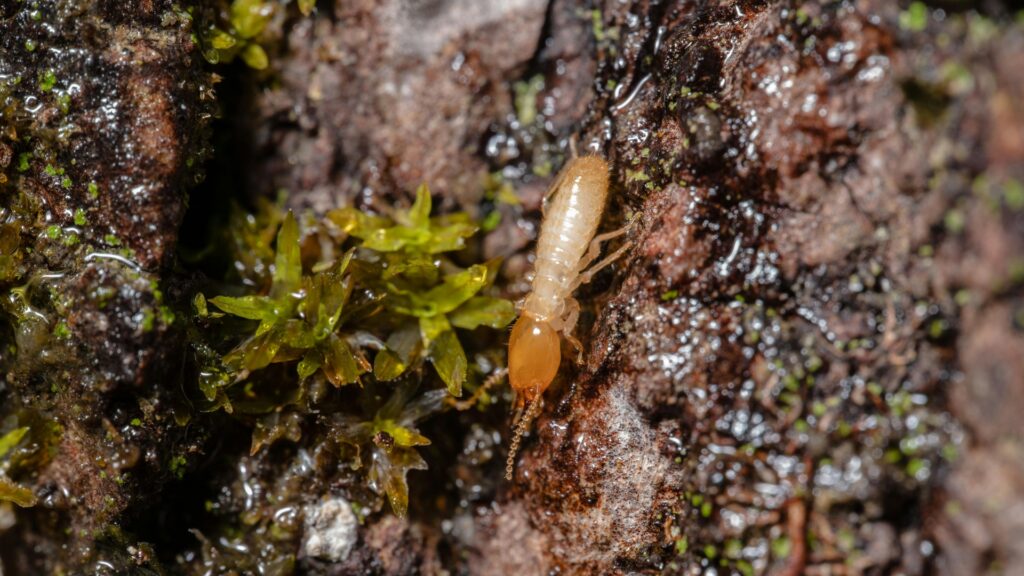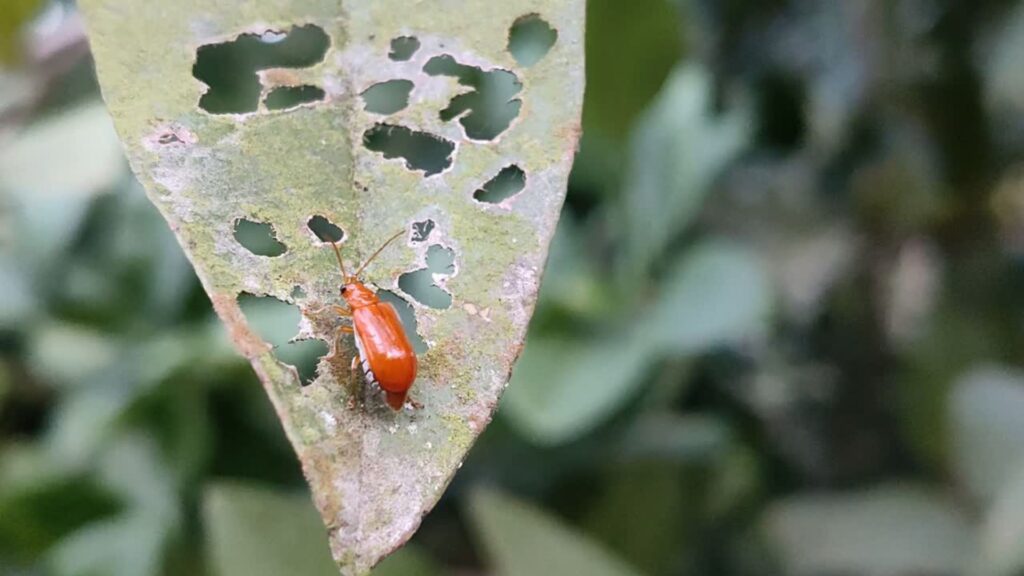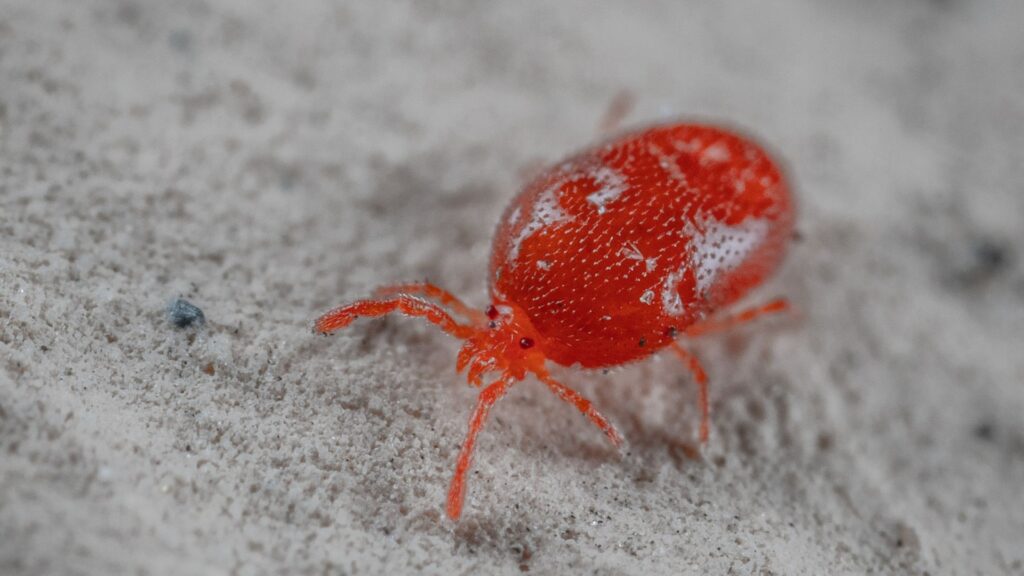
Identifying common plant problems can be a daunting task for any gardener. However, our Visual Pest & Disease Guide makes it easier than ever to navigate these challenges. By providing clear images and detailed descriptions, this guide will help you quickly recognize the pests and diseases that threaten your plants. Therefore, whether you’re a seasoned horticulturist or a beginner, understanding these issues is crucial for maintaining a healthy garden and ensuring your plants flourish.
In this article, you will discover various types of pests and diseases that commonly affect plants, along with effective solutions to combat them. For example, we’ll cover specific symptoms to look for, such as discoloration, wilting, or unusual growth patterns, as well as preventive measures you can take to protect your greenery. Additionally, we’ll delve into the impacts these problems may have on your plants, including reduced yield and overall vitality. Consequently, with our comprehensive pest guide and disease guide, you will gain the knowledge needed to keep your plants thriving and beautiful throughout the seasons.
Understanding Common Plant Problems: The Pest Guide
Understanding common pests and their signs is essential for any gardener aiming to maintain plant health. Various insects and diseases can invade your greenery, leading to stress and damage if not identified and managed promptly. It’s important to know what to look for in order to take effective action. Our visual guide serves as a handy tool, enabling you to spot these common pests quickly. By being proactive, you can safeguard your plants and promote a vibrant garden. Moreover, recognizing early signs of infestation can save you time, effort, and resources in the long run.
Identifying Common Pests
Recognizing common pests is the first step to ensuring your plants thrive. Aphids, spider mites, and whiteflies are frequent offenders in many gardens. For instance, aphids often gather on the undersides of leaves, sucking sap and causing leaf curling. Additionally, spider mites leave fine webbing, particularly in dry conditions. To illustrate, a sudden yellowing of leaves might indicate a pest problem. Thus, keeping an eye on your plants regularly can help you identify these nuisances early. Furthermore, monitoring your plants for unusual behaviors, such as stunted growth or wilting, can provide additional clues about potential pest issues. Moreover, using a visual guide will enhance your ability to pinpoint specific pests, allowing for quicker intervention. This proactive approach not only helps in managing current infestations but also prevents future outbreaks.
Impact of Pests on Plant Health
The impact of pests on plant health can be significant and varies depending on the pest type and infestation level. For example, heavy infestations can lead to stunted growth, wilting, and even plant death. Furthermore, pests like caterpillars can cause visible defoliation, reducing a plant’s ability to photosynthesize effectively. Consequently, this can weaken the plant, making it more susceptible to diseases. Therefore, maintaining vigilance and addressing pest issues promptly is crucial. Additionally, employing integrated pest management strategies, such as introducing beneficial insects or using organic pesticides, can significantly improve your garden’s resilience against these threats. For instance, ladybugs can help control aphid populations naturally. Ultimately, understanding the relationship between pests and plant health will empower you to keep your garden flourishing. By taking a holistic approach to pest management, you can ensure that your plants not only survive but thrive, contributing to a vibrant and healthy garden ecosystem.
Recognizing Plant Diseases: Your Essential Disease Guide
Recognizing plant diseases is essential for any gardener who wants to maintain a healthy garden. Plant diseases can stem from various sources, including fungi, bacteria, and viruses, each posing unique challenges. Understanding how these diseases affect plants can make a significant difference in your gardening success. Moreover, being informed about disease prevention in plants is crucial, as early detection and intervention can save your plants from serious damage. This guide serves as an illustrated reference, helping you identify and combat common plant diseases effectively. By familiarizing yourself with the symptoms and causes of these diseases, you can enhance your gardening skills and ensure a flourishing environment for your plants.
Common Plant Diseases
Several plant diseases are frequently encountered by gardeners, and recognizing them early is vital. For instance, powdery mildew is a fungal disease characterized by white, powdery spots on leaves. This disease thrives in warm, dry conditions and can spread quickly, leading to stunted growth and reduced yields. Additionally, root rot, often caused by overwatering, can devastate your plants if not addressed promptly. Symptoms include wilting and browning leaves, which can be mistaken for drought stress. Therefore, understanding these common plant diseases enables you to take swift action to mitigate their effects. Furthermore, diseases like blight and rust can also affect various plants, making it essential to stay informed about their specific symptoms and management strategies.
Symptoms to Watch For
Identifying symptoms of plant diseases can help you act before the problem becomes severe. Yellowing leaves, wilting, or unusual spots can indicate various issues. For example, if you notice dark brown spots surrounded by yellow halos on your plants, it may be a sign of leaf spot disease, typically caused by fungi or bacteria. Furthermore, if your plants exhibit stunted growth along with discolored leaves, consider the possibility of viral infections, which can be particularly challenging to manage. Consequently, being vigilant and observant will allow you to implement effective disease prevention in plants, ensuring your garden remains lush and healthy. Additionally, keep an eye out for unusual growth patterns, as these can also signal underlying problems that require immediate attention.
Preventive Measures
Taking preventive measures is key to maintaining a healthy garden. First, ensure proper watering techniques to avoid overwatering, which can lead to root rot. Additionally, providing adequate air circulation around your plants can help reduce humidity levels and deter fungal growth. Moreover, practicing crop rotation can minimize the risk of soil-borne diseases, as it disrupts the life cycles of pathogens. Regularly inspecting your plants for early signs of disease and promptly removing affected leaves can also prevent the spread of infections. By incorporating these strategies into your gardening routine, you can significantly enhance your plants’ resilience against diseases and promote a thriving garden.
Comparing Common Pests and Diseases: A Visual Guide
Identifying the differences between pests and diseases is paramount for any gardener looking to protect their plants effectively. While both can cause significant harm, understanding their distinct characteristics and symptoms can enhance your pest management strategies. Pests are typically living organisms, such as insects and mites, that invade plants and cause physical damage. Conversely, diseases are often caused by pathogens like fungi, bacteria, or viruses that disrupt plant health at a cellular level. This section will provide a clear comparison between common pests and diseases, equipping you with the knowledge to address these challenges effectively. By grasping these concepts, you will be better prepared to implement effective control measures.
Pest vs Disease Overview
In the realm of plant health, distinguishing between pests and diseases can often be challenging. Pests, such as aphids and caterpillars, tend to cause visible damage, like holes in leaves or stunted growth. Diseases, however, may manifest through symptoms like wilting, discoloration, or unusual growth patterns. Understanding these differences is crucial for effective treatment; for example, insecticidal soap can manage pest infestations, while fungicides are necessary for combating diseases. Therefore, a clear awareness of what you’re dealing with will empower you to take the right action quickly. Additionally, recognizing the life cycles of pests can aid in timing your interventions for maximum effectiveness.
Identifying Features
Identifying the symptoms of pests and diseases is key to effective plant care. To illustrate, pests often leave behind telltale signs such as frass (insect droppings), webbing, or visible insects on the plants. Diseases, on the other hand, may display symptoms like leaf spots, powdery mildew, or wilting without any visible insects present. Consequently, regular monitoring of your plants can help you catch these issues early. The table below summarizes the common pests and diseases, highlighting their symptoms and treatment options, making it a valuable resource for your gardening efforts. Furthermore, keeping a gardening journal to track symptoms and treatments can enhance your understanding of recurring issues.
| Type | Common Examples | Key Symptoms | Treatment Options |
|---|---|---|---|
| Pests | Aphids, Spider Mites | Leaf curling, Webbing | Insecticidal soap, Neem oil |
| Whiteflies, Caterpillars | Holes in leaves, Visible insects | Pesticides, Handpicking | |
| Diseases | Powdery Mildew, Rust | Wilting, Leaf spots, Discoloration | Fungicides, Proper air circulation |
| Root Rot, Blight | Yellowing leaves, Root decay | Soil drainage improvement, Fungicides |
This table serves as a quick reference pest guide and disease guide, enabling you to compare the most common plant problems effectively. By familiarizing yourself with these features, you not only enhance your ability to identify issues but also improve your response time to protect your plants. Moreover, understanding both pests and diseases ensures a holistic approach to garden care, ultimately leading to a healthier, more resilient garden ecosystem. Additionally, integrating cultural practices such as crop rotation and companion planting can further reduce the likelihood of pest and disease outbreaks, creating a more sustainable gardening environment.
Effective Pest Control Strategies: Gardening Tips
To maintain a flourishing garden, applying effective pest control strategies is vital. An eco-friendly approach to pest management not only protects your plants but also promotes biodiversity in your garden ecosystem. Utilizing organic pest control methods allows you to target harmful pests without harming beneficial insects or the surrounding environment. By integrating these practices into your gardening routine, you’ll be better equipped to nurture healthy plants while minimizing the risk of infestations. Furthermore, understanding the specific needs of your plants can enhance your pest management efforts, ensuring that your garden remains vibrant and productive throughout the growing season.
Organic Pest Control Methods
Utilizing organic pest control methods is an excellent way to manage unwanted visitors in your garden. For example, introducing beneficial insects like ladybugs and lacewings can significantly reduce aphid populations, as they feed on these pests. Moreover, using neem oil or insecticidal soap can effectively target pests while being safe for your plants. These organic solutions not only address existing infestations but also help in preventing future occurrences. Additionally, planting companion plants, such as marigolds or garlic, can deter harmful insects naturally. Thus, employing these methods is not only effective but also aligns with sustainable gardening practices. By fostering a diverse ecosystem, you can create a self-regulating environment that minimizes the need for chemical interventions.
Preventative Measures
Preventative measures are essential for successful plant care and pest management. First, maintaining healthy soil is crucial; enriched soil leads to robust plants that are more resilient to pests. Therefore, regularly adding compost or organic fertilizers enhances soil health. Furthermore, rotating your crops annually can disrupt pest life cycles, reducing the chances of infestations. Similarly, proper spacing between plants improves air circulation, which can help prevent diseases. To illustrate, overcrowded plants tend to attract pests and create a humid environment conducive to fungal infections. Consequently, by implementing these preventative strategies, you’ll foster a thriving garden that can withstand pest pressures effectively. Additionally, monitoring your plants regularly for early signs of distress can help you catch potential problems before they escalate.
Integrated Pest Management (IPM)
Integrated Pest Management (IPM) is a holistic approach to pest control that combines various strategies for optimal results. This method emphasizes understanding the life cycles of pests and their natural enemies, allowing you to make informed decisions. For instance, you might use traps to monitor pest populations and determine when intervention is necessary. Furthermore, IPM encourages the use of cultural practices, such as adjusting watering schedules or pruning, to create less favorable conditions for pests. By adopting an IPM strategy, you can effectively manage pest populations while minimizing environmental impact and promoting plant health.
In summary, effective pest control strategies hinge on using organic methods, adopting preventative measures, and implementing Integrated Pest Management. By being proactive in your gardening approach, you can ensure that your plants remain healthy and vibrant. Remember, the key to successful pest management lies in understanding your plants and their needs, which ultimately leads to a flourishing garden. Thus, integrating these gardening tips will empower you to tackle pest problems head-on while enjoying the beauty of your green space.
User Testimonials: Success Stories in Pest Management
User testimonials provide valuable insights into the effectiveness of various pest management strategies. By sharing their experiences, users help illuminate which methods have proven successful in tackling specific plant problems. These success stories not only inspire confidence but also guide others in making informed decisions about pest control. The feedback collected showcases a range of approaches, from chemical treatments to organic solutions, highlighting the diverse options available for gardeners.
To give you a clearer understanding of the pest control effectiveness of different methods, we’ve compiled a table below that features real-life testimonials and their corresponding success rates. This information can help you choose the best strategy for your gardening needs, ensuring that you select a method that aligns with your values and the specific challenges you face.
| Pest Control Method | User Testimonial | Success Rate |
|---|---|---|
| Chemical Spray | “After using the chemical spray, my aphid problem was gone in just a week!” | 90% |
| Organic Insecticidal Soap | “I was amazed at how quickly the soap worked on my spider mites.” | 85% |
| Neem Oil | “Neem oil saved my plants from whiteflies without harming beneficial insects.” | 80% |
| Diatomaceous Earth | “Using diatomaceous earth made a huge difference in controlling pests naturally.” | 75% |
| Traps | “The sticky traps effectively caught most of the pests, reducing their number significantly.” | 70% |
Real-Life Experiences
Gardener testimonials reveal the real-world impact of pest control methods, showcasing their journey through various plant problems. For instance, one user highlighted the rapid effectiveness of chemical sprays, reporting a 90% success rate with aphids. Conversely, another gardener found organic insecticidal soap to be equally effective against spider mites, showcasing an 85% success rate. These stories emphasize the importance of choosing the right method based on individual experiences and pest types. Moreover, they illustrate how different environments and plant varieties can influence the effectiveness of each approach.
What Works Best
When it comes to pest management, there isn’t a one-size-fits-all solution. Each method has its strengths and weaknesses, as illustrated in the testimonials. For example, neem oil has proven effective for many, particularly in addressing whiteflies while preserving beneficial insects. Meanwhile, diatomaceous earth offers a natural alternative that many gardeners prefer for its safety and effectiveness. Additionally, traps can provide a non-toxic solution for monitoring and reducing pest populations. Therefore, evaluating your specific plant problems and considering user experiences can guide you toward the most effective pest control strategy for your garden.
Choosing the Right Strategy
Ultimately, the choice of pest management strategy should reflect your gardening philosophy and the specific challenges you face. For instance, if you are concerned about chemical residues, opting for organic solutions like neem oil or insecticidal soap may be more suitable. Conversely, if immediate results are your priority, chemical sprays might be the best option. Thus, understanding the nuances of each method, as well as the experiences of fellow gardeners, can empower you to make informed decisions that enhance your gardening success.
Interactive Tools for Pest Identification
Identifying plant problems requires not only keen observation but also access to effective resources. Fortunately, interactive tools have emerged as invaluable allies for gardeners. These apps and platforms enable users to identify pests and diseases with just a few clicks. For instance, some applications allow you to photograph a plant issue and receive instant feedback on potential pests or diseases through advanced image recognition technology. Consequently, these tools simplify the process of diagnosis, which is vital for maintaining plant health. Moreover, they often provide additional resources, such as treatment suggestions and preventive measures, enhancing the gardener’s toolkit.
Using Technology for Plant Health
Technology is revolutionizing the way we approach plant health and pest identification. One popular app, PlantSnap, allows users to take photos of plants and provides instant identification, including potential pests. Similarly, apps like Garden Answers not only identify pests but also offer tailored advice on treatment options based on the specific plant species and environmental conditions. Furthermore, many of these tools come with extensive databases that include information on various insects and diseases, making them an excellent resource for both novice and experienced gardeners. Thus, technology enhances our ability to respond quickly to plant health issues, ensuring timely interventions that can save plants from severe damage.
Benefits of Interactive Guides
Interactive guides provide numerous benefits when it comes to insect identification. For example, they often include step-by-step processes that guide users through identifying specific symptoms. This structured approach makes it easier to pinpoint the exact problem affecting a plant. Additionally, many interactive tools allow users to input their observations, which can lead to more accurate diagnoses. Moreover, these tools frequently feature community forums where users can share experiences and solutions, fostering a shared learning environment. Therefore, using interactive tools not only aids in identification but also empowers gardeners to take informed actions, ensuring a healthier garden. By leveraging these resources, gardeners can cultivate a more resilient and thriving ecosystem, ultimately leading to greater satisfaction and success in their gardening endeavors.
Watch the Video

Maurice Buffer is a plant care researcher and horticulture writer at Flinkool. He focuses on plant health, pest prevention, and practical cultivation techniques that help gardeners grow healthier plants.