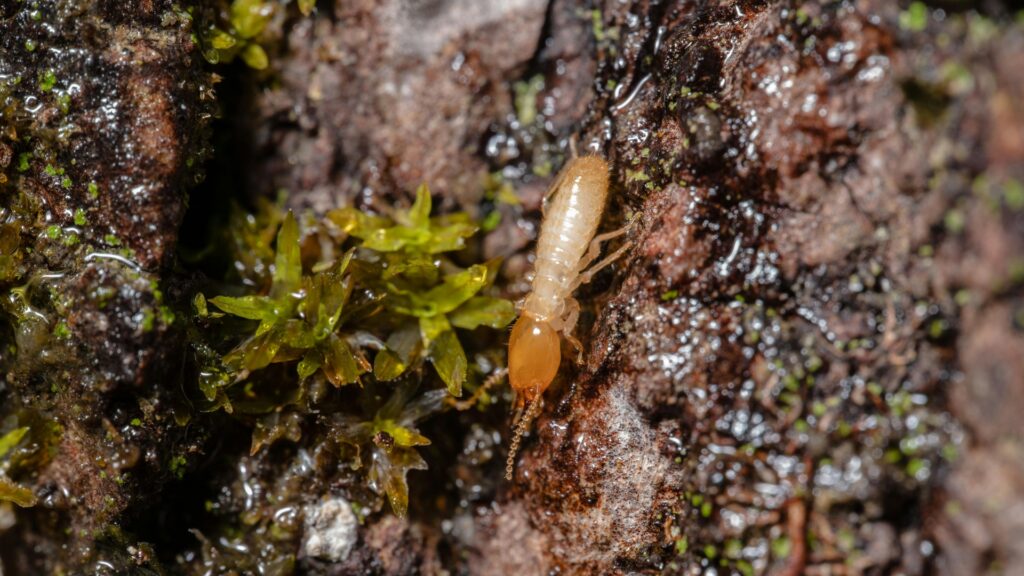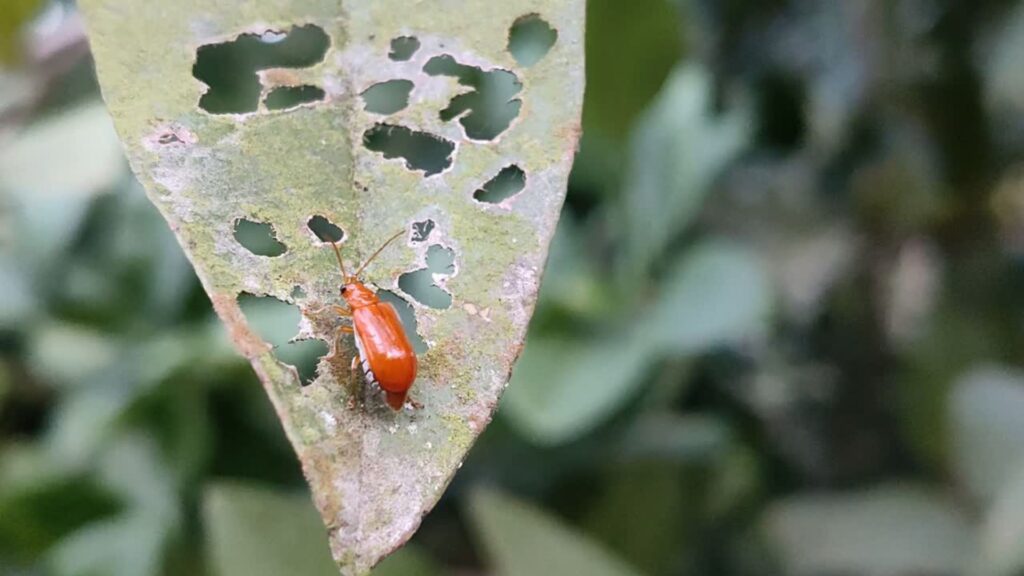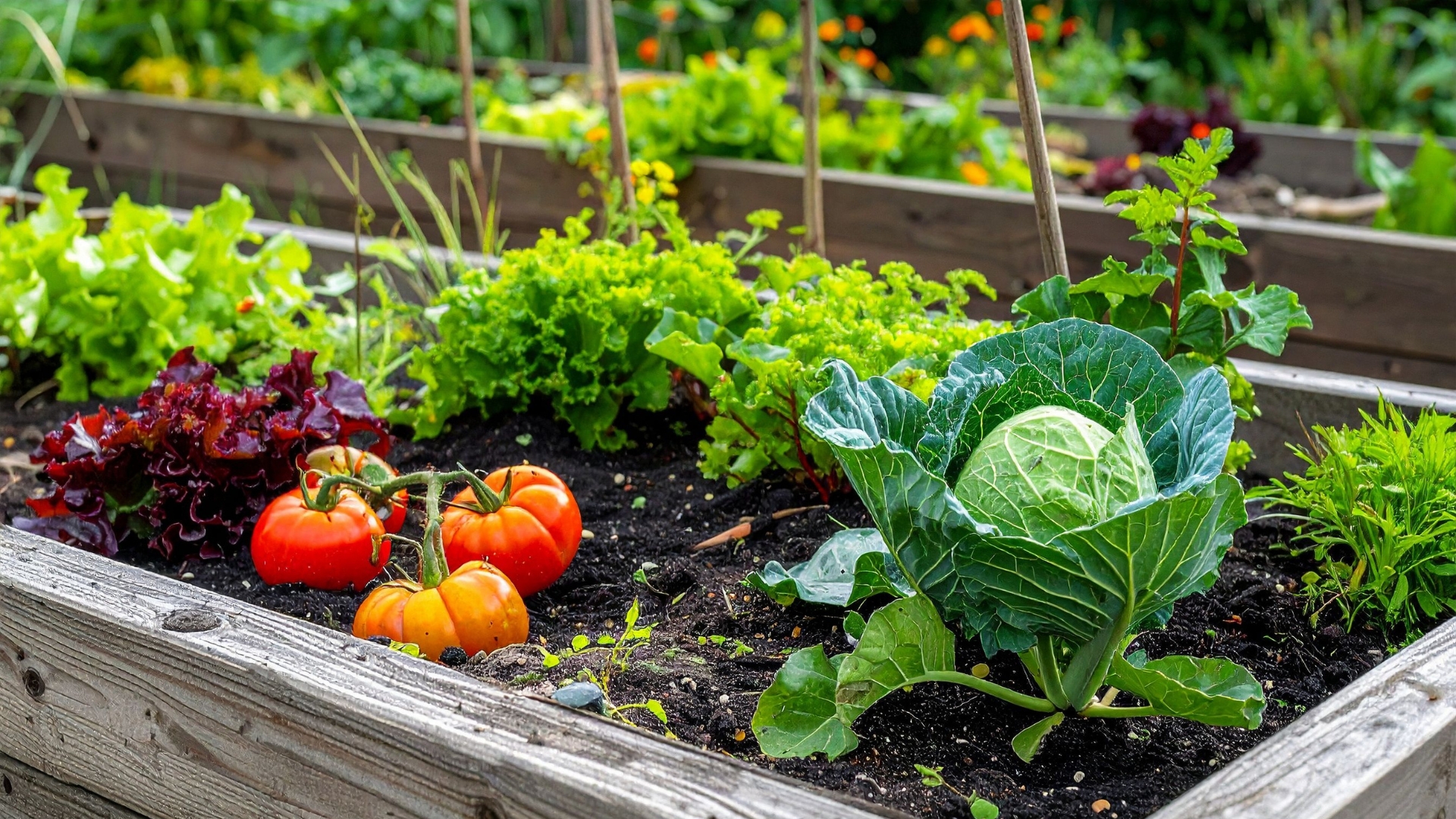
In every vegetable garden, unseen threats lurk, ready to undermine your hard work and compromise your harvest. For instance, pests stealthily munch on leaves, while diseases can devastate entire crops. Consequently, these challenges pose significant obstacles for gardeners. Therefore, understanding and addressing these issues is crucial for anyone who wants to enjoy a flourishing vegetable patch and reap the rewards of their gardening efforts.
In this article, we will explore the most common threats faced by vegetable gardens. Specifically, we will examine various types of pests, diseases, and environmental factors that can sabotage your plants. Furthermore, we will discuss effective preventive measures and solutions to ensure your garden remains healthy and productive. By the end, you’ll feel empowered to defend your beloved veggie patch against these garden threats. Indeed, with the right knowledge and tools, you can safeguard your garden and enjoy a bountiful harvest.
Understanding Common Enemies of Your Vegetable Garden
In the world of vegetable gardening, understanding the common enemies that threaten your crops is essential for a successful harvest. These enemies manifest primarily as garden pests and plant diseases, each capable of wreaking havoc on your plants. For example, aphids and caterpillars are notorious for damaging leaves and stems, while diseases like blight and powdery mildew can quickly decimate entire crops. Recognizing these threats early can significantly increase your chances of a bountiful harvest. Moreover, being proactive in your approach can save you time and resources, allowing you to focus on nurturing your plants instead of battling infestations or diseases.
Identifying Garden Pests
Garden pests are perhaps the most visible enemies of your vegetable garden. They come in various forms, from tiny insects to larger animals. Aphids, for instance, are small and often hidden under the leaves, sucking out vital plant juices. Additionally, slugs and snails tend to feast on tender seedlings, leaving unsightly holes in their wake. Furthermore, larger pests like rabbits and deer can pose a significant threat, munching on your vegetables and disrupting your hard work. To combat these pests, you can use physical barriers like row covers or introduce beneficial insects like ladybugs that prey on harmful pests. Hence, regular monitoring and quick action are key to keeping these garden villains at bay. Implementing integrated pest management strategies, such as companion planting, can also enhance your garden’s resilience against these threats.
Recognizing Plant Diseases
Plant diseases present a more insidious threat to your vegetable garden. They often spread through spores, water, or soil, making them difficult to control once established. Common diseases such as blight and root rot can lead to yellowing leaves, wilting plants, and ultimately, crop failure. To illustrate, blight can rapidly spread from one plant to another, especially in humid conditions. Additionally, fungal diseases thrive in damp environments, underscoring the importance of proper watering techniques. To reduce the risk of plant diseases, it’s essential to practice crop rotation, ensure proper spacing for airflow, and remove any diseased plant material promptly. Therefore, maintaining a clean garden environment is crucial in preventing these ailments from taking hold. Regularly inspecting your plants for early signs of disease can also help you take swift action, ensuring the health of your vegetable patch.
By familiarizing yourself with these common enemies, you can better protect your vegetable garden and ensure a thriving, productive growing season. With vigilance and the right strategies, you can create a robust defense against these garden threats, allowing your veggie patch to flourish.
First-Line Strategies for Garden Threats
To protect your vegetable garden effectively, implementing first-line strategies is essential. These strategies encompass not only pest control but also preventive measures against diseases that can threaten your crops. By employing organic gardening tips, gardeners can create a sustainable environment that minimizes the impact of these threats. This section explores various methods to manage pests and diseases, providing you with the knowledge to keep your garden thriving.
Effective Organic Pest Control Techniques
Organic pest control techniques focus on natural solutions to eliminate harmful insects without the use of synthetic chemicals. For instance, neem oil and insecticidal soaps can target a range of pests while being safe for beneficial insects. Additionally, companion planting can deter pests naturally; for example, planting marigolds alongside tomatoes can repel nematodes. Moreover, physical barriers, such as netting and traps, are effective ways to prevent pests from accessing your crops. Therefore, integrating these techniques into your gardening routine can significantly reduce pest populations while promoting a healthy ecosystem.
Proactive Preventive Measures for Plant Diseases
Preventing plant diseases requires proactive strategies that can help maintain the health of your garden. First, crop rotation is an effective method to disrupt disease cycles and prevent soil-borne pathogens from taking hold. Furthermore, ensuring proper air circulation around your plants can reduce humidity levels, which are conducive to diseases like powdery mildew. Additionally, regularly inspecting plants for early signs of disease can lead to timely interventions, such as removing infected foliage. Consequently, combining these preventive measures with good cultural practices will enhance your garden’s resilience against diseases.
Comparing Pest Control Methods
To compare the effectiveness of various pest control methods, the following table outlines different approaches and their impact on garden pests:
| Pest Control Method | Effectiveness | Notes |
|---|---|---|
| Neem Oil | Moderate to High | Safe for beneficial insects; requires reapplication |
| Insecticidal Soaps | High | Effective against soft-bodied insects; non-toxic |
| Companion Planting | Variable | Depends on plant combinations; promotes biodiversity |
| Physical Barriers | High | Immediate protection; requires installation |
| Beneficial Insects | Moderate | Effective long-term; relies on habitat support |
This table highlights the varying effectiveness of different pest control methods. While some methods, like insecticidal soaps, offer high effectiveness, others, such as companion planting, may vary depending on the specific plants involved. Consequently, integrating multiple strategies will provide a more comprehensive defense against garden threats, ensuring that your vegetable patch remains healthy and productive.
Conclusion: A Holistic Approach to Garden Threats
In summary, addressing garden threats requires a holistic approach that combines various strategies. By employing organic pest control techniques, implementing preventive measures for plant diseases, and understanding the effectiveness of different methods, you can create a thriving vegetable garden. Therefore, remain vigilant and proactive in your gardening efforts. With the right knowledge and tools, you can safeguard your garden and enjoy a bountiful harvest.
Seasonal Threats to Your Veggie Patch
Seasonal threats to your veggie patch can significantly impact your harvest, making it essential to stay vigilant throughout the year. As the seasons shift, different challenges arise, ranging from environmental changes to pest invasions. By understanding these seasonal threats, you can implement effective vegetable garden care strategies to ensure a thriving garden. Preparation and proactive management are key. Therefore, it’s crucial to familiarize yourself with the threats specific to each season, allowing you to take timely action. This awareness not only helps in protecting your crops but also enhances your overall gardening experience.
Spring Threats: Preparing Your Garden
As winter ends, the arrival of spring brings new life to your garden, but it also introduces various threats. For instance, early pests like aphids and spider mites begin to emerge, seeking tender new growth. Moreover, the transition in temperatures can lead to unexpected frosts, which can damage young plants. To prepare your garden effectively, consider planting cold-hardy varieties and using row covers to protect emerging seedlings. Additionally, regular inspections will help you catch pests before they become a larger issue. Consequently, implementing these strategies in spring can set a strong foundation for your vegetable garden care throughout the growing season. Furthermore, enriching the soil with organic matter during this time can promote healthy plant growth and resilience against pests.
Summer Challenges: Managing Heat and Pests
Once summer arrives, the challenges shift primarily to heat stress and increased pest activity. High temperatures can cause plants to wilt or become sunburned, leading to reduced yields. To mitigate this, ensure proper watering practices by providing deep, consistent irrigation early in the morning or late in the evening. Additionally, mulching around your plants can help retain moisture and regulate soil temperature. Summer is notorious for pests like squash bugs and tomato hornworms, which can rapidly destroy crops. Therefore, regular monitoring is essential. You can use organic pesticides or introduce natural predators to keep pest populations in check. By staying proactive during the summer months, you’ll not only protect your vegetables but also promote robust growth and productivity. Moreover, consider rotating your crops annually to disrupt pest life cycles and enhance soil health.
Case Studies: Successful Strategies from Experienced Gardeners
Effective gardening often hinges on learning from the experiences of others. Many seasoned gardeners have faced numerous challenges, particularly with pests and diseases that threaten their vegetable crops. By analyzing their strategies, we can glean valuable insights into organic pest control for vegetable gardens and methods to manage plant diseases in vegetable gardens. Below, we explore two case studies highlighting successful approaches to these problems, providing practical solutions for any gardener. These examples not only showcase effective techniques but also emphasize the importance of adaptability and creativity in overcoming gardening obstacles.
Case Study 1: Overcoming Aphid Infestation
In one case, a gardener was faced with a severe aphid infestation that threatened her vegetable patch. She noticed the pests clustering on her tomatoes and cucumbers, which prompted her to take immediate action. To combat the aphids, she implemented an organic pest control strategy by introducing ladybugs, the natural predators of aphids. Furthermore, she applied neem oil, an effective organic solution that disrupts the life cycle of these pests. Consequently, within a few weeks, she observed a dramatic reduction in the aphid population, allowing her plants to thrive once more. This case illustrates the power of beneficial insects and natural remedies in managing pest issues effectively. Additionally, she learned the importance of monitoring her plants regularly, which helped her catch the infestation early and prevent further damage.
Case Study 2: Tackling Fungal Diseases
Another gardener encountered significant challenges with fungal diseases, particularly powdery mildew on his squash plants. This common ailment can spread rapidly and devastate crops if not addressed promptly. To tackle this issue, he adopted a proactive approach by ensuring adequate air circulation around the plants and avoiding overhead watering, which can promote fungal growth. Additionally, he applied a homemade solution made of baking soda and water, which effectively inhibited the spread of the disease. As a result, his squash plants recovered, and he successfully harvested a plentiful crop that season. This case underscores the importance of preventive measures and natural treatments in managing plant diseases. Moreover, he shared his experience with fellow gardeners, emphasizing the value of community knowledge in overcoming similar challenges.
| Case Study | Key Strategies | Outcomes |
|---|---|---|
| 1 | Introduced ladybugs, used neem oil | Significant reduction in aphid population |
| 2 | Improved air circulation, baking soda | Recovery from powdery mildew, successful harvest |
These case studies illustrate the effectiveness of organic pest control and disease management techniques. By learning from the experiences of others, gardeners can develop their own strategies to protect their crops. For example, integrating beneficial insects and creating a healthy growing environment can lead to successful outcomes. Moreover, using natural remedies not only supports plant health but also promotes a sustainable gardening practice. Therefore, considering these methods can enhance your gardening success significantly.
Furthermore, these examples highlight the importance of resilience and continuous learning in gardening. Each gardener faced unique challenges, yet they adapted their strategies based on the specific threats to their vegetable gardens. By sharing their experiences, they contribute to a collective knowledge base that empowers others to tackle similar issues. In essence, the journey of gardening is not just about the harvest; it is also about the lessons learned along the way. Consequently, aspiring gardeners can draw inspiration from these case studies, applying the insights gained to cultivate their own thriving veggie patches.
Gardening Tips for Sustainable Practices
Creating a thriving vegetable garden goes beyond just planting seeds and watering them. To truly enhance the resilience of your veggie patch, implementing sustainable gardening practices is essential. These methods not only promote a healthier ecosystem but also minimize reliance on chemical fertilizers and pesticides. Therefore, adopting these practices will benefit both your garden and the environment.
Additionally, it’s important to understand that sustainable gardening is about working with nature rather than against it. For example, using organic compost instead of synthetic fertilizers can improve soil health and increase nutrient availability for plants. Moreover, practicing crop rotation helps prevent soil depletion and reduces the risk of disease. By diversifying your plantings each season, you can improve soil structure and provide a more robust environment for your vegetables. This approach not only enhances the productivity of your garden but also contributes to long-term sustainability.
Integrating Companion Planting
One effective sustainable gardening practice is companion planting. This method involves pairing certain plants together to enhance growth and deter pests. For instance, planting marigolds alongside tomatoes can help repel nematodes and other harmful insects. Similarly, basil is known to improve the flavor of tomatoes while also acting as a natural pest deterrent. By strategically selecting companion plants, you can create a more harmonious garden ecosystem, thus reducing the need for chemical interventions. Furthermore, this practice can lead to increased yields, as plants often thrive better when grown in the company of their beneficial counterparts.
Utilizing Natural Predators
Another valuable strategy is utilizing natural predators to manage pests. Encouraging beneficial insects, like ladybugs and lacewings, can significantly reduce pest populations in your garden. You can attract these natural allies by planting flowers such as dill, fennel, and yarrow, which provide food and habitat. Moreover, creating a balanced environment with diverse plants increases the chances of attracting these helpful insects. Consequently, this approach minimizes the need for pesticides and promotes a healthier garden ecosystem. Additionally, fostering a habitat for birds can also help control pest populations, as they feed on insects, further enhancing your garden’s resilience.
In summary, adopting sustainable gardening practices not only enhances the resilience of your vegetable patch but also fosters a more environmentally friendly approach to gardening. By integrating companion planting and utilizing natural predators, you can effectively protect your crops while supporting local biodiversity. Ultimately, these practices lead to a more productive and sustainable garden, ensuring that you can enjoy the fruits of your labor for years to come.
Final Thoughts on Protecting Your Vegetable Garden
Maintaining a thriving vegetable garden requires consistent vigilance against a variety of garden threats. These threats can manifest in numerous ways, including pests, diseases, and environmental stressors. Therefore, understanding the unique challenges your garden faces is essential for protecting your crops. By staying alert and informed, you can take proactive measures to shield your plants from potential harm.
To illustrate, implementing integrated pest management strategies can greatly reduce pest populations without harming beneficial insects. Additionally, regularly rotating your crops can help prevent disease buildup in the soil. Consequently, ongoing learning about gardening techniques and advancements can enhance your ability to combat threats effectively. For example, utilizing organic fertilizers can improve soil health, making plants more resilient to diseases.
Moreover, connecting with local gardening communities can provide invaluable insights and support. Sharing experiences and solutions with fellow gardeners can broaden your knowledge and inspire innovative approaches. Furthermore, participating in workshops or online forums can introduce you to new tools and methods for safeguarding your veggie patch. Ultimately, the key to a flourishing vegetable garden lies in your commitment to continuous improvement and proactive defense against garden threats. Embrace this journey, and you’ll be rewarded with healthier plants and a bountiful harvest, enriching both your table and your gardening experience.
Watch the Video

Maurice Buffer is a plant care researcher and horticulture writer at Flinkool. He focuses on plant health, pest prevention, and practical cultivation techniques that help gardeners grow healthier plants.