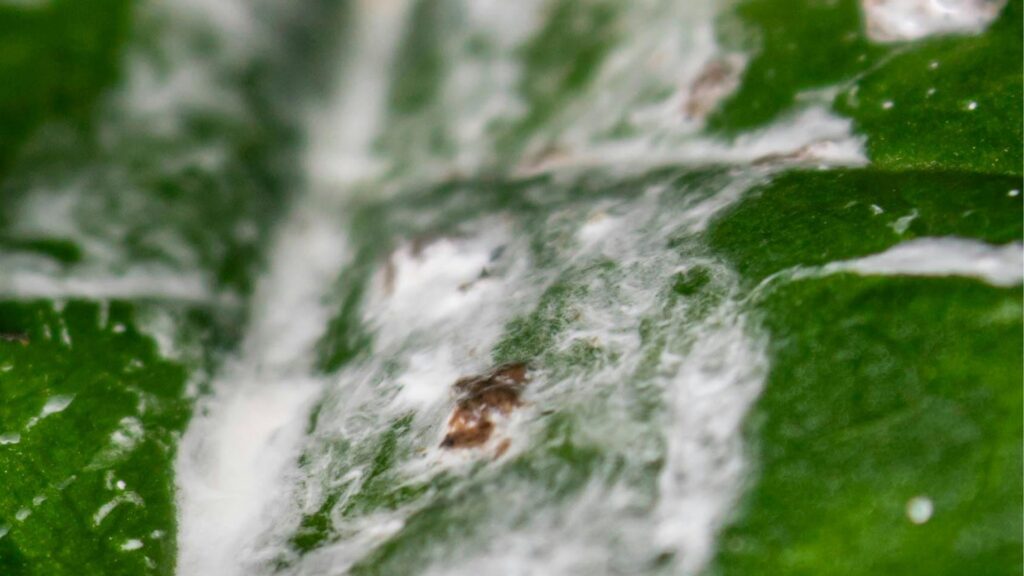
Bacterial and viral plant diseases present significant threats to agricultural productivity and plant health globally. These diseases can lead to devastating crop losses, impacting not only farmers but also local economies and food security. For example, bacterial infections may cause wilting, leaf spots, and decay, whereas viral infections often result in stunted growth and reduced yields. Therefore, understanding these diseases is crucial for developing effective management strategies that protect crops and promote sustainable agricultural practices.
In this comprehensive guide, we will explore the characteristics, symptoms, and transmission methods of both bacterial and viral plant diseases. Furthermore, we will examine the latest research, management techniques, and preventative measures that can be employed to mitigate their impact. Additionally, case studies will illustrate real-world examples of how farmers and researchers address these challenges. By the end of this article, you will gain a clearer understanding of how to identify these diseases and implement effective strategies to safeguard your plants and crops.
Common Bacterial Plant Diseases and Their Symptoms
Bacterial plant diseases are a significant concern for farmers and gardeners alike, as they can severely impact plant health and yield. When diagnosing these diseases, recognizing the symptoms is crucial for effective management. Common bacterial plant diseases can manifest in various ways, including leaf spots, wilting, and stunted growth. Consequently, understanding these symptoms can aid in timely disease diagnosis and intervention, ultimately preserving crop health and productivity.
Identifying Symptoms of Bacterial Infections
One of the primary symptoms to watch for is leaf spots, which may appear water-soaked and can progress to necrotic tissue. For example, bacterial leaf spot disease often leads to dark, angular spots on leaves, particularly in crops like tomatoes and peppers. These spots can expand rapidly, leading to significant leaf loss and reduced photosynthesis. Additionally, wilting can occur even when the soil is adequately watered, signifying a problem within the plant’s vascular system. This symptom indicates that bacteria are interfering with water transport, ultimately leading to plant decline. Therefore, it’s essential to monitor your plants closely for these signs to catch bacterial infections early and implement control measures promptly.
Common Bacterial Diseases in Crops
Several common bacterial diseases can affect a variety of crops. One notable example is bacterial blight, which primarily targets beans and can cause significant yield losses. Symptoms include yellowing of leaves followed by the formation of dark lesions. Similarly, bacterial wilt affects many crops, including cucumbers and tomatoes, leading to rapid wilting and death. This disease is particularly concerning because it often spreads through contaminated soil or water. Consequently, practicing good sanitation, such as cleaning tools and managing irrigation practices, can help minimize the risk of these diseases.
In addition to these examples, bacterial canker is another significant threat, particularly in stone fruits like cherries and plums. Symptoms include sunken, dark lesions on branches and cankers that may ooze during wet weather. To illustrate, effective disease diagnosis in these cases involves not only visual inspection but also laboratory testing when necessary. Moreover, understanding the environmental conditions that favor bacterial growth, such as high humidity and warm temperatures, can further aid in disease prevention. By recognizing the common bacterial plant diseases symptoms, growers can take proactive measures to protect their crops, ensuring healthy and productive plants for the future.
Preventative Measures and Management Strategies
To combat bacterial plant diseases effectively, it is essential to implement preventative measures. Crop rotation, for instance, can disrupt the life cycles of pathogens, reducing their prevalence in the soil. Additionally, using disease-resistant plant varieties can significantly decrease the likelihood of infection. Furthermore, maintaining proper irrigation practices, such as avoiding overhead watering, can minimize leaf wetness and reduce the risk of bacterial spread. By adopting these strategies, farmers and gardeners can create a more resilient agricultural system, ultimately leading to healthier crops and improved yields.
Exploring Viral Plant Diseases: Causes and Effects
Viral plant diseases pose a significant challenge for farmers and gardeners, often leading to substantial crop losses and economic setbacks. These diseases are caused by various viruses that infect plants, resulting in a range of symptoms that can severely hinder plant growth and productivity. Understanding the nature of these viral infections is essential for effective management and prevention. Consequently, early identification and intervention can save crops and ensure sustainable agricultural practices. Moreover, as global agricultural practices evolve, the threat of viral diseases continues to grow, necessitating a deeper understanding of their causes and effects.
Understanding Viral Infections in Plants
Viral infections in plants are caused by pathogenic viruses that replicate within host cells, disrupting normal plant functions. These viruses can be transmitted through various means, such as insect vectors, contaminated tools, or even infected seeds. For example, aphids are notorious for spreading the tobacco mosaic virus, a common viral disease affecting several plant species. Furthermore, once a plant is infected, it often becomes a reservoir for the virus, posing a risk to neighboring healthy plants. Therefore, recognizing the transmission methods is critical in curbing the spread of these infections. Additionally, environmental factors such as temperature and humidity can influence the severity of viral infections, making it essential for farmers to monitor conditions closely.
Symptoms of Viral Plant Diseases
Symptoms of viral plant diseases can vary widely, but they often share some common characteristics. Common signs include mosaic patterns on leaves, stunted growth, and abnormal leaf shapes. For instance, the cucumber mosaic virus can lead to mottled leaves and reduced fruit yield, significantly impacting crop quality. Additionally, yellowing of leaves and poor flowering are frequently observed symptoms. It’s important to monitor for these signs closely, as timely identification can lead to more effective management strategies. By understanding these symptoms, gardeners can take actionable steps to diagnose and mitigate the impact of viral plant infections, ensuring healthier plants and more productive harvests.
Moreover, the impact of viral diseases extends beyond individual plants; entire crops can be affected, leading to reduced marketability and increased production costs. For example, the presence of viral infections can necessitate the use of more pesticides, which can further strain a farmer’s resources. Consequently, implementing integrated pest management strategies that include regular monitoring and the use of resistant plant varieties can significantly reduce the risk of viral outbreaks.
Management Strategies for Viral Plant Diseases
Effective management of viral plant diseases requires a multifaceted approach. First, practicing good sanitation is crucial; this includes sterilizing tools and removing infected plants to prevent further spread. Additionally, crop rotation and planting resistant varieties can help mitigate the impact of viral infections. Furthermore, educating farmers about the symptoms and transmission of viral diseases can empower them to take proactive measures. For instance, workshops and training sessions can provide valuable insights into the latest research and management techniques. By fostering a community of informed growers, the agricultural sector can better combat the challenges posed by viral plant diseases, ultimately leading to healthier crops and improved yields.
Bacterial vs. Viral Plant Diseases: Key Differences
Bacterial and viral plant diseases exhibit distinct characteristics that significantly affect their management and impact on agriculture. Understanding these differences is essential for farmers and gardeners striving to protect their crops. While both types of diseases impede plant growth and productivity, their symptoms, transmission methods, and control strategies vary considerably. For instance, bacterial diseases are often characterized by water-soaked lesions and decay, while viral diseases commonly lead to stunted growth and mottled leaves. This section will explore these critical differences in detail, providing insights that can enhance disease management practices.
Overview of Bacterial Diseases
Bacterial plant diseases are usually caused by pathogenic bacteria that invade plant tissues, leading to various symptoms. For example, bacterial wilt can cause rapid wilting and death of the plant, while bacterial blight results in dark leaf spots and tissue necrosis. These diseases often spread through contaminated soil, water, and tools, making sanitation paramount. Importantly, managing bacterial diseases often involves using resistant plant varieties, applying appropriate pesticides, and practicing crop rotation. Additionally, regular monitoring for early signs of infection can help in implementing timely interventions. Consequently, understanding the specific bacterial pathogens can greatly enhance the effectiveness of control measures, ultimately leading to healthier crops and better yields.
Overview of Viral Diseases
On the other hand, viral plant diseases are caused by plant viruses that primarily infect the plant cells, leading to a range of symptoms that can severely affect crop yields. Symptoms often include yellowing, mottling, and leaf curling. For instance, the Tobacco Mosaic Virus (TMV) is notorious for causing mottled leaves and stunted growth in numerous plant species. Unlike bacterial diseases, viral infections are typically spread by insect vectors, such as aphids, or through mechanical means, such as contaminated tools or hands. Consequently, managing viral diseases focuses on controlling insect populations, using virus-free planting material, and implementing rigorous hygiene practices. Moreover, educating farmers about the life cycles of these insect vectors can further enhance management efforts, as understanding their behavior can lead to more effective control strategies.
To better illustrate the differences between bacterial and viral plant diseases, the following table summarizes their key features and symptoms:
| Feature | Bacterial Plant Diseases | Viral Plant Diseases |
|---|---|---|
| Symptoms | Leaf spots, wilting, decay | Yellowing, mottling, stunted growth |
| Transmission | Soil, water, contaminated tools | Insect vectors, mechanical means |
| Management Strategies | Resistant varieties, crop rotation | Insect control, hygiene practices |
Understanding these differences is crucial for effective plant disease management. Consequently, farmers can adopt tailored strategies to mitigate the impact of these diseases on their crops. By recognizing the symptoms and knowing the transmission methods, they can implement timely interventions, improving overall agricultural productivity. Furthermore, integrating both cultural and chemical control methods can provide a more comprehensive approach to managing these diseases, ensuring that crops remain healthy and productive throughout their growth cycles.
Management Strategies for Bacterial and Viral Infections
Managing bacterial and viral infections in plants requires a multifaceted approach tailored to specific audiences. Home gardeners and commercial growers face unique challenges, but both can benefit from effective prevention and management strategies. Prevention is particularly essential, as once infections take hold, they can spread rapidly and prove difficult to control. Therefore, understanding how to manage viral plant diseases and prevent infection spread in plants is crucial for maintaining plant health and ensuring the longevity of crops.
Management for Home Gardeners
For home gardeners, the first step in managing bacterial and viral infections is to maintain good cultural practices. This includes proper spacing of plants to allow adequate airflow, which can reduce humidity and the likelihood of infection. Moreover, using disease-resistant plant varieties can significantly lower the risk of encountering these issues. For instance, many tomato cultivars are bred to resist common viral infections like Tobacco Mosaic Virus. Additionally, practicing crop rotation can help break the disease cycle, particularly for soil-borne pathogens. Therefore, when planning your garden, consider rotating plant families each season to minimize the chance of reintroducing diseases.
Furthermore, hygiene is vital. Home gardeners should clean tools and equipment regularly, especially after working with infected plants. This simple action can prevent the spread of pathogens. To illustrate, disinfecting pruning shears with a bleach solution can significantly decrease the risk of transferring bacterial infections between plants. Additionally, monitoring plants for early symptoms enables timely intervention, such as removing affected leaves or even whole plants to contain the spread of infection.
Moreover, implementing companion planting can also be beneficial. Certain plants can repel pests or attract beneficial insects, thereby reducing the likelihood of infection. For example, planting marigolds alongside vegetables can deter nematodes and other harmful pests. Likewise, using mulch can help maintain soil moisture and temperature, creating an environment less conducive to disease development.
Strategies for Commercial Growers
Commercial growers face even more pressure to manage bacterial and viral infections effectively, given the scale of their operations. Implementing integrated pest management (IPM) strategies is essential. This approach combines biological, cultural, and chemical tactics to control diseases while minimizing environmental impact. For instance, introducing beneficial insects can help manage pests that may contribute to the spread of viral diseases.
Moreover, regular scouting is critical for early detection. Growers should establish a routine to inspect plants for signs of infection, such as unusual leaf discoloration or wilting. Consequently, rapid identification allows for prompt action, which can include applying targeted fungicides or bactericides when necessary. However, it’s crucial to follow label instructions carefully to avoid resistance buildup.
Additionally, investing in soil health is paramount. Healthy soil promotes robust plant growth, making crops less susceptible to diseases. Therefore, growers should consider soil amendments, such as compost or organic matter, to enhance soil structure and nutrient availability. Similarly, practicing good irrigation management can prevent waterlogging and reduce the risk of bacterial infections.
Furthermore, the use of technology can greatly enhance disease management. For example, employing sensors and drones can help monitor crop health and detect early signs of disease, allowing for timely interventions. Additionally, utilizing data analytics can assist in predicting outbreaks based on environmental conditions, thus enabling proactive measures.
In summary, whether you are a home gardener or a commercial grower, understanding how to manage viral plant diseases and preventing infection spread in plants is essential for maintaining a healthy garden or farm. By employing these tailored strategies, you can protect your plants from the threats posed by bacterial and viral infections, ensuring a thriving and productive environment.
Impact of Climate on Plant Diseases: Bacterial and Viral Perspectives
Climate plays a pivotal role in the spread and severity of bacterial and viral plant diseases. As temperatures rise and precipitation patterns shift, pathogens find new opportunities to thrive and spread. Understanding the intricate relationship between climate factors and plant infections is essential for effective agricultural management. This knowledge aids farmers in anticipating disease outbreaks, which can significantly impact agricultural productivity. For instance, warmer temperatures can enhance pathogen spread mechanisms, consequently leading to an increased incidence of diseases and subsequent crop losses.
Climate Factors Influencing Plant Health
Various climate factors, such as temperature, humidity, and rainfall, can substantially affect the prevalence of plant diseases. The following table summarizes how these elements influence bacterial and viral diseases:
| Climate Factor | Impact on Bacterial Diseases | Impact on Viral Diseases |
|---|---|---|
| Temperature | Warmer temperatures enhance the growth and reproduction of bacteria, increasing infection rates. | Viruses often thrive in warmer conditions, leading to faster transmission among plants. |
| Humidity | High humidity levels promote bacterial proliferation and survival, resulting in more severe outbreaks. | Humid environments facilitate viral spread through vectors like insects. |
| Rainfall | Excessive rainfall can create waterlogged conditions, fostering bacterial infections in crops. | Rain can aid in the dispersal of viral pathogens through splashing or runoff. |
Analyzing the impacts of these factors reveals that climate not only affects disease severity but also alters pathogen spread mechanisms. For instance, higher humidity levels can enhance the reproduction of bacterial pathogens, while rainfall can facilitate the movement of viral particles.
Real-World Implications of Climate on Plant Diseases
Recent case studies illustrate the real-world implications of climate on plant diseases. In regions experiencing increased rainfall, farmers have reported a rise in bacterial blight in crops like rice and potatoes. Conversely, in areas facing drought, viral infections have surged due to stressed plants being more susceptible to infection. Therefore, understanding these dynamics is crucial for developing adaptive strategies that can mitigate the impact of plant infections on agriculture. By tracking climate patterns, farmers can adopt proactive measures to protect their crops and enhance food security in an era of climate change.
Future Trends in Plant Pathology and Disease Management
The future of plant pathology and disease management is poised for remarkable innovations that will enhance crop health and resilience. With rapid advancements in technology and research, the agricultural landscape is evolving to address the challenges posed by bacterial and viral diseases. For instance, scientists are increasingly exploring genetic modifications and biotechnology to improve disease resistance in plants. This proactive approach not only safeguards yields but also promotes sustainable farming practices. Moreover, as climate change continues to alter growing conditions, developing robust crops is more critical than ever. This necessity drives research into understanding plant-pathogen interactions, which can lead to breakthroughs in disease management strategies.
Advancements in Disease Resistance
Researchers are making significant strides in enhancing disease resistance in plants through advanced breeding techniques and genetic engineering. For example, CRISPR technology allows for precise modifications in plant DNA, enabling scientists to develop varieties that can withstand specific pathogens. Consequently, these resistant varieties can substantially reduce reliance on chemical pesticides, promoting a more environmentally friendly approach to farming. Additionally, understanding plant immune responses at a molecular level opens new avenues for developing targeted disease management strategies. For instance, the identification of specific genes responsible for resistance can lead to the creation of crops that not only survive but thrive in the presence of pathogens. Therefore, investing in research on disease resistance leads to healthier crops and more resilient agricultural systems, ultimately ensuring food security in the face of growing global demands.
Innovative Crop Management Techniques
Innovative crop management techniques are transforming how farmers approach disease control. Integrated Pest Management (IPM) is gaining traction as a holistic strategy that combines biological, cultural, and chemical methods to manage plant diseases effectively. For instance, crop rotation and companion planting are practical strategies that disrupt disease cycles and enhance soil health. Moreover, the adoption of cover crops can improve soil structure and fertility, further reducing disease incidence. Furthermore, precision agriculture technologies, such as drones and sensors, enable real-time monitoring of crop health, allowing for timely interventions. These technologies can detect early signs of disease, enabling farmers to act before significant damage occurs. Thus, combining these techniques with ongoing research on disease resistance will empower farmers to optimize their practices and ensure sustainable crop yields, ultimately contributing to global food security. As the agricultural sector continues to innovate, the integration of technology and sustainable practices will be essential in combating the challenges posed by bacterial and viral plant diseases.