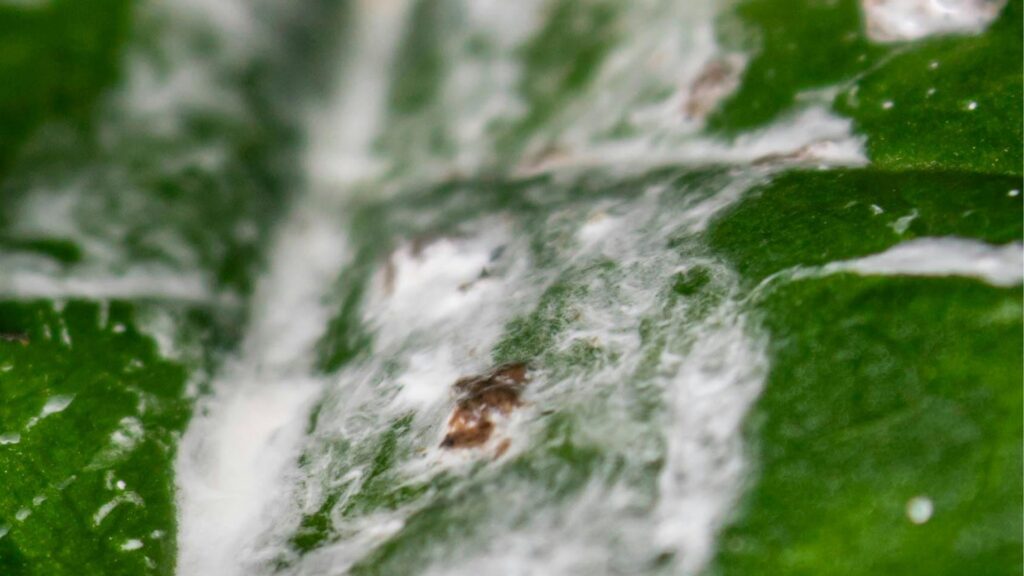
The impact of climate on plant diseases is a vital aspect of understanding agricultural health and productivity. Changes in temperature, humidity, and rainfall patterns significantly influence the development and spread of various plant diseases. Therefore, it is essential for farmers and gardeners to grasp these dynamics. For instance, increased humidity can create favorable conditions for fungal infections, while extreme temperatures can stress plants, making them more susceptible to disease.
Additionally, this article examines how specific climate factors, such as humidity and rainfall, interact with plant physiology to either promote or hinder disease outbreaks. We will explore the relationship between different climate conditions and their effects on crop health, providing insights into preventive measures and management strategies. By understanding these connections, you will be better equipped to protect your plants from the adverse effects of changing climates.
Understanding How Climate Influences Plant Diseases
Understanding how climate influences plant diseases is pivotal for sustainable agriculture. Various climate factors, such as humidity, temperature, and rainfall, interact in complex ways to affect plant health. For instance, high humidity levels can lead to excessive moisture on leaves, creating an ideal environment for fungal pathogens to thrive. Additionally, fluctuations in temperature can either accelerate or decelerate the growth of these pathogens, thereby influencing disease severity. Consequently, recognizing these interactions can aid in devising effective management strategies for plant diseases.
The Role of Humidity in Plant Diseases
Humidity plays a significant role in the proliferation of plant diseases. When humidity levels rise, moisture accumulates on plant surfaces, creating a conducive environment for pathogens like fungi and bacteria. For example, diseases such as powdery mildew and downy mildew flourish under high humidity conditions. Moreover, increased humidity can inhibit the effectiveness of fungicides, making it challenging for farmers to control outbreaks. Therefore, monitoring humidity levels becomes a critical practice for anyone involved in agriculture or gardening.
Temperature Variations and Their Effects
Temperature variations also significantly impact plant diseases. Warmer temperatures can accelerate the life cycles of pathogens, leading to quicker disease spread. Conversely, extreme heat can stress plants, making them more vulnerable to infections. For instance, certain bacteria thrive in warmer climates, while others may become inactive in cold conditions. Understanding these temperature dynamics can help farmers select resistant plant varieties and time their interventions effectively. To illustrate, effective crop rotation and choosing the right planting times can mitigate disease risks associated with temperature extremes.
Rainfall Patterns and Disease Transmission
Rainfall patterns are another critical factor influencing plant diseases. Excessive rain can lead to waterlogged soils, promoting root rot diseases. Additionally, heavy rain can splash soil-borne pathogens onto plants, facilitating disease transmission. Conversely, drought conditions can weaken plants, making them more susceptible to diseases when rain finally arrives. Therefore, understanding local rainfall patterns can aid in predicting disease outbreaks. Furthermore, farmers can implement strategies like improved drainage or rainwater harvesting to manage these risks effectively.
The interplay between climate, humidity, temperature, and rainfall patterns is crucial for understanding and managing plant diseases. By staying informed about these climatic factors, farmers and gardeners can adopt preventive measures, protect their crops, and enhance overall agricultural productivity. As noted by Nature, climate change is further complicating these dynamics, making it essential to remain proactive in disease management strategies.
Humidity and Its Role in Disease Outbreaks
Humidity is a critical factor influencing the emergence and spread of plant diseases. Elevated humidity levels can create moist conditions that favor various pathogens, particularly fungi and bacteria, leading to increased disease outbreaks. Specifically, high humidity allows spores to germinate more easily and promotes the growth of microorganisms that thrive in wet environments. For instance, fungal spores can remain dormant until humidity levels rise, at which point they can rapidly multiply and infect plants. Consequently, understanding humidity’s role is essential for effective disease management in agriculture.
Moreover, different diseases respond uniquely to varying humidity levels. For example, certain fungal infections may flourish at high humidity, while others might be more resilient in drier conditions. This variability emphasizes the need for tailored approaches to disease prevention and management. To illustrate this, the table below compares several diseases affected by different humidity levels, highlighting the importance of monitoring environmental conditions for effective agricultural practices.
| Humidity Level | Diseases Affected |
|---|---|
| High | Powdery mildew, Downy mildew |
| Moderate | Leaf spot, Botrytis blight |
| Low | Bacterial wilt, Fusarium wilt |
Effects of High Humidity
High humidity levels can create a breeding ground for specific plant diseases, particularly those caused by fungi. For instance, powdery mildew and downy mildew thrive in moist environments, leading to severe crop losses if left unchecked. The increased moisture on leaves not only promotes the germination of fungal spores but also inhibits plant transpiration, which can further stress the plant. Additionally, high humidity can lead to poor air circulation around plants, creating a microclimate that fosters disease development. Consequently, farmers must monitor humidity levels closely to implement timely interventions, such as fungicide applications or cultural practices like improving air circulation, to mitigate these risks.
Effects of Low Humidity
Conversely, low humidity can also have significant impacts on plant health, though it may not always lead to fungal outbreaks. Instead, drier conditions can exacerbate issues related to bacterial diseases, such as bacterial wilt. In these situations, the lack of moisture may stress plants and make them more vulnerable to infections. Furthermore, low humidity can lead to rapid evaporation of soil moisture, affecting root health and nutrient uptake. Additionally, low humidity may hinder seed germination and overall plant growth, leading to weaker plants that are more susceptible to disease. Thus, maintaining optimal humidity levels is essential for minimizing disease outbreaks and ensuring healthy crop development.
Managing Humidity for Disease Prevention
Effective management of humidity is crucial for preventing disease outbreaks in crops. Farmers can employ various strategies to regulate humidity levels, such as using irrigation systems that minimize excess moisture on foliage or implementing crop rotation to disrupt pathogen life cycles. Additionally, selecting disease-resistant plant varieties can significantly reduce the impact of humidity-related diseases. Monitoring weather conditions and using predictive models can also help farmers anticipate disease threats, allowing for timely interventions. By understanding the relationship between humidity and disease outbreaks, agricultural stakeholders can develop proactive strategies to safeguard their crops and enhance productivity.
Ultimately, understanding the relationship between humidity and disease outbreaks allows for better management strategies. For more in-depth information on managing specific plant diseases, refer to our comprehensive guide on bacterial diseases. By being proactive and informed, you can protect your plants and enhance agricultural productivity.
Temperature’s Impact on Plant Disease Development
Temperature significantly impacts the development of plant diseases, acting as a crucial factor in the proliferation of pathogens. Different pathogens have specific temperature preferences that dictate their growth rates and virulence. For instance, many fungal pathogens thrive within a narrow temperature range, typically between 20°C and 30°C. Consequently, when temperatures fall outside this optimal range, pathogen activity may decrease, potentially leading to reduced disease severity. Conversely, as temperatures rise, certain pathogens can become more aggressive, resulting in increased outbreaks. Understanding these dynamics is essential for effective disease management in agricultural practices, as it allows farmers to anticipate and mitigate potential threats to their crops.
Moreover, temperature not only influences pathogen behavior but also affects plant physiology. For example, elevated temperatures can lead to heat stress in plants, which compromises their immune responses and makes them more susceptible to infections. This interplay between temperature and plant health highlights the importance of monitoring temperature fluctuations throughout the growing season. By doing so, farmers can implement timely interventions, such as adjusting irrigation practices or applying protective treatments, to safeguard their crops against disease.
Optimal Temperature Ranges
Optimal temperature ranges play a critical role in the life cycles of various plant pathogens. For example, the infamous late blight pathogen of potatoes and tomatoes, Phytophthora infestans, flourishes under cooler temperatures (around 15-20°C). With these ideal conditions, it can lead to rapid disease outbreaks, particularly in regions experiencing mild summers. Additionally, some bacteria, like Pseudomonas syringae, prefer warmer temperatures, resulting in increased severity of diseases such as bacterial blight during hotter months. Therefore, farmers must monitor local temperature trends to anticipate potential disease threats. By understanding the specific temperature preferences of pathogens, growers can tailor their management strategies to minimize the risk of outbreaks.
Temperature Extremes
Temperature extremes can have profound effects on plant health and disease susceptibility. High temperatures can stress plants, making them more vulnerable to certain diseases. For example, heat stress can weaken the plant’s immune response, allowing pathogens to establish more easily. On the other hand, chilling injuries can occur when temperatures drop too low, making plants susceptible to diseases like root rot. Additionally, extreme fluctuations, such as sudden frosts after a warm spell, can trigger disease outbreaks as plants struggle to recover. Consequently, growers should implement strategies, such as protective covers or adjusting planting dates, to mitigate the effects of temperature extremes on their crops.
Furthermore, understanding the relationship between temperature and disease development can lead to more sustainable agricultural practices. By integrating temperature data into their planning, farmers can optimize planting schedules and select disease-resistant varieties, ultimately enhancing crop resilience against climate variability.
In summary, temperature directly influences the development and outbreak of plant diseases. Recognizing and understanding the optimal temperature ranges and the effects of temperature extremes can empower farmers to better manage crop health. For further insights on how climate affects plant pathogens, refer to this review on climate change and plant pathogens.
Rainfall Patterns and Their Effect on Plant Diseases
Rainfall patterns are a critical factor in the prevalence of plant diseases. Rain not only provides essential moisture for plant growth but also influences the spread of various pathogens. When rainfall is abundant, it can lead to increased humidity and waterlogged conditions, which are often conducive to the development of diseases. For instance, prolonged wet weather can create an environment where fungal spores thrive, significantly increasing the risk of outbreaks. Conversely, insufficient rainfall can stress plants, making them more vulnerable to infection. This stress can manifest in various ways, such as wilting or yellowing leaves, which can weaken the plant’s immune response. Understanding these dynamics is essential for effective disease management strategies. By examining the correlation between rainfall levels and disease prevalence, growers can better anticipate and mitigate the risks associated with different rainfall patterns, ultimately leading to healthier crops and improved yields.
Impact of Excess Rainfall
Excess rainfall can create a breeding ground for various plant diseases. For example, when water accumulates in the soil and on plant surfaces, it can lead to conditions favorable for fungal pathogens like Phytophthora and Fusarium. These pathogens thrive in wet environments and can cause root rot and leaf blight, significantly affecting crop yields. Moreover, excess moisture can also lead to the proliferation of bacteria, which can cause diseases such as bacterial soft rot. Additionally, prolonged wet conditions can inhibit the plant’s ability to photosynthesize effectively, leading to reduced vigor and increased susceptibility to other diseases. Consequently, managing excess moisture becomes crucial in protecting plants from these threats. Growers may need to implement drainage systems or select disease-resistant varieties to combat the adverse effects of excessive rainfall.
Impact of Insufficient Rainfall
On the other hand, insufficient rainfall presents its own set of challenges. When plants lack adequate moisture, they become stressed and may exhibit symptoms such as wilting or yellowing leaves. This stress can weaken their immune response, making them more susceptible to pests and diseases. For instance, drought-stressed plants are often targets for opportunistic pathogens like bacterial wilt or various viral infections. Furthermore, the lack of moisture can lead to poor nutrient uptake, further compromising plant health. Therefore, maintaining balanced moisture levels is vital for robust plant health and resilience against diseases. Growers should consider implementing irrigation systems or utilizing mulching techniques to conserve soil moisture and protect their crops during dry spells.
To illustrate the correlation between rainfall levels and disease prevalence, the following table summarizes key data:
| Rainfall Levels | Disease Prevalence | Common Pathogens |
|---|---|---|
| Low (0-50 mm) | High | Bacterial wilt, Viruses |
| Moderate (51-100 mm) | Moderate | Powdery mildew, Rusts |
| High (101+ mm) | Very High | Phytophthora, Fusarium |
This table highlights how varying rainfall levels can influence the presence of specific diseases. For instance, low rainfall often correlates with high disease prevalence due to plant stress, while high rainfall levels significantly increase the risk of severe outbreaks of waterborne pathogens. Thus, understanding these correlations can guide growers in implementing timely interventions, such as adjusting irrigation practices or applying fungicides, to mitigate disease risks.
Ultimately, incorporating effective disease management strategies, such as those outlined in effective disease management strategies, can help gardeners and farmers navigate the complexities of rainfall and its effects on plant diseases. By staying informed and proactive, they can protect their crops and ensure healthier yields. Furthermore, by monitoring weather patterns and employing adaptive management practices, growers can enhance their resilience to the unpredictable nature of climate, ultimately fostering sustainable agricultural practices.
Practical Strategies for Disease Prevention in Agriculture
Disease prevention in agriculture requires a proactive approach, especially in light of fluctuating environmental factors. Farmers can implement various strategies that focus on understanding and adapting to these changes. By planning effectively, they can significantly reduce the risk of disease outbreaks. Additionally, integrating knowledge about climate conditions into agricultural practices ensures healthier crops and improved yields. This multifaceted approach not only addresses immediate concerns but also prepares farmers for future challenges posed by climate change, thereby enhancing the resilience of agricultural systems.
Moreover, the integration of technology in monitoring environmental conditions can further bolster disease prevention efforts. For instance, using weather forecasting tools and soil moisture sensors allows farmers to make informed decisions regarding irrigation and planting schedules. Consequently, these technologies can help in identifying potential disease threats before they escalate, enabling timely interventions. By adopting a holistic view that combines traditional practices with modern technology, farmers can create a robust framework for disease management.
Cultural Practices
Cultural practices are essential for effective disease prevention in agriculture. First, crop rotation can disrupt the life cycles of pathogens, reducing their prevalence in the soil. For example, alternating between crops that are susceptible to different diseases helps to diminish pathogen populations. Additionally, maintaining proper field sanitation—such as removing infected plant debris—can further mitigate disease risks. Furthermore, adjusting planting dates to avoid peak disease conditions can also prove beneficial. By timing plantings to coincide with less favorable climatic conditions for pathogens, farmers can enhance their disease prevention efforts. This proactive timing can be particularly effective in regions where specific diseases are known to peak during certain weather patterns.
Use of Resistant Varieties
Another critical strategy for disease prevention involves the use of resistant plant varieties. Specifically, selecting varieties that are bred to withstand particular diseases can significantly lower the incidence of infections. For instance, many crops now have disease-resistant strains that thrive in specific climates, thus reducing reliance on chemical treatments. Moreover, farmers should stay informed about the latest developments in plant breeding to choose varieties that are best suited to their local conditions. This approach not only minimizes disease risks but also promotes sustainable practices by reducing chemical inputs, aligning well with environmentally conscious agriculture. Additionally, utilizing integrated pest management (IPM) strategies alongside resistant varieties can further enhance crop resilience, creating a comprehensive defense against potential outbreaks.
In summary, practical strategies for disease prevention in agriculture revolve around understanding environmental factors and implementing tailored agricultural practices. By focusing on cultural practices and resistant varieties, farmers can effectively safeguard their crops against the threats posed by various plant diseases. Ultimately, these proactive measures foster resilience in agricultural systems, promoting long-term sustainability and productivity. Furthermore, as climate conditions continue to evolve, ongoing education and adaptation will be crucial for maintaining healthy crops and ensuring food security.
Your Action Plan for Managing Plant Diseases
Ultimately, your action plan for managing plant diseases should focus on understanding the crucial role of climate, particularly humidity, in influencing plant health. Recognizing that increased humidity can create conditions conducive to various pathogens is essential for any farmer or gardener. Therefore, staying informed about local climate patterns and adapting your strategies accordingly will significantly enhance your ability to combat plant diseases.
To summarize, implementing proactive measures, such as improving air circulation, ensuring proper drainage, and selecting disease-resistant plant varieties, can effectively mitigate the effects of humidity on your crops. Additionally, regularly monitoring weather forecasts and soil moisture levels will help you anticipate potential disease outbreaks and respond swiftly.
Moreover, investing in education and resources related to plant disease management is vital. By doing so, you not only protect your crops but also contribute to the sustainability of agriculture amid changing climate conditions.
Lastly, remain vigilant and adaptable; as the climate continues to evolve, so must your strategies. Equip yourself with knowledge and tools to ensure a healthy, thriving garden or farm, despite the challenges posed by plant diseases.