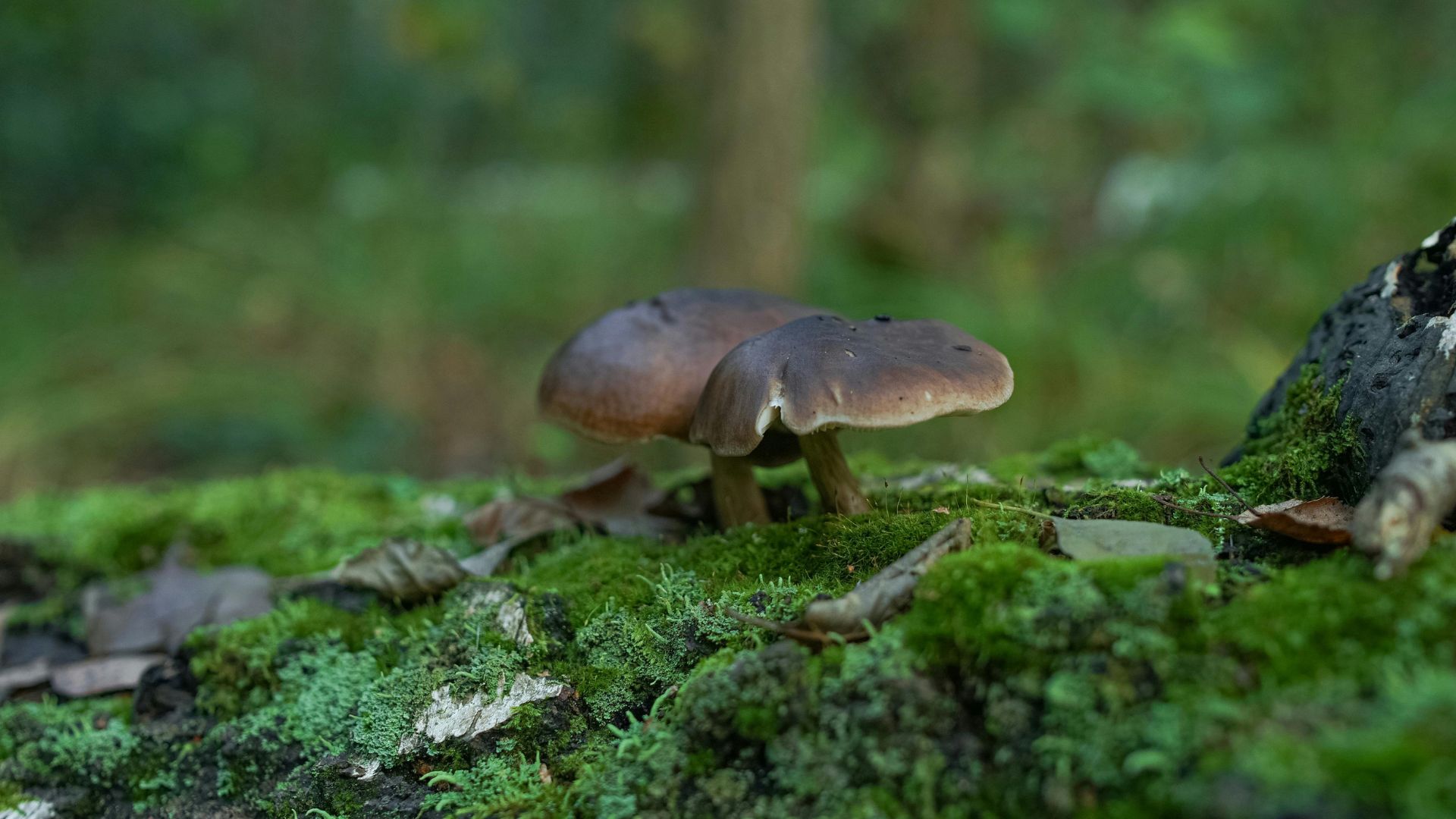
Early control of fungal and mite issues is crucial for maintaining healthy plants and preventing widespread damage. These infestations can indeed wreak havoc on gardens and crops, leading to significant losses if not addressed promptly. Therefore, understanding the signs and symptoms of these problems is essential for any gardener or farmer aiming to protect their investment and ensure thriving growth.
In this article, we will explore effective strategies for the early detection and management of fungal and mite issues. First, we will delve into the common types of fungal infections and mite infestations, providing insight into their life cycles and how they affect plants. Next, we will discuss practical steps you can implement to prevent these issues before they escalate, including cultural practices and organic treatment options. Consequently, by the end of this article, you will be equipped with the knowledge needed to safeguard your plants against these pervasive threats.
Understanding Fungal Issues and Mite Issues
Understanding fungal and mite issues is essential for effective plant management. Fungal problems, caused by various pathogens, can lead to diseases that significantly diminish plant health, ultimately impacting growth and yield. These infections often thrive in damp, humid conditions, making early detection vital for successful intervention. For instance, conditions such as overwatering or poor air circulation can create an ideal environment for fungi to flourish. On the other hand, mite issues arise from tiny pests that feed on plant sap, leading to stunted growth, discoloration, and even plant death if left unchecked. Both problems can escalate quickly, resulting in severe damage to crops and gardens. Therefore, recognizing symptoms early can save time, effort, and resources, allowing for more effective management strategies.
Moreover, understanding the life cycles of these pathogens and pests can enhance your ability to control them. Fungi reproduce through spores, which can spread rapidly in favorable conditions, while mites reproduce quickly, leading to exponential population growth. Consequently, being proactive in monitoring your plants and the surrounding environment is crucial. Regular inspections can help identify early signs of distress, enabling timely interventions that can mitigate the impact of these issues. Familiarizing yourself with the specific conditions that favor fungal and mite infestations can further enhance your management strategies, ensuring your plants remain healthy and productive.
The Importance of Early Detection
Early detection is crucial in managing both fungal and mite issues. For fungal problems, spotting the initial signs can prevent the spread of infection to neighboring plants. Likewise, identifying mite infestations at their onset allows for timely intervention. This proactive approach often leads to more effective control measures and less reliance on chemical treatments. Hence, regularly inspecting plants and the surrounding environment can lead to quicker resolutions, ultimately safeguarding your investment. If you’re unsure about how to identify these issues, you can refer to our guide on the symptoms and treatment of mite infestations.
Common Signs of Infestation
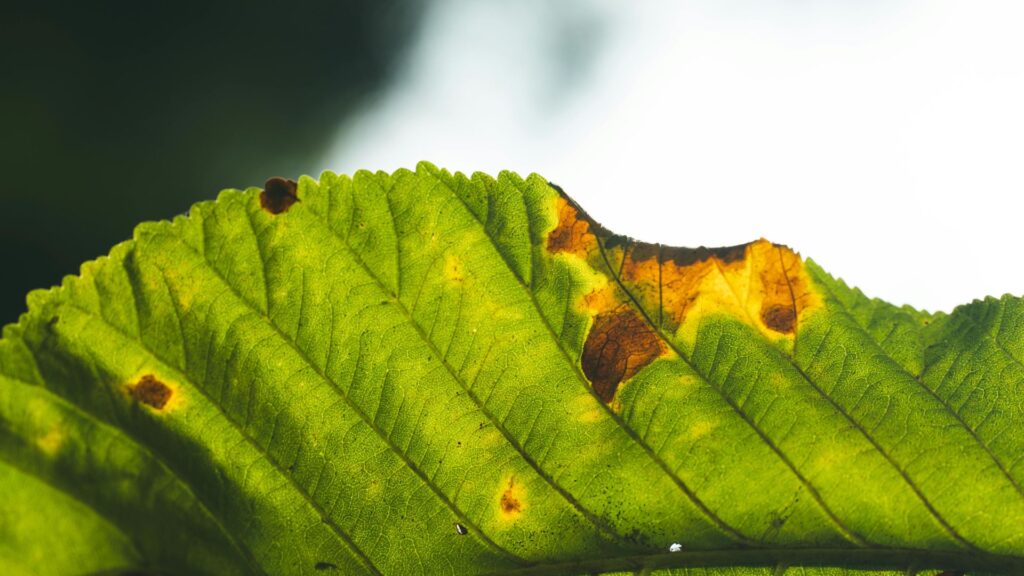
Identifying the common signs of fungal issues includes looking for discoloration, wilting, or unusual spots on leaves. For example, powdery mildew often presents as a white, powdery coating on foliage, while root rot can manifest as dark, mushy roots. Conversely, mite issues typically display as stippling or tiny webs on the undersides of leaves. Additionally, yellowing leaves and leaf drop may also indicate a mite infestation. Being vigilant and familiar with these symptoms can make all the difference in managing both fungal and mite issues effectively. As noted by Fungal Infections: Emerging Threats and Solutions, early diagnosis and treatment for fungal threats is vital to ensure healthy plants. By understanding these signs, you can take swift action to protect your plants from further damage and ensure a thriving garden.
Best Practices for Early Response to Fungal and Mite Infestations
Effective management of fungal and mite infestations begins with a swift early response. Not only does this approach help mitigate damage, but it also sets the foundation for long-term plant health. Immediate actions can include the physical removal of affected leaves, applying appropriate treatments, and improving environmental conditions. Moreover, understanding the specific characteristics of the infestation is crucial for selecting the right strategy. For example, different fungal species may require distinct fungicides, while various mite species may respond better to certain insecticidal soaps or natural predators.
Initial Steps for Infestation Control
The first step in addressing fungal and mite issues is to conduct a thorough inspection of your plants. Look for visible symptoms like discoloration, wilting, or abnormal growth. For fungal infestations, prompt removal of infected plant material helps in preventing further spread. In contrast, for mite issues, washing plants with a strong stream of water can dislodge pests effectively. Additionally, applying targeted treatments, such as organic fungicides or insecticidal soaps, can provide immediate relief. It is also beneficial to monitor the surrounding environment; for instance, ensuring adequate air circulation can help reduce humidity levels, which are conducive to fungal growth.
To summarize these strategies, the table below compares early response strategies for fungal and mite issues:
| Strategy | Fungal Infestations | Mite Infestations |
|---|---|---|
| Inspection | Check for leaf discoloration, spots, and mold growth | Look for tiny webs and stippling on leaves |
| Removal | Cut and dispose of infected leaves | Wash affected plants to remove mites |
| Treatment | Apply fungicides or organic remedies | Use insecticidal soap or neem oil |
| Environmental Control | Improve air circulation and reduce humidity | Increase humidity or introduce natural predators |
Long-term Management Strategies
While early response is critical, sustainable pest management is key to preventing future infestations. Implementing crop rotation and using resistant plant varieties can significantly reduce susceptibility to both fungal and mite problems. Additionally, regular monitoring of plant health allows for timely intervention before issues escalate. Furthermore, utilizing integrated pest management (IPM) strategies can create a balanced ecosystem, effectively minimizing the need for chemical treatments. For instance, introducing beneficial insects, such as ladybugs, can help control mite populations naturally, reducing reliance on pesticides.
Moreover, educating yourself about the specific life cycles and behaviors of the pests and pathogens affecting your plants can enhance your management strategies. Understanding when these organisms are most vulnerable allows you to time your interventions effectively. In conclusion, adopting effective treatment plans for fungus and mites is essential for maintaining plant health and productivity. By combining immediate actions with long-term strategies, you can ensure your plants remain resilient against these challenges. For more information, explore our effective treatment plans for fungus and mites.
Case Studies: Successful Infestation Control in Agriculture
Successful infestation control in agriculture is often achieved through real-world examples that showcase effective strategies. By analyzing these case studies, farmers can glean insights into pest management techniques that yield positive results, ultimately enhancing crop health and productivity. These examples serve not only as a guide but also as a source of inspiration for implementing innovative solutions tailored to specific agricultural challenges.
Case Study 1: Agricultural Best Practices
One notable example is a large-scale vegetable farm that faced severe fungal infections. By implementing rigorous crop rotation and selecting resistant plant varieties, the farm significantly reduced disease incidence. Additionally, they adopted a comprehensive integrated pest management (IPM) approach, which included the use of beneficial organisms to outcompete harmful fungi. This combination of best practices not only improved yield but also minimized reliance on chemical treatments. Consequently, the farm reported a 30% increase in productivity, demonstrating the effectiveness of proactive infestation treatment. Furthermore, the farm’s commitment to sustainability was evident as they reduced their environmental footprint, showcasing that economic viability and ecological responsibility can go hand in hand.
Case Study 2: Innovative Solutions
In another instance, a winery struggled with mite infestations that threatened grape quality. They turned to innovative solutions, such as introducing predatory mites that naturally target the harmful species. This biological control method reduced the pest population without harming the grapevines. Moreover, the winery employed targeted spraying of organic pesticides during critical growth periods, ensuring minimal environmental impact. This dual approach not only controlled the infestation but also preserved the winery’s organic certification. The successful integration of these methods highlights the importance of adaptive management strategies in agriculture. For further reading on fungal infections and prevention strategies, check out Think Fungus—Prevention and Control of Fungal Infections. This study emphasizes the importance of recognizing and managing fungal threats effectively.
In summary, these case studies illustrate that successful pest management and infestation treatment rely on a mix of traditional agricultural practices and innovative techniques. By learning from these examples, farmers can develop tailored strategies that enhance their resilience against pests and diseases. Additionally, these case studies reinforce the notion that collaboration and knowledge sharing within the agricultural community can lead to more effective and sustainable pest management solutions.
The Role of Agricultural Practices in Pest Management
Agricultural practices play a vital role in pest management, particularly in preventing infestations before they occur. By implementing strategic practices, farmers and gardeners can create healthier environments for their plants, thereby reducing the likelihood of pests and diseases. For instance, crop rotation is an effective technique that disrupts the life cycles of pests, making it harder for them to establish themselves in the soil. This practice not only helps in managing pest populations but also improves soil fertility and structure. Similarly, maintaining soil health through organic amendments, such as compost or green manure, can promote robust plant growth, which naturally enhances resistance to pests. Consequently, adopting these practices contributes significantly to long-term plant health and sustainability.
Furthermore, the timing of planting can also influence pest management. For example, planting early or late in the season can help avoid peak pest populations. Additionally, intercropping—growing different crops in proximity—can confuse pests and reduce their ability to locate their preferred hosts. Therefore, integrating these diverse agricultural practices not only aids in pest prevention but also fosters a more resilient ecosystem that supports plant vitality.
Integrating Pest Management Techniques
Integrating pest management (IPM) techniques is essential for sustainable agricultural practices. IPM combines biological, cultural, and chemical tactics to manage pests effectively while minimizing harm to the environment. For instance, introducing beneficial insects, such as ladybugs, can help control aphid populations without the need for pesticides. Moreover, regular monitoring of pest populations allows for informed decision-making regarding treatment options. By utilizing IPM strategies, you can create a balanced ecosystem that promotes plant health while keeping pest populations in check. Additionally, employing traps and barriers can further enhance pest control efforts. To learn more about specific tactics, explore effective prevention methods for fungus.
Fostering Plant Health
Fostering plant health is fundamental to any pest management strategy. Healthy plants are better equipped to withstand pest attacks and recover from stress. For instance, proper watering and nutrient management can strengthen plants, making them less susceptible to diseases. Furthermore, selecting disease-resistant plant varieties can significantly reduce the risk of infestations. Additionally, maintaining proper spacing between plants improves air circulation, helping to prevent conditions that favor fungal growth. Moreover, mulching can help regulate soil temperature and moisture, further contributing to plant health. Therefore, prioritizing plant health not only enhances resilience but also cultivates a thriving garden or farm environment. As noted by the CDC, understanding risk factors associated with fungal diseases can further assist in creating a preventative framework for effective pest management. By adopting a holistic approach that encompasses various agricultural practices, you can significantly improve both pest control and overall plant health.
Tools and Resources for Effective Pest Management
Effective pest management relies heavily on the right tools and resources. By investing in early detection and treatment solutions, you can significantly improve your pest control techniques. For instance, magnifying glasses or hand lenses are invaluable for identifying early signs of mites and fungal infections. These tools allow you to closely examine plant leaves and stems, making it easier to spot the minute details that indicate a problem. Moreover, sticky traps can capture adult pests, offering a clear indication of potential infestations and helping you monitor pest populations over time. Additionally, soil moisture meters can assist in monitoring conditions that favor fungal growth, allowing you to act before an outbreak occurs. By integrating these tools into your routine, you can enhance your ability to manage pest-related challenges proactively, ultimately leading to healthier plants and more productive yields.
Identifying Useful Tools
When it comes to pest control techniques, specific tools play a vital role in early detection. For example, digital imaging devices are increasingly popular among farmers for monitoring crops remotely. These devices can identify stress in plants due to pests or diseases, enabling timely intervention. Furthermore, essential oils can act as natural pesticides, providing a dual benefit of repelling pests while being safe for the environment. To illustrate, neem oil is effective against a variety of pests and diseases, making it a staple in organic farming. Similarly, insecticidal soaps can target soft-bodied insects without harming beneficial organisms. Therefore, equipping yourself with these tools is key to successful infestation control, as they not only enhance your detection capabilities but also offer sustainable solutions for pest management.
Resources for Farmers
In addition to tools, various resources are available to support farmers in managing pests effectively. For instance, extension services from agricultural universities often provide valuable information on local pest trends and management strategies. These services can connect you with experts who offer tailored advice based on your specific crop needs. Additionally, online platforms like the Pest Management Information System offer guidelines and research updates tailored to specific crops and regions. Furthermore, attending workshops or webinars can enhance your knowledge of emerging pest control techniques and best practices. Consequently, leveraging these resources empowers you to make informed decisions, ensuring your plants remain healthy and productive. By staying updated on the latest research and techniques, you can adapt your pest management strategies to be more effective and environmentally friendly.
Key Takeaways for Early Infestation Control
To summarize, early infestation control is vital for the health and longevity of your plants. Recognizing the signs of fungal and mite issues promptly can make all the difference in preventing widespread damage. By employing effective strategies, such as regular monitoring and implementing cultural practices, you can significantly mitigate these risks. Moreover, utilizing organic treatments can further enhance your control measures while promoting a healthier growing environment. For example, introducing beneficial insects can naturally combat mite infestations, while certain organic fungicides can effectively manage fungal outbreaks without harming beneficial organisms.
Ultimately, proactive measures are your best defense against potential infestations. This means not only staying informed about the common symptoms of fungal and mite problems but also taking action as soon as you notice any warning signs. Consequently, early intervention can lead to greater success in maintaining robust plant health and ensuring bountiful yields. Additionally, keeping a detailed log of your observations can help you identify patterns and improve your management strategies over time.
Lastly, embracing these best practices will empower you as a gardener or farmer, allowing you to safeguard your investment against pests and diseases. So, take the initiative today—monitor your plants closely, implement preventive strategies, and ensure your garden or crops thrive in a healthy, pest-free environment. The future of your plants depends on your actions now, and by committing to these practices, you can foster a resilient ecosystem that supports sustainable growth and productivity.