Diagnosing disease in plants is essential for maintaining healthy gardens and thriving ecosystems. By accurately identifying plant ailments early, gardeners can implement effective solutions, thereby ensuring their greenery flourishes. This beginner’s guide aims to equip you with the fundamental knowledge and tools needed to tackle plant diseases with confidence. Moreover, understanding the signs and symptoms of various afflictions can save you both time and resources, ultimately leading to a more vibrant garden.
In this article, we will explore a flowchart approach to diagnosing plant diseases, which simplifies the identification process. First, we will discuss common symptoms to observe, followed by a systematic method to narrow down potential issues. Additionally, we will highlight important factors, such as environmental conditions and pest interactions, that can significantly influence plant health. Consequently, by the end of this guide, you will be well-prepared to recognize and address the challenges your plants may encounter.
Understanding Diagnosing Disease: The Basics
Understanding the basics of diagnosing disease in plants is essential for anyone involved in plant care. A plant disease is any condition that disrupts the normal functions of a plant, often caused by pathogens such as fungi, bacteria, viruses, or environmental factors. When a plant is diseased, it may exhibit various symptoms like discoloration, wilting, or stunted growth. These symptoms not only affect the aesthetic value of your garden but can also lead to the decline of the entire plant or surrounding ecosystem. Therefore, recognizing these signs early can significantly improve the chances of recovery and maintain the health of your plants. Moreover, understanding the underlying causes of these symptoms can empower gardeners to make informed decisions about treatment and prevention.
In addition to the visible symptoms, it is crucial to consider the environmental context in which the plant is growing. Factors such as soil quality, moisture levels, and light exposure can all contribute to a plant’s overall health. For instance, a plant suffering from root rot due to overwatering may show similar symptoms to those of a disease, such as yellowing leaves or wilting. Thus, a comprehensive approach that includes both symptom observation and environmental assessment is vital for accurate diagnosis.
What is Plant Disease?
Plant disease manifests in various ways, often depending on the type of pathogen involved. For example, fungal infections may lead to powdery mildew, while bacterial infections can cause leaf spots. It’s important to know that not all plant issues stem from diseases; sometimes, environmental stressors like drought or nutrient deficiencies can mimic disease symptoms. To illustrate, a plant exhibiting yellowing leaves might suffer from a lack of nitrogen rather than an infectious disease. Therefore, understanding the nuances of these conditions is vital for effective diagnosis. Additionally, being aware of seasonal changes can help identify patterns in plant health, as certain diseases may be more prevalent during specific times of the year.
Why Diagnosing Disease is Crucial
Diagnosing disease early is crucial for effective plant care. An early diagnosis enables gardeners to take immediate action, preventing further spread and minimizing damage. For instance, if you notice signs of aphid infestation, immediate treatment can save your plants from severe decline. Additionally, by monitoring early disease symptoms, you can develop a proactive approach to plant health. Consequently, timely interventions not only save time and resources but also enhance the overall health of your garden. Moreover, for beginners seeking structured guidance, “Mastering Disease Diagnosis: A Step-by-Step Guide for Beginners” serves as an excellent resource for navigating through diagnosing plant diseases effectively. Furthermore, engaging with local gardening communities or online forums can provide additional insights and support, enriching your understanding of plant care and disease management.
Common Plant Problems and Their Symptoms
Identifying common plant problems early can significantly enhance your plant care routine. Symptoms often serve as critical indicators of underlying issues, allowing you to take action before the problems escalate. Whether it’s wilting leaves or strange spots, recognizing these signs is key to effective plant diagnosis. By familiarizing yourself with the symptoms associated with various diseases, you can streamline your response and provide the necessary treatment. This guide will cover the most common plant diseases and their symptoms, making it easier for you to identify issues in your garden and take the appropriate steps to ensure your plants thrive.
Understanding the symptoms of common plant problems is the first step in ensuring the health of your plants. For instance, yellowing leaves might indicate nutrient deficiencies, while discolored spots could suggest fungal infections. Other symptoms, like wilting or stunted growth, may reveal broader issues linked to environmental stressors or pests. By closely observing these signs, you can pinpoint the specific disease affecting your plants and take appropriate action. Moreover, for more insights on recognizing specific ailments, consider identifying disease patterns that can help you maintain healthy foliage. Additionally, keeping a journal of symptoms and treatments can help you track recurring issues and improve your diagnostic skills over time.
Common Diseases Table
Below is a table comparing common plant diseases and their associated symptoms for quick reference:
| Disease | Symptoms |
|---|---|
| Powdery Mildew | White powdery spots on leaves |
| Root Rot | Wilting and yellowing leaves, mushy roots |
| Leaf Spot | Dark spots with yellow halos on leaves |
| Downy Mildew | Yellow spots on the upper leaf surface, white fuzz underneath |
| Fusarium Wilt | Wilting leaves, yellowing, and stunted growth |
This table serves as a concise guide to help you quickly identify the symptoms linked to specific diseases. Consequently, by recognizing these symptoms early, you can implement effective treatments, minimizing the overall impact on your plants. Furthermore, understanding these common problems will empower you to be proactive in your plant care, ultimately leading to a thriving garden. To illustrate, if you notice white powdery spots on your plants, you can immediately suspect powdery mildew and take steps to treat it, such as improving air circulation and applying fungicides. Thus, being informed about these diseases not only enhances your gardening skills but also fosters a more resilient garden ecosystem.
Using Flowcharts for Plant Disease Diagnosis
Using flowcharts for plant disease diagnosis can greatly streamline the process of identifying and addressing plant health issues. Flowcharts provide a visual representation of decision-making steps, making complex information more manageable and accessible. By following a series of yes-or-no questions, gardeners can systematically eliminate potential problems, honing in on specific diseases or conditions. This method not only simplifies diagnosis but also enhances the accuracy of identifying the underlying issues. Additionally, flowcharts can serve as educational tools, helping novice gardeners understand the intricacies of plant health and disease management.
What is a Flowchart?
A flowchart is a diagram that represents a process or system using symbols and arrows to illustrate the flow of information or actions. In the context of plant health diagnosis, a flowchart can begin with identifying the symptoms observed—such as yellowing leaves or wilting stems. Each symptom leads to a branching path of questions, helping the user navigate through possible diagnoses. For instance, if a plant is wilting, the flowchart may first ask whether the soil is dry; if so, it suggests a lack of water, while a response indicating moist soil leads to further investigation into root rot or pest issues. This logical progression makes diagnosing plant diseases more intuitive and less daunting. Furthermore, flowcharts can be customized to reflect specific plants or common diseases in your region, enhancing their relevance and effectiveness.
How to Use Flowcharts for Diagnosis
To effectively use flowcharts for diagnosing plant diseases, start by developing a detailed flowchart tailored to common symptoms and conditions in your specific environment. Begin with observable symptoms, and then create a series of questions that guide you toward potential diagnoses. For example, if you notice leaf spots, your flowchart should branch out to ask about the color, size, and patterns of the spots. Additionally, consider integrating environmental factors such as humidity, temperature, and light exposure, which can significantly affect plant health. Moreover, resources like The Beginner’s Guide to Rare Disease – Global Genes can provide valuable insights into more complex issues that may arise. By using flowcharts, you can enhance your plant health diagnosis process, leading to quicker and more accurate solutions for your garden. Ultimately, this structured approach not only saves time but also empowers gardeners to take proactive measures in maintaining plant vitality.
Step-by-Step Guide to Diagnosing Plant Diseases
Diagnosing plant diseases can seem daunting, but breaking it down into manageable steps makes the process much easier. A systematic approach ensures you don’t overlook critical signs, leading to effective interventions. The step-by-step plant care diagnosis begins with observing your plants closely and identifying symptoms. By methodically analyzing various factors, you can pinpoint the issue and take appropriate action. This guide will walk you through the initial assessment and help you identify specific diseases, ensuring your green companions remain healthy and vibrant. Remember, early detection is key; the sooner you identify a problem, the more effective your response will be.
Initial Assessment
The first step in diagnosing plant diseases is conducting an initial assessment. Start by examining the plant’s overall health, including its growth patterns and the condition of its leaves, stems, and roots. Look for common symptoms such as discoloration, wilting, or unusual growth patterns. For instance, yellowing leaves could indicate nutrient deficiencies or overwatering, while brown spots may suggest fungal infections. Additionally, check the surrounding environment for stress factors, such as extreme temperatures, humidity levels, or poor soil conditions. Observing the plant’s location can also provide insights; for example, if it is in a shaded area, it might not be receiving adequate sunlight, leading to poor growth. By taking note of these observations, you’ll have crucial information to guide your diagnosis further.
Moreover, consider the history of the plant. Has it been recently repotted? Has it been exposed to pests or diseases in the past? Such background information can be invaluable in understanding current issues. Furthermore, documenting your findings can help track changes over time, making it easier to identify patterns that may indicate a recurring problem. This comprehensive approach ensures that you are not only reacting to symptoms but also understanding the broader context of your plant’s health.
Identifying Specific Diseases
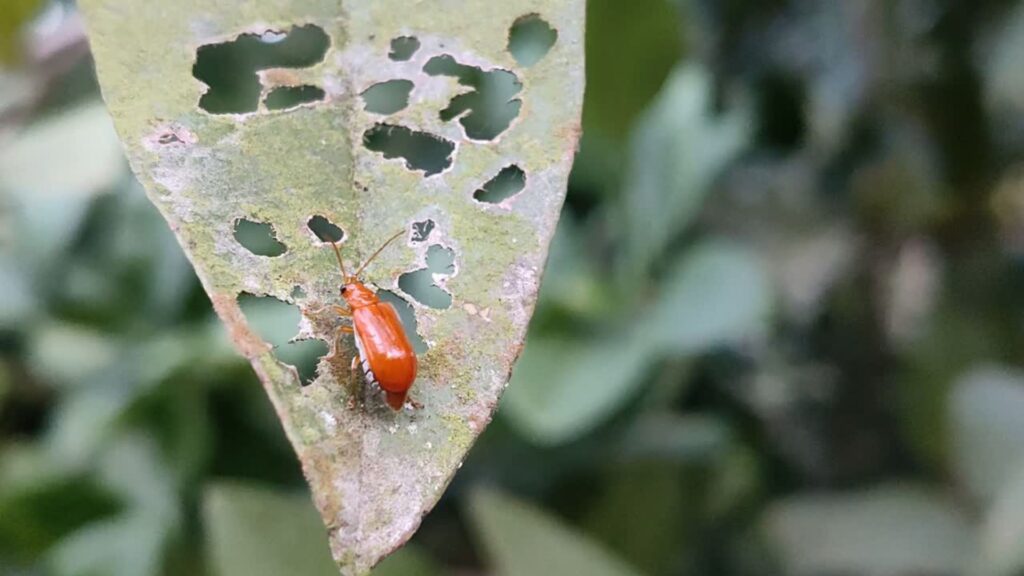
Once you’ve gathered information from your initial assessment, focus on identifying specific diseases. For example, if you notice powdery mildew on leaves, it’s likely a fungal infection requiring immediate attention. To illustrate, you can refer to resources that help you identify early plant disease symptoms for effective treatment. Similarly, if you observe small holes in leaves, pests such as aphids or caterpillars may be to blame. Analyzing the symptoms in conjunction with environmental conditions can help narrow down potential diseases further.
Additionally, consider the life cycle of the plant and its susceptibility to certain diseases. For instance, young seedlings may be more vulnerable to damping-off disease, while mature plants could be more affected by root rot due to overwatering. Remember that many plant issues can overlap, so having a clear understanding of each symptom will help you differentiate between them effectively. Furthermore, consulting local gardening resources or extension services can provide insights specific to your region, enhancing your ability to diagnose and treat plant diseases accurately.
In summary, diagnosing plant diseases is a step-by-step process that involves careful observation and analysis. By conducting a thorough initial assessment and identifying specific diseases, you can develop an effective treatment plan. Consequently, this approach not only enhances your gardening skills but ensures a healthier and more resilient garden. Always remember that the key to successful plant care lies in early detection and prompt action, so keep a watchful eye on your plants and act swiftly when you notice any troubling signs. By following these steps, you will not only improve your plants’ health but also cultivate a deeper understanding of their needs, leading to a thriving garden.
FAQs on Diagnosing Plant Diseases
For newbie gardeners, understanding how to diagnose plant diseases can feel overwhelming. However, having answers to common questions can demystify the process and empower you to care for your plants effectively. In this section, we address frequently asked questions about diagnosing plant diseases, providing you with valuable insights and practical tips. The following table summarizes key concerns and expert answers, making it easier for you to navigate the complexities of plant health. By familiarizing yourself with these common queries, you can enhance your gardening skills and ensure your plants remain healthy and vibrant.
| Question | Answer |
|---|---|
| What are the common signs of plant disease? | Look for symptoms like yellowing leaves, wilting, spots, or unusual growth patterns. |
| How can I tell if a disease is fungal? | Fungal diseases often present with powdery or fuzzy growth on leaves, while the plant may wilt. |
| Can pests cause similar symptoms? | Yes, pests like aphids or spider mites can mimic disease symptoms, so inspect for insects too. |
| What should I do if I suspect a disease? | Isolate the affected plant, remove any dead material, and consider using an appropriate treatment. |
| How can I prevent plant diseases? | Ensure proper watering, good air circulation, and choose disease-resistant plant varieties. |
Common Questions
Newbie gardeners frequently ask about the signs of plant diseases and how to distinguish them from other issues. Recognizing symptoms is the first step in addressing potential problems. For instance, yellowing leaves might indicate nutrient deficiencies or overwatering, while wilting can suggest root rot or disease. Additionally, dark spots or lesions on leaves may point to bacterial infections. Understanding these nuances is crucial for effective diagnosis. Moreover, it’s important to consider environmental factors, such as humidity and temperature fluctuations, that could contribute to these symptoms. By being observant and informed, you can take proactive steps to maintain your plants’ health.
Expert Answers
Experts recommend a systematic approach in diagnosing plant diseases. First, identify the symptoms and their severity. Next, check for pests, as they can exacerbate existing health issues. For example, aphids can cause leaf curling, which may be mistaken for disease. Additionally, consider environmental conditions like humidity and temperature, which can significantly affect plant health. Furthermore, maintaining a clean garden space by removing debris and dead plant material can help prevent disease spread. By following these guidelines, you can effectively manage your garden’s health. For further gardening tips, always stay informed about the latest practices to minimize the risk of diseases. This proactive approach will help ensure your plants thrive, creating a vibrant garden that brings joy and satisfaction to your gardening experience.
Key Takeaways for Newbie Gardeners
Ultimately, diagnosing disease in plants is a vital skill for every newbie gardener. By accurately identifying issues, you can ensure your plants receive the proper care they need to thrive. This guide has provided you with the fundamental tools and knowledge to spot symptoms early, allowing you to take effective action before problems escalate. Moreover, being proactive in your approach can save you time and resources, preventing minor issues from developing into major setbacks.
Furthermore, the flowchart approach simplifies the diagnosis process, making it easier for you to assess your plants’ health systematically. Remember, understanding the environmental factors and potential pest interactions that impact your plants is equally important. Hence, combining this knowledge with keen observation will enhance your overall plant care. For instance, recognizing how humidity levels or soil quality can affect plant health will enable you to create a more conducive environment for growth.
To summarize, don’t hesitate to utilize the resources available to you, whether it’s this guide or additional literature on plant health. The more informed you are, the more successful your gardening journey will be. Additionally, consider joining local gardening clubs or online forums where you can share experiences and gain insights from fellow gardeners. Lastly, embrace the learning process and don’t be discouraged by setbacks; every experienced gardener has faced challenges. With time and practice, you will become adept at diagnosing disease and nurturing a flourishing garden. Happy gardening!