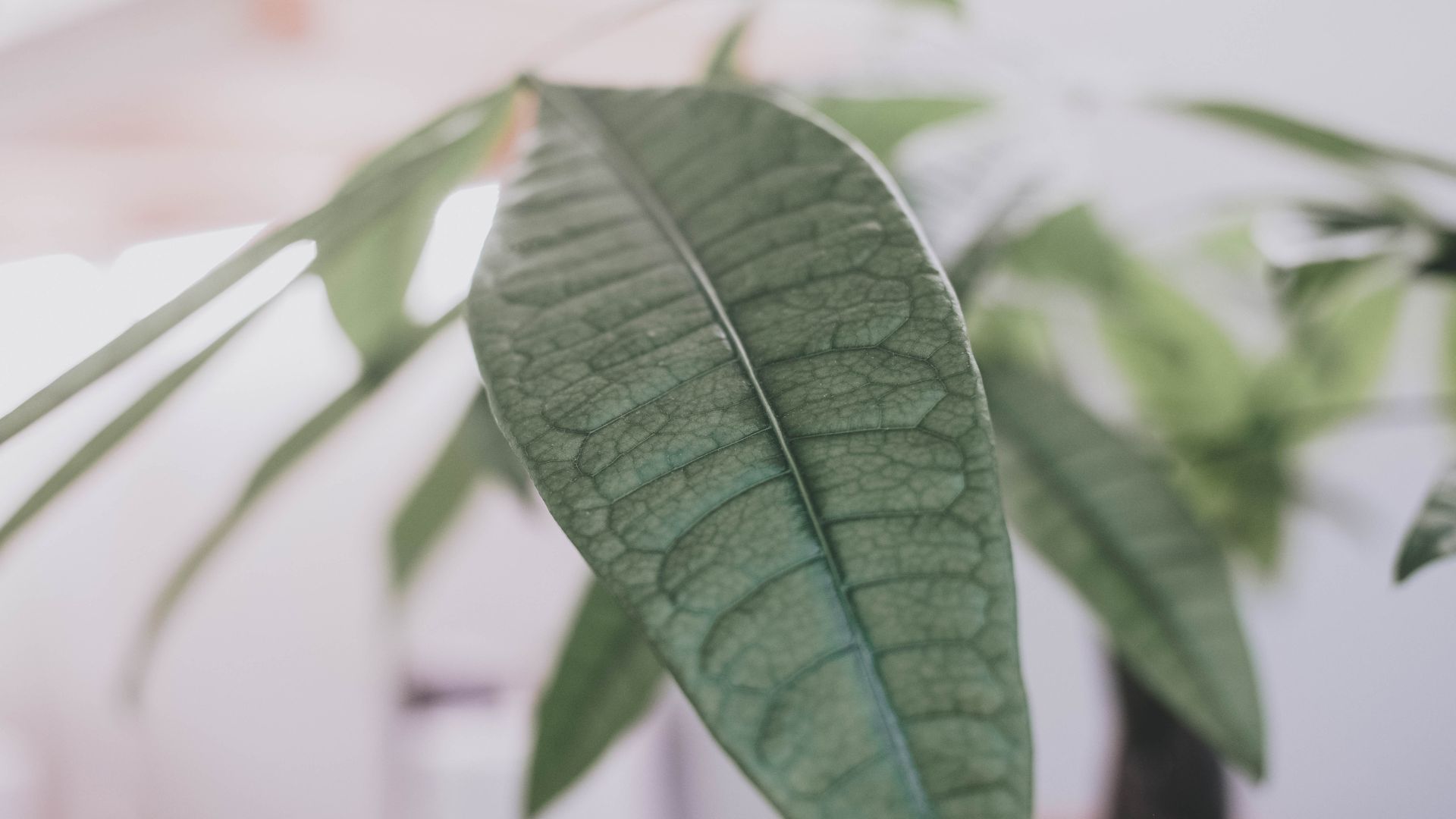
Managing plant diseases in small gardens is essential for preserving a vibrant and healthy outdoor space. In these confined gardening areas, even a minor outbreak can jeopardize your entire collection of plants. Therefore, understanding how to effectively identify and combat these diseases can significantly impact your gardening success. By recognizing the unique challenges that small gardens encounter, gardeners can implement targeted strategies that not only protect their plants but also enhance their overall gardening experience.
In this article, we will explore various approaches to disease management specifically tailored for small gardens. We will discuss effective prevention techniques, the importance of proper plant selection, and the role of regular maintenance. Furthermore, we will delve into eco-friendly solutions that align with sustainable gardening practices. By following these strategies, you can ensure that your small garden remains a flourishing sanctuary, even in the face of potential plant diseases.
Understanding Plant Diseases: Common Issues in Small Gardens
Understanding plant diseases is essential for any gardener, especially those managing small gardens where space and resources are limited. Many plants can be susceptible to common plant diseases, which can lead to significant issues if not identified and managed early. By familiarizing yourself with these diseases, you can take proactive steps to safeguard your cherished plants. This section focuses on identifying these diseases and recognizing symptoms early, which is crucial for effective disease management. Moreover, understanding the underlying causes of these diseases can empower gardeners to make informed decisions that promote plant health.
Identifying Common Plant Diseases
Common plant diseases can manifest in various ways, and early detection is vital for effective management. Fungal infections, like powdery mildew, often appear as white spots on leaves, while bacterial infections may lead to wilting and leaf spots. Additionally, root rot, caused by overwatering or poor drainage, can be particularly devastating. To illustrate, if you notice stunted growth or yellowing leaves, it may indicate a deeper issue, such as nutrient deficiency or disease. Therefore, becoming familiar with these signs can aid in timely disease identification. Furthermore, it is beneficial to regularly inspect your plants for any unusual changes, as this proactive approach can help catch potential problems before they escalate.
Symptoms to Look For
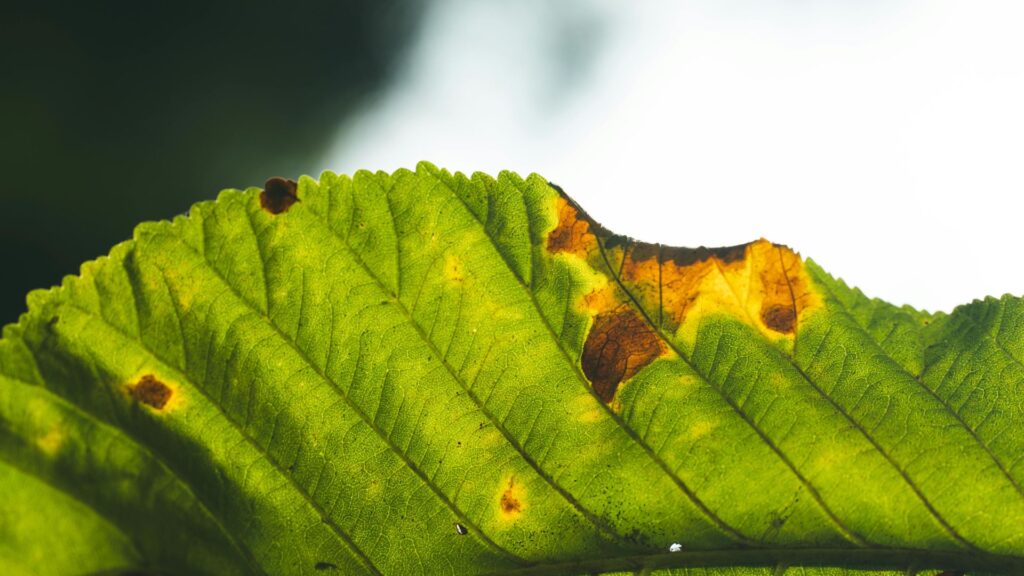
Recognizing symptoms is the first step in disease management. For example, leaf discoloration or curling can signal a pest problem or disease. Furthermore, black or brown spots on leaves may indicate fungal infections, while a foul smell from the soil can be a sign of root rot. To enhance your knowledge, consider visiting resources that provide comprehensive insights, such as this article that explores causes of plant diseases. Additionally, understanding that environmental factors, such as humidity and temperature, can influence plant health is crucial. For instance, high humidity can exacerbate fungal diseases, while extreme temperatures can stress plants, making them more susceptible to infections. For more detailed information on preventing and managing plant diseases, you can refer to the publication on Preventing and Managing Plant Diseases. By staying vigilant and informed, you can maintain the health of your small garden effectively. Ultimately, an educated gardener is better equipped to tackle the challenges posed by plant diseases, ensuring a thriving garden environment.
Effective Disease Management Strategies for Small Gardens
Managing plant diseases in small gardens requires a thoughtful approach, particularly when aiming for organic methods. These methods not only address disease control but also promote a healthier ecosystem for your plants. For example, using natural solutions can reduce the reliance on synthetic chemicals, thus protecting beneficial insects and the environment. Moreover, integrating organic methods helps to enhance soil health, which is crucial for plant resilience. Understanding the various organic solutions available will empower you to make informed choices that contribute to effective disease management in your garden. Furthermore, adopting a holistic perspective on gardening can lead to a more sustainable practice that benefits both your plants and the surrounding ecosystem.
In small gardens, the close proximity of plants can facilitate the rapid spread of diseases. Therefore, employing effective disease management strategies is essential. This involves not only addressing existing issues but also implementing proactive measures to prevent future outbreaks. By combining organic solutions with preventive strategies, you can create a robust gardening environment that minimizes the risk of plant diseases. This dual approach ensures that your garden remains healthy and vibrant, even in the face of potential threats.
Organic Solutions
When it comes to managing plant diseases organically, several solutions stand out. Here’s a quick comparison of different organic methods that can help you combat common garden ailments:
| Organic Method | Effectiveness | Application Tips |
|---|---|---|
| Neem Oil | Effective against fungal diseases and pests | Apply as a foliar spray, especially in the evening |
| Baking Soda Solution | Helps control powdery mildew | Mix with water and spray on affected plants |
| Garlic Spray | Deters pests and some fungal infections | Blend garlic with water and strain before application |
These organic methods are simple yet effective tools for maintaining plant health. For instance, neem oil is a powerful ally against various plant diseases and pests, while a baking soda solution can be particularly effective against powdery mildew. Furthermore, garlic spray offers an additional layer of protection due to its natural repellent properties. Additionally, incorporating companion planting can enhance the effectiveness of these organic solutions, as certain plants can naturally deter pests or improve soil health.
Preventive Measures
Preventive measures play a significant role in effective disease management. In small gardens, where plants are often closely spaced, maintaining air circulation is critical. Therefore, ensuring proper spacing between plants can help reduce humidity and discourage fungal growth. Additionally, regularly cleaning garden tools and removing debris can minimize the spread of diseases. To illustrate, adopting crop rotation is another excellent strategy that helps prevent soil-borne diseases from establishing themselves.
Moreover, selecting disease-resistant plant varieties is crucial. This proactive approach can significantly reduce the likelihood of disease outbreaks. For those keen on enhancing their garden’s resilience, consider exploring strategies for creating a disease-resistant garden for effective techniques tailored to your unique gardening environment. Furthermore, practicing good watering habits, such as watering early in the day to allow foliage to dry, can further mitigate disease risks. By implementing these preventive measures and organic solutions, you can foster a thriving small garden that withstands the challenges of plant diseases, ensuring a bountiful and healthy harvest.
Utilizing Raised Beds and Containers for Disease Prevention
Utilizing raised beds and containers can significantly enhance disease prevention in small gardens. Both methods offer unique advantages, particularly regarding soil management and overall plant health. By elevating plants above ground level, raised beds provide better drainage and air circulation, which are critical factors in preventing various plant diseases. This environment discourages fungal diseases and minimizes the presence of soil-borne pathogens that can wreak havoc on crops. Additionally, the controlled soil conditions allow for tailored nutrient management, which can strengthen plant immunity against diseases. Consequently, gardeners can cultivate healthier plants that are more resilient to potential threats.
Raised beds specifically excel in disease management due to their thoughtful design. First, they allow for improved drainage, which significantly reduces the likelihood of root rot caused by excess moisture. Moreover, the soil in raised beds tends to warm up faster in the spring, promoting early growth and resilience. This can be particularly crucial for crops susceptible to late-season diseases, such as tomatoes and peppers. Furthermore, raised beds can be filled with sterilized soil, which significantly reduces the risk of introducing pathogens from contaminated ground soil. Consequently, gardeners can select disease-resistant varieties with confidence, knowing their plants have a better chance of thriving in a controlled environment. Additionally, raised beds can be easily amended with organic matter, further enhancing soil health and fertility.
Container gardening also plays a vital role in disease prevention. To begin with, using high-quality potting mix is essential; it should be free of pathogens and provide adequate drainage. Additionally, ensure that your containers have proper drainage holes to prevent water accumulation, which can lead to fungal issues. Furthermore, rotating crops in containers can help minimize disease buildup, as pathogens often thrive in the same location over time. To illustrate, if you grow tomatoes in one container this season, consider planting peppers in that same container next year to disrupt the life cycle of any potential pathogens. Ultimately, regular monitoring of plants for signs of disease and promptly addressing any issues can keep your container garden healthy. For more details on recognizing symptoms and practical management techniques, check out Managing Garden Diseases.
In summary, both raised beds and containers offer practical solutions for disease prevention in small gardens. By implementing these strategies, gardeners can create a healthier growing environment and enjoy a more fruitful gardening experience. Embracing these methods not only enhances plant health but also fosters a more sustainable approach to gardening, ensuring that your small garden remains vibrant and productive throughout the growing season.
Case Studies: Success Stories in Small Garden Disease Management
Successful disease management in small gardens can often be illustrated through real-life case studies showcasing effective strategies. These success stories not only inspire but also provide valuable insights into practical approaches for tackling plant diseases. Each case highlights how gardeners have effectively addressed disease outbreaks while preserving the health of their plants. By examining these examples, we can glean important lessons and techniques that can be applied in various gardening contexts. Moreover, these narratives serve as a reminder that even in small spaces, thoughtful planning and execution can lead to remarkable results.
Case Study Overview
The following table summarizes key strategies and outcomes from different case studies in small garden disease management. Each example presents unique challenges and solutions, demonstrating the adaptability required in maintaining a healthy garden. These cases illustrate the importance of creativity and resourcefulness in overcoming obstacles.
| Case Study | Key Strategies Implemented | Outcomes Achieved |
|---|---|---|
| Community Garden 1 | Integrated pest management, crop rotation | Reduced disease incidence by 40% |
| Urban Rooftop 2 | Organic treatments, soil health monitoring | Increased plant resilience, 30% yield improvement |
| Home Garden 3 | Regular pruning, resistant varieties | 50% reduction in fungal infections |
These cases show that employing a mix of preventive and reactive measures can significantly impact the health of small gardens. For instance, the community garden successfully reduced disease incidence through integrated pest management combined with crop rotation. This approach not only minimized the spread of diseases but also enhanced soil fertility. In contrast, the urban rooftop garden focused on organic treatments, which not only improved soil health but also led to a noticeable increase in yield. This demonstrates that sustainable practices can yield both environmental and economic benefits.
Lessons Learned
The successful strategies highlighted in these case studies reveal several important lessons for small garden owners. First, integrating various techniques, such as crop rotation and resistant varieties, can create a more robust defense against diseases. Additionally, regular maintenance, including pruning and monitoring soil health, plays a crucial role in disease prevention.
Moreover, it’s essential to adapt strategies based on specific garden conditions. By understanding the unique challenges faced in different environments, gardeners can tailor their approaches for maximum effectiveness. For example, urban gardeners may need to consider factors like air pollution and limited sunlight, while community gardens might focus on collaboration and shared resources. Furthermore, exploring methods to prevent fungal infections can offer additional insights into maintaining a vibrant garden. Ultimately, these success stories serve as a testament to the power of informed and proactive disease management in small gardening spaces. By learning from these examples, gardeners can cultivate not only healthy plants but also a thriving gardening community.
Best Practices for Ongoing Garden Care and Disease Management
Ongoing garden care is essential for preventing plant diseases and ensuring a thriving garden. Regular attention to your plants not only promotes healthy growth but also makes it easier to spot potential problems before they escalate into serious issues. For instance, establishing a routine for watering, fertilizing, and pruning can significantly enhance plant resilience. Additionally, maintaining proper soil health is equally important; enriched, well-drained soil supports strong root systems that are crucial for disease resistance. Therefore, adopting a holistic approach to garden care can greatly diminish the likelihood of disease outbreaks. This proactive strategy not only protects your plants but also fosters a more enjoyable gardening experience as you witness the fruits of your labor flourish.
Moreover, integrating seasonal practices into your garden care routine can further enhance your plants’ health. For example, applying mulch can help retain soil moisture and regulate temperature, which benefits plant growth. Furthermore, seasonal adjustments, such as planting disease-resistant varieties or adjusting watering schedules according to weather conditions, can also play a critical role in disease prevention. By being attentive and responsive to your garden’s needs, you create a nurturing environment that thrives throughout the growing season.
Regular Maintenance
Regular maintenance is a cornerstone of effective garden care. This includes routine tasks such as weeding, which helps reduce competition for nutrients and minimizes the habitat for pests. Additionally, regularly inspecting your plants for signs of disease—like leaf discoloration or unusual growth patterns—can lead to early detection. For example, dead or diseased leaves should be promptly removed to prevent the spread of pathogens. Furthermore, rotating your crops each season can help break cycles of disease, particularly in small gardens where space is limited. By committing to consistent maintenance, gardeners can create an environment that is less conducive to disease development.
Incorporating practices such as deadheading spent flowers and ensuring adequate air circulation around plants can also contribute to overall plant health. These small, yet significant, actions can prevent moisture buildup, which is often a breeding ground for fungal diseases. Therefore, regular maintenance not only enhances the aesthetic appeal of your garden but also fortifies your plants against potential threats.
Monitoring and Controlling Pests
Monitoring and controlling pests is another critical aspect of ongoing garden care. Pests can introduce diseases or exacerbate existing problems, making pest control strategies vital. For instance, integrating companion planting can naturally deter pests while promoting healthy plant growth. Additionally, utilizing organic pesticides or introducing beneficial insects, like ladybugs, can help manage pest populations effectively. Consequently, keeping a watchful eye on your garden allows you to respond swiftly to any pest issues.
To illustrate, setting up traps or barriers can prevent pests from reaching vulnerable plants. Furthermore, maintaining a diverse garden can create a balanced ecosystem, reducing the likelihood of pest infestations. For more detailed strategies on managing diseases throughout the gardening season, check out Managing plant diseases in the home garden. By combining these approaches, you can ensure your garden remains healthy and vibrant, free from the threats of pests and diseases. Ultimately, a proactive stance on pest management not only protects your plants but also contributes to the overall health of your garden ecosystem.
Key Takeaways for Managing Plant Diseases in Small Gardens
To summarize, effective disease management is essential for maintaining the health of plants in small gardens. By adopting a proactive approach, gardeners can significantly reduce the risk of plant diseases that threaten their gardens. Understanding the specific challenges unique to limited spaces allows for targeted strategies that not only protect plants but also enhance the overall gardening experience. For instance, selecting disease-resistant varieties can make a substantial difference, as these plants are better equipped to withstand common ailments.
Moreover, implementing preventative measures such as proper plant selection, regular maintenance, and eco-friendly solutions can create a robust defense against potential outbreaks. Regularly inspecting plants for early signs of disease can lead to timely interventions, which are crucial in small gardens where issues can escalate quickly. Consequently, these practices will help ensure that your small garden remains a flourishing sanctuary, even in the face of adversity.
Therefore, we encourage you to take action by applying the strategies discussed in this article. Monitor your plants closely and stay informed about common diseases to catch any issues early. Additionally, consider engaging with local gardening communities or online forums for shared experiences and advice. Lastly, remember that a well-managed garden is not just about aesthetics; it’s about nurturing a resilient ecosystem. By prioritizing disease management, you pave the way for a vibrant and thriving garden for years to come, ultimately contributing to the health of the broader environment.