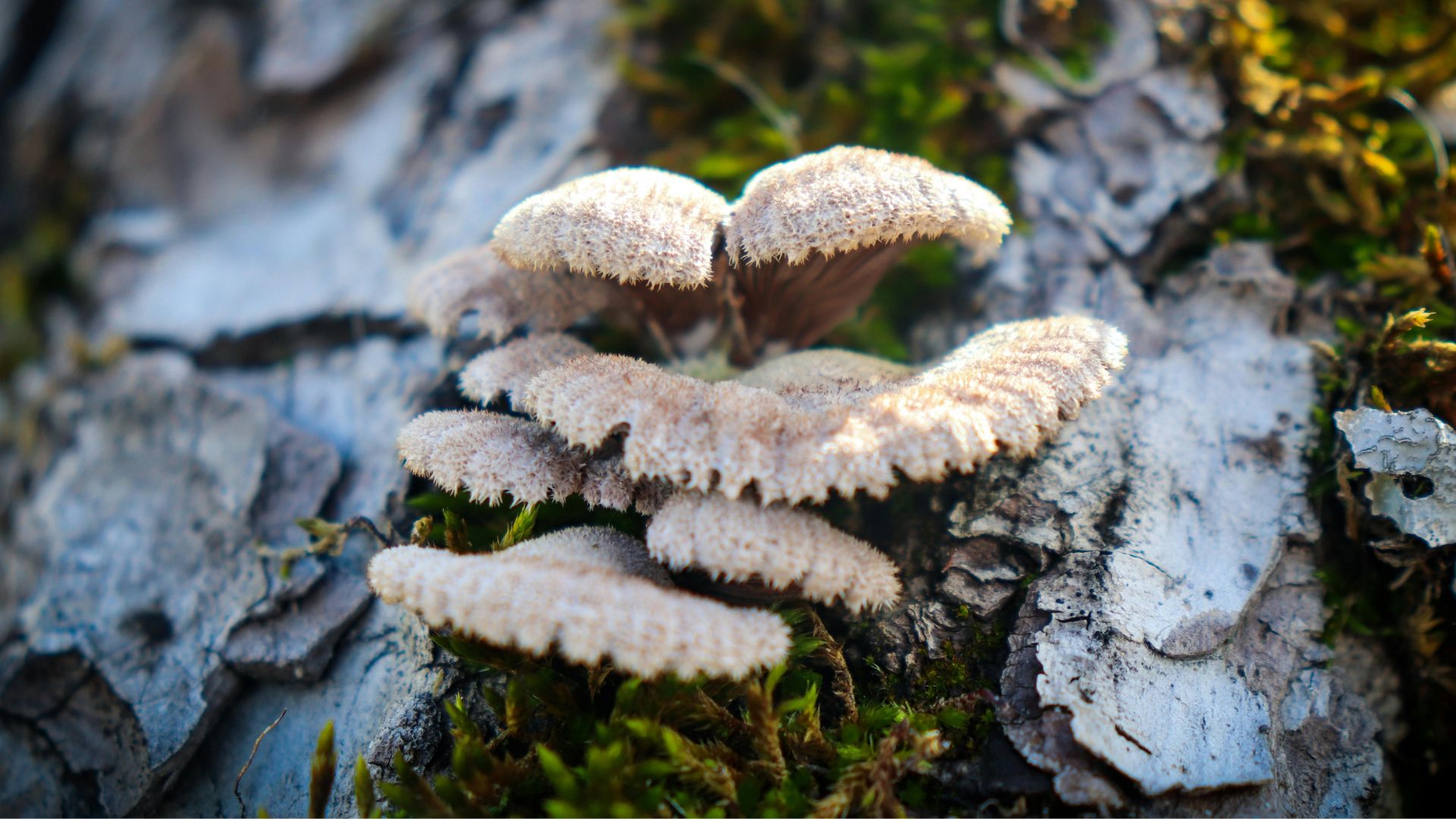
Fungus prevention is crucial for maintaining a healthy garden, as fungal infections can quickly devastate plants and disrupt your gardening efforts. Indeed, the battle against fungus often feels overwhelming; however, adopting natural methods can create a thriving environment without the risks associated with chemical treatments. By understanding how to effectively manage fungus, you can protect your plants and promote their growth in a sustainable way.
In this article, we will explore a variety of effective natural methods for fungus prevention that are easy to implement. For example, you will learn about the benefits of using organic materials, such as compost and mulch, which not only nourish the soil but also help suppress fungal spores. Additionally, companion planting can be a powerful strategy, as certain plants can deter fungal growth by attracting beneficial insects or enhancing soil health. Furthermore, we will delve into proactive measures you can take, such as ensuring proper air circulation and moisture control, to create an unfavorable environment for fungal growth. By the end of this guide, you will be equipped with practical strategies to ensure your garden flourishes while minimizing the threat of fungal infections.
Understanding Fungus Prevention: The Basics
Fungal infections in plants can arise from various sources, often leading to significant damage if left unchecked. Common causes include the presence of fungal spores, which thrive in moist conditions and can easily spread from plant to plant. Additionally, poor air circulation around plants can trap humidity, creating an ideal environment for these spores to germinate. Therefore, understanding the factors contributing to fungal growth is essential for effective plant care. Identifying these drivers allows gardeners to take proactive measures to minimize risks and protect their plants from potential threats. By implementing natural methods, you can create a healthier garden ecosystem that reduces the likelihood of fungal infections.
What Causes Fungal Growth?
Fungal growth is often triggered by a combination of moisture and organic matter. For instance, overwatering can create soggy soil conditions, which not only invites fungal spores but also hinders healthy root development. Moreover, decaying plant material, such as fallen leaves, can foster a breeding ground for fungi. Consequently, it’s crucial to regularly clean your garden beds and remove any debris. Another significant factor is plant stress due to inadequate light or nutrients, which can make plants more susceptible to infections. To illustrate, a stressed plant may be less able to resist invading fungal spores. Therefore, ensuring that your plants receive the right amount of light and nutrients is vital for their overall health and resilience against fungal threats.
The Role of Environmental Factors
Environmental conditions play a pivotal role in fostering fungal growth. High humidity levels and warm temperatures are particularly conducive to fungal spores, facilitating their germination and spread. Similarly, gardens located in shaded areas may retain moisture longer, further increasing the likelihood of fungal infections. Therefore, adjusting your watering practices can significantly impact plant health. For example, watering early in the day allows excess moisture to evaporate, reducing humidity levels around the plants. Additionally, adequate spacing between plants ensures improved airflow, which is vital in preventing fungal issues. Hence, being mindful of these environmental factors is key to effective fungus prevention and overall plant care. Furthermore, incorporating practices such as mulching can help regulate soil temperature and moisture, creating an environment less favorable for fungal growth. By understanding and managing these elements, you can significantly enhance your garden’s health and vitality.
Natural Methods for Effective Fungus Prevention
Natural methods for effective fungus prevention are essential for promoting healthy plants and thriving gardens. These strategies not only protect your plants from harmful fungal infections but also align with the principles of organic gardening. By embracing natural solutions, you can ensure a sustainable approach to garden care that benefits both your plants and the environment. Various methods can be employed, each with its unique benefits and applications. In this section, we will explore effective antifungal agents and provide insights on how to apply them successfully.
Overview of Natural Fungus Prevention Methods
Several natural antifungal agents can help protect your garden from fungal infections. For instance, essential oils such as tea tree and oregano oil possess potent antifungal properties. Similarly, vinegar, particularly apple cider vinegar, is known to inhibit fungal growth due to its acidic nature. Additionally, baking soda can create an inhospitable environment for fungi when mixed with water and sprayed on affected plants. Other options include neem oil and garlic, both recognized for their antifungal effects. Each of these methods can effectively deter fungal growth when applied correctly.
How to Apply These Natural Methods
To implement these natural methods, start by creating a simple spray solution. For example, mix one tablespoon of baking soda into a gallon of water and apply it weekly to affected areas. Alternatively, dilute a few drops of essential oils, such as tea tree or oregano, in water and spray it on plants showing signs of fungal infection. Vinegar can be used similarly; however, be sure to dilute it to avoid damaging your plants. Neem oil can be applied as a foliar spray, while garlic can be prepared as a natural pesticide by steeping crushed garlic in water overnight before straining and using. Regular application of these solutions can significantly reduce the risk of fungal infections.
Comparison of Natural Antifungal Agents
Below is a comparison of different natural antifungal agents, highlighting their effectiveness in preventing fungus in your garden:
| Natural Antifungal Agent | Effectiveness | Application Method |
|---|---|---|
| Tea Tree Oil | High | Dilute in water; spray on plants. |
| Vinegar (Apple Cider) | Medium | Mix with water; spray affected areas. |
| Baking Soda | High | Mix with water; apply weekly. |
| Neem Oil | High | Foliar spray; apply as needed. |
| Garlic | Medium | Steep in water; spray on plants. |
In summary, these natural methods offer effective ways to prevent fungal infections while promoting organic gardening practices. By selecting the right antifungal agents and applying them consistently, you can maintain a healthy and flourishing garden. Therefore, adopting these strategies will not only protect your plants but also contribute to a more sustainable gardening environment.
The Benefits of Chemical-Free Fungus Prevention
Chemical-free fungus prevention offers numerous advantages that benefit both your plants and the broader garden ecosystem. By turning to natural methods, gardeners can avoid the adverse effects of synthetic chemicals, which often lead to soil degradation and can negatively impact plant health. For example, utilizing organic treatments like neem oil or baking soda creates an environment that not only deters fungus but also promotes robust plant growth. This approach ensures that your plants receive the nutrients they need without the harmful side effects associated with chemical alternatives. Additionally, chemical-free methods often lead to healthier soil, which is foundational for a thriving garden.
Health Benefits for Plants
By opting for chemical-free solutions, you foster a healthier environment for your plants. Natural fungicides, such as garlic or cinnamon, can effectively combat fungal issues while enhancing plant resilience. Consequently, these organic methods strengthen the plant’s immune system, making them less susceptible to various diseases. Moreover, healthier plants yield better harvests, showcasing vibrant colors and improved flavors. For instance, crops grown without chemical treatments often exhibit enhanced nutrient profiles, benefiting your health as well. Furthermore, the absence of harmful chemicals means that beneficial insects, such as pollinators, can thrive in your garden. Thus, adopting sustainable practices for fungus prevention not only protects your garden but also contributes to your overall well-being and the health of the ecosystem.
Impact on Garden Ecosystem
In addition to plant health, chemical-free fungus prevention significantly impacts the entire garden ecosystem. Natural methods encourage beneficial microorganisms in the soil, which play a crucial role in nutrient cycling and plant health. For example, composting not only enriches the soil but also helps maintain moisture levels, reducing the likelihood of fungal outbreaks. Furthermore, promoting biodiversity through companion planting creates a balanced environment where various species coexist, enhancing pest control and reducing the reliance on chemicals. This diversity can lead to a more resilient garden, as different plants can support each other in combating pests and diseases. Therefore, by embracing sustainable practices, you can cultivate a thriving ecosystem that supports both your plants and the wildlife around them. This holistic approach ensures your garden remains vibrant and resilient against fungal threats, ultimately leading to a more sustainable gardening experience.
Case Studies: Successful Natural Fungus Prevention
Exploring real-life examples of successful natural fungus prevention can provide valuable insights for gardeners. These case studies not only highlight effective methods but also demonstrate long-term benefits. Organic gardening enthusiasts have embraced various strategies, leading to healthier plants and more sustainable practices. By examining these instances, we can understand how natural fungus prevention can transform gardens and foster resilience against fungal infections. Furthermore, these examples serve as inspiration for other gardeners seeking to adopt similar techniques in their own spaces.
The following table showcases results from different case studies where natural fungus prevention techniques were successfully implemented. Each case illustrates unique strategies and the positive outcomes achieved, reinforcing the effectiveness of organic methods in combating fungal threats.
| Case Study | Method Used | Results Achieved |
|---|---|---|
| Home Garden Success | Neem oil and baking soda spray | 70% reduction in powdery mildew |
| Community Garden Initiative | Companion planting and composting | Increased yield by 40% |
Case Study 1: A Home Garden Success
In one remarkable example, a home gardener faced persistent powdery mildew issues that threatened the health of their plants. To combat this, they turned to neem oil and a baking soda spray as natural fungicides. Initially skeptical about the effectiveness of these organic solutions, they diligently applied the treatments over a month. To their delight, they observed a 70% reduction in mildew, which significantly improved the vitality of their garden. This approach not only protected their plants but also maintained the organic integrity of their garden, showcasing the potential of natural solutions in organic gardening. Moreover, the gardener reported that their plants exhibited increased vigor and resilience, further emphasizing the long-term benefits of adopting such methods.
Case Study 2: Community Garden Initiative
Conversely, a community garden initiative adopted companion planting and composting as their primary natural fungus prevention methods. By strategically placing plants like marigolds alongside vegetables, they created a less hospitable environment for fungal spores. This method not only deterred pests but also promoted biodiversity within the garden. Furthermore, the use of nutrient-rich compost improved soil health and plant resilience, leading to healthier crops. Remarkably, the garden experienced a 40% increase in yield over the growing season, demonstrating the effectiveness of these natural techniques. This case illustrates the power of community efforts in promoting sustainable gardening practices while effectively managing fungus. Additionally, the initiative fostered a sense of collaboration among local gardeners, encouraging knowledge sharing and collective problem-solving.
Case Study 3: Urban Gardening Experiment
In another intriguing case, an urban gardener utilized a combination of essential oils and beneficial microorganisms to combat fungal infections in a limited space. By incorporating products like tea tree oil and introducing mycorrhizal fungi into the soil, they created a robust defense against common fungal threats. Over the course of the growing season, they reported a significant decrease in fungal outbreaks, allowing them to harvest a bountiful crop of tomatoes and peppers. This case exemplifies how innovative approaches can yield impressive results, even in urban settings where space and resources may be limited. Consequently, it highlights the adaptability of natural fungus prevention methods across diverse gardening environments.
These case studies highlight the practical application of natural fungus prevention methods in real-life settings. By leveraging organic gardening principles, gardeners can not only safeguard their plants but also enhance their overall yield and health. Thus, adopting these techniques can lead to long-term success and resilience against fungal threats, reinforcing the importance of natural solutions in maintaining thriving gardens.
Long-Term Effects of Natural Fungicides vs. Chemical Options
Long-term strategies for fungus prevention often involve choosing between natural and chemical fungicides. Each option has distinct implications for effectiveness and environmental impact. Natural fungicides, derived from plant extracts or beneficial microorganisms, tend to work gradually, providing sustained protection against fungal diseases. Their efficacy can improve soil health and biodiversity over time, fostering a resilient ecosystem that supports ongoing plant care. For example, neem oil is a popular natural option that not only combats fungal infections but also deters pests, creating a dual benefit for garden health. Moreover, other natural fungicides, such as garlic extract and baking soda, have also shown promising results in managing fungal threats effectively.
Comparative Analysis of Effectiveness
When comparing the effectiveness of natural fungicides to chemical alternatives, it’s crucial to consider their respective modes of action. Chemical fungicides, while often fast-acting, may lead to resistance in fungal populations over time, necessitating the use of stronger chemicals. This cycle can create a dependency on increasingly potent treatments, which can be detrimental to both plants and the environment. Conversely, natural fungicides typically promote a balanced approach to fungus prevention, making them less likely to contribute to resistance. Additionally, while natural options may require more frequent applications, they often result in healthier plants by enhancing their natural defenses. For instance, the use of beneficial microorganisms can strengthen plant resilience against diseases. Thus, over the long term, natural fungicides can lead to more sustainable outcomes for plant care.
Environmental Impact Considerations
The environmental impact of fungicides cannot be overlooked. Chemical fungicides can leach into water systems, harming beneficial organisms and disrupting local ecosystems. This contamination can have far-reaching effects, affecting not just the immediate area but also wildlife and human health. In contrast, natural fungicides generally have a lower environmental footprint, as they are biodegradable and less toxic to non-target species. For instance, using compost tea as a natural fungicide can enhance soil microbial activity, promoting healthier plant growth without the negative side effects associated with chemicals. Furthermore, practices such as crop rotation and intercropping can complement the use of natural fungicides, creating a holistic approach to garden health. Therefore, choosing natural fungicides aligns with a commitment to sustainable gardening practices while ensuring effective fungus prevention for your plants. Ultimately, these considerations highlight the importance of making informed choices for the health of both your garden and the environment, ensuring a thriving ecosystem for future generations.
Tips for Maintaining Garden Health Naturally
To ensure long-lasting garden health, it’s important to adopt proactive maintenance strategies that emphasize sustainable practices. These methods not only enhance plant resilience but also help create a balanced ecosystem. For example, regularly inspecting your plants for signs of distress can help you catch issues early, reducing the chances of a fungal outbreak. Additionally, keeping your garden tidy by removing dead leaves and debris can significantly lower the risk of fostering fungal spores. This practice not only prevents the accumulation of potential pathogens but also promotes better air circulation, which is vital for plant health.
Regular Maintenance Practices
Routine maintenance is vital for sustaining garden health. One effective practice is to monitor soil moisture levels; overwatering can lead to fungal growth, while underwatering can weaken plants. Consequently, consider implementing a drip irrigation system or watering early in the morning to promote evaporation and reduce humidity. Furthermore, rotating crops can help disrupt fungal life cycles, ensuring that no single pathogen has the opportunity to establish itself. For instance, planting legumes one year and leafy greens the next can enhance soil health and minimize disease risks. Additionally, mulching with organic materials not only conserves moisture but also suppresses weeds that could harbor fungi.
Choosing the Right Plants
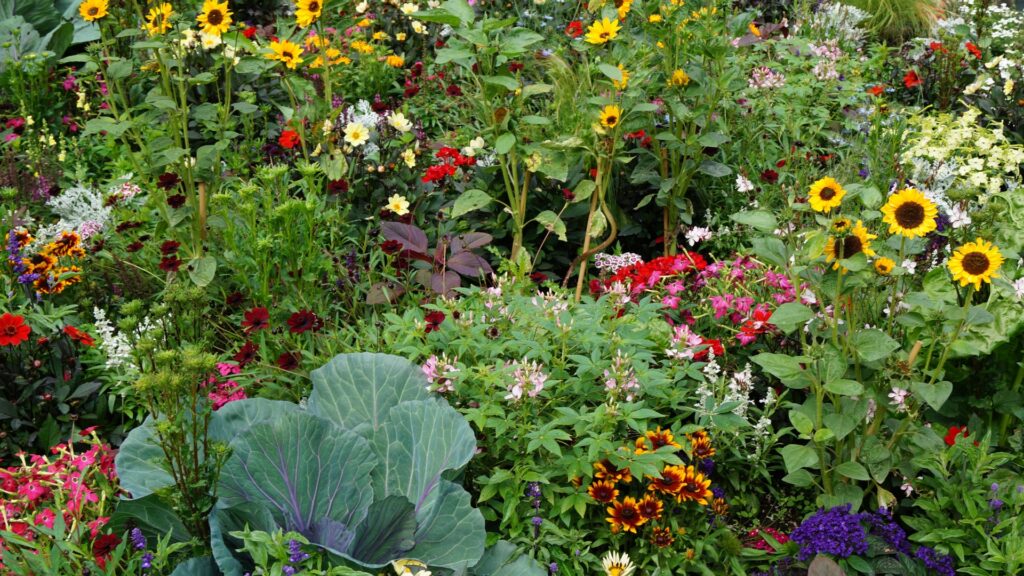
Selecting plants that are resistant to fungal diseases is an excellent way to bolster your garden’s health. For instance, many vegetables, such as tomatoes and peppers, have varieties bred for disease resistance. Similarly, incorporating native plants into your garden can encourage a more resilient ecosystem, as they are better adapted to local conditions and less susceptible to pests and diseases. Furthermore, consider companion planting; for example, marigolds can deter nematodes and pests, thereby reducing the likelihood of fungal infections. By making informed choices, you can cultivate a vibrant garden that thrives naturally. Moreover, researching local plant varieties that are known for their hardiness can further enhance your garden’s resilience against fungal threats.
Bringing It All Together: Your Natural Fungus Prevention Strategy
Bringing It All Together: Your Natural Fungus Prevention Strategy
Ultimately, adopting natural methods for fungus prevention is essential for maintaining a vibrant and healthy garden. By implementing the strategies discussed, such as using organic materials and practicing companion planting, you can significantly reduce the risk of fungal infections while fostering a thriving ecosystem. Furthermore, these natural methods not only protect your plants but also contribute to a sustainable gardening approach that benefits the environment.
To summarize, the key to successful fungus prevention lies in understanding the conditions that promote growth and taking proactive steps to mitigate them. Moreover, by creating an unfavorable environment for fungi, you empower your plants to flourish with minimal intervention. Indeed, every gardener can benefit from these simple yet effective strategies, making them accessible to anyone looking to enhance their gardening experience.
Therefore, take action today and start integrating these natural methods into your gardening routine. Your plants will thank you, and you’ll enjoy a more resilient garden. Additionally, as you implement these practices, keep an eye on your garden’s progress and adapt your strategies as needed. Embrace the journey of natural fungus prevention, and watch your garden thrive for years to come!
Watch the Video

Maurice Buffer is a plant care researcher and horticulture writer at Flinkool. He focuses on plant health, pest prevention, and practical cultivation techniques that help gardeners grow healthier plants.