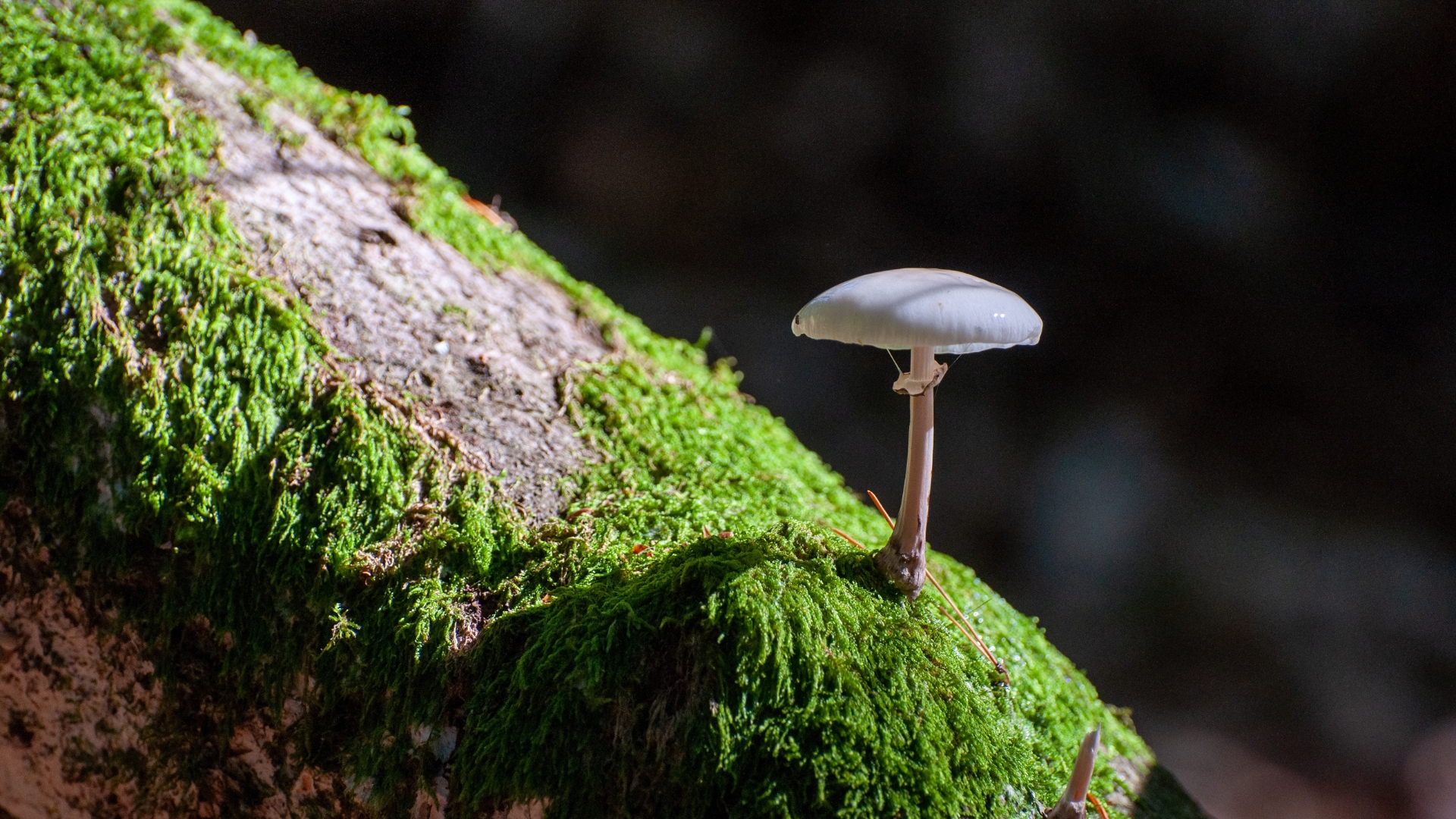
Fungus treatment and mite treatment are crucial for maintaining the health of both your home and garden. These pesky invaders can wreak havoc, leading to significant damage if not addressed promptly. For instance, untreated fungus can compromise plant health, while mites can infest and weaken indoor plants, creating a challenging environment for any gardener or homeowner. Therefore, understanding effective elimination strategies is essential for protecting your investments and ensuring a thriving living space.
Moreover, this article will delve into various methods for effectively managing and eliminating these unwanted pests. Specifically, we will explore a range of fungus treatment options, from natural remedies to chemical solutions, and discuss comprehensive mite treatment plans tailored to fit your needs. Additionally, you will learn practical tips for prevention and maintenance, which are vital for ensuring that your home and garden remain healthy and vibrant.
By the end of this guide, you will be equipped with the knowledge necessary to combat these nuisances effectively. Consequently, you can foster a flourishing environment for your plants and living spaces, enhancing both their beauty and resilience against future infestations. Thus, let us embark on this journey to safeguard your home and garden from these persistent threats.
Understanding Fungal Issues: Causes and Symptoms
Fungal issues can create a myriad of problems both indoors and in the garden, making it essential for homeowners and gardeners to understand their causes and symptoms. Fungi thrive in moist, warm environments, which are often found in humid climates or areas with poor air circulation. Moreover, certain plants and materials can be more susceptible to fungal infections, particularly when stressed or weakened. By learning about these factors, you can better manage your environment and protect your plants and living spaces from harmful fungal growths. Therefore, awareness of the conditions that foster fungal growth is the first step toward effective prevention and treatment.
Common Causes of Fungal Issues
Fungal issues often arise due to a combination of environmental conditions and plant health. For example, overwatering is a significant contributing factor, as it creates a breeding ground for fungi. Consequently, plants that sit in waterlogged soil are particularly at risk, leading to root rot and other complications. Additionally, poor air circulation around plants can exacerbate these conditions, promoting fungal growth. Similarly, specific plant species may be more vulnerable to certain fungal infections; for instance, roses are prone to powdery mildew, while cucumbers may suffer from downy mildew. To mitigate these risks, ensure proper watering practices, allow soil to dry out between waterings, and provide adequate spacing between plants to enhance airflow. Furthermore, consider using mulch to regulate soil moisture and temperature, which can also deter fungal growth.
Identifying Symptoms of Fungal Infections
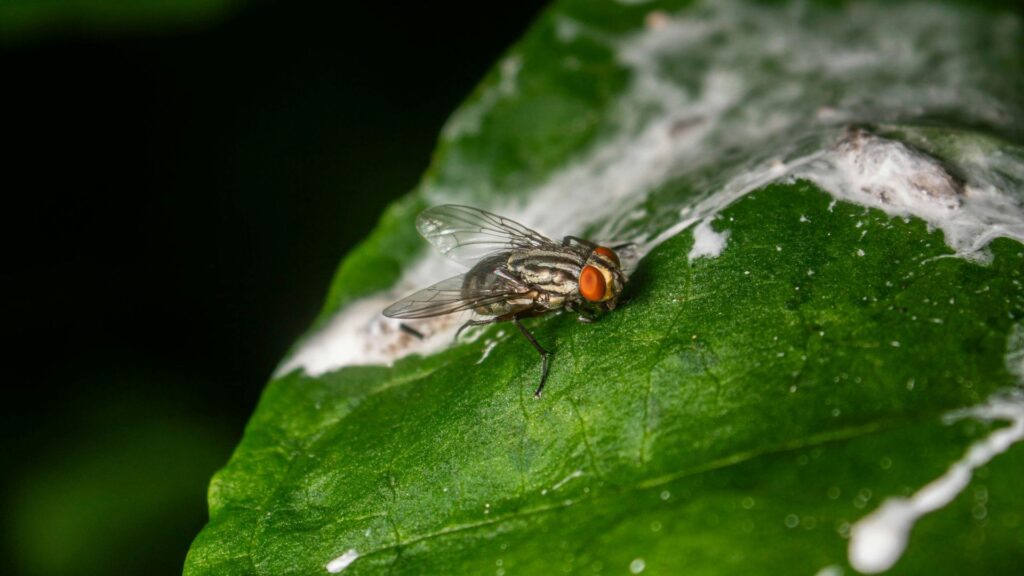
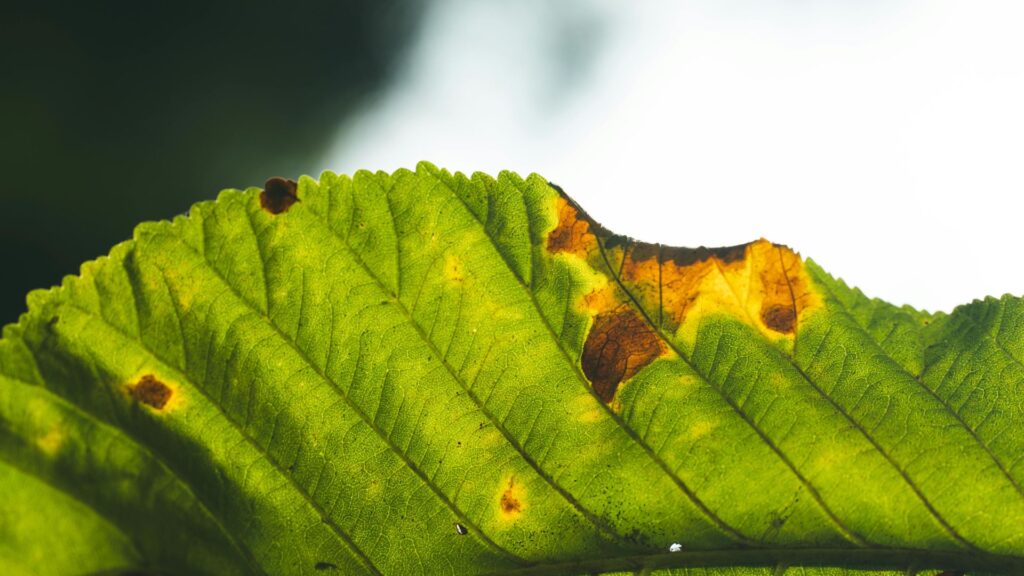
Recognizing the symptoms of fungal infections is crucial for timely intervention. Common signs include discolored leaves, which may appear yellow or brown, and can develop spots or lesions. Furthermore, you might notice a white, powdery substance on the leaves, indicative of powdery mildew. In some cases, wilting or stunted growth can also signal a fungal issue. Additionally, if you observe a fuzzy or moldy appearance on the soil surface, it may indicate the presence of a fungal infection. To address these symptoms, inspect your plants regularly and take action as soon as you notice changes. Moreover, consider implementing a routine monitoring schedule, especially during humid seasons, to ensure your home and garden remain healthy and vibrant. By being proactive, you can significantly reduce the impact of fungal infections and promote a thriving ecosystem for your plants.
Mite Infestations: Identification and Impact
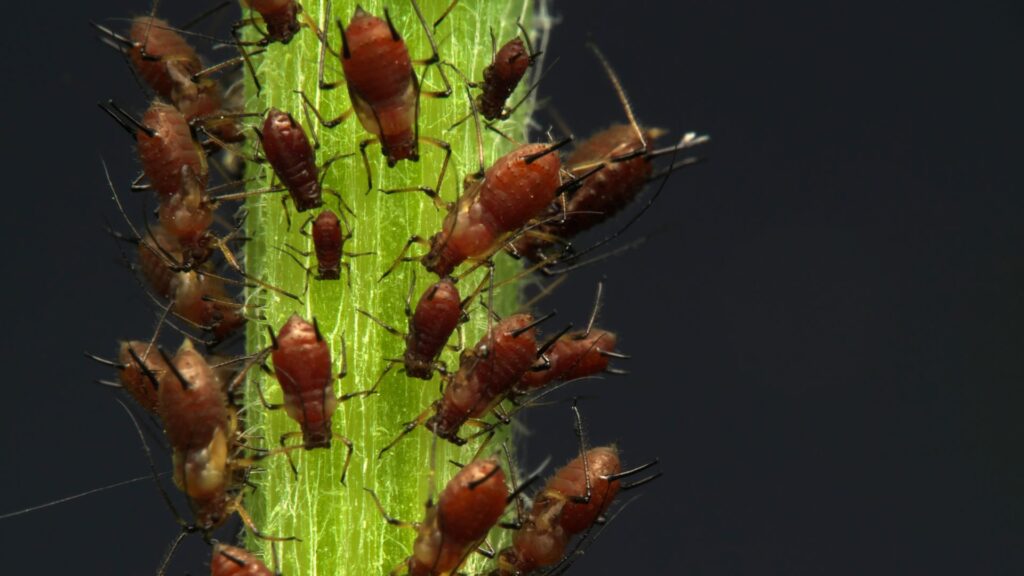
Mite infestations can be a significant concern for both indoor and outdoor environments. These tiny pests, often invisible to the naked eye, can cause substantial damage to plants and pose health risks to humans and pets. Understanding different types of mites and recognizing the signs of infestations are crucial steps in effectively managing these unwanted invaders. By employing appropriate insect control methods, homeowners and gardeners can protect their spaces and maintain the health of their plants. Furthermore, timely identification and treatment can prevent minor issues from escalating into major infestations, ensuring a thriving environment.
Types of Mites and Their Effects
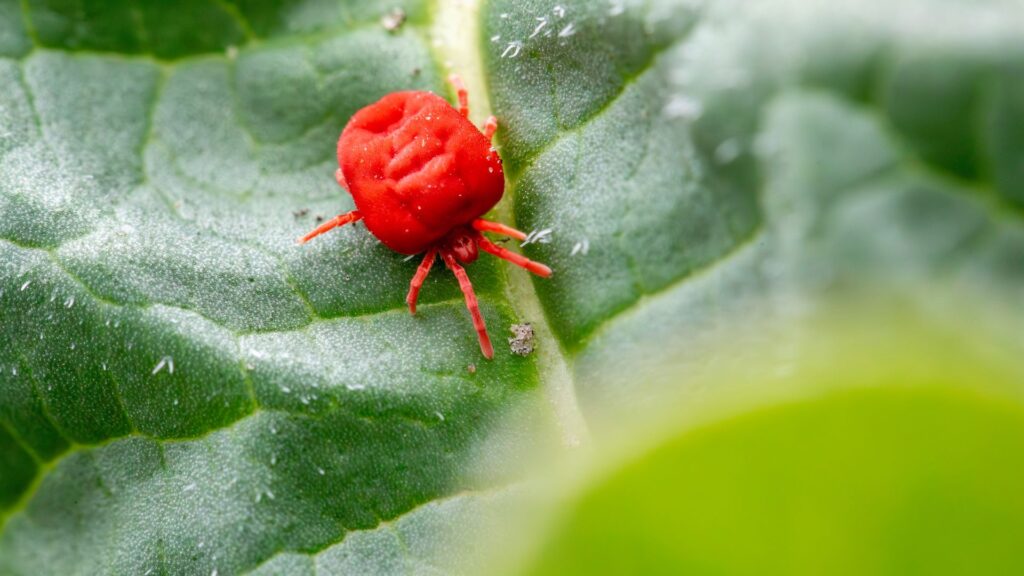
There are various types of mites that can affect both plants and humans. Spider mites, for example, are notorious for infesting houseplants and outdoor gardens. These pests create fine webs and cause stippling on leaves, leading to plant stress and reduced growth. Additionally, they can reproduce rapidly, making early detection essential. Similarly, dust mites primarily thrive in household environments, feeding on organic debris and posing potential allergy risks. Research indicates that dust mites can exacerbate asthma and other respiratory issues. Furthermore, clover mites can invade homes in search of food, often seen in spring and fall. Each type of mite carries its unique challenges, reinforcing the need for targeted insect control methods to mitigate their impact effectively.
Recognizing Mite Infestations in Your Home
Identifying mite infestations early is vital to prevent extensive damage. Look for telltale signs, such as fine webs, tiny specks on leaves, or even visible mite clusters under a magnifying glass. Additionally, if you or your family members experience increased allergy symptoms, it may indicate the presence of dust mites. To illustrate, regular cleaning, such as vacuuming and dusting, can significantly reduce their numbers. Moreover, monitoring humidity levels can help deter these pests, as they thrive in moist environments. Consequently, being proactive can prevent mite infestations from escalating, thereby safeguarding both your health and your home.
Effective Mite Treatment Strategies
To combat mite infestations effectively, homeowners should consider a combination of preventive measures and treatment options. For instance, introducing natural predators, such as ladybugs or predatory mites, can help control spider mite populations. Additionally, using insecticidal soaps or neem oil can provide effective relief without harming beneficial insects. Furthermore, maintaining proper plant care, including adequate watering and fertilization, can strengthen plants’ resilience against mite attacks. By implementing these strategies, you can create a balanced ecosystem that minimizes the risk of infestations while promoting healthy growth in your home and garden.
Fungus Treatment: Chemical vs. Organic Methods
When it comes to fungus treatment, choosing between chemical and organic methods can be a pivotal decision for gardeners and homeowners alike. While both approaches aim to eliminate unwanted fungi, they differ significantly in terms of effectiveness, safety, and environmental impact. Chemical treatments often provide rapid results, making them appealing for immediate concerns. However, they can pose health risks and may harm beneficial organisms that contribute to a healthy ecosystem. On the other hand, organic pest control methods prioritize safety and sustainability, although they might require more time to show results. To help you navigate these options, we’ve compiled a comparison of chemical versus organic fungus treatment methods in the table below, highlighting their respective strengths and weaknesses.
| Treatment Method | Effectiveness | Safety | Environmental Impact |
|---|---|---|---|
| Chemical Treatments | Highly effective, fast | Potentially harmful | Can harm beneficial species |
| Organic Treatments | Effective, slower | Generally safe | Eco-friendly |
Pros and Cons of Chemical Treatments
Chemical treatments for fungus are often favored for their quick action. They can rapidly eliminate fungal infections, which is particularly beneficial in severe cases where immediate intervention is necessary. For instance, if a plant is suffering from a widespread fungal outbreak, chemical solutions can restore its health in a matter of days. However, the effectiveness comes with significant drawbacks. Many chemical solutions can be toxic, posing health risks to humans, pets, and beneficial insects in the garden. Furthermore, over-reliance on these substances can lead to resistance, making future treatments less effective. Consequently, while chemical options offer immediate results, the safety concerns and environmental implications should not be overlooked, prompting many to consider alternative methods.
Advantages of Organic Fungus Treatments
Conversely, organic fungus treatments provide a safer alternative, focusing on natural solutions that are less likely to harm the environment. These methods often utilize natural ingredients like neem oil, baking soda, or even garlic, which can effectively combat fungal issues without the harsh side effects associated with chemicals. Moreover, organic treatments tend to enhance soil health and promote biodiversity, creating a more balanced ecosystem in your garden. Although these treatments may take longer to show results, the long-term benefits to both your health and the environment make them a worthy consideration for many gardeners. To illustrate, a gardener using organic methods might notice improved plant resilience over time, as these treatments foster a healthier growing environment. Thus, while the choice of treatment method can significantly impact your gardening success, understanding the nuances of each can empower you to make the best decision for your home and plants.
Making an Informed Decision
Ultimately, the decision between chemical and organic fungus treatments should be based on your specific circumstances and values. For example, if you are dealing with a severe infestation and need immediate results, chemical treatments may be the most practical choice. However, if you prioritize environmental sustainability and long-term health, organic methods could be more suitable. Therefore, weighing the pros and cons of each approach, considering factors such as the severity of the infestation, your health concerns, and your gardening philosophy, will enable you to implement an effective fungus treatment plan tailored to your needs.
Step-by-Step Mite Treatment Strategies
Effective mite treatment requires a structured approach to ensure infestations are managed efficiently. A step-by-step plan not only allows for effective elimination but also helps prevent future outbreaks. Whether you prefer home remedies or commercial products, having a clear strategy is essential. The following table outlines various treatment steps and methods, providing a comprehensive guide for tackling mite infestations.
| Step | Treatment Method | Description |
|---|---|---|
| 1 | Initial Assessment | Identify the type of mite and assess the extent of the infestation. Look for signs on plants or surfaces. |
| 2 | Home Remedies | Use natural solutions like neem oil, soap spray, or diatomaceous earth. Apply these options regularly for best results. |
| 3 | Commercial Options | Consider insecticidal sprays or miticides available at garden centers. Follow the manufacturer’s instructions carefully. |
| 4 | Regular Monitoring | Check plants frequently for any signs of mites after treatment. Be vigilant to catch any resurgence early. |
| 5 | Preventive Measures | Maintain a clean environment, control humidity, and ensure proper air circulation to discourage mite growth. |
Initial Assessment and Identification
The first step in effective mite treatment is conducting a thorough assessment and identification of the problem. Start by examining your plants and surroundings for any visible signs of mite activity, such as webbing or discoloration on leaves. You may also notice tiny specks moving on the plant’s surface. Identifying the specific type of mite can be beneficial, as different species may respond better to particular treatments. Consequently, this initial observation sets the stage for a targeted approach. Moreover, documenting your findings can help track the progression of the infestation and the effectiveness of your treatment methods.
Implementing Treatment Plans
Once you’ve assessed the situation, it’s time to implement your treatment plans. Begin with your chosen method from the table, whether it’s a home remedy or a commercial product. Follow the instructions carefully to ensure the effectiveness of your treatment. Additionally, consider applying treatments during the early morning or late evening when beneficial insects are less active. After treatment, monitor your plants closely for any signs of recovery or resurgence of mites. Therefore, a consistent follow-up is crucial to ensure that your mite treatment remains effective over time.
Regular Monitoring and Maintenance
Regular monitoring is essential in the fight against mites. Check your plants frequently for any signs of new infestations, such as webbing or stippling on leaves. This vigilance allows for early detection, which is critical for effective mite treatment. Additionally, consider setting a schedule for inspections to ensure you don’t overlook any signs of trouble. Furthermore, maintaining a clean environment can significantly reduce the likelihood of future infestations. Regularly remove debris and dead leaves, as they can harbor pests and provide ideal conditions for mites to thrive.
Preventive Measures for Long-Term Success
Implementing preventive measures is key to long-term mite management. Maintaining a clean environment, controlling humidity, and ensuring proper air circulation can discourage mite growth. For instance, consider using fans in indoor gardens to improve airflow, which can deter mites from settling. Additionally, rotating plants and avoiding overcrowding can help minimize stress on plants, making them less susceptible to infestations. By incorporating these strategies into your gardening routine, you can create a healthier environment that is less conducive to mite infestations. Thus, a proactive approach is essential for safeguarding your plants and ensuring their vitality.
Case Studies: Success Stories in Treatment Plans
Successfully addressing fungal and mite infestations can be a game-changer for homeowners and gardeners alike. By implementing effective treatment plans, individuals have not only eliminated these pests but have also gained valuable insights. This section highlights real-life success stories and key lessons learned, showcasing both elimination plans and home remedies for fungus and mite infestations. These examples serve to inspire others facing similar challenges, demonstrating that with the right strategies, significant improvements are achievable.
Real-Life Examples of Effective Fungus and Mite Treatment
Consider the case of a suburban gardener who struggled with a severe spider mite infestation on her prized tomato plants. After initially trying commercial pesticides with limited success, she switched to a holistic approach. Specifically, she created a homemade spray using neem oil and water, applying it weekly as part of her elimination plan. Moreover, she introduced beneficial insects, such as ladybugs, to naturally control the mite population. Within weeks, her tomato plants flourished, demonstrating the effectiveness of combining home remedies with natural pest control methods. Indeed, this case illustrates that a multi-faceted approach can yield remarkable results when dealing with persistent infestations.
Key Lessons Learned from Treatment Experiences
Another insightful case involves a homeowner tackling a stubborn fungus problem in their indoor plants. Initially, they relied on chemical fungicides, which proved ineffective and even harmful to the plants. After researching home remedies for fungus, they discovered that a mixture of baking soda and water could inhibit fungal growth. Consequently, they adjusted their watering schedule and improved air circulation around the plants. This two-pronged strategy not only eradicated the fungus but also enhanced plant health overall. Thus, the lesson here is clear: exploring natural alternatives can lead to safer and more effective solutions for fungus and mite issues.
Importance of Persistence in Treatment Plans
Additionally, individuals facing similar challenges have noted the importance of persistence. For example, a community gardener successfully eliminated powdery mildew on squash plants by regularly rotating treatment methods and maintaining a consistent observation schedule. They documented their progress, which enabled them to identify what worked best over time. Therefore, keeping detailed records of treatment plans and outcomes can be invaluable for future reference and success. This practice not only fosters accountability but also encourages continuous learning and adaptation.
Conclusion: The Power of Adaptive Strategies
In summary, these case studies highlight the importance of adaptive strategies in tackling fungus and mite infestations. By employing a mix of home remedies and systematic approaches, homeowners can achieve significant results. These success stories serve as inspiration, encouraging others to explore diverse treatment options and learn from their experiences. Ultimately, the journey to eliminate these pests is not just about immediate results; it is also about fostering a deeper understanding of plant health and the environment. By sharing these experiences, we can collectively enhance our ability to combat these persistent threats effectively.
Preventive Measures for Garden Health
Preventive measures play a vital role in promoting garden health and minimizing the risk of pest infestations, particularly from fungi and mites. By adopting a proactive approach, gardeners can create an environment that not only deters pests but also supports healthy plant growth. Therefore, implementing these strategies will help ensure that your garden remains vibrant and resilient against common threats.
Moreover, preventive measures can save time and resources in the long run, as addressing issues before they escalate is often more effective and less costly than dealing with full-blown infestations. Consequently, understanding and applying these practices is essential for any gardener aiming for a flourishing garden.
Best Practices for Preventing Fungal and Mite Issues
To mitigate the risks of fungal and mite infestations, consider employing cultural practices that promote good air circulation and plant health. For example, spacing plants appropriately allows for air to flow freely, reducing humidity levels that fungi thrive in. Additionally, regularly inspecting your plants for early signs of pests can help catch infestations before they escalate. Therefore, maintaining a consistent watering schedule—preferably in the morning—ensures that plants do not sit in moisture for too long, further discouraging fungal growth. Furthermore, using organic mulch can suppress weeds while retaining soil moisture, making it a dual-purpose strategy for garden health.
Furthermore, consider using disease-resistant plant varieties, which can significantly reduce the likelihood of fungal infections. These varieties have been bred to withstand specific diseases, thus providing an additional layer of protection.
Maintaining a Healthy Garden Ecosystem
Creating a balanced ecosystem is essential for effective pest management. To illustrate, incorporating beneficial insects, like ladybugs and lacewings, can naturally control pest populations without harming your plants. Similarly, companion planting—growing specific plants together—can deter pests and improve nutrient uptake. For instance, marigolds are known to repel nematodes and other harmful insects, making them an excellent addition to vegetable gardens. Additionally, rotating crops each season prevents the buildup of soil-borne pathogens and maintains soil fertility. Consequently, these practices not only enhance garden health but also create a more resilient environment against future infestations.
Moreover, fostering a diverse plant community can attract a wider range of beneficial organisms, thereby enhancing the overall health of your garden. This diversity can also help in creating natural barriers against pests, making it harder for them to establish themselves.
By prioritizing preventive measures and fostering a healthy garden ecosystem, you can significantly reduce the likelihood of fungal and mite issues. This approach not only protects your plants but also contributes to the overall vitality of your garden, ensuring it thrives for seasons to come.
Bringing It All Together: Your Action Plan
Ultimately, it’s time to take action against fungus and mites in your home and garden. By implementing the strategies discussed, you can effectively tackle these invasive pests and ensure the vitality of your plants. Key treatment strategies include utilizing natural remedies, such as neem oil for mite treatment, and adopting targeted fungus treatment options that suit your specific needs.
Moreover, regular monitoring of your plants and maintaining proper environmental conditions can significantly reduce the chances of infestations. For instance, ensuring adequate air circulation and avoiding overwatering can create an inhospitable environment for these pests. Consequently, staying proactive in your approach will help you create a thriving garden and a healthy indoor environment.
Therefore, don’t wait until it’s too late. Begin crafting your personalized treatment plan today by assessing your unique situation and applying the solutions that resonate with you. Whether it’s applying treatments or enhancing preventative measures, every step counts. Additionally, keep a journal of your observations and treatments to track what works best for your specific plants and conditions.
In closing, remember that your commitment to these practices will not only protect your investments but also promote a flourishing living space. Embrace the journey of maintaining your home and garden, and watch them thrive as you become an empowered caretaker of your environment. By taking these steps, you’ll not only combat current infestations but also build resilience against future challenges.
Watch the Video

Maurice Buffer is a plant care researcher and horticulture writer at Flinkool. He focuses on plant health, pest prevention, and practical cultivation techniques that help gardeners grow healthier plants.