Preventing disease spread is crucial for maintaining plant health and ensuring robust growth in gardens and agricultural settings. With the increasing threats posed by pathogens, pests, and environmental factors, it becomes essential to adopt effective prevention techniques. By understanding the mechanisms of disease spread, gardeners and farmers can implement strategies to protect their plants from harmful infections that could otherwise devastate their crops. This proactive approach not only safeguards individual plants but also contributes to the overall health of the ecosystem.
In this article, we will explore several key prevention techniques, including the isolation of infected plants, thorough sanitation practices, and targeted treatment options. Moreover, we will discuss how these methods can be integrated into a comprehensive plant care routine to minimize disease risk effectively. Additionally, we will provide practical tips and insights to empower you in safeguarding your plants, ultimately promoting a healthier ecosystem and enhancing the productivity of your garden or farm. By adopting these strategies, you can ensure a thriving environment for your plants.
Understanding Disease Spread in Plants
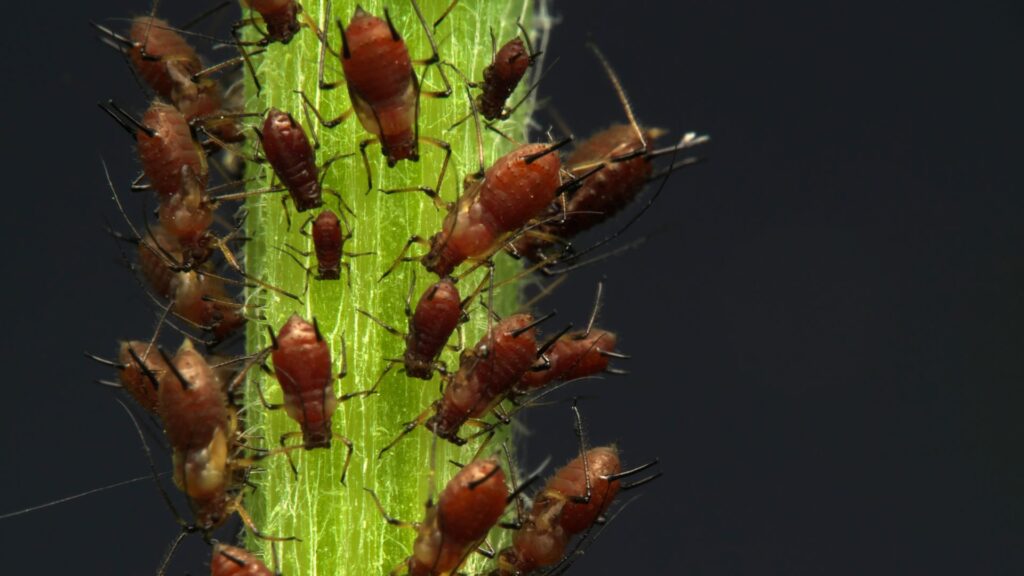
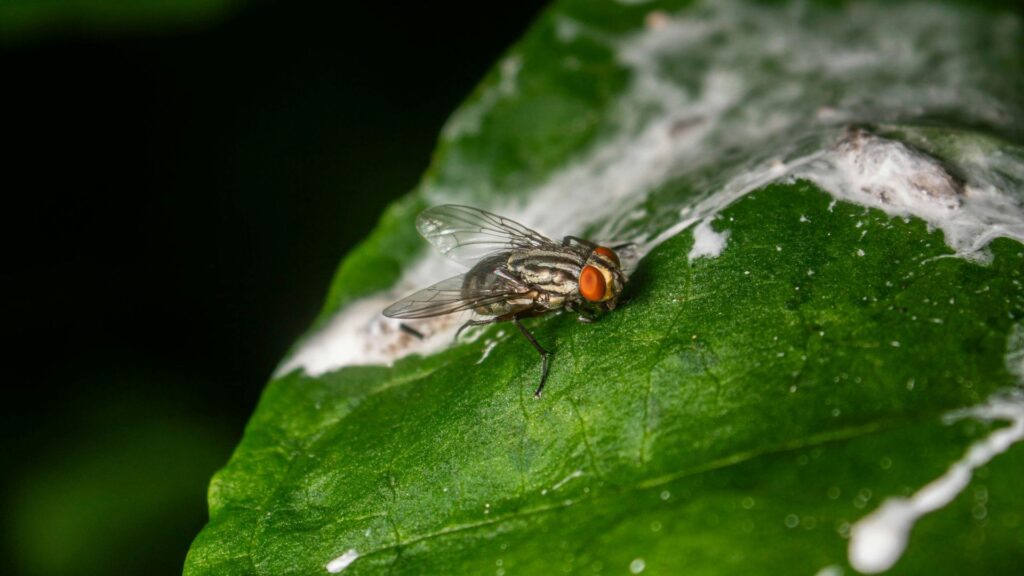
Understanding how diseases spread among plants is vital for anyone looking to maintain plant health. Plant diseases can be caused by various pathogens, including fungi, bacteria, and viruses. These organisms often spread through wind, water, soil, or even human activity, such as the transfer of contaminated tools. For example, when rain splashes soil onto leaves, it can introduce pathogens, leading to infection. Moreover, insects can act as vectors, moving the disease from one plant to another, which can amplify the problem significantly. Understanding these dynamics is essential for effective management and prevention strategies.
The spread of plant diseases is not only a concern for individual gardeners but also for agricultural industries and ecosystems at large. When diseases infiltrate crops, they can lead to widespread devastation, affecting food supply chains and local economies. Therefore, recognizing the pathways through which diseases spread is crucial for developing effective prevention techniques. This knowledge empowers gardeners and farmers to take proactive measures to protect their plants and ensure robust growth.
What Causes Disease Spread?
Several factors contribute to the spread of plant diseases. First, environmental conditions play a crucial role; for instance, high humidity and warm temperatures create ideal conditions for fungal growth. Additionally, overcrowded planting can facilitate the rapid transmission of diseases among plants, as they compete for resources and create microclimates that favor pathogens. To illustrate, a dense planting of tomatoes can lead to quicker spread of blight in humid conditions. Furthermore, the presence of susceptible plant varieties can exacerbate the situation, as certain species may be more prone to infections. Understanding these causes can help gardeners take preventative measures, such as proper spacing, crop rotation, and environmental control.
The Impact of Disease on Plant Health
Unchecked disease spread can have severe consequences for plant health, resulting in reduced yields and even plant death. When diseases proliferate unchecked, they can decimate entire crops, leading to economic losses for farmers and food shortages. Consequently, the impact extends beyond individual gardens or farms, potentially affecting local ecosystems and food supply chains. Therefore, it is crucial to implement effective monitoring and control strategies. For instance, regular inspections of plants can help identify early signs of disease, allowing for timely intervention. Moreover, advanced detection systems and predictive modeling, as discussed by McGill University, can play a pivotal role in preventing outbreaks and safeguarding plant health. By staying informed and proactive, gardeners can significantly mitigate the risks associated with plant diseases, ensuring a healthier environment for their plants and the surrounding ecosystem.
Isolation Methods for Disease Prevention
Isolation methods play an essential role in disease prevention for healthy plants. By strategically separating infected plants from healthy ones, gardeners can significantly reduce the chances of disease transmission. This approach is particularly beneficial in maintaining a robust garden or agricultural setting. Various isolation techniques can be employed, each with unique advantages and effectiveness in curbing disease spread. For instance, understanding the specific diseases prevalent in a region can help tailor isolation methods to be more effective. Below, we will explore these methods and their respective outcomes, emphasizing their importance in promoting plant health.
Effective Isolation Techniques
Different isolation methods provide varying levels of effectiveness in disease prevention. Here are some common techniques:
| Isolation Method | Description | Effectiveness |
|---|---|---|
| Physical Barriers | Using nets or fences to separate plants | High |
| Quarantine | Isolating newly introduced plants for a period | Very High |
| Spatial Isolation | Planting diseased and healthy plants far apart | Moderate to High |
| Soil Isolation | Rotating crops in different soil plots | High |
To illustrate, physical barriers can prevent insect vectors from accessing plants, while quarantine measures ensure that any potential pathogens are identified before they can spread. For example, newly purchased plants should be kept in a separate area for a few weeks to monitor for any signs of disease. Similarly, spatial isolation minimizes contact between infected and healthy plants, thereby reducing disease risk. This technique can be particularly effective in larger gardens or farms, where the distance between plants can be maximized to further limit potential transmission.
Benefits of Isolation in Plant Health
Isolation methods contribute significantly to maintaining healthy plants. First, they not only help in controlling the spread of diseases but also enhance overall plant vigor. By preventing disease transmission, plants can allocate more energy towards growth and productivity. Additionally, effective disease management strategies can be implemented by regularly monitoring isolated plants for any signs of infection. This proactive approach allows for early detection and treatment, which is crucial in minimizing the impact of diseases.
Moreover, isolation encourages a more organized approach to gardening. For instance, by isolating plants that require specific care, gardeners can tailor their maintenance routines accordingly. This not only improves the health of individual plants but also fosters a more efficient gardening practice. Consequently, healthy plants thrive, and the risk of widespread infection diminishes. Furthermore, implementing isolation methods can lead to a more diverse ecosystem, as healthy plants can better compete for resources, ultimately enhancing biodiversity.
For further insights on managing plant diseases, consider exploring effective disease management strategies. These techniques offer a systematic way to enhance your gardening efforts, ensuring a more resilient and healthy ecosystem. By adopting these isolation methods, gardeners can create a safer environment for their plants, significantly reducing the likelihood of disease spread and promoting long-term plant health.
Sanitation Practices for Healthy Plants
Sanitation practices are foundational for ensuring plant health and preventing the spread of diseases in gardens. By maintaining clean environments, gardeners can significantly reduce the risk of infection and promote thriving plants. This proactive approach involves not only cleaning tools and equipment but also managing plant debris and utilizing disease-resistant varieties. As diseases often spread through contaminated surfaces or materials, implementing effective sanitation techniques is essential for preserving plant vitality. Moreover, understanding the specific pathogens that threaten your plants can further enhance your sanitation efforts, allowing for targeted interventions that protect your garden.
In addition to regular cleaning, it is crucial to create a comprehensive sanitation plan that addresses various aspects of gardening. For example, incorporating practices such as sterilizing soil and ensuring proper drainage can help mitigate disease risks. Furthermore, rotating crops annually can disrupt the life cycles of pathogens, reducing their prevalence in the soil. Consequently, these combined efforts not only safeguard individual plants but also contribute to the overall health of the garden ecosystem, ensuring a more resilient and productive environment.
Importance of Sanitation in Gardening
Sanitation is a critical aspect of disease prevention in gardening. It helps eliminate potential sources of pathogens that can harm plants. For instance, removing dead leaves and spent plants reduces the chances of diseases overwintering in garden beds. Additionally, keeping tools clean can prevent the transfer of pathogens from one plant to another when pruning or harvesting. This is particularly important during wet periods, when the risk of disease spread increases. Therefore, prioritizing sanitation not only protects individual plants but also contributes to the overall health of the garden ecosystem. Moreover, educating fellow gardeners about the importance of these practices can foster a community-wide commitment to plant health.
Tools and Techniques for Effective Sanitation
To maintain optimal sanitation, gardeners should adopt several practical techniques. First, regularly disinfecting tools with a solution of 10% bleach and water or alcohol can effectively kill pathogens. Additionally, using clean pots and trays when starting seeds prevents introducing diseases. Moreover, practicing crop rotation can minimize the buildup of pathogens in the soil. Another helpful tip is to ensure proper plant spacing; this promotes good air circulation, reducing humidity levels and discouraging fungal growth. Furthermore, utilizing mulch can help suppress weeds and retain soil moisture, which indirectly supports plant health. For more details on preventing disease spread, check out Prevent the Spread of Plant Diseases – Fine Gardening. By integrating these sanitation practices into your gardening routine, you can effectively safeguard your plants against diseases, ensuring a bountiful harvest and a flourishing garden.
Treatment Techniques for Plant Diseases
Treatment techniques for plant diseases are essential for safeguarding plant health and ensuring robust growth. These methods encompass a range of approaches, from chemical treatments to biological solutions, all aimed at controlling or managing infections caused by various pathogens. Understanding these techniques empowers gardeners and farmers to make informed decisions when faced with crop threats. Furthermore, assessing the effectiveness of these methods is crucial for achieving optimal outcomes and promoting sustainable agricultural practices. By integrating various treatment techniques, one can enhance the resilience of plants against diseases, ultimately contributing to a healthier ecosystem.
Common Treatment Techniques
Several treatment techniques are available to manage plant diseases effectively. Chemical control, such as fungicides and bactericides, is widely used due to its immediate impact on pathogens. These substances can quickly reduce pathogen populations, providing a rapid response to outbreaks. However, reliance on chemical treatments can lead to resistance issues over time. Biological control involves utilizing beneficial organisms, like predatory insects or specific fungi, to combat harmful pathogens. This method not only targets the pathogens but also enhances the overall biodiversity of the ecosystem. Additionally, cultural practices, including crop rotation, proper sanitation, and selecting disease-resistant plant varieties, can help minimize disease incidence. These techniques not only treat existing infections but also serve as prevention techniques to reduce future outbreaks, thereby fostering long-term plant health.
| Treatment Technique | Description | Effectiveness |
|---|---|---|
| Chemical Control | Use of fungicides and bactericides | High, immediate results |
| Biological Control | Application of beneficial organisms | Moderate, long-term impact |
| Cultural Practices | Crop rotation and sanitation methods | Variable, depends on execution |
Evaluating Treatment Effectiveness
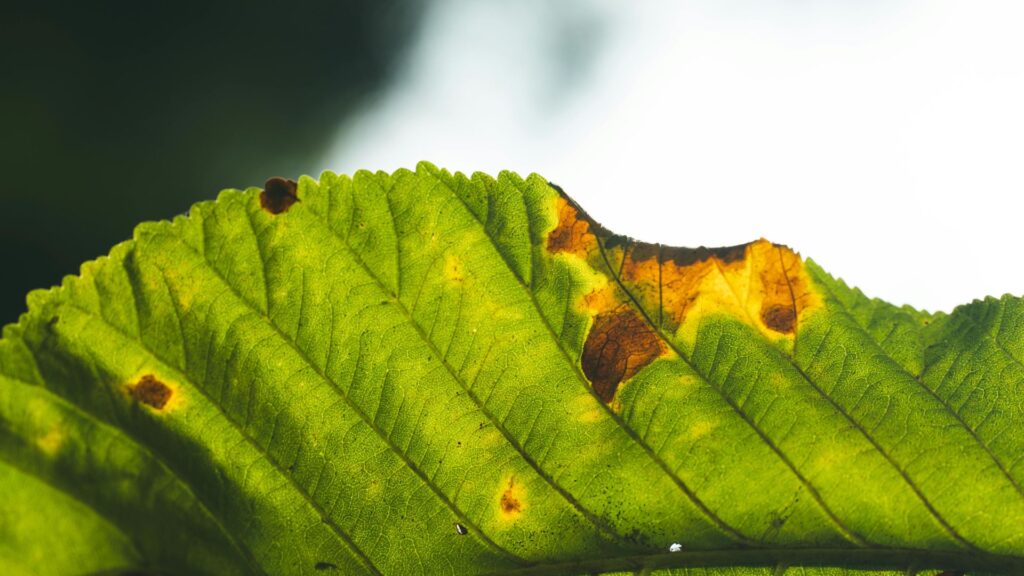
Evaluating the effectiveness of treatment techniques is crucial in plant disease management. Each method’s success can vary based on factors such as the type of pathogen, the plant species, and the environmental conditions. For example, chemical controls often provide rapid results but may not address underlying issues like soil health or crop diversity. In contrast, biological and cultural methods may take longer to show results but can lead to more sustainable plant health in the long run. Therefore, a holistic approach that incorporates various treatment techniques is often the most effective. Additionally, for optimal management, consider monitoring disease symptoms in plants to catch issues early and respond swiftly. This proactive approach not only allows for timely interventions but also helps in refining treatment strategies based on observed outcomes. By combining these techniques, gardeners and farmers can create a resilient system that effectively combats plant diseases while promoting overall plant vitality.
Case Studies: Successful Disease Prevention
To effectively combat plant diseases, successful case studies provide valuable insights into practical disease prevention strategies. By analyzing real-life examples, we can better understand how to implement these techniques in our own gardens and landscapes. The following case studies highlight innovative approaches to disease prevention, showcasing their impact on plant health and resilience. These examples not only demonstrate the effectiveness of various methods but also inspire gardeners and farmers to adopt similar practices tailored to their specific environments. By learning from these experiences, we can enhance our understanding of plant health management and contribute to the overall sustainability of our ecosystems.
Case Study 1: Vegetable Gardens
In a suburban vegetable garden, a community initiative successfully tackled a persistent blight issue affecting tomatoes. Gardeners implemented crop rotation, a key technique in disease prevention. They rotated their tomato plants with legumes, which naturally enrich the soil and disrupt the life cycle of pathogens. This practice not only reduces the risk of disease but also enhances soil fertility, creating a healthier growing environment. Additionally, they introduced companion planting by integrating basil among the tomato rows. This combination not only deterred pests but also enhanced overall plant health by promoting beneficial insect activity. Consequently, the incidence of blight dropped significantly, demonstrating the effectiveness of these integrated methods in maintaining a thriving vegetable garden. This case exemplifies how community collaboration can lead to innovative solutions that benefit all participants.
Case Study 2: Ornamental Plants
In a botanical garden known for its diverse ornamental plants, staff faced a severe outbreak of powdery mildew. To address this challenge, they adopted a multi-faceted approach focused on environmental modification and cultural practices. First, they improved air circulation by strategically pruning dense foliage, allowing for better airflow and reducing humidity levels that favor mildew growth. Furthermore, they applied organic fungicides made from neem oil, which proved effective without harming beneficial insects. This careful selection of treatment options highlights the importance of balancing pest control with ecosystem health. As a result, the powdery mildew was controlled, and plant health improved dramatically. This case illustrates how proactive measures can lead to successful disease prevention in ornamental plant care. By sharing their findings, the botanical garden has inspired other institutions to adopt similar practices, fostering a culture of knowledge exchange in plant health management.
Bringing It All Together
To summarize, implementing effective prevention techniques is essential in combating disease spread and promoting plant health. By understanding the dynamics of how diseases propagate—through environmental factors and human activities—gardeners and farmers can take proactive steps to safeguard their plants. Key strategies such as isolating infected specimens, practicing thorough sanitation, and employing targeted treatments can significantly reduce the risks associated with harmful pathogens. For instance, isolating infected plants prevents the spread of diseases to healthy specimens, while sanitation practices, like disinfecting tools and equipment, can eliminate potential sources of infection.
Moreover, integrating these techniques into your regular plant care routine not only minimizes the chances of disease but also fosters a healthier growing environment. Therefore, it is crucial to remain vigilant and proactive in applying these methods consistently. Furthermore, educating oneself about the specific diseases that affect local flora can enhance prevention efforts, allowing for tailored approaches that address particular threats.
Ultimately, the health of our plants reflects our commitment to prevention. We encourage you to start implementing these strategies today, ensuring the longevity and vitality of your garden or crops. Remember, every small action counts in the fight against disease spread. With a dedicated approach, we can look forward to thriving plants and a flourishing ecosystem that benefits us all. By prioritizing plant health, we not only enhance our gardens but also contribute to a sustainable environment for future generations.