Advanced protocols for handling severe fungal and mite problems are essential for anyone aiming to protect their plants and crops effectively. These issues can devastate gardens and agricultural efforts, leading to significant losses if not addressed promptly. Fungal problems, such as mildew and rot, can spread quickly; moreover, mite problems often go unnoticed until they become severe. Therefore, understanding how to tackle these challenges is crucial for maintaining healthy plants and ensuring a fruitful yield.
In this article, we will explore advanced strategies to manage these pervasive issues effectively. First, we will delve into the identification of specific fungal and mite problems, providing you with the tools to recognize early signs of infestation. Next, we will discuss various treatment options, including organic solutions and chemical interventions, to combat these threats effectively. Furthermore, we will share preventative measures that can help mitigate future outbreaks, thus ensuring your plants remain robust and thriving.
Identifying Severe Fungal Problems in Plants
Identifying severe fungal problems in plants is crucial for gardeners and farmers alike. Early detection allows for timely intervention, which can save plants and prevent the spread of diseases. Fungal infections can manifest in various forms, and understanding the common symptoms is key to effective management. With a keen eye, you can spot these issues before they escalate, ensuring healthier plants and potentially greater yields. Additionally, recognizing the environmental conditions that favor fungal growth can further enhance your ability to manage these problems effectively. For instance, high humidity and poor air circulation can create an ideal environment for fungal infections to thrive, making it essential to monitor your plants regularly.
Recognizing Early Symptoms
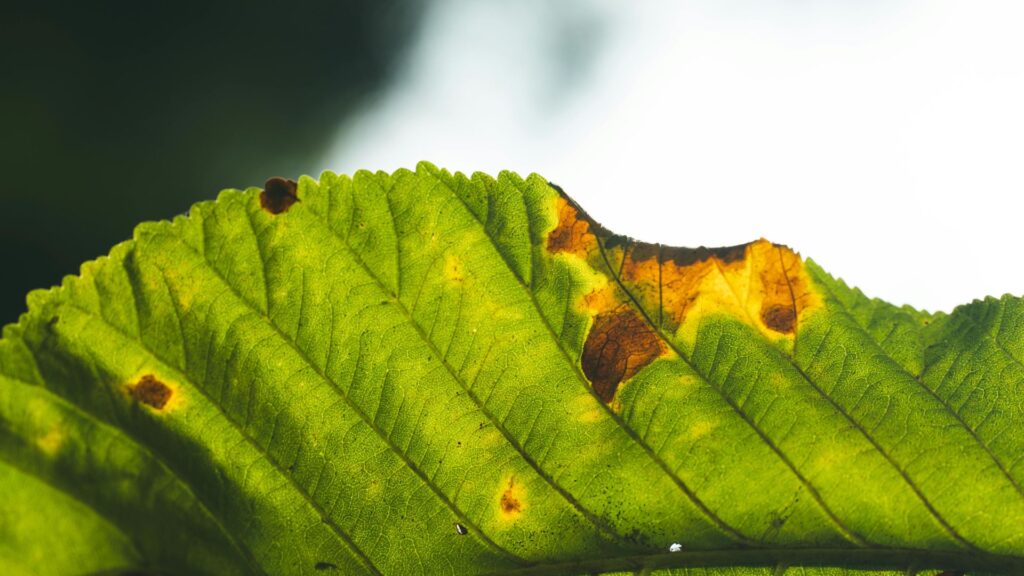
The first step in identifying fungal problems is recognizing early symptoms. Often, you may notice discoloration on leaves, which can appear yellow, brown, or even black. Additionally, wilting or curling leaves might indicate an underlying issue. Moreover, fungal infections frequently lead to the appearance of spots or patches on plant surfaces, which can be fuzzy or powdery in texture. To illustrate, powdery mildew is a common sight in gardens and can be easily identified by its white, talcum-like coating on leaves. Consequently, being vigilant about these signs can help you intervene before the situation worsens. Furthermore, if you observe a sudden drop in plant vigor or stunted growth, these may also be indicators of a fungal problem that requires immediate attention.
Common Plant Diseases Caused by Fungi
Several plant diseases are directly attributed to fungal infections, and each presents unique challenges. For example, root rot is a severe issue that can result from overwatering and poor drainage, allowing fungi to thrive in the soil. Furthermore, leaf spot diseases can lead to significant damage, as infected leaves are unable to photosynthesize effectively. Similarly, blight, such as late blight in tomatoes, can cause rapid plant decline and is often exacerbated by high humidity. Therefore, it’s essential to familiarize yourself with these common diseases and their specific symptoms to address them promptly. Additionally, fungal issues like rust can affect a wide range of plants, leading to yellow or orange pustules on leaves, which can severely impact overall plant health. For further insights on tackling these issues, refer to effective disease management strategies for guidance on maintaining healthy plants.
By understanding the early signs of fungal problems and the common diseases they cause, you can take proactive steps to protect your plants. Additionally, for more reliable information on fungal infections, consider checking resources like MedlinePlus. This knowledge empowers you to act swiftly, ensuring your gardening efforts yield the best results possible. Ultimately, staying informed and observant will not only help you identify fungal problems early but also equip you with the necessary tools to maintain a thriving garden.
Understanding Mite Problems and Their Impact on Plant Health
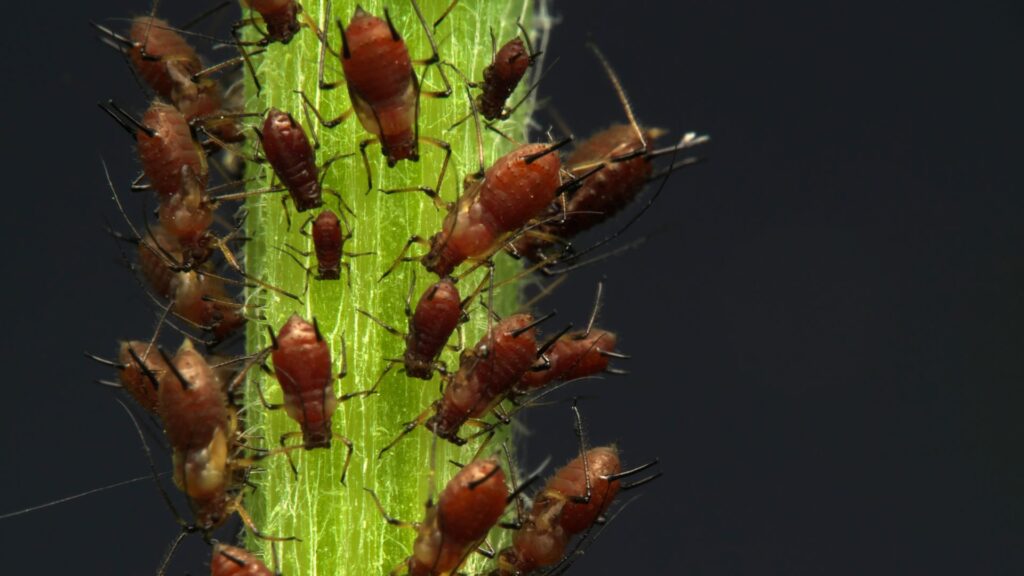
Understanding mite problems is crucial for anyone involved in gardening or agriculture, as these pests can severely impact plant health. Mites, tiny arachnids, often go unnoticed until significant damage has occurred, making early detection vital. They thrive in warm, dry conditions, which makes them a common threat in various environments, from home gardens to large agricultural fields. Identifying mite infestations early allows for timely intervention, ultimately preventing further damage to plants. By familiarizing yourself with the symptoms and effects of mite problems, you can safeguard your plants and ensure their longevity. Moreover, understanding the life cycle and behavior of these pests will enhance your ability to manage them effectively, thereby protecting your investment in your plants.
Identifying Mite Infestations
Recognizing the symptoms of mite infestations is essential for effective management. Common signs include stippling or speckling on leaves, which occurs as the mites feed on plant sap. Additionally, you may notice webbing, particularly on the undersides of leaves, which is a telltale sign of spider mites. Moreover, leaves may become discolored or droop due to the loss of vitality. To enhance your knowledge, check out this comprehensive guide on the symptoms of mite infestations. Furthermore, it is important to inspect plants regularly, especially during warmer months when mite populations can explode. By understanding these indicators, you can implement pest control measures promptly, reducing the risk of severe damage.
Damage Caused by Mites
The damage caused by mites can be both immediate and long-lasting. First, they sap the nutrients from plants, leading to stunted growth and reduced yields. Consequently, affected plants may exhibit yellowing leaves and wilting, ultimately compromising their health. Furthermore, prolonged infestations can lead to secondary infections, as weakened plants become more susceptible to diseases. In addition, some mite species can transmit viruses, compounding the problem. Therefore, taking swift action against mite problems is crucial to maintain plant vigor and productivity. To illustrate, a single spider mite can lay hundreds of eggs in a short period, leading to rapid population growth that can devastate crops. By employing appropriate pest control strategies, such as introducing natural predators or using insecticidal soaps, you can protect your plants from the detrimental effects of these pests and ensure a thriving garden or crop. Additionally, implementing cultural practices, such as maintaining optimal humidity levels and ensuring good air circulation, can help mitigate mite infestations in the long run.
Advanced Protocols for Managing Severe Fungal and Mite Infestations
Managing severe fungal and mite infestations requires a strategic approach to ensure effective treatment and long-term prevention. Utilizing advanced protocols is essential for successful infestation management, especially when dealing with persistent problems that threaten plant health. It’s not just about addressing the current issues but also implementing practices that prevent future outbreaks. In this section, we’ll explore various treatment methods for fungi and effective strategies for managing mite populations, equipping you with the knowledge needed to protect your plants. By understanding these advanced protocols, you can create a comprehensive plan that not only addresses existing infestations but also fortifies your plants against future threats.
Fungal Treatment Methods
There are several advanced protocols available for treating fungal infestations, each with its own benefits and drawbacks. Traditional chemical fungicides can be highly effective but may harm beneficial organisms in the soil, leading to ecological imbalances. Therefore, many gardeners are turning to organic options, such as neem oil or baking soda solutions, which can disrupt fungal growth without the same ecological impact. Moreover, promoting good air circulation and proper watering techniques can significantly reduce the risk of fungal problems. For instance, ensuring that plants are not overcrowded allows for better airflow, which is crucial in preventing fungal diseases.
Here’s a comparison of some popular fungal treatment methods:
| Treatment Method | Effectiveness | Environmental Impact |
|---|---|---|
| Chemical Fungicides | High | Moderate to High |
| Neem Oil | Moderate | Low |
| Baking Soda Solution | Low to Moderate | Very Low |
| Copper-based Fungicides | Moderate to High | Moderate |
This table highlights the effectiveness and environmental impact of various fungal treatments. As you can see, while chemical fungicides may offer the highest efficacy, they come with environmental costs that can affect the surrounding ecosystem. Conversely, organic treatments like neem oil provide a more sustainable option, making them a popular choice among eco-conscious gardeners. Additionally, integrating cultural practices such as crop rotation can further enhance the effectiveness of these treatments by breaking the life cycle of fungal pathogens.
Mite Management Strategies
When it comes to managing mite infestations, advanced protocols focus on both treatment and prevention. Regular monitoring is crucial, as early detection can prevent a small problem from escalating into a full-blown infestation. Biological controls, such as introducing predatory mites, can effectively reduce populations without harming the plants. Furthermore, maintaining humidity levels and using insecticidal soaps can further assist in controlling mite numbers. For example, increasing humidity can create an unfavorable environment for spider mites, which thrive in dry conditions.
Here’s a comparison of popular mite management strategies:
| Strategy | Effectiveness | Application Frequency |
|---|---|---|
| Biological Control | High | As needed |
| Insecticidal Soap | Moderate to High | Every 1-2 weeks |
| Regular Monitoring | Essential | Weekly |
In this table, we can see the effectiveness and application frequency of various mite management strategies. Biological controls stand out as highly effective, particularly when combined with regular monitoring, which remains an essential practice for long-term success. Additionally, employing companion planting can deter mites naturally, as certain plants repel these pests, creating a more balanced ecosystem in your garden.
By combining various advanced protocols for both fungal treatment methods and mite management strategies, you can achieve effective infestation management. The integration of organic treatments, biological controls, and cultural practices not only addresses current infestations but also builds resilience against future outbreaks. By utilizing the information provided, you can adopt effective treatment plans for fungus and mites, safeguarding the health of your plants for years to come. This holistic approach ensures that your gardening efforts yield fruitful results while maintaining ecological balance.
Salvaging Plants After Severe Infestations
After experiencing severe infestations, salvaging plants can feel daunting; however, it is often possible to restore them to health with the right approach. The key lies in understanding the specific type of pest or fungal issue affecting your plants and taking appropriate recovery measures. Whether you’re dealing with root rot from moisture-loving fungi or leaf damage from sucking mites, timely intervention can significantly influence plant health. Therefore, let’s explore practical steps you can take to recover your beloved plants and ensure they flourish once more, ultimately enhancing your gardening experience.
Steps to Recover Plants
To begin with, assess the extent of the damage. If you notice discoloration, wilting, or visible pests, it’s essential to act quickly. First, remove any severely affected leaves or stems to prevent the spread of the infestation. For instance, if you spot powdery mildew, cut away the impacted areas and ensure you dispose of them properly to avoid reinfection. Next, consider applying appropriate treatments, such as fungicides or insecticidal soap, to target the specific problem. Additionally, adjusting your watering routine can improve plant health; overwatering can exacerbate fungal issues, while underwatering can stress the plant, making it more vulnerable to pests.
Once you’ve treated the plants, monitor their recovery closely. Look for new growth, which indicates they are bouncing back. Furthermore, ensure they receive adequate light and nutrients, as this will help them regain strength and resilience against future infestations. It is also beneficial to provide a balanced fertilizer to support recovery, as nutrients play a critical role in the healing process. Moreover, consider repotting the plant if the root system is compromised, as fresh soil can provide essential nutrients and improve drainage.
Preventing Future Infestations
Preventative measures are crucial to ensure your plants remain healthy and protected from future infestations. Start by maintaining proper air circulation and avoiding overcrowding in your garden or greenhouse. This practice helps reduce humidity levels, which can promote fungal growth. Additionally, regularly inspect your plants for early signs of pests or disease. Early detection allows for swift action and minimizes damage.
Moreover, consider implementing a routine of cleaning your gardening tools and equipment. This simple step can prevent the accidental transfer of pests and pathogens. For further reading on fungal infections and effective treatments, check out Fungal Infection (Mycosis): Types, Causes & Treatments.
Lastly, remember to select disease-resistant plant varieties whenever possible. These plants are better equipped to withstand pests and diseases, contributing to overall plant health and reducing the need for extensive intervention down the line. Additionally, fostering a diverse garden can create a balanced ecosystem that naturally deters pests, promoting a healthier environment for all your plants. By implementing these strategies, you can significantly enhance your gardening success and enjoy a thriving, vibrant landscape.
Best Practices for Plant Care Against Pests
Maintaining healthy plants requires a proactive approach to plant care, especially regarding pest management strategies. By implementing best practices, you can significantly reduce the risk of pest infestations and ensure your plants thrive. Firstly, understanding the specific needs of your plants is crucial. Each species has its own vulnerabilities, so researching their requirements for light, water, and nutrients will help you create a strong foundation for pest resistance. Healthy plants are less likely to attract pests, making preventive care a vital component of your overall strategy. Additionally, cultivating a diverse garden can enhance resilience, as a variety of plants can create a more balanced ecosystem, discouraging pest populations.
Furthermore, integrating organic amendments into your soil can improve plant health. For example, adding compost not only enriches the soil but also promotes beneficial microorganisms that can outcompete harmful pests. This holistic approach to plant care not only strengthens your plants but also fosters a thriving garden environment.
Preventive Care for Plant Health
Preventive care is the cornerstone of effective pest management strategies. Start by ensuring your plants have adequate nutrition and hydration, as stressed plants are more susceptible to pests. Additionally, consider companion planting, where certain plants are grown together to deter pests. For example, marigolds are known to repel nematodes and other harmful insects, while basil can deter aphids and whiteflies. Furthermore, maintaining proper airflow around your plants can help prevent fungal diseases and limit pest habitats. Regularly inspecting your plants for signs of distress or damage will also allow you to address issues before they escalate. Moreover, removing any dead or decaying plant material can reduce hiding spots for pests and minimize the risk of disease.
Monitoring and Ongoing Care
Monitoring your plants is essential for ongoing care and early pest detection. Regular checks can help you identify potential problems before they become severe. For instance, look for unusual discoloration or webbing, which may signal the presence of pests like spider mites or aphids. Additionally, consider using sticky traps to catch flying insects and monitor their populations. Thus, keeping a garden journal can also be beneficial; it allows you to track plant health and any pest activity over time. Consequently, this information can inform your pest management strategies and help you adjust your approach as needed. Furthermore, utilizing technology, such as mobile apps for plant care, can enhance your monitoring efforts by providing timely reminders and tips based on your specific plant types.
In summary, proactive plant care and diligent monitoring are key elements in the fight against pests. By implementing these best practices, you can create a healthy environment for your plants, reducing the likelihood of pest infestations and ensuring a vibrant garden. Ultimately, investing time and effort into these strategies will yield a flourishing garden that is both resilient and productive.
Your Action Plan for Managing Fungal and Mite Infestations
Ultimately, your action plan for managing fungal and mite infestations hinges on a proactive approach that emphasizes vigilance and timely intervention. Firstly, consistently monitor your plants for early signs of these issues, as timely detection is critical. Recognizing symptoms such as discoloration, wilting, or the presence of spots can make all the difference in mitigating severe infestations. Therefore, inspect your plants regularly and take immediate action if you notice any irregularities. For example, if you observe yellowing leaves or webbing on the undersides, it is essential to address these issues promptly to prevent escalation.
Furthermore, developing a diverse treatment strategy is essential for effective management. Employing both organic solutions, such as neem oil or diatomaceous earth, and, when necessary, chemical interventions can provide comprehensive protection against pests. Moreover, integrating preventative measures into your gardening routine—such as crop rotation, maintaining optimal growing conditions, and ensuring proper air circulation—will significantly reduce the likelihood of future plant infestations. Additionally, consider introducing beneficial insects, like ladybugs, which can naturally help control mite populations.
Clearly, the key to successful management lies in a blend of vigilance and action. Take the initiative to educate yourself continuously and adapt your strategies as needed. By staying informed about the latest pest management techniques and understanding the life cycles of both fungal and mite problems, you can enhance your response efforts. Finally, remember that a healthy plant is your best defense against pests and diseases. By prioritizing these practices, you can cultivate thriving plants and enjoy a bountiful harvest for years to come, ultimately ensuring the long-term success of your gardening endeavors.