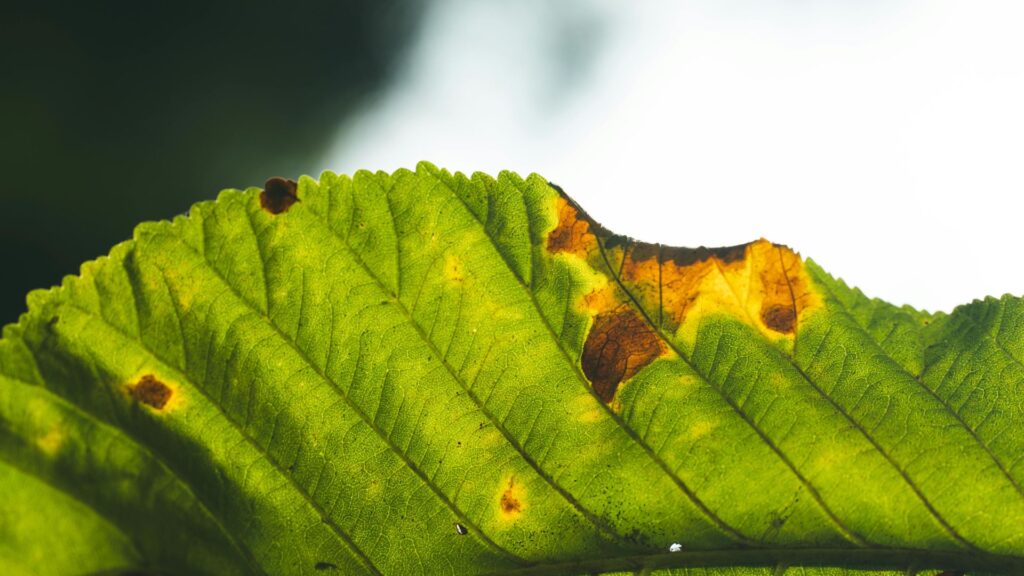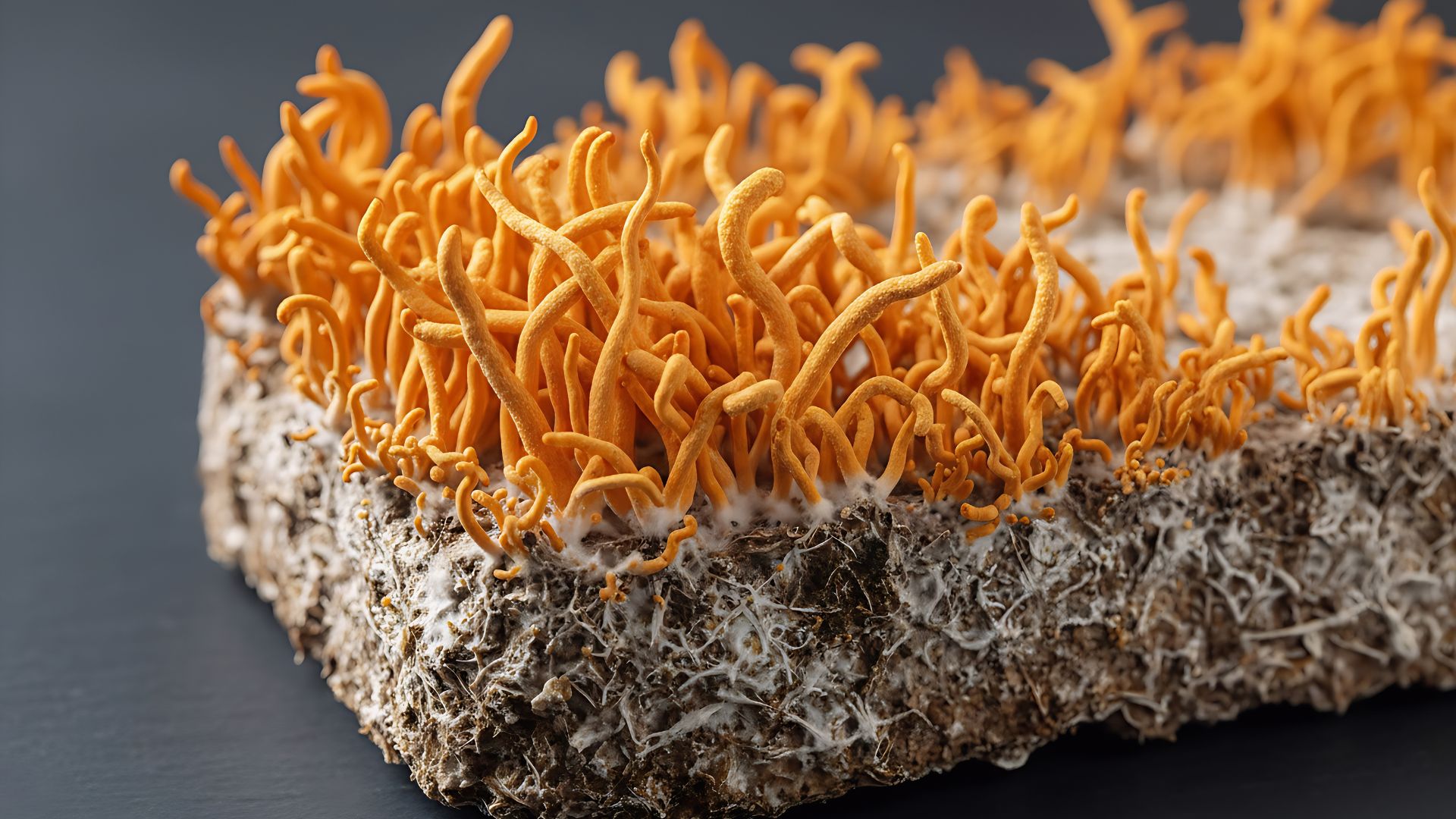
Fungus and pests present a dual threat that can devastate vegetable gardens, making it essential for gardeners to understand their impact. These unwelcome invaders not only compromise the health of plants but also reduce yields and diminish the quality of produce. Consequently, recognizing the signs of fungus and pests is crucial for effective management. For instance, yellowing leaves may indicate pest infestations, while unusual spots can signal fungal infections.
In this comprehensive guide, we will explore integrated pest and disease management strategies that can help you tackle these challenges effectively. Specifically, we will discuss various techniques for identifying and controlling fungus and pests, as well as preventive measures to keep your garden thriving. Furthermore, by implementing these methods, you can cultivate a robust vegetable garden that stands resilient against these common threats. Additionally, understanding the life cycles of pests and fungi can empower you to anticipate and mitigate their impact, ensuring a bountiful harvest.
Understanding Fungus and Pests in Vegetables
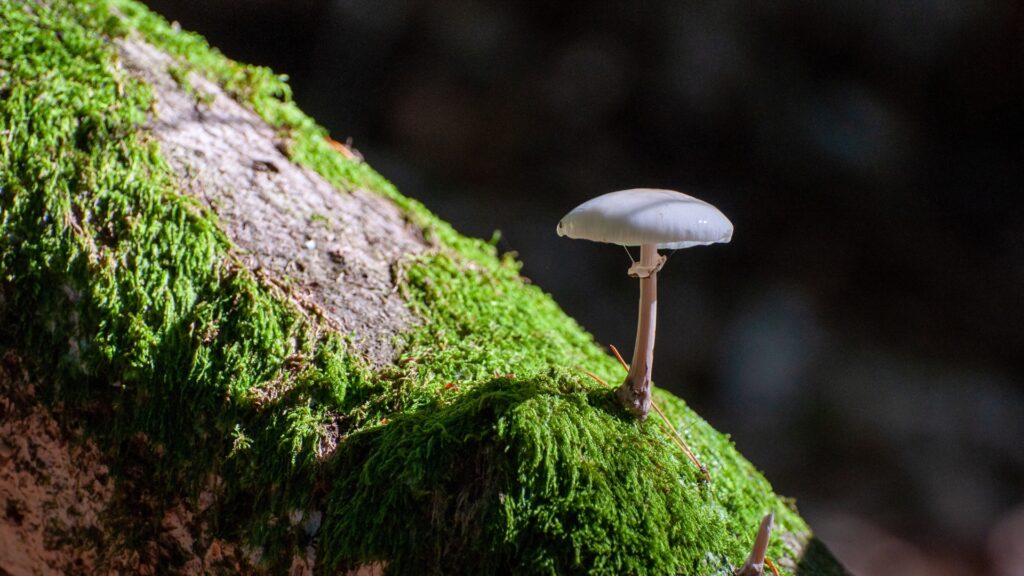
Understanding the challenges posed by fungus and pests is vital for any successful vegetable gardening endeavor. Fungal diseases can quickly spread among plants, leading to wilted leaves, poor growth, and even total crop loss. For instance, powdery mildew is a common fungus that coats leaves with a white powder, while root rot can silently damage plants from below the soil. To combat these issues, regular monitoring and early detection are key. Moreover, ensuring proper air circulation and implementing effective watering practices can help reduce the likelihood of these problems arising. Additionally, maintaining healthy soil through organic amendments can bolster plant resistance against these threats.
Common Types of Fungal Diseases
Various fungal diseases threaten vegetables, and recognizing them early is crucial for effective management. For example, blight affects tomatoes and potatoes, causing dark spots and eventually killing the plant. Similarly, downy mildew tends to impact cucumbers and squash, leading to yellowing leaves and stunted growth. Furthermore, rust diseases can affect a range of vegetables, presenting as orange or brown pustules on the underside of leaves. Thus, understanding these diseases allows gardeners to take proactive measures, such as selecting resistant varieties and applying fungicides when needed. Additionally, crop rotation can be an effective strategy to minimize the recurrence of fungal diseases in subsequent growing seasons.
Identifying Common Vegetable Pests
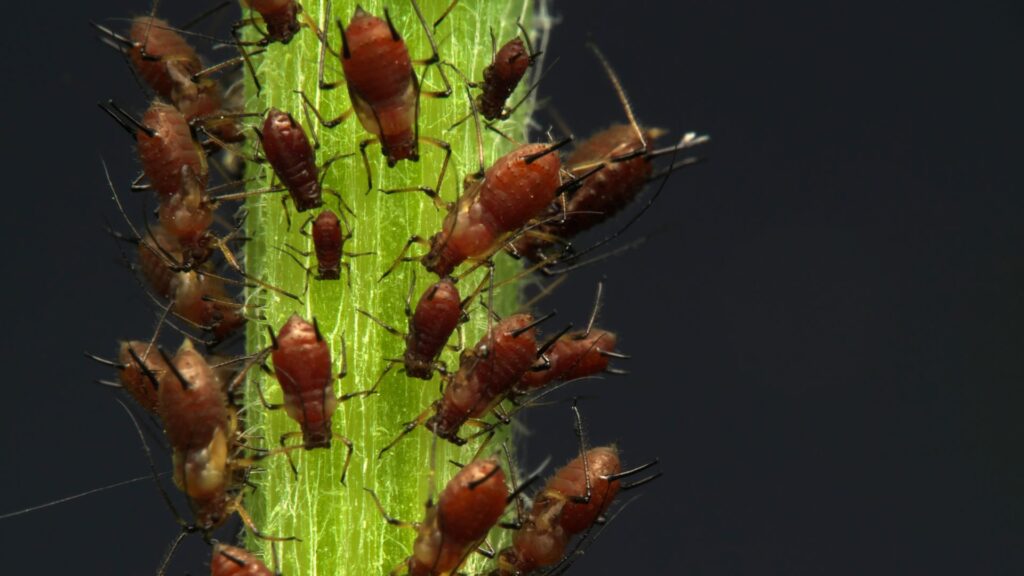
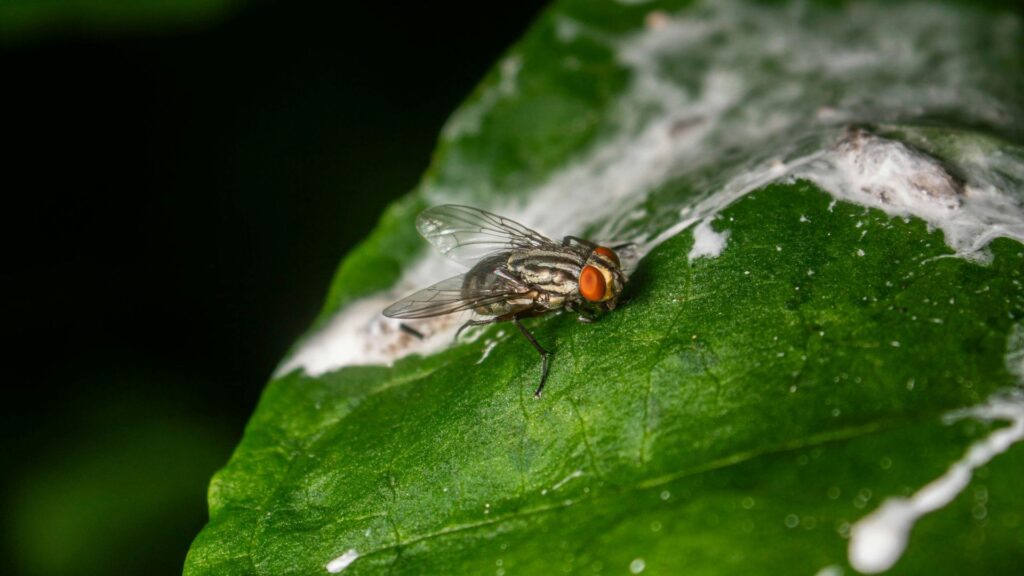
Pests also play a significant role in hindering vegetable production. Aphids, for example, are tiny insects that suck the sap from plants, leading to wilting and stunted growth. To illustrate, the presence of sticky honeydew on leaves often indicates a serious aphid infestation. Moreover, caterpillars, such as those from the cabbage moth, can devour entire leaves, leaving behind a skeleton. Consequently, regular inspections of plants are necessary to catch these pests early. Implementing organic pest control methods, like introducing beneficial insects or using insecticidal soaps, can significantly reduce pest populations, ensuring your vegetable garden thrives. Additionally, companion planting can deter certain pests naturally, providing an eco-friendly approach to pest management.
Integrated Management Strategies
To effectively tackle both fungus and pests, an integrated approach is essential. This includes combining cultural practices, biological controls, and chemical treatments when necessary. For instance, planting disease-resistant varieties, practicing crop rotation, and maintaining proper sanitation in the garden can significantly reduce the incidence of both fungal infections and pest infestations. Moreover, regularly educating oneself about the life cycles of common pests and fungi can empower gardeners to anticipate issues before they escalate. By employing these comprehensive strategies, you can cultivate a robust vegetable garden that stands resilient against these common threats, ultimately leading to a healthier and more productive harvest.
Integrated Pest Management Strategies for Vegetables
Integrated Pest Management (IPM) offers a holistic approach to managing pests in vegetable gardens, focusing on sustainable practices that minimize harm to the environment. Unlike traditional pest control methods, IPM emphasizes the integration of various pest control strategies, including biological, cultural, and mechanical methods. This adaptive approach ensures that gardeners can effectively manage pest populations while reducing reliance on chemical pesticides. Consequently, understanding the core principles of IPM is essential for anyone looking to maintain a healthy vegetable garden. By fostering a balanced ecosystem, IPM not only protects crops but also promotes environmental health.
Key Principles of Integrated Pest Management
The key principles of integrated pest management revolve around prevention, monitoring, and control. First, prevention involves implementing practices such as crop rotation, selecting resistant plant varieties, and maintaining garden hygiene. For example, rotating crops can disrupt pest life cycles, while resistant varieties can withstand specific pest pressures. Additionally, monitoring is crucial; gardeners should regularly inspect plants for signs of pests or disease, allowing for early intervention. This proactive approach enables timely responses to emerging threats. Finally, control methods may include biological agents, like beneficial insects, or physical barriers, such as row covers. Therefore, by combining these methods, IPM creates a balanced ecosystem that supports plant health and reduces pest pressure.
| Pest Control Method | Traditional Pest Control | Integrated Pest Management |
|---|---|---|
| Approach | Chemical-centric | Holistic and sustainable |
| Emphasis on Monitoring | Minimal, reactive | Regular, proactive |
| Environmental Impact | High, potential harm | Low, promotes biodiversity |
Benefits of Using Integrated Pest Management
Adopting integrated pest management offers numerous advantages for vegetable gardeners. For instance, it reduces the likelihood of pesticide resistance, as IPM relies on various methods rather than a single chemical solution. Moreover, this approach enhances biodiversity, encouraging beneficial insects and microorganisms that contribute to plant health. For example, ladybugs can help control aphid populations, while certain fungi can outcompete harmful pathogens in the soil. Consequently, healthier plants result in better yields and quality produce. Additionally, IPM often proves to be more cost-effective in the long run, as it reduces the need for expensive chemical treatments. Thus, embracing IPM not only supports a sustainable gardening practice but also fosters a thriving vegetable garden.
Furthermore, implementing IPM strategies can lead to improved soil health and resilience against environmental stressors. By focusing on practices that enhance soil quality, such as composting and cover cropping, gardeners can create a more robust ecosystem. This, in turn, supports plant growth and reduces vulnerability to pests and diseases. Therefore, the long-term benefits of IPM extend beyond immediate pest control, contributing to the overall sustainability of gardening practices.
Practical Applications of Integrated Pest Management
In practice, integrated pest management can be tailored to specific vegetable crops and local conditions. For example, using companion planting—where certain plants are grown together to deter pests—can be an effective strategy. Additionally, employing traps to monitor pest populations can provide valuable data for making informed management decisions. By integrating these diverse techniques, gardeners can develop a comprehensive IPM plan that addresses their unique challenges while promoting a healthier garden environment.
Organic Solutions for Managing Vegetable Pests
Managing vegetable pests organically is a sustainable approach that promotes plant health while minimizing environmental impact. By utilizing organic solutions, gardeners can effectively deter insects and diseases without resorting to harsh chemicals. This strategy not only protects the ecosystem but also ensures that the vegetables grown are safe for consumption. For example, introducing beneficial insects like ladybugs can help control aphid populations naturally. Moreover, creating a diverse garden with companion planting can deter pests and promote overall plant vitality. Additionally, incorporating organic practices such as crop rotation can disrupt pest life cycles, further enhancing the resilience of your vegetable garden.
Natural Pest Control Methods
Natural pest control methods are an essential part of an organic gardening strategy. For instance, neem oil, derived from the seeds of the neem tree, serves as a powerful insect repellent. It disrupts the life cycle of pests like caterpillars and aphids, making it harder for them to thrive. Additionally, insecticidal soap can be effective against soft-bodied insects, providing a quick solution without harming beneficial insects. Furthermore, physical barriers such as row covers can protect young plants from pests while allowing sunlight and moisture to reach them. Consequently, these methods not only mitigate pest issues but also enhance plant health. To illustrate, using diatomaceous earth around the base of plants can deter crawling insects while remaining safe for the environment.
Using Organic Fungicides
Organic fungicides play a crucial role in managing fungal diseases within vegetable gardens. These products, typically made from natural ingredients, are effective in controlling pathogens without negatively impacting the environment. For example, potassium bicarbonate and copper-based fungicides can help fend off diseases like powdery mildew and blight. Moreover, applying these organic solutions at the first sign of disease can prevent further spread and protect the overall health of your plants. To illustrate, regular applications during wet weather can significantly reduce the incidence of fungal outbreaks. Therefore, incorporating organic fungicides into your gardening routine is essential for maintaining thriving vegetable crops. Additionally, practices such as improving soil drainage and ensuring proper spacing between plants can further reduce the risk of fungal infections.
Enhancing Plant Health Through Organic Practices
In addition to pest and disease management, enhancing overall plant health is vital for a successful vegetable garden. Implementing practices such as mulching can help retain soil moisture and suppress weed growth, which in turn reduces competition for nutrients. Similarly, using organic fertilizers can provide essential nutrients that bolster plant resilience against pests and diseases. Furthermore, regular monitoring of plant health, including checking for signs of stress or nutrient deficiencies, can help gardeners take proactive measures. By fostering a healthy growing environment, you not only improve the quality of your vegetables but also create a more balanced ecosystem that naturally deters pests and diseases.
Case Studies: Success Stories in Vegetable Gardening
In the realm of vegetable gardening, real-life success stories can provide invaluable insights into effective management practices for both fungus and pests. These case studies highlight the innovative approaches adopted by gardeners who faced daunting challenges but emerged victorious. By examining their experiences, we can glean practical strategies that can be implemented in our own gardens. The following case studies showcase successful fungus management and pest control strategies, illustrating how these gardeners turned potential disasters into thriving harvests. Moreover, they emphasize the importance of adaptability and continuous learning in the gardening journey.
Case Study 1: Successful Fungus Management
One gardener, Jane, faced severe powdery mildew in her zucchini patch. After researching various solutions, she implemented a combination of organic fungicides and improved air circulation techniques. By spacing her plants adequately and applying a baking soda solution, she managed to reduce the incidence of mildew significantly. Consequently, her zucchini yield increased by 40% compared to the previous year. This case exemplifies the importance of proactive measures and utilizing safe, effective treatments in vegetable gardening. Furthermore, Jane’s experience illustrates the value of community support; she shared her findings with local gardening clubs, inspiring others to adopt similar strategies.
Case Study 2: Pest Control Success
Meanwhile, another gardener, Tom, struggled with aphid infestations on his vegetable crops. To combat this, he employed a series of pest control strategies, including introducing ladybugs and using neem oil as a natural insecticide. Additionally, he cultivated companion plants like marigolds to deter pests. As a result, he reduced the aphid population by over 75%, leading to healthier plants and a more bountiful harvest. This case demonstrates how integrated pest management can effectively address pest issues while maintaining a healthy ecosystem. To further enhance his garden’s resilience, Tom also practiced crop rotation, which minimized the likelihood of recurring infestations.
| Case Study | Key Strategy | Result |
|---|---|---|
| Jane’s Zucchini | Organic fungicide & spacing | 40% yield increase |
| Tom’s Vegetable Crop | Ladybugs & neem oil | 75% aphid reduction |
These case studies highlight the effectiveness of tailored strategies in vegetable gardening. By adopting similar approaches, gardeners can tackle their own challenges with fungus and pests, fostering a more productive and sustainable gardening experience. Additionally, these stories serve as a reminder that success in gardening often comes from experimentation and perseverance. Therefore, aspiring gardeners should feel empowered to try different methods and learn from both their successes and failures, ultimately contributing to a thriving vegetable garden.
Best Practices for Plant Disease Prevention
Preventing plant diseases is not just about reactive measures; it begins with a proactive approach rooted in sustainable gardening practices. By focusing on soil health and employing crop rotation, gardeners can significantly reduce the risk of diseases and pests. Healthy plants start with healthy soil, which provides essential nutrients and fosters robust growth. Consequently, this minimizes the likelihood of disease development and enhances the resilience of your vegetable garden. Additionally, integrating companion planting can further bolster your defenses against pests and diseases, creating a more diverse and balanced ecosystem.
Maintaining Healthy Soil
Healthy soil is the foundation of effective plant disease prevention. First, enrich your soil with organic matter, such as compost or well-rotted manure, to improve its structure and nutrient content. This not only supports plant growth but also encourages beneficial microorganisms that can fend off pathogens. Moreover, regular soil testing helps identify nutrient deficiencies, enabling adjustments that promote optimal plant health. For example, adding specific fertilizers can enhance your soil’s pH balance, creating an environment less conducive to disease. Furthermore, incorporating cover crops during the off-season can prevent soil erosion and improve nutrient retention. Thus, by prioritizing soil health, you create a thriving ecosystem that naturally wards off potential threats.
Crop Rotation Techniques
Employing crop rotation is another powerful strategy for plant disease prevention. By changing the types of crops planted in specific areas each season, you disrupt the life cycles of pests and diseases that may linger in the soil. For instance, if you plant tomatoes one year, consider following with legumes the next. This practice not only minimizes disease risk but also improves soil fertility, as different plants contribute various nutrients. Additionally, rotating crops helps prevent the buildup of pathogens that thrive on specific plant families. Therefore, regularly updating your planting strategy can lead to healthier plants and more bountiful harvests. To illustrate, rotating brassicas with root vegetables can significantly reduce the risk of clubroot disease, a common issue for cabbage family plants.
Companion Planting Strategies
Incorporating companion planting is an effective method to enhance plant disease prevention. Certain plants can naturally repel pests or attract beneficial insects that prey on harmful species. For example, marigolds are known to deter nematodes and aphids, while basil can repel flies and mosquitoes. Additionally, planting garlic near roses can help ward off aphids and other pests. By strategically pairing plants, you create a more resilient garden ecosystem. Consequently, this not only aids in pest control but also promotes biodiversity, which is essential for a thriving vegetable garden.
Incorporating these practices into your gardening routine can significantly enhance the resilience of your vegetable garden against diseases and pests. By focusing on soil health, implementing crop rotation, and utilizing companion planting, you set the stage for successful and sustainable gardening.
Conclusion: Your Action Plan for Healthy Vegetables
Your Action Plan for Healthy Vegetables
As you conclude your journey toward healthier vegetables, it is essential to create an actionable plan for effectively managing fungus and pests. First, incorporate integrated pest management (IPM) techniques into your routine. For instance, regularly inspect your plants for early signs of pests or fungus, which allows for swift intervention. Additionally, consider using companion planting to naturally deter pests. Specifically, marigolds can repel nematodes and other harmful insects, providing a natural defense for your vegetable garden.
Moreover, maintaining proper cultural practices is crucial. Ensure good air circulation around your plants and avoid watering them late in the day, as this can encourage fungal growth. Instead, water early in the morning, allowing plants to dry out throughout the day. Furthermore, keep your garden free from debris, as it can harbor pests and diseases.
Lastly, remember to stay informed about common pests and diseases relevant to your region. Therefore, utilizing local extension services or gardening clubs can offer valuable insights. By implementing these strategies, you will foster a thriving vegetable garden that is resilient against the threats of fungus and pests, ultimately leading to a bountiful harvest.