Garden pest control is a vital component of maintaining a thriving and healthy garden. For gardeners, understanding the intricacies of pest management is crucial, as it directly affects plant growth and productivity. Unchecked pests can wreak havoc on your garden, leading to diminished yields and even plant death. Therefore, taking proactive measures in garden pest control not only safeguards your plants but also enhances the overall beauty and vitality of your outdoor space.
In this article, we will explore effective strategies for pest management that cater to various gardening needs. Furthermore, we will discuss both natural and chemical solutions, preventative measures, and the importance of monitoring pest activity. For instance, you will learn how to identify common garden pests and implement tailored solutions that align with your gardening style. By the end, you will be equipped with the knowledge and tools necessary to manage pests effectively, ensuring your garden flourishes throughout the year.
Understanding Garden Pest Control: The Basics
Understanding the basics of garden pest control is vital for anyone looking to cultivate a successful garden. Garden pest control refers to the strategies and methods used to manage insect, weed, and disease populations that threaten plant health. By mastering these techniques, gardeners can create a balanced ecosystem where plants thrive. Moreover, effective pest management helps to minimize the risks associated with pests, ensuring that the garden remains a vibrant and productive space. This foundational knowledge empowers gardeners to make informed decisions, ultimately leading to a more sustainable gardening practice.
What is Garden Pest Control?
Garden pest control encompasses a range of practices aimed at monitoring and managing pests in the garden. This includes identifying harmful organisms, understanding their life cycles, and implementing strategies to keep their populations in check. For instance, beneficial insects like ladybugs can be introduced to combat aphids, while traps can be set for snails and slugs. Additionally, employing cultural practices such as crop rotation and companion planting can significantly deter pest infestations. Consequently, a proactive approach to pest control not only reduces the immediate threat posed by pests but also fosters a healthier environment for plants to grow. By integrating these methods, gardeners can create a resilient garden ecosystem that minimizes reliance on chemical interventions.
Importance of Pest Management in Gardens
The significance of pest management in gardens cannot be overstated. Pests can cause extensive damage to plants, leading to stunted growth, reduced yields, and even plant death. For example, a small infestation of caterpillars can quickly escalate, resulting in the loss of entire crops. Therefore, effective garden pest control is essential for maintaining plant health and productivity. Furthermore, by regularly monitoring pest populations, gardeners can implement timely interventions, ultimately saving time and resources. This proactive monitoring allows for the early detection of potential issues, ensuring that control measures can be applied before infestations become severe. In this way, prioritizing pest management leads to a flourishing garden that can withstand the challenges posed by nature, enhancing both the aesthetic and functional aspects of the gardening experience.
Pest Identification: Recognizing Common Garden Pests
Recognizing common garden pests is the first step in effective pest management. Every gardener encounters various pests, and understanding how to identify them can save your plants from significant damage. Moreover, early detection can lead to more effective control strategies. Whether you’re dealing with aphids or caterpillars, knowing what to look for can make all the difference. This section will delve into how to spot these unwelcome visitors and the signs of their presence in your garden, ultimately empowering you to take action before infestations escalate.
Identifying Common Garden Pests
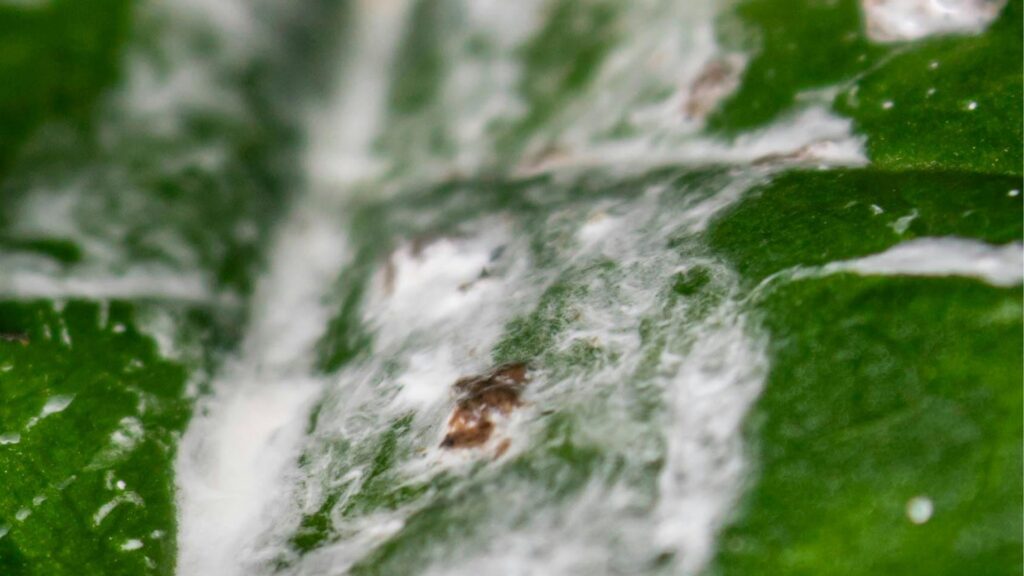
When it comes to pest identification, familiarity with the most common garden pests is essential. For example, aphids are tiny, soft-bodied insects that often cluster on new growth or the undersides of leaves. They can vary in color from green to black, making them sometimes difficult to spot. Alternatively, caterpillars can be identified by their chewing marks on leaves and the presence of frass (insect droppings). Additionally, spider mites create fine webbing on plants, indicating their presence. Therefore, keeping a close eye on your plants and recognizing these signs can help you identify which pests are invading your garden.
Furthermore, other common pests include whiteflies, which resemble tiny moths, and slugs, known for their slimy trails and nocturnal feeding habits. To illustrate, if you notice your plants wilting or showing signs of discoloration, check for these pests. Similarly, thrips, which are tiny, slender insects, can cause stippling on leaves and are often overlooked due to their size. Consequently, understanding the physical characteristics and behaviors of these pests allows for quicker and more effective intervention in your garden.
Signs of Pest Infestation
When it comes to spotting signs of pest infestation, vigilance is key. First, look for changes in plant health, such as yellowing leaves, stunted growth, or holes in foliage. These symptoms can indicate a range of pest issues. Additionally, sticky residue on leaves, known as honeydew, often indicates aphid activity. This sugary substance can attract other pests, further complicating your pest control efforts.
Moreover, you might notice discolored spots or patches on leaves, which can signify fungal infections often exacerbated by pest activity. The presence of webs or tiny specks of dirt can indicate spider mite infestations. Furthermore, if you observe a sudden increase in ants around your plants, they may be farming aphids for their honeydew. Therefore, regularly inspecting your plants will help you catch these issues early. By being proactive and aware of the symptoms, you can implement appropriate pest control measures before infestations escalate, ensuring your garden remains healthy and vibrant.
In summary, recognizing the signs of pest infestation and identifying common garden pests are crucial skills for any gardener. By honing these abilities, you can protect your plants and promote a flourishing garden environment.
Organic Pest Control vs. Chemical Pest Control: A Detailed Comparison
When discussing pest management strategies, gardeners often find themselves at a crossroads between organic and chemical pest control. Each method presents unique advantages and disadvantages that can significantly influence gardening outcomes. Understanding these differences is essential for making informed choices that align with your gardening philosophy and goals. While organic pest control promotes sustainability and safety, chemical pest control offers immediacy and effectiveness against severe infestations. Therefore, let’s delve deeper into the pros and cons of each approach to help you choose the best method for your garden.
Advantages of Organic Pest Control
Organic pest control employs natural substances and methods to manage pests without synthetic chemicals. One primary benefit is the environmental safety it offers. For instance, organic methods often protect beneficial insects and pollinators, thereby enhancing biodiversity. Additionally, organic pest control reduces chemical residue on plants, making them safer for consumption. Moreover, many organic solutions, such as neem oil or diatomaceous earth, are derived from natural sources, making them both eco-friendly and effective against various pests. This approach not only fosters a healthier garden ecosystem but also promotes long-term soil health and sustainability.
Disadvantages of Chemical Pest Control
Conversely, chemical pest control can be a double-edged sword. While chemical pesticides can quickly eliminate pests, they often come with significant downsides. One major concern is the potential harm they pose to non-target organisms, including beneficial insects and even pets. Furthermore, over-reliance on chemical methods can lead to pesticide resistance, making future pest control more challenging. Additionally, chemical residues may remain on plants, posing health risks to consumers. Consequently, while chemical pest control can be effective in the short term, it may have long-lasting negative impacts on the garden and surrounding environment.
| Aspect | Organic Pest Control | Chemical Pest Control |
|---|---|---|
| Environmental Impact | Eco-friendly, safe for wildlife | Can harm beneficial organisms |
| Health Safety | Low chemical residue | Possible health risks to consumers |
| Effectiveness | Slower, gradual results | Fast-acting, immediate results |
| Sustainability | Promotes long-term soil health | Risk of pesticide resistance |
The choice between organic and chemical pest control largely depends on individual preferences and specific gardening needs. Organic pest control offers a more sustainable approach, while chemical pest control delivers quick results. Thus, it is essential to weigh these factors carefully when deciding on pest control strategies for your garden.
Effective Pest Management Strategies for Gardens
Effective pest management strategies are essential for every gardener aiming to maintain a flourishing garden. One of the most comprehensive approaches is Integrated Pest Management (IPM), which combines various methods to prevent and control pest populations. This strategy not only focuses on the pests themselves but also considers the entire ecosystem, including beneficial insects, plants, and the environment. By understanding the interactions within this system, gardeners can implement tailored solutions that enhance plant health while minimizing harm to beneficial organisms.
The first step in IPM involves identifying the pests present in your garden. This may include examining plants for signs of damage and recognizing the specific pests responsible. Subsequently, monitoring pest populations is crucial. Regular checks help determine if intervention is necessary. Moreover, setting action thresholds can guide when to take action, preventing unnecessary treatments. For example, if aphid numbers exceed a certain level, it’s time to act. This proactive approach not only saves time and resources but also reduces the risk of pest resistance developing against treatments.
Integrated Pest Management (IPM)
Integrated Pest Management employs a variety of techniques to address pest problems effectively. First, biological control methods, such as introducing natural predators, can significantly reduce pest populations. For instance, ladybugs are known for their effectiveness against aphids, while parasitic wasps can target caterpillars. Additionally, cultural practices, such as crop rotation and companion planting, can deter pests by disrupting their life cycles. For example, planting marigolds alongside vegetables can repel nematodes and other harmful insects. Furthermore, chemical controls, when necessary, should be chosen carefully to minimize impact on non-target organisms. This multi-faceted approach ensures that pest management is both effective and environmentally responsible.
Another important aspect of IPM is evaluating the success of the strategies employed. Regularly assessing pest populations and plant health informs future decisions, allowing for adjustments in the management plan. Consequently, a successful IPM program evolves over time, becoming more efficient as the gardener gains experience and knowledge about their specific gardening environment. By documenting pest occurrences and the effectiveness of various strategies, gardeners can refine their methods, leading to more sustainable practices.
Natural Repellents for Garden Pests
In addition to IPM, using natural repellents for garden pests is an excellent way to protect plants without relying on harsh chemicals. Many gardeners find that homemade solutions can deter unwanted insects effectively. For example, a simple mix of water and dish soap can be sprayed on plants to combat aphids and spider mites. Similarly, essential oils such as neem oil or peppermint oil are known for their insect-repelling properties. These oils can be diluted with water and applied as a foliar spray, providing a natural barrier against pests.
Moreover, planting aromatic herbs like basil, rosemary, or mint can naturally deter pests while enhancing the garden’s fragrance. These plants attract beneficial insects, such as bees and butterflies, which are crucial for pollination. Additionally, physical barriers, such as row covers, can protect young plants from pests while allowing sunlight and rain to nourish them. These barriers can be particularly effective for seedlings, which are often more vulnerable to pest attacks.
By incorporating these natural repellents into your pest management strategy, you not only safeguard your garden but also promote a healthier environment. Using a combination of IPM and natural solutions will equip you with effective pest management strategies that ensure the health and productivity of your garden year-round. Furthermore, embracing these methods fosters a deeper connection with nature, allowing gardeners to appreciate the intricate balance of ecosystems while cultivating beautiful, thriving gardens.
Seasonal Pest Management Strategies for Fruit Trees
Seasonal pest management is crucial for maintaining the health and productivity of fruit trees. By adapting your pest control strategies to the changing seasons, you can effectively protect your trees from harmful insects and diseases. This proactive approach not only enhances fruit tree care but also ensures a bountiful harvest. Throughout the year, different pests emerge, and their management requires specific tactics to keep them at bay. Below, we outline some key strategies for seasonal pest management tailored to fruit trees, emphasizing the importance of timely interventions and consistent monitoring.
| Season | Management Strategies | Key Pests to Watch For |
|---|---|---|
| Spring | Prune trees to remove overwintering pests. Apply organic pesticides if necessary. Monitor for early signs of infestations. | Aphids, Spider Mites, Scale |
| Summer | Use insect traps and introduce beneficial insects. Regularly inspect leaves and fruits for damage. | Japanese Beetles, Fruit Flies |
| Fall | Clean up fallen fruit and debris to reduce overwintering sites. Apply dormant oil to smother pests. | Codling Moth, Leafhoppers |
Spring Pest Management
In spring, the focus shifts to preparing your trees for the growing season. This is the time when pests like aphids and spider mites begin to emerge. Pruning is particularly beneficial, as it removes potential overwintering sites for these pests. Moreover, applying organic pesticides can help manage any infestations before they escalate. Regular inspections for early signs of pests are essential for effective seasonal pest management during this critical period. Additionally, consider using companion planting techniques, such as planting marigolds nearby, which can deter certain pests naturally, thus enhancing your overall pest management strategy.
Summer Pest Management
As the temperatures rise, so does the activity of various pests. During summer, it’s vital to use insect traps to monitor pest populations effectively. Introducing beneficial insects, such as ladybugs, can also help control harmful pests like aphids. Regularly inspecting leaves and fruits for damage is crucial, as early detection can prevent significant infestations. Furthermore, maintaining proper watering and fertilization practices can strengthen your trees, making them less susceptible to pest damage. This season is also an excellent time to apply organic sprays that target specific pests while being safe for the environment.
Fall Pest Management
As summer transitions to fall, it’s essential to clean up your garden to prevent pests from overwintering. Fallen fruit and debris can harbor pests like the codling moth and leafhoppers. Therefore, thorough cleanup is vital. Applying dormant oil can further protect your trees by smothering any remaining pests. This proactive approach ensures that your fruit trees remain healthy and reduces the likelihood of pest problems in the following spring. Additionally, consider mulching around the base of your trees, as this can help retain moisture and improve soil health, providing a better environment for your trees to thrive.
By implementing these seasonal pest management strategies, you can maintain healthy fruit trees and enjoy a fruitful harvest year after year. Remember, consistent monitoring and timely interventions are key components of effective fruit tree care. Engaging in these practices not only safeguards your trees but also contributes to a more sustainable gardening ecosystem.
Case Studies: Successful Pest Control in Urban Gardens
Urban gardening presents unique challenges, especially when it comes to pest control. However, with the right pest control strategies, urban gardeners can successfully manage pests while ensuring their gardens flourish. Real-life case studies provide valuable insights into effective practices that can be replicated in similar settings. By examining these examples, we can uncover practical solutions that resonate with urban gardeners, enhancing their gardening experience and promoting sustainable practices.
Case Study 1: Urban Vegetable Garden
A community vegetable garden in a bustling city faced significant challenges from aphids and caterpillars. To combat these pests, gardeners implemented integrated pest management (IPM) strategies. First, they introduced beneficial insects, such as ladybugs, which prey on aphids. Additionally, they planted companion herbs like basil and marigolds, which naturally repel pests. Consequently, these plants not only enhanced biodiversity but also created a more balanced ecosystem. Moreover, regular monitoring allowed gardeners to catch pest outbreaks early, reducing the need for chemical interventions. By employing traps and sticky cards, they effectively tracked pest populations. The result was a thriving vegetable garden, showcasing the effectiveness of proactive pest management techniques in urban gardens. This case exemplifies how collaboration and education among community members can lead to successful pest control outcomes.
Case Study 2: Fruit Tree Care in City Settings
In another urban setting, a group of residents tended to a small orchard featuring various fruit trees. This community faced issues with fruit flies and leaf-eating beetles. To address these challenges, they employed several pest control strategies. First, they established physical barriers, such as netting, to protect the fruit during critical ripening periods. Furthermore, they utilized organic sprays made from natural ingredients, which deterred pests without harming beneficial insects. Additionally, routine inspections helped identify and remove any affected leaves or fruits promptly. To illustrate, they discovered that early removal of infested fruit significantly reduced the overall pest population. By fostering a community approach to pest management, the orchard flourished, producing bountiful harvests while minimizing damage from pests. This case highlights the importance of community engagement and shared knowledge in effective pest management.
These case studies illustrate that implementing effective pest control strategies is essential for the success of urban gardens. Each example highlights the importance of proactive measures, such as introducing natural predators and employing physical barriers. Urban gardeners can replicate these strategies, ensuring their gardens remain healthy and productive while navigating the complexities of pest management. Furthermore, these cases demonstrate that a combination of community involvement, education, and sustainable practices can lead to long-term success in urban gardening. By learning from these experiences, gardeners can cultivate not only their plants but also a sense of community and environmental stewardship.
Bringing It All Together: Your Action Plan for Pest Management
To summarize, effective garden pest control is a multifaceted approach that combines knowledge, strategy, and action. By understanding various methods of pest management, from natural solutions to chemical applications, you can create an environment that not only protects your plants but also enhances the overall health of your garden. Remember, the key to success lies in early detection and proactive measures, which can significantly reduce the impact of pests before they become a serious threat.
Moreover, implementing the strategies discussed throughout this guide will empower you to tackle pest problems head-on. Regular monitoring, accurately identifying pests, and utilizing both preventative and reactive methods will ensure your plants remain vibrant and productive. Therefore, take these insights and integrate them into your gardening routine, adapting your approach as needed based on the specific challenges you face.
Additionally, consider sharing your pest management journey with fellow gardeners. Engaging in discussions about your experiences can foster a community of shared knowledge and support. Your insights could inspire others to adopt effective garden pest control practices, creating a ripple effect of improved gardening techniques. As you cultivate your garden, remember that a pest-free environment is achievable with diligence, the right tools, and a commitment to ongoing learning. Embrace these strategies, and watch your garden thrive like never before!
Watch the Video

Maurice Buffer is a plant care researcher and horticulture writer at Flinkool. He focuses on plant health, pest prevention, and practical cultivation techniques that help gardeners grow healthier plants.