In the pursuit of thriving home gardens, gentle pest control has emerged as a vital approach that balances effective pest management with the safety of our loved ones. This method not only addresses the pesky insects that threaten our plants but also prioritizes family-friendly solutions. For example, using natural repellents and beneficial insects can significantly reduce pest populations without exposing children or pets to harmful chemicals.
Moreover, gentle pest control techniques often promote biodiversity, which is essential for a healthy garden ecosystem. By fostering a variety of plants and attracting beneficial insects, gardeners can create a natural balance that minimizes pest issues.
This article will explore various gentle pest control strategies that are easy to implement and safe for your entire household. Specifically, we will discuss organic options, companion planting, and how to create an inviting environment for natural predators. Additionally, you will discover practical tips for maintaining a healthy garden ecosystem while keeping it safe for your little ones and furry friends. By the end, you’ll be equipped with the knowledge to cultivate a flourishing garden that thrives harmoniously with nature, ensuring a safe haven for all.
Understanding Gentle Pest Control for Home Gardens
Understanding gentle pest control for home gardens is essential for maintaining a healthy, thriving environment while ensuring the safety of your family and pets. This approach emphasizes using non-toxic methods to manage pests effectively, relying on natural pest control techniques rather than harsh chemicals. Gentle pest control not only protects your plants but also creates a safer space for children and pets to play. By implementing these strategies, you can enjoy a vibrant garden without compromising the health of your loved ones. Moreover, this method fosters a deeper connection with nature, allowing gardeners to appreciate the intricate balance of their ecosystems.
What is Gentle Pest Control?
Gentle pest control refers to methods that minimize harm to the ecosystem while effectively managing unwanted insects. These techniques often include the use of organic pesticides, beneficial insects, and cultural practices like crop rotation and companion planting. For instance, introducing ladybugs can naturally reduce aphid populations without resorting to synthetic chemicals. Additionally, using neem oil or garlic spray can deter pests while being safe for both humans and pets. Therefore, gentle pest control focuses on creating a balanced approach that respects nature and promotes a thriving garden. Furthermore, these methods can often be more cost-effective in the long run, as they encourage sustainable practices that reduce the need for repeated chemical applications.
Benefits of Gentle Pest Control Methods
There are numerous benefits to adopting gentle pest control methods in your garden. First and foremost, these techniques are safer for children and pets, allowing them to enjoy the garden without the risk of chemical exposure. Additionally, gentle methods contribute to a healthier ecosystem by promoting biodiversity and supporting beneficial insects. For example, planting a variety of flowers can attract pollinators, which are crucial for the growth of many garden plants. Furthermore, using natural pest control can often lead to more sustainable gardening practices, reducing the long-term impact on the environment. Consequently, by fostering a harmonious relationship with nature, you not only protect your garden but also cultivate a more enjoyable outdoor space for your family. This holistic approach ultimately enhances the overall health of your garden, making it a sanctuary for both plants and people alike.
Comparing Kid-Friendly Pest Management Techniques
When it comes to kid-friendly pest management, several techniques prioritize safety while effectively managing pests. These methods not only protect your garden but also ensure that your children can play freely without exposure to harmful chemicals. Ranging from natural repellents to beneficial insects, each approach has its unique benefits and considerations. Understanding these techniques can help you choose the right pest management strategy for your home garden, allowing you to cultivate a safe and healthy environment for your family.
Overview of Kid-Friendly Techniques
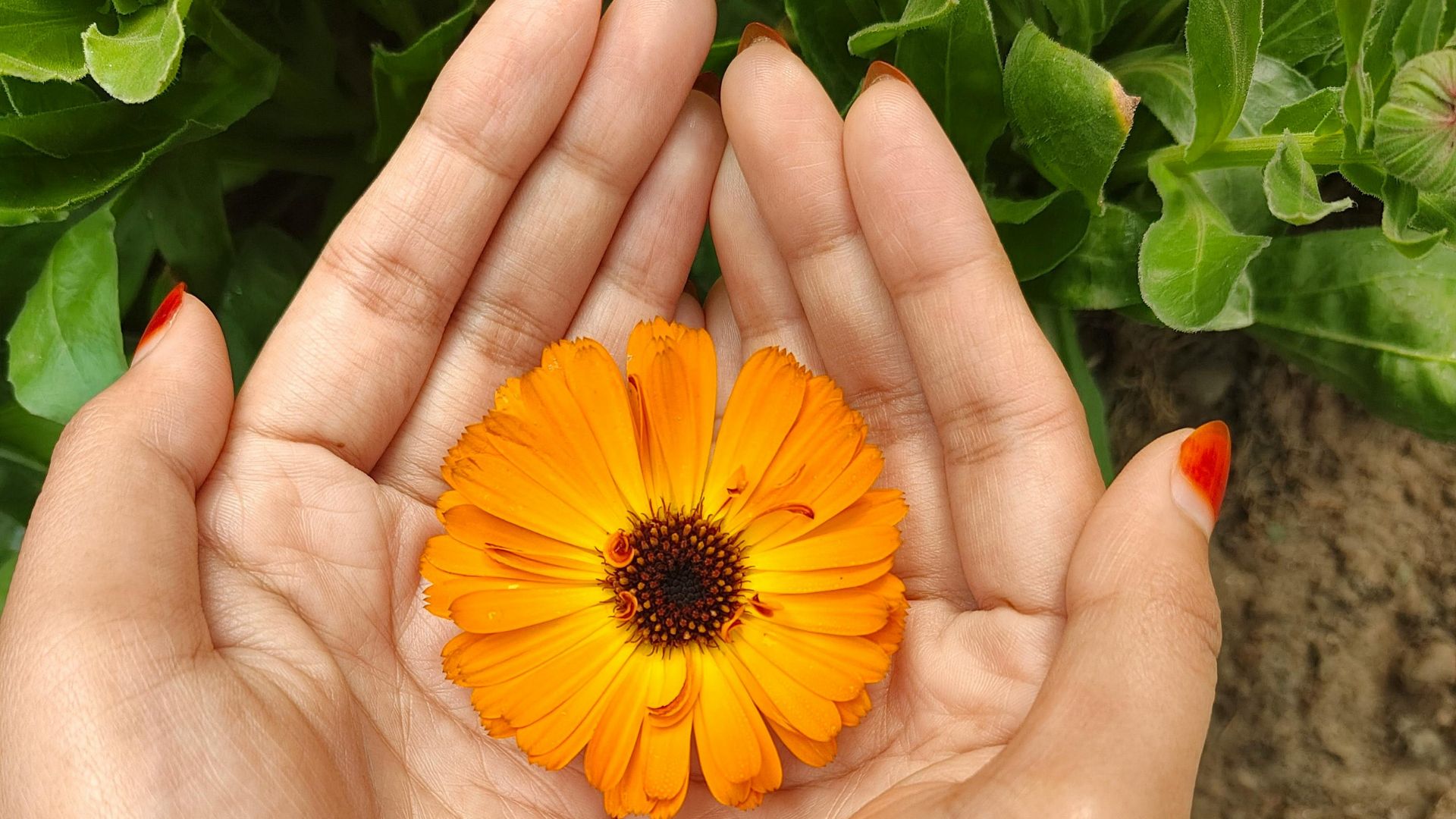
There are various kid-friendly pest management techniques that gardeners can adopt. For example, using natural repellents like neem oil or diatomaceous earth can deter pests without posing risks to children. Neem oil, derived from the seeds of the neem tree, is particularly effective against a wide range of pests, including aphids and spider mites. Additionally, introducing beneficial insects, such as ladybugs or lacewings, can help control pest populations naturally. These insects not only consume harmful pests but also contribute to the overall health of your garden. Moreover, companion planting—growing certain plants together to repel pests—can create a balanced ecosystem. For instance, planting marigolds alongside vegetables can deter nematodes and other pests. Each of these methods aligns with the principles of natural pest control and can be implemented with minimal fuss, making them ideal for families.
Pros and Cons of Each Method
To better understand the effectiveness and suitability of these techniques, let’s compare their pros and cons in the table below.
| Method | Pros | Cons |
|---|---|---|
| Natural Repellents | Eco-friendly, easy to apply | May require frequent reapplication |
| Beneficial Insects | Sustainable, effective pest control | Initial cost of purchasing insects |
| Companion Planting | Enhances biodiversity, low maintenance | Limited effectiveness against heavy infestations |
Each kid-friendly pest management technique offers unique advantages and challenges. For instance, while natural repellents are easy to use, they might need regular application, especially during pest-prone seasons. This can be a minor inconvenience for busy families but is often worth the effort. On the other hand, beneficial insects provide a sustainable solution but may require an initial investment, which can deter some gardeners. Nevertheless, the long-term benefits often outweigh the costs. Similarly, companion planting encourages a healthier ecosystem but might not be sufficient alone for severe pest problems. Therefore, carefully considering your garden’s specific needs will help you implement the most effective and safest strategies.
Ultimately, integrating these kid-friendly pest management techniques into your gardening routine can create a safer environment for your children while maintaining a flourishing garden. By understanding the strengths and limitations of each method, you can make informed decisions that align with your family’s values and gardening goals.
Pet-Friendly Methods for Pest Control in Home Gardens
Pet-friendly methods for pest control in home gardens not only safeguard your plants but also ensure the safety of your pets and family. Maintaining a balance between a thriving garden and a safe environment requires a thoughtful approach. Fortunately, there are several effective strategies that can help manage pest populations without resorting to harmful chemicals. By choosing natural alternatives, you can create a healthier garden ecosystem that benefits everyone. These methods not only protect your plants but also contribute to a sustainable gardening practice that aligns with eco-friendly principles.
Top Pet-Safe Pest Control Solutions
One of the most popular pet-friendly methods involves using diatomaceous earth. This natural substance can effectively manage a variety of pests, including ants and slugs, by dehydrating them upon contact. Additionally, neem oil serves as a potent organic pesticide that disrupts the life cycle of many insects, making it particularly useful against aphids and spider mites. Moreover, companion planting is another effective strategy. For example, planting marigolds can repel nematodes and other harmful insects while attracting beneficial pollinators. These solutions are not only effective but also safe for your furry friends to roam around. Furthermore, using essential oils like lavender or peppermint can deter pests while providing a pleasant aroma in your garden.
Implementing Pet-Friendly Practices
To successfully implement these pet-friendly methods, start by identifying the specific pests troubling your garden. Next, apply diatomaceous earth in areas where you notice pest activity, ensuring it won’t come into contact with your pets. When using neem oil, dilute it properly and spray during cooler hours to avoid harming beneficial insects. Additionally, consider creating habitats for natural predators like ladybugs or lacewings, as these insects will help keep pest populations in check. You can attract these beneficial creatures by planting diverse flowers and herbs. Always monitor your garden for any signs of distress in your pets, as even natural substances can cause reactions in sensitive animals. By following these guidelines, you can maintain a beautiful garden while ensuring a safe environment for your beloved pets. Consequently, your garden can flourish while remaining a safe haven for all family members, both human and animal alike.
Natural Pest Control Products for Organic Gardening
Natural pest control is a key component of organic gardening, providing eco-friendly solutions to manage pests while maintaining a healthy garden ecosystem. As we seek alternatives to chemical pesticides, several natural products come to the forefront. These products not only target specific pests but also enhance the overall health of your plants. By choosing the right natural pest control methods, you can effectively protect your garden and promote a sustainable environment.
In the following table, we’ll compare some essential natural pest control products that are popular among organic gardeners. Each product has its unique benefits and applications, making it easier for you to select the most suitable option for your pest issues.
| Product | Main Use | Application Method |
|---|---|---|
| Neem Oil | Insect repellent | Spray on affected plants |
| Diatomaceous Earth | Crawling insects | Dusting around plants |
| Insecticidal Soap | Soft-bodied insects | Spray directly on pests |
| Garlic Spray | Repellent | Foliar spray |
| Beneficial Insects | Natural predator | Release in garden |
Essential Natural Pest Control Products
Neem oil stands out for its versatility as a natural insect repellent, particularly against aphids and spider mites. When sprayed on plants, it disrupts the life cycle of pests, making it a popular choice for organic gardening enthusiasts. Additionally, diatomaceous earth serves as an effective barrier against crawling insects; its abrasive texture damages their exoskeletons, leading to dehydration. Moreover, insecticidal soap is a gentle yet effective solution for soft-bodied insects, as it suffocates them upon direct contact. Garlic spray, on the other hand, acts as a natural repellent due to its strong odor, which many pests find unappealing. Furthermore, introducing beneficial insects, such as ladybugs and lacewings, can significantly reduce pest populations while promoting a balanced ecosystem.
How to Choose the Right Product
When selecting natural pest control products, consider the specific pests affecting your garden. First, identify the type of pest you’re dealing with, as this will guide your choice. For instance, if you notice aphids, neem oil or insecticidal soap would be ideal. Conversely, if you have a problem with slugs or beetles, diatomaceous earth might be the better option. Additionally, think about the safety of your garden ecosystem; introducing beneficial insects can provide long-term pest management without harming other organisms.
Moreover, consider the application methods and frequency of use for each product. Some solutions may require multiple applications for maximum effectiveness, while others might offer more prolonged protection. Thus, understanding the unique characteristics of each product will enable you to make informed decisions for effective organic gardening. By doing so, you can create a thriving garden that not only flourishes but also remains safe for your family and pets.
Sustainable Practices for Managing Pest Populations
Sustainable pest management is a crucial component of eco-friendly gardening, focusing on long-term solutions that work in harmony with nature. It involves using practices that minimize environmental impact while effectively controlling pest populations. By prioritizing sustainable practices, gardeners can reduce dependence on chemical pesticides, which can harm beneficial insects, soil health, and overall biodiversity. This approach not only protects the garden but also promotes a healthier ecosystem, making it vital for both current and future generations. Consequently, adopting sustainable pest management practices is not just an individual choice but a collective responsibility that can lead to significant environmental benefits.
What is Sustainable Pest Management?
Sustainable pest management encompasses a variety of strategies aimed at addressing pest issues while safeguarding the environment. Techniques include biological control, where natural predators, such as ladybugs or predatory mites, are encouraged in the garden. Additionally, it involves cultural methods like crop rotation and selecting pest-resistant plant varieties. For example, planting marigolds can deter nematodes and other pests, illustrating how companion planting can enhance pest management. Furthermore, integrating practices like intercropping—growing different crops in proximity—can confuse pests and reduce their populations. By understanding these strategies, gardeners can foster a balanced ecosystem that minimizes pest outbreaks naturally, ensuring a thriving garden.
Implementing Sustainable Practices in Your Garden
To implement sustainable practices in your garden, start by observing pest populations before taking action. Monitoring your plants regularly allows you to identify problems early. Subsequently, utilize natural predators, such as birds or beneficial insects, to keep pest populations in check. Additionally, consider incorporating physical barriers like row covers to protect your plants without chemicals. Moreover, using organic fertilizers can improve soil health, making plants more resilient to pests. Another effective strategy is mulching, which not only suppresses weeds but also retains moisture and enhances soil quality. Consequently, these practices promote a thriving garden environment that benefits both plants and local wildlife. By adopting these eco-friendly gardening techniques, you ensure that your pest management efforts align with the principles of sustainability, creating a garden that flourishes while respecting the natural world.
Personal Stories: Successful Gentle Pest Control Experiences
Many gardeners have found success by embracing gentle pest control methods in their home gardens. For instance, Jessica, a passionate urban gardener, faced a daunting aphid infestation on her prized roses. Instead of reaching for chemical sprays, she opted for a natural solution: introducing ladybugs into her garden. Within a few weeks, the aphids were effectively managed, and her roses thrived, showcasing the power of gentle pest control. Jessica’s experience highlights that patience and the right approach can lead to impressive results without harming beneficial insects or the environment. This not only saved her roses but also created a more balanced ecosystem in her garden.
Real-Life Testimonials from Gardeners
Another successful story comes from Mark, who grows vegetables in his backyard. He struggled with cabbage worms that threatened his crops. Instead of using toxic pesticides, Mark created a simple garlic spray, which deterred the worms effectively. Additionally, he implemented companion planting by growing nasturtiums alongside his cabbages, which attracted beneficial insects that preyed on the pests. Consequently, Mark not only protected his vegetables but also enhanced the biodiversity of his garden. These real-life testimonials emphasize that gentle pest control can yield positive outcomes, encouraging others to adopt similar strategies. By sharing their experiences, these gardeners inspire a community focused on sustainable practices.
Lessons Learned from Gentle Pest Control
Numerous lessons emerge from these successful experiences. First, the importance of observation cannot be overstated. Jessica and Mark both spent time monitoring their gardens, which informed their pest control decisions. By understanding pest behavior and life cycles, they were able to implement timely interventions. Moreover, using gentle methods fosters a healthier garden ecosystem. For example, when you introduce beneficial insects, you create a self-sustaining balance that can reduce pest populations over time. Additionally, gardeners learned the value of experimentation; trying different natural remedies can lead to unique solutions tailored to specific garden needs. Therefore, embracing gentle pest control not only protects plants but also enriches the gardening experience. This approach encourages creativity and adaptability, allowing gardeners to develop a deeper relationship with their plants and the environment.
Bringing It All Together: Safe Pest Management for Your Garden
Bringing It All Together: Safe Pest Management for Your Garden
To summarize, safe pest management for your garden revolves around adopting gentle pest control methods that protect both your plants and the well-being of your family. By utilizing natural pest repellents, beneficial insects, and organic strategies, you can effectively manage pests without exposing children or pets to harmful chemicals. This kid-friendly pest management not only promotes a healthy garden but also fosters a safe environment where your loved ones can thrive.
Furthermore, implementing practices such as companion planting and creating habitats for natural predators will enhance your garden’s ecosystem and reduce pest populations organically. For instance, planting marigolds alongside vegetables can deter harmful insects while attracting beneficial ones. These approaches are not only effective but also environmentally responsible, allowing you to cultivate a flourishing garden that aligns with your values.
Moreover, consider integrating regular monitoring and maintenance into your gardening routine. By observing your plants and their surroundings, you can identify potential pest issues early, allowing for timely interventions. Ultimately, we encourage you to embrace these gentle pest control techniques in your own gardening efforts. By doing so, you can ensure a safe, vibrant space that nurtures both your plants and your family. As you embark on this journey, remember that a harmonious garden is just a few thoughtful steps away. Happy gardening!