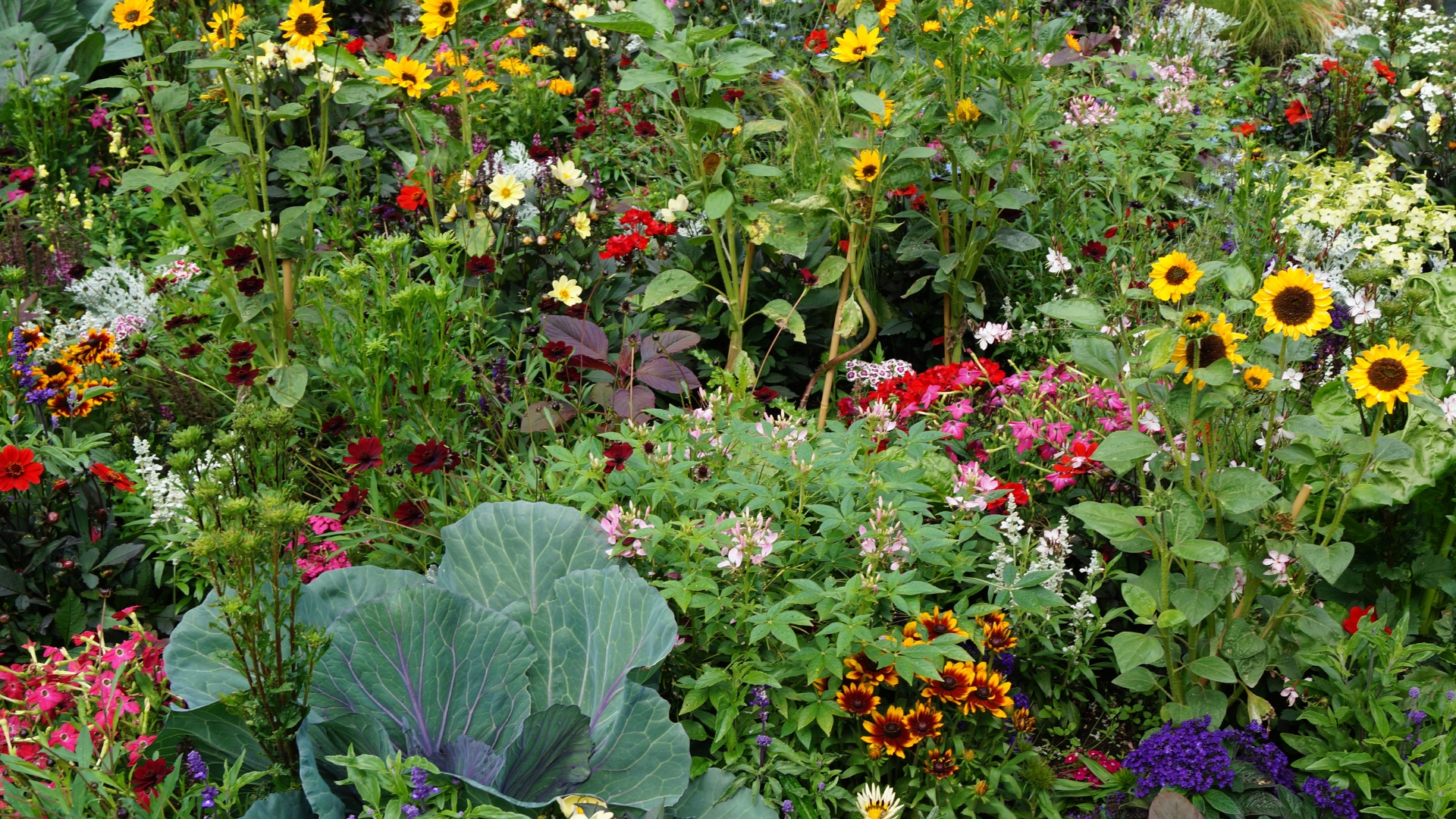
Creating a healthy garden requires more than just occasional watering and weeding; it hinges on establishing effective daily habits. By incorporating simple yet consistent routines into your gardening practice, you can significantly enhance plant health, ensuring that your garden flourishes throughout the seasons. Daily habits not only foster stronger plants but also play a crucial role in pest control and disease prevention. Consequently, these practices are essential for any dedicated gardener seeking to cultivate a thriving environment.
In this article, we will explore a variety of daily habits that can transform your gardening experience. For example, you will discover how regular monitoring of your plants can help you catch issues early, while consistent watering techniques promote deep root growth. Additionally, we will discuss the importance of soil health and how daily attention to your garden can lead to a vibrant, thriving ecosystem. Therefore, by adopting these essential routines, you can pave the way for a truly healthy garden, ultimately reaping the rewards of your efforts throughout the year.
Understanding Daily Habits for a Healthy Garden
Establishing effective daily habits in your garden is paramount for achieving optimal plant care. These routines not only ensure that your plants receive the attention they need but also help you stay engaged with your garden’s overall health. Moreover, daily attention allows you to identify potential problems before they escalate, such as pests or diseases. Consequently, fostering a strong relationship with your garden through these habits can lead to a more rewarding gardening experience. By committing to daily routines, you cultivate not only your plants but also your passion for gardening.
The Importance of Routine Maintenance
Routine maintenance is a cornerstone of healthy gardening. First, daily checks on your plants help you monitor their growth and identify any signs of stress. For example, inspecting leaves for discoloration or wilting can indicate nutrient deficiencies or water issues. Additionally, maintaining a clean garden space by removing debris and fallen leaves can prevent pest infestations. Therefore, a consistent maintenance schedule not only promotes plant vitality but also enhances the overall aesthetic of your garden. Moreover, regular pruning can encourage new growth and improve air circulation, further benefiting your plants. By committing to these daily habits, you create an environment where plants can thrive, ultimately leading to a more vibrant garden.
Daily Actions to Boost Plant Health
Several daily actions can significantly boost plant health. For instance, watering your plants in the morning ensures that moisture reaches the roots before the heat of the day evaporates it. Furthermore, incorporating a routine of checking soil moisture allows you to adjust your watering schedule accordingly, preventing over- or under-watering. Additionally, fertilizing your plants regularly and using organic compost enriches the soil, providing essential nutrients. To illustrate, a small daily investment of time can yield lush, flourishing plants, making your gardening efforts truly worthwhile. Furthermore, observing your plants closely can help you detect early signs of pests, allowing for timely intervention. By integrating these daily actions into your routine, you can enhance your garden’s health and beauty, ensuring that it remains a source of joy and satisfaction throughout the seasons.
Daily Routines for Different Types of Plants
Effective plant care routines vary significantly between vegetable gardens and flower gardens, each requiring specific daily habits. Understanding these nuances will help you optimize your gardening practices and ensure that each type of plant thrives. For instance, while vegetables often need more frequent watering and nutrient monitoring, flowers may require regular deadheading and pest inspections. By tailoring your daily routines to the specific needs of your plants, you can create a flourishing environment that promotes healthy growth and beautiful blooms. Consequently, establishing these routines is essential for any gardener aiming for a vibrant garden.
Essential Routines for Vegetable Garden Care
Vegetable gardens have unique demands that necessitate vigilant daily routines. First and foremost, vegetables typically require consistent watering, particularly during hot, dry spells. Therefore, it’s crucial to check soil moisture levels each morning; if the top inch of soil feels dry, it’s time to water. Furthermore, daily inspections for pests like aphids or caterpillars can prevent potential infestations from overwhelming your crops. To illustrate, you can use organic pest control methods like neem oil or insecticidal soap as effective solutions. Additionally, daily checks allow you to monitor for signs of nutrient deficiencies. For instance, yellowing leaves may indicate a need for nitrogen. Thus, keeping a close eye on your vegetable garden will not only enhance growth but also increase your yield significantly.
Daily Maintenance for Flower Gardens
In contrast, flower gardens focus more on aesthetics and visual appeal, requiring different daily maintenance routines. First, deadheading spent blooms is essential for encouraging new growth and prolonging flowering periods. This simple task can be done daily, allowing you to enjoy a more vibrant display. Moreover, regular inspections for pests and diseases, particularly in the early morning, can help you catch issues before they escalate. For example, looking for signs of powdery mildew or aphids can save your flowers from significant damage. Additionally, ensuring that your flower beds are free from debris will reduce the chances of fungal infections. Consequently, by dedicating time each day to these specific routines, your flower garden will not only look stunning but will also remain healthy throughout the growing season.
Tailoring Routines for Optimal Plant Health
In summary, establishing tailored daily routines for vegetable and flower gardens is essential for optimal plant care. By adhering to these gardening tips, you can nurture your plants effectively, ensuring that they thrive and contribute to a vibrant garden ecosystem. Furthermore, these routines foster a deeper connection with your garden, allowing you to appreciate its beauty and growth. Therefore, commit to these daily habits, and you will reap the rewards of a healthy, flourishing garden throughout the seasons.
Integrating Pest Control into Daily Habits
Integrating effective pest control into your daily gardening habits is essential for maintaining plant health and preventing infestations. By understanding basic strategies and implementing regular monitoring practices, you can create a thriving environment for your plants. This proactive approach not only protects your garden but also fosters a deeper connection with your plants. Therefore, incorporating pest control into your routine ensures that you are always one step ahead of potential problems, ultimately leading to a more resilient garden.
Understanding Pest Control Basics
When it comes to pest control, knowledge is indeed power. Firstly, familiarize yourself with the common pests that may threaten your plants, such as aphids, spider mites, and whiteflies. Implementing integrated pest management (IPM) strategies can significantly enhance your garden’s resilience. This approach involves using a combination of natural predators, organic treatments, and cultural practices that promote plant health. For example, introducing ladybugs can help control aphid populations naturally. Moreover, understanding the life cycles of pests can assist you in timing your interventions more effectively, ultimately leading to healthier plants and a flourishing garden.
Daily Monitoring Techniques
Daily monitoring of your garden is vital for early pest detection and intervention. Start by making it a habit to inspect your plants each morning. Look for any signs of pests or damage, such as holes in leaves or sticky residue. Furthermore, keeping a garden journal can help you track changes in plant health and pest activity over time. In addition, consider setting up traps for specific pests to monitor their presence. Similarly, maintaining a diverse garden can help attract beneficial insects that contribute to natural pest control. Consequently, these practices not only enhance your garden’s health but also create a balanced ecosystem.
Comparing Pest Control Methods
To illustrate the effectiveness of various pest control methods, the following table compares different strategies based on their efficacy and impact on plant health:
| Pest Control Method | Effectiveness | Impact on Plant Health |
|---|---|---|
| Chemical Pesticides | High | Can harm beneficial insects |
| Organic Treatments | Moderate | Generally safe for plants |
| Natural Predators | High | Enhances ecosystem balance |
| Cultural Practices | Moderate | Promotes overall plant health |
As shown in the table, organic treatments and natural predators offer a balanced approach to pest control, enhancing plant health while minimizing negative effects. Therefore, by integrating these methods into your daily routine, you can cultivate a healthier garden while effectively managing pest populations. Adopting these habits not only safeguards your plants but also contributes to a sustainable gardening practice that benefits the environment.
Building a Sustainable Pest Control Routine
Incorporating pest control into your daily habits is not just about immediate action; it is also about building a sustainable routine. For instance, consider rotating your pest control methods to prevent pests from developing resistance. Additionally, educating yourself about seasonal pest trends can help you prepare in advance. By staying informed and proactive, you can ensure that your garden remains healthy and vibrant throughout the year. Consequently, these efforts will lead to a more enjoyable gardening experience, as you witness the positive results of your diligence and care.
Sustainable Gardening Practices for Daily Routines
Sustainable gardening is an approach that emphasizes ecological balance and resource conservation. By integrating sustainable practices into your daily gardening routines, you not only enhance your garden’s health but also contribute positively to the environment. Adopting these techniques can lead to a more vibrant garden while minimizing your ecological footprint. Therefore, understanding the pros and cons of various sustainable gardening practices will help you make informed decisions that align with your gardening goals. This commitment to sustainability not only benefits your plants but also fosters a deeper connection with nature, encouraging mindful gardening habits.
Eco-Friendly Gardening Techniques
Several eco-friendly gardening techniques can be seamlessly incorporated into your daily routine. For instance, composting kitchen scraps and yard waste reduces landfill waste while enriching soil health. This practice not only recycles organic materials but also enhances soil structure, leading to improved water retention and nutrient availability. Additionally, using native plants can promote biodiversity and require less water, fertilizer, and pesticides. These plants are adapted to local conditions, making them more resilient and easier to care for. However, some techniques may require a learning curve or initial investment in materials. Understanding these aspects can empower you to make choices that support both your garden and the planet.
| Sustainable Technique | Pros | Cons |
|---|---|---|
| Composting | Reduces waste, enriches soil | Requires time and space |
| Native Plants | Low maintenance, supports wildlife | Limited plant variety |
| Rainwater Harvesting | Conserves water, reduces bills | Initial setup cost |
| Organic Pest Control | Safe for environment, effective | May be less immediate |
| Mulching | Retains moisture, suppresses weeds | Requires sourcing materials |
Daily Sustainable Practices
Incorporating daily sustainable practices into your gardening routine can significantly enhance your garden’s health. For example, watering in the early morning reduces evaporation and ensures plants receive moisture throughout the day. Moreover, using organic fertilizers and pesticides not only promotes healthier plant growth but also protects beneficial insects, such as bees and ladybugs, which play crucial roles in pollination and pest control. Additionally, practicing crop rotation helps maintain soil fertility and prevents the buildup of pests and diseases. By integrating these sustainable habits, you create a thriving environment that supports both plant health and ecological sustainability.
Furthermore, keeping a gardening journal can help you track your practices and their effects on plant health. This record allows you to reflect on what works best in your specific environment, thus refining your approach over time. Consequently, these daily sustainable practices not only contribute to a healthier garden but also foster a sense of accomplishment and connection to the natural world. By committing to these routines, you cultivate not just your plants but also a sustainable future.
Maximizing Garden Productivity through Daily Habits
Maximizing garden productivity hinges on the establishment of effective daily habits. Among the most impactful routines are efficient watering techniques and regular soil health monitoring. By integrating these practices into your gardening schedule, you can significantly enhance the vitality of your plants and ensure that your garden thrives throughout the growing season. Moreover, these habits foster a deeper connection with your garden, allowing you to enjoy the fruits of your labor while minimizing potential setbacks. Consequently, adopting a structured approach to daily gardening tasks can lead to a more rewarding experience.
Efficient Watering Techniques
Watering is a fundamental aspect of routine maintenance that directly influences garden productivity. For instance, employing efficient watering techniques, such as drip irrigation or soaker hoses, can ensure that water penetrates deeply into the soil, promoting robust root development. Furthermore, watering early in the morning or late in the evening minimizes evaporation, allowing more moisture to reach your plants. Consequently, this not only conserves water but also keeps your plants hydrated during the hottest parts of the day. Additionally, observing the specific needs of your plants can lead you to adjust your watering schedule; for example, some plants thrive on more moisture while others prefer drier conditions. To illustrate, succulents require less frequent watering compared to leafy greens. Ultimately, mastering watering techniques can lead to healthier and more productive plants, enhancing your garden’s overall yield.
Soil Health Monitoring
Regular soil health monitoring is equally crucial in maximizing garden productivity. Specifically, assessing soil structure, pH levels, and nutrient content can provide insights into how well your plants are likely to thrive. For example, conducting a simple soil test can reveal deficiencies in essential nutrients, enabling you to amend the soil accordingly. Moreover, incorporating organic matter, such as compost, can enhance soil fertility and improve drainage. Therefore, by checking your soil regularly, you can make informed decisions that bolster plant growth and resilience. Additionally, keep an eye out for signs of compaction or erosion, as these can hinder root development and water retention. Furthermore, rotating crops annually can prevent nutrient depletion and promote a balanced ecosystem. Prioritizing soil health through daily checks can significantly impact your garden’s productivity and overall success, ensuring a thriving environment for your plants.
Creating a Personalized Daily Routine for Your Garden
Creating a personalized daily routine for your garden is essential for nurturing a thriving green space. To begin, it’s crucial to understand your garden’s unique needs, as each plant varies in terms of care requirements. By assessing these needs, you can implement daily habits for a healthy garden that cater specifically to the flora you’re nurturing. This approach not only enhances plant vitality but also enriches your gardening experience. Therefore, take the time to observe your plants closely and note their growth patterns, preferences, and any signs of distress. Consequently, this careful observation will allow you to tailor your routine effectively, ensuring that your garden flourishes.
Assessing Your Garden Needs for Optimal Care
Understanding what your garden requires is the first step in crafting an effective daily routine. Start by evaluating the types of plants you have; for instance, sun-loving plants may need more frequent watering compared to shade-tolerant varieties. Additionally, check the soil quality and moisture levels, as these factors can significantly influence plant health. To illustrate, if you notice the soil drying out quickly, you might need to adjust your watering schedule accordingly. Moreover, regularly monitoring these conditions will help you identify any deficiencies or excesses, allowing you to make informed decisions for optimal plant care. Thus, a thorough assessment lays the groundwork for a successful gardening routine.
Designing Your Daily Gardening Schedule
Once you’ve assessed your garden’s needs, the next step is to design a tailored daily gardening schedule. Start by allocating specific tasks for each day of the week. For example, you might dedicate Mondays to watering, Wednesdays for pruning, and Fridays for pest inspections. This not only keeps your garden organized but also ensures that no aspect of plant care is overlooked. Additionally, consider incorporating flexible time slots for unexpected tasks, like dealing with pests. Furthermore, setting reminders can help you stay consistent with these best practices for plant care, making it easier to maintain your garden’s health throughout the seasons. Consequently, a well-structured schedule can enhance your gardening efficiency and enjoyment.
Incorporating Seasonal Adjustments
As the seasons change, so too should your daily gardening routine. For instance, during the warmer months, you may need to increase watering frequency due to higher evaporation rates. Conversely, in cooler months, you might focus more on protecting your plants from frost. Additionally, seasonal changes can affect pest activity; therefore, it’s wise to adjust your pest control measures accordingly. By being proactive and adapting your routine to the seasons, you can ensure that your garden remains healthy and vibrant year-round. Thus, flexibility in your daily habits is key to achieving long-term success in your gardening endeavors.
Bringing It All Together: Your Path to a Thriving Garden
Ultimately, establishing daily habits is the key to achieving a thriving garden and effective plant care. By consistently monitoring your plants, watering appropriately, and maintaining healthy soil, you create an environment where your plants can truly flourish. Furthermore, these routines not only promote plant health but also enable you to catch issues before they become serious problems, enhancing your overall gardening experience.
To summarize, the essential practices outlined in this article—such as regular checks for pests, thoughtful watering techniques, and maintaining soil health—are foundational to cultivating a healthy garden. For instance, by checking for pests daily, you can quickly address infestations, preventing them from spreading. Additionally, thoughtful watering techniques, like early morning irrigation, can reduce evaporation and ensure your plants receive adequate moisture. By integrating these habits into your daily routine, you will not only witness the transformation of your garden but also deepen your connection with nature.
Therefore, I encourage you to take action. Start implementing these daily habits today, and watch as your garden evolves into a vibrant, healthy oasis. Remember, the journey to a thriving garden begins with a commitment to consistent care. Embrace the process, and your efforts will undoubtedly yield beautiful results for seasons to come. Indeed, the rewards of a flourishing garden extend beyond aesthetics; they foster a sense of accomplishment and well-being that enriches your life.
Watch the Video

Maurice Buffer is a plant care researcher and horticulture writer at Flinkool. He focuses on plant health, pest prevention, and practical cultivation techniques that help gardeners grow healthier plants.