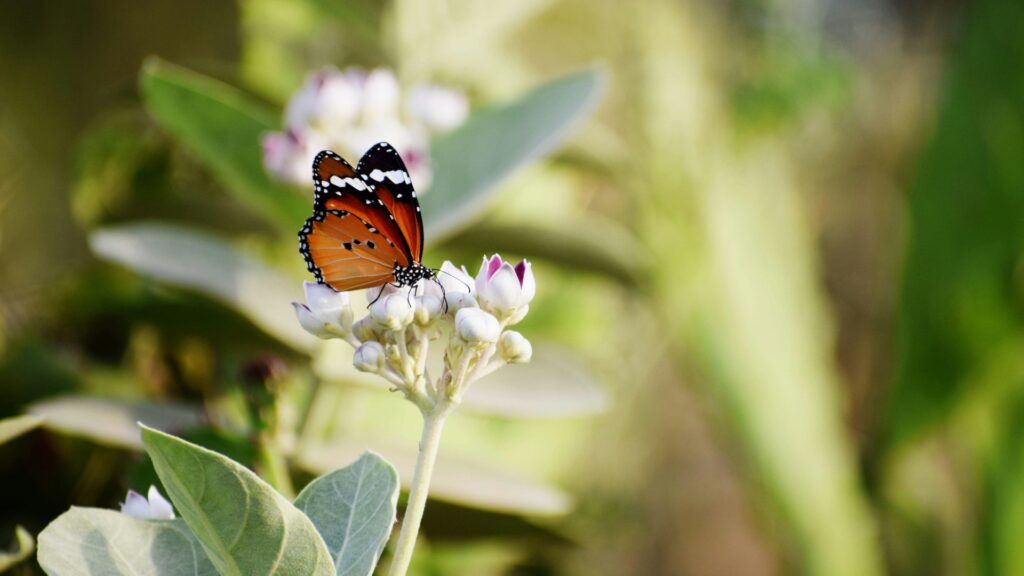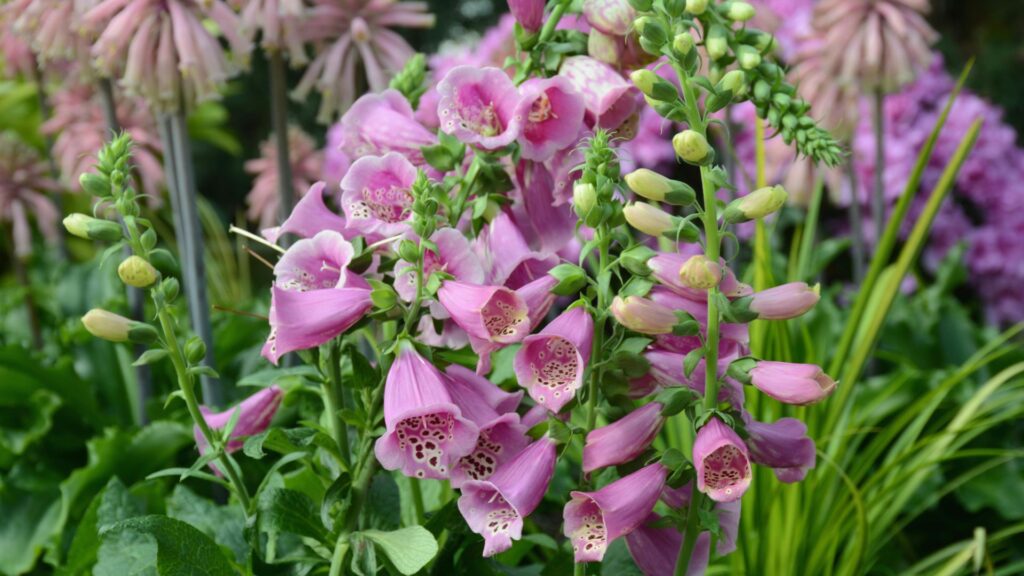
Healthy garden plants are the cornerstone of any flourishing garden, providing not only beauty but also a sense of accomplishment for gardeners. Cultivating resilient plants requires more than merely planting seeds; it involves understanding essential care practices that promote growth and vitality. By embracing these practices, you can ensure your garden thrives through changing seasons and varying conditions.
In this article, we will explore the vital habits needed to nurture healthy garden plants. Specifically, we will discuss effective watering techniques, soil management, and pest control strategies that contribute to a thriving garden ecosystem. Additionally, you will learn how to identify common challenges and implement effective solutions to keep your plants strong and vibrant. Ultimately, by the end of this article, you will be equipped with the knowledge to create a flourishing garden that not only looks great but also supports biodiversity and sustainability.
Understanding Plant Resilience: The Key to Healthy Garden Plants
Understanding plant resilience is crucial for any gardener aiming to cultivate healthy garden plants. Essentially, plant resilience refers to a plant’s ability to withstand and recover from adverse conditions, such as drought, pests, and diseases. It encompasses characteristics like adaptability, strength, and the capacity to thrive despite environmental stressors. By fostering resilience in your plants, you not only enhance their survival rates but also improve their overall health and productivity. Consequently, understanding and implementing strategies to promote plant resilience can lead to a more sustainable and vibrant garden.
What is Plant Resilience?
Plant resilience can be defined as the ability of a plant to resist, adapt to, and recover from stressful conditions. This concept includes both physiological and ecological aspects. For instance, some plants develop deep root systems that enable them to access water during dry spells, while others may produce chemical compounds that deter pests. Additionally, resilient plants often exhibit a robust growth pattern, allowing them to bounce back quickly after disturbances. To illustrate, certain native plants have evolved to thrive in specific environments, showcasing their unique adaptations. Consequently, understanding these traits helps gardeners choose the right plant varieties for their specific environments, ensuring a more successful gardening experience.
Why Resilience Matters for Garden Plants
Resilient plants are vital for maintaining a healthy garden. First, they require less intervention, which saves time and resources for gardeners. For example, drought-tolerant plants can thrive in dry conditions, reducing the need for frequent watering. Moreover, resilient plants typically have a natural resistance to pests and diseases, which decreases the reliance on chemical treatments. This not only promotes a healthier ecosystem but also supports sustainability. Furthermore, by selecting resilient varieties, gardeners can create a more diverse garden that can adapt to changing climate conditions, ensuring beauty and productivity for years to come.
Additionally, fostering plant resilience can lead to increased biodiversity, which is essential for a balanced ecosystem. By incorporating a variety of resilient plants, you can attract beneficial insects and pollinators, further enhancing the health of your garden. Therefore, understanding and prioritizing plant resilience is not just beneficial for individual plants but is also a critical component of successful and sustainable gardening practices.
Soil Health Techniques for Thriving Plants
Soil health is fundamental to the success of any garden, serving as the foundation for vibrant plant growth. Healthy soil provides essential nutrients, supports root development, and promotes beneficial microorganisms that contribute to a thriving ecosystem. Therefore, understanding soil health techniques is crucial for every gardener. This knowledge not only enhances plant vitality but also leads to more sustainable gardening practices. Moreover, implementing specific techniques tailored to your climate can significantly improve soil quality and plant resilience. By prioritizing soil health, gardeners can create an environment where plants flourish, ultimately resulting in a more productive and beautiful garden.
Importance of Soil Health
Maintaining soil health is pivotal for ensuring that plants receive the nutrients they need. Healthy soil improves water retention, enabling plants to access moisture even during dry spells. Additionally, it fosters a balanced ecosystem by providing habitat for beneficial organisms like earthworms and microbes, which help break down organic matter. Consequently, investing in soil health leads to stronger, more resilient plants that can withstand pests and diseases. Therefore, prioritizing soil management techniques is not just a gardening tip; it’s a cornerstone of successful gardening. For example, incorporating organic matter into the soil can enhance its structure and fertility, creating a rich environment for plants to thrive.
Techniques for Different Climates
Different climates require tailored approaches to maintain soil health effectively. For example, in arid regions, implementing techniques like mulching and composting can help retain moisture and improve soil structure. Conversely, in humid climates, practices such as crop rotation and cover cropping can prevent soil erosion and foster nutrient cycling. To illustrate the varying techniques across climates, the following table summarizes effective soil health practices suited for different environmental conditions.
| Climate Type | Recommended Techniques |
|---|---|
| Arid Regions | Mulching, Composting, Drip Irrigation |
| Humid Regions | Cover Cropping, Crop Rotation, Green Manures |
| Temperate Regions | Organic Amendments, Soil Testing, Reduced Tillage |
As shown in the table, each climate type benefits from specific soil health strategies. For instance, mulching in arid regions helps minimize evaporation, while cover cropping in humid areas enhances soil fertility. Additionally, using organic amendments in temperate climates can boost nutrient levels, leading to healthier plants. By adopting climate-appropriate techniques, gardeners can significantly improve their soil health and, consequently, the vitality of their plants. Hence, understanding these practices is essential for nurturing a thriving garden. Furthermore, regular soil testing can provide insights into nutrient deficiencies, enabling gardeners to make informed decisions about amendments and care practices tailored to their specific needs. This proactive approach not only enhances soil health but also fosters long-term sustainability in gardening efforts.
Watering Techniques for Healthy Garden Plants
Watering Techniques for Healthy Garden Plants
Watering techniques are crucial for maintaining healthy garden plants. The right approach ensures that your plants receive adequate hydration without the risks of over or under-watering. Proper watering not only supports plant growth but also helps prevent common issues like root rot and drought stress. Therefore, understanding how and when to water is essential for effective plant care.
To begin, several factors influence how much water your plants need, including soil type, weather conditions, and plant species. For example, sandy soils drain quickly, requiring more frequent watering, while clay soils retain moisture longer. Consequently, monitoring your soil’s moisture level is vital. You can use a simple finger test: insert your finger into the soil about an inch deep. If it feels dry, it’s time to water.
Watering Basics
Establishing a consistent watering routine is one of the fundamental techniques for plant care. Generally, early morning is the best time to water, as it allows moisture to reach the roots without excessive evaporation. Additionally, aim to water deeply and less frequently, which encourages deep root growth. For instance, instead of watering daily with small amounts, consider watering once or twice a week with enough water to soak the soil thoroughly. This practice promotes healthier roots and stronger plants. Furthermore, using mulch can help retain soil moisture, thereby reducing the need for frequent watering.
Tailoring Watering to Plant Types
Different plant types have unique watering needs, making it essential to tailor your approach accordingly. For instance, succulents and cacti thrive in well-drained soil and require minimal watering, while tropical plants prefer consistently moist conditions. Similarly, vegetables like tomatoes may need more water during fruiting. To illustrate, when caring for herbs, ensure they are watered just enough to keep the soil slightly moist but not soggy. Therefore, understanding the specific watering requirements for each plant type will enhance your overall plant care strategy. By adapting your techniques, you not only improve plant health but also optimize water usage in your garden.
Fertilization Strategies for Optimal Growth
Fertilization strategies are essential for optimal growth in any garden. They not only provide vital nutrients but also enhance soil health, which is crucial for supporting the growth of healthy garden plants. Understanding the specific nutritional needs of your plants is paramount, as it can significantly influence their resilience and productivity. Moreover, selecting the right fertilization strategy can lead to better yields and a more sustainable gardening practice. Therefore, gardeners should carefully consider both organic and chemical methods to determine which approach best suits their garden’s unique requirements and environmental conditions.
Understanding Fertilization Needs
Every plant has unique fertilization requirements based on its species, growth stage, and environmental conditions. To optimize growth, it’s important to assess the soil’s nutrient content first. Regular soil testing can provide valuable insights into deficiencies, allowing you to tailor your fertilization strategy accordingly. For example, if a soil test reveals a nitrogen deficiency, you might choose a fertilizer high in nitrogen to promote leafy growth. Moreover, understanding the timing and application method is essential to maximize nutrient absorption. Slow-release fertilizers can provide nutrients over an extended period, reducing the need for frequent applications and minimizing the risk of nutrient runoff. Additionally, applying fertilizers during the early morning or late afternoon can help prevent nutrient loss due to evaporation.
Organic vs. Chemical Fertilizers
When it comes to fertilization methods, both organic and chemical fertilizers offer distinct advantages and disadvantages. Organic fertilizers, derived from natural sources such as compost, manure, and bone meal, often improve soil structure and promote beneficial microbial activity. This, in turn, enhances the soil’s ability to retain moisture and nutrients. Conversely, chemical fertilizers deliver nutrients in a concentrated form, resulting in quicker plant responses. To illustrate this comparison, the following table highlights the benefits of each type:
| Fertilizer Type | Benefits |
|---|---|
| Organic | Improves soil health, slow-release nutrients, environmentally friendly |
| Chemical | Fast nutrient absorption, precise nutrient ratios, cost-effective |
Both organic and chemical fertilizers can contribute to the growth of healthy garden plants. However, gardeners should weigh their options carefully. While organic fertilizers enhance soil health over time, chemical fertilizers can effectively address immediate nutrient deficiencies. Furthermore, the choice between these methods should consider factors such as soil type, plant species, and environmental impact. By employing the right fertilization strategy tailored to your specific garden conditions, you can cultivate a flourishing garden that thrives in harmony with nature, ensuring not only aesthetic appeal but also ecological sustainability.
Effective Pest Management for Resilient Plants
Effective pest management is an essential aspect of plant care, ensuring that your garden remains vibrant and healthy. Pests can wreak havoc on your plants, leading to diminished growth, disease transmission, and even plant death. Therefore, understanding how to identify and manage these pests is crucial for maintaining resilient plants. By taking a proactive approach, you can create a balanced ecosystem that supports both plant health and biodiversity. This not only enhances the aesthetic appeal of your garden but also contributes to its overall sustainability.
Identifying Common Pests
To effectively manage pests, first, it’s essential to recognize the common culprits. Aphids, for example, are small, soft-bodied insects that suck the sap from plants, often leading to wilting and stunted growth. Similarly, spider mites, though tiny, can cause significant damage by creating webs and causing leaves to yellow. Moreover, caterpillars and beetles can munch through leaves, leaving them ragged and less effective at photosynthesis. Observing your plants regularly will help you spot these pests early, allowing for timely intervention. Additionally, keeping a garden journal can be beneficial; documenting pest sightings and the corresponding plant responses can help you identify patterns and predict future infestations.
Pest Management Strategies
Once identified, you can implement various pest management strategies. First, consider introducing beneficial insects like ladybugs and lacewings, which naturally prey on harmful pests. Additionally, maintaining healthy soil and watering practices strengthens plants, making them less susceptible to infestations. Furthermore, employing physical barriers, such as row covers, can protect young plants from pests without the use of chemicals. If infestations occur, organic pesticides, like neem oil, can help manage populations effectively while being gentler on the environment. Consequently, a combination of these strategies creates a holistic approach to pest management, leading to healthier plants and a thriving garden.
Moreover, integrating companion planting can enhance pest control; for instance, planting marigolds alongside vegetables can deter nematodes and other pests. This method not only protects your plants but also promotes a diverse ecosystem, which is vital for long-term garden health.
In summary, effective pest management is vital for resilient plants. By identifying common pests and employing strategic interventions, you can ensure your garden remains healthy and productive. This proactive approach not only protects your plants but also fosters a sustainable gardening environment, ultimately contributing to the overall success of your gardening endeavors.
Companion Planting Benefits for a Healthy Garden
Companion planting offers a strategic approach to gardening that can significantly enhance plant health and productivity. By pairing compatible plants, gardeners can leverage natural relationships to improve growth and reduce the risk of pest infestations and diseases. This method not only optimizes garden space but also creates a more resilient ecosystem. Understanding companion planting benefits is essential for anyone seeking to cultivate a thriving garden. Moreover, this technique fosters biodiversity, which is crucial for maintaining a balanced garden environment.
What is Companion Planting?
Companion planting is the practice of growing different plants in close proximity to each other for mutual benefit. This technique often involves selecting plants that enhance each other’s growth, deter pests, or attract beneficial insects. For example, planting marigolds alongside vegetables can repel harmful nematodes, while basil is known to improve the flavor of tomatoes when grown nearby. Furthermore, companion planting can also help in maximizing space, allowing gardeners to grow more in smaller areas. Thus, incorporating companion planting into your garden can lead to healthier plants and higher yields, making it a valuable practice for both novice and experienced gardeners.
Companion Plants for Disease Prevention
Additionally, companion planting plays a crucial role in disease prevention in garden plants. Certain plants can help suppress diseases by limiting the spread of pathogens or creating barriers against pests. For instance, planting garlic near roses can deter aphids, while the combination of carrots and onions can confuse pests that target one or the other. Similarly, planting nasturtiums can attract aphids away from more vulnerable plants, acting as a trap crop. Consequently, selecting the right companions can reduce the need for chemical treatments, promoting a more organic gardening approach. By understanding these relationships, gardeners can take actionable steps toward creating a healthier garden environment, ultimately leading to more robust and disease-resistant plants.
Bringing It All Together: Your Action Plan for Healthy Garden Plants
To summarize, the journey to cultivating healthy garden plants revolves around adopting specific habits and care practices that ensure their growth and vitality. Key strategies, such as effective watering techniques, proper soil management, and proactive pest control, play a pivotal role in nurturing a flourishing garden. By consistently applying these essential habits for healthy garden plants, you set the stage for a vibrant ecosystem that not only enhances the beauty of your space but also contributes to environmental sustainability.
Moreover, remember that gardening is an ongoing learning experience. Therefore, as you implement these strategies, stay observant of your plants’ responses and adjust your care practices accordingly. This adaptability will empower you to tackle challenges head-on and foster resilience in your garden. For example, if you notice wilting leaves, it may indicate overwatering or insufficient nutrients, prompting you to reassess your watering schedule or soil quality.
Furthermore, take the first step today by integrating these techniques into your gardening routine. Whether you’re a seasoned gardener or just starting out, your commitment to these habits will undoubtedly lead to a more robust and thriving garden. Embrace the joy of gardening and watch as your plants flourish, reflecting the love and care you invest in them. Remember, each small action contributes to a larger impact, creating a sanctuary of health and beauty in your outdoor space. By nurturing your garden, you also nurture your well-being, making gardening a rewarding endeavor for both you and the environment.