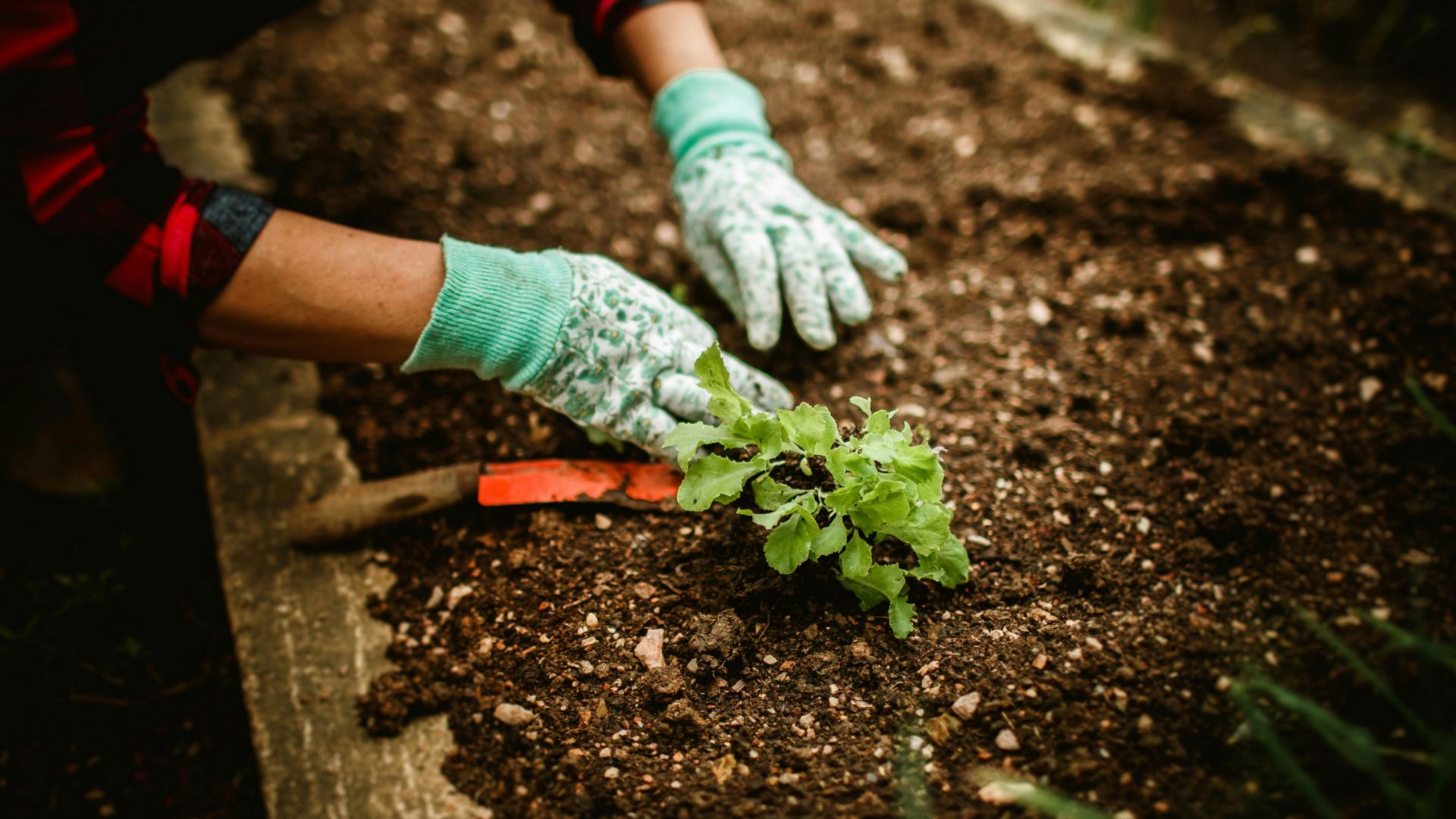
Essential Habits for Healthy Garden Plants
Healthy garden plants serve as the cornerstone of a thriving ecosystem, making it essential for gardeners to understand their needs. When nurtured properly, plants not only flourish but also demonstrate remarkable resilience against pests, diseases, and environmental stressors. Therefore, by prioritizing their health, you can cultivate a lush, vibrant space that brings joy and satisfaction throughout the growing season.
In this article, we will explore essential habits that every gardener should adopt to ensure their plants remain robust and vibrant. Specifically, we will discuss effective watering techniques, optimal soil management, and the importance of companion planting. Additionally, you will learn about pest management strategies and how to foster an environment that supports healthy growth. By implementing these practices, you will enhance the beauty of your garden while empowering your plants to thrive under various conditions.
Understanding Plant Resilience: The Foundation of Healthy Garden Plants
Understanding plant resilience is key to cultivating a flourishing garden. Essentially, plant resilience refers to the ability of plants to withstand and recover from adverse conditions, such as drought, pests, and diseases. This trait is vital for ensuring that your garden remains healthy and productive. For instance, resilient plants can adapt to fluctuations in temperature and moisture, allowing them to thrive even in less-than-ideal circumstances. Consequently, fostering plant resilience not only benefits individual plants but also contributes to the overall stability of your garden ecosystem. By focusing on resilience, gardeners can create a more sustainable environment that reduces the need for chemical interventions and promotes biodiversity.
What is Plant Resilience?
At its core, plant resilience involves a combination of genetic factors and environmental influences. Certain species are naturally more resilient, while others may require specific care to enhance their hardiness. For example, native plants often possess traits that make them well-suited to local conditions, thereby exhibiting greater resilience. Additionally, practices like crop rotation and selecting disease-resistant varieties can further bolster your garden’s resilience. Moreover, understanding the role of companion planting can also enhance resilience; for instance, interplanting certain species can deter pests and improve nutrient uptake. By understanding the nuances of plant resilience, you can make informed decisions that will promote long-term health and vitality in your garden.
The Importance of Healthy Soil
Soil health is a fundamental component of plant resilience. Healthy soil provides essential nutrients, improves water retention, and promotes beneficial microbial activity. When soil is well-aerated and rich in organic matter, it supports robust root systems, allowing plants to access nutrients more effectively. Furthermore, healthy soil can help mitigate stressors, such as drought or excessive rainfall, by maintaining a balanced ecosystem. For example, adding compost and mulch can enhance soil structure and fertility, leading to stronger, more resilient plants. Additionally, regular soil testing can help you understand nutrient deficiencies and pH imbalances, allowing for targeted amendments. Therefore, prioritizing soil health is crucial for any gardener looking to cultivate a thriving and resilient garden. By doing so, you not only support your plants but also contribute to a healthier environment overall.
Effective Watering Techniques for Healthy Garden Plants
Effective watering techniques play a crucial role in nurturing healthy garden plants. Adequate moisture is essential for plant growth, but the key lies in understanding how much and how often to water. Over time, gardeners can develop a routine that not only meets the needs of their plants but also conserves water. Implementing effective watering strategies can lead to vigorous growth and minimize the risk of diseases. In this section, we will delve into watering schedules, the significance of timing, and how to identify the signs of overwatering versus underwatering, ensuring that your plants thrive throughout their growing season.
Watering Schedules: Finding the Right Balance
Establishing a watering schedule is vital for maintaining healthy garden plants. First, consider the specific needs of your plants, as different species have varying water requirements. For example, vegetables like tomatoes may need more frequent watering than drought-resistant succulents. Moreover, factors such as soil type, weather conditions, and plant maturity also influence watering frequency. Consequently, it’s essential to monitor your garden regularly. A general guideline is to water deeply once or twice a week, ensuring soil moisture reaches the root zone. To illustrate, using a soaker hose can deliver water directly to the base of the plants, minimizing evaporation and promoting healthy growth. Additionally, watering in the early morning or late afternoon can further reduce water loss due to evaporation, allowing plants to absorb moisture effectively.
Signs of Overwatering vs. Underwatering
Recognizing the signs of improper watering is critical for plant health. Overwatering can lead to root rot and other diseases, while underwatering can cause stress and stunted growth. Indeed, overwatered plants often exhibit yellowing leaves, particularly older ones, and may appear wilted despite wet soil. Conversely, underwatered plants typically show signs of drooping leaves and dry soil. Therefore, it’s essential to check the soil moisture before watering. To do this, simply insert your finger into the soil up to two inches; if it feels dry, it’s time to water. Additionally, using a moisture meter can provide a more accurate reading, allowing you to adjust your watering techniques accordingly. By being attentive to these signs, you can ensure that your garden plants remain healthy and vibrant. Furthermore, keeping a garden journal can help track watering patterns and plant responses, enabling you to refine your techniques over time and adapt to changing environmental conditions.
Seasonal Adjustments in Watering Techniques
As the seasons change, so too should your watering techniques. During the hot summer months, plants may require more frequent watering due to increased evaporation and higher temperatures. Conversely, in cooler months or during rainy seasons, you may need to reduce your watering frequency. Additionally, newly planted seedlings often need more consistent moisture to establish strong root systems, while established plants may tolerate drier conditions. Therefore, adjusting your watering schedule based on seasonal changes and specific plant needs is essential for promoting healthy growth. By being proactive and responsive to these shifts, you can optimize your garden’s health and resilience throughout the year.
Fertilization Tips for Healthy Garden Plants
Fertilization is a fundamental aspect of plant care techniques that can significantly impact the health and growth of your garden plants. By understanding the different types of fertilizers available and knowing when to apply them, you can enhance your plants’ vitality and ensure they thrive. It’s essential to choose the right fertilizer that caters to your plants’ specific needs, as this can lead to lush foliage, abundant blooms, and robust root systems. Moreover, timing your fertilization correctly can maximize nutrient uptake and promote optimal growth. This knowledge empowers gardeners to create a flourishing environment where plants can reach their full potential.
Types of Fertilizers
When it comes to fertilization, gardeners can choose from various types of fertilizers, each with its unique benefits. To help you make an informed decision, the following table compares three common types of fertilizers: organic, synthetic, and slow-release.
| Fertilizer Type | Benefits |
|---|---|
| Organic | Improves soil health, enhances microbial activity, and provides long-term nutrient release. |
| Synthetic | Delivers quick nutrient availability, precise formulations, and targeted feeding for specific plant needs. |
| Slow-Release | Offers sustained nutrient supply over time, reduces leaching, and minimizes the risk of over-fertilization. |
Each fertilizer type has its strengths. For instance, organic fertilizers enrich the soil and promote biodiversity, making them an excellent choice for environmentally-conscious gardeners. They often contain natural ingredients such as compost, manure, or bone meal, which not only nourish plants but also improve soil structure. Conversely, synthetic fertilizers provide immediate nutrient access, which can be beneficial for fast-growing plants that require a quick boost. Slow-release fertilizers are particularly effective for busy gardeners, as they require less frequent application and help maintain consistent nutrient levels over time. Therefore, understanding these options allows you to tailor your fertilization strategy to meet the specific needs of your garden.
When to Fertilize Your Plants
Timing plays a crucial role in successful fertilization. Generally, the best time to fertilize is during the growing season, which varies depending on your plant type. For example, spring is an ideal time for most plants, as they begin to actively grow and develop new leaves. Additionally, applying fertilizer during the early stages of growth can help establish strong roots, setting the foundation for healthy plants. However, it’s essential to monitor your plants’ needs and adjust your fertilization schedule accordingly.
Moreover, be cautious not to fertilize during dormancy or extreme weather conditions, as this can stress the plants and lead to nutrient burn. Consequently, you should always consider factors like soil health, plant type, and local climate when determining the best fertilization strategy. For instance, certain plants may benefit from a mid-summer boost, while others might require a fall application to prepare for winter. By following these guidelines, you can ensure your garden plants receive the nourishment they need to thrive, ultimately leading to a more vibrant and productive garden.
Pest Management Strategies for a Thriving Garden
Pest management is essential for maintaining a thriving garden. By effectively controlling pests, gardeners can protect their plants and ensure a bountiful harvest. Organic pest control methods are particularly beneficial, as they minimize harm to the environment while promoting plant health. Understanding and implementing these strategies will help create a balanced ecosystem in your garden, ultimately leading to healthier and more resilient plants. Moreover, adopting a proactive approach to pest management can save time and resources, allowing gardeners to focus on nurturing their plants rather than battling infestations.
Organic Pest Control Methods
One effective approach to organic pest control is the use of natural predators. For example, ladybugs and lacewings are known to feed on aphids, significantly reducing their populations. Additionally, you can introduce beneficial insects to your garden or encourage them to visit by planting nectar-rich flowers like yarrow or dill. Another strategy is using homemade remedies, such as neem oil or insecticidal soap, which can deter pests without harming beneficial insects. Furthermore, planting companion plants can also help, as some species naturally repel harmful pests. For instance, marigolds are known to deter nematodes and other insects, providing a protective barrier for neighboring plants. To illustrate, planting garlic near roses can help ward off aphids, showcasing the power of companion planting in pest management.
Preventive Measures for Pest Management
Prevention is key when it comes to pest management. First, maintaining healthy soil through composting and proper fertilization plays a crucial role in plant vigor, making them less susceptible to pests. Moreover, regularly inspecting plants for signs of infestations allows for early intervention, preventing minor issues from escalating into major problems. Crop rotation is another valuable tactic, as it disrupts the life cycles of pests and reduces their populations. Additionally, physical barriers like row covers can protect young plants from insect damage, especially during vulnerable stages. By combining these preventive strategies, you can significantly reduce the likelihood of pest problems, allowing your garden to thrive. Consequently, a proactive approach not only safeguards your plants but also enhances the overall health of your garden ecosystem.
Effective pest management is a combination of organic control methods and preventive measures. By adopting these strategies, you can create a flourishing garden environment that encourages healthy plant growth and minimizes pest-related challenges. Ultimately, this holistic approach fosters a resilient garden, ensuring that your plants can thrive under various conditions while contributing to a sustainable ecosystem.
Soil Health Practices for Garden Resilience
Soil health plays a pivotal role in the overall resilience of your garden. Healthy soil not only supports plant growth but also enhances nutrient availability, water retention, and microbial activity. By implementing effective soil management practices, gardeners can create a robust environment that fosters strong plant development. Moreover, understanding how to test and amend your soil is crucial for addressing deficiencies and improving its structure. This section will delve into proven strategies to enhance soil health and provide methods for effective testing and amendments, ultimately leading to a more resilient garden.
Soil Improvement Methods
Improving soil health begins with understanding its current state. For example, incorporating organic matter, such as compost or well-rotted manure, can significantly boost soil fertility. These amendments enrich the soil with essential nutrients, promoting healthy microbial populations that are vital for plant growth. Additionally, practicing crop rotation and cover cropping can prevent nutrient depletion and reduce soil erosion. These gardening best practices not only enhance soil structure but also promote biodiversity, which is crucial for a balanced ecosystem. Furthermore, mulching helps retain soil moisture, suppress weeds, and gradually enrich the soil as it breaks down. By adopting these methods, you can create a thriving environment for your plants, ensuring they have access to the nutrients they need to flourish.
Testing and Amending Soil
To effectively amend your soil, you first need to test it for essential nutrients and pH levels. Regular soil testing allows you to identify deficiencies and tailor your amendments accordingly. For instance, if your soil is too acidic, adding lime can help raise the pH. Conversely, if it’s too alkaline, sulfur can be used to lower the pH. The following table outlines various methods for soil testing and amendments, providing a roadmap for enhancing soil health:
| Soil Testing Method | Recommended Amendments |
|---|---|
| Home testing kits | Compost or well-rotted manure |
| Professional lab testing | Bone meal (for phosphorus) |
| pH test strips | Wood ash (for potassium) |
Consequently, regular testing and timely amendments ensure that your soil remains nutrient-rich and balanced, setting the stage for healthy plant growth. Additionally, understanding the specific needs of different plants can guide your amendment choices, allowing for a more tailored approach. By integrating these practices, you not only improve soil health but also cultivate a more resilient garden. Thus, your plants will be better equipped to thrive against pests and environmental challenges, ultimately leading to a more sustainable gardening practice. Emphasizing soil health is not just about immediate results; it is an investment in the long-term vitality of your garden ecosystem.
Gardening Tips for Healthy Plants: Best Practices
Gardening is more than just planting seeds; it involves adopting effective care practices to ensure your plants thrive. To achieve this, understanding the benefits of mulching and seasonal care techniques is essential. Implementing these gardening tips can significantly improve the health and vitality of your plants, ultimately creating a more vibrant garden. By integrating these practices into your routine, you can foster an environment that not only supports plant growth but also enhances your overall gardening experience.
Mulching Benefits
One of the most effective gardening tips is mulching, which offers numerous benefits for plant health. By adding a layer of organic material, such as straw, wood chips, or shredded leaves, around your plants, you help retain moisture in the soil. This is particularly crucial during hot or dry periods, as it reduces the frequency of watering needed. Moreover, mulching suppresses weed growth, meaning your plants won’t have to compete for nutrients and water. Additionally, as the mulch breaks down, it enriches the soil with organic matter, enhancing fertility over time. Consequently, this natural process not only nourishes your plants but also promotes a healthier soil ecosystem. Therefore, investing in mulching is a simple yet powerful care practice that supports healthy plant growth and contributes to a sustainable gardening approach.
Seasonal Care Practices
Adapting your gardening techniques to the changing seasons is another vital aspect of plant care. For instance, during spring, focus on fertilizing and preparing your soil for planting. This ensures that your plants have the necessary nutrients to grow robustly. In summer, remember to water consistently, especially for young plants that may struggle in the heat. Conversely, in the fall, consider adding compost to improve soil structure and help plants prepare for dormancy. Similarly, winter care practices, such as covering tender plants with protective materials, can prevent damage from frost. Additionally, consider pruning during the dormant season to encourage healthy growth in the spring. By following these seasonal care practices, you can optimize your garden’s health throughout the year, ensuring your plants thrive no matter the conditions. Ultimately, a proactive approach to seasonal changes will lead to a more resilient and flourishing garden.
Bringing It All Together: Your Action Plan for Healthy Garden Plants
Bringing It All Together: Your Action Plan for Healthy Garden Plants
To summarize, cultivating healthy garden plants requires consistent and mindful practices that prioritize their well-being. By incorporating effective watering techniques, ensuring optimal soil health, and utilizing companion planting, you create an environment where plants can thrive. Furthermore, understanding the importance of pest management and fostering plant resilience will empower your garden to withstand challenges, ensuring a vibrant and flourishing ecosystem. For instance, using organic pest control methods can help maintain a balance in your garden, minimizing harm to beneficial insects.
Ultimately, the key takeaway is that a proactive approach to gardening not only enhances the beauty of your space but also strengthens the overall health of your plants. Therefore, make it a habit to regularly assess and adjust your gardening strategies to meet the needs of your plants. Consistency is vital in nurturing their resilience and promoting longevity. Additionally, consider seasonal adjustments; for example, mulching in the summer can help retain moisture and regulate soil temperature.
Finally, don’t hesitate to seek out resources or connect with fellow gardeners to share experiences and insights. Engaging with local gardening clubs or online forums can provide valuable tips and encouragement. By committing to these essential habits, you’ll be well on your way to enjoying a thriving garden filled with healthy plants. Embrace the journey, and watch your garden flourish like never before!