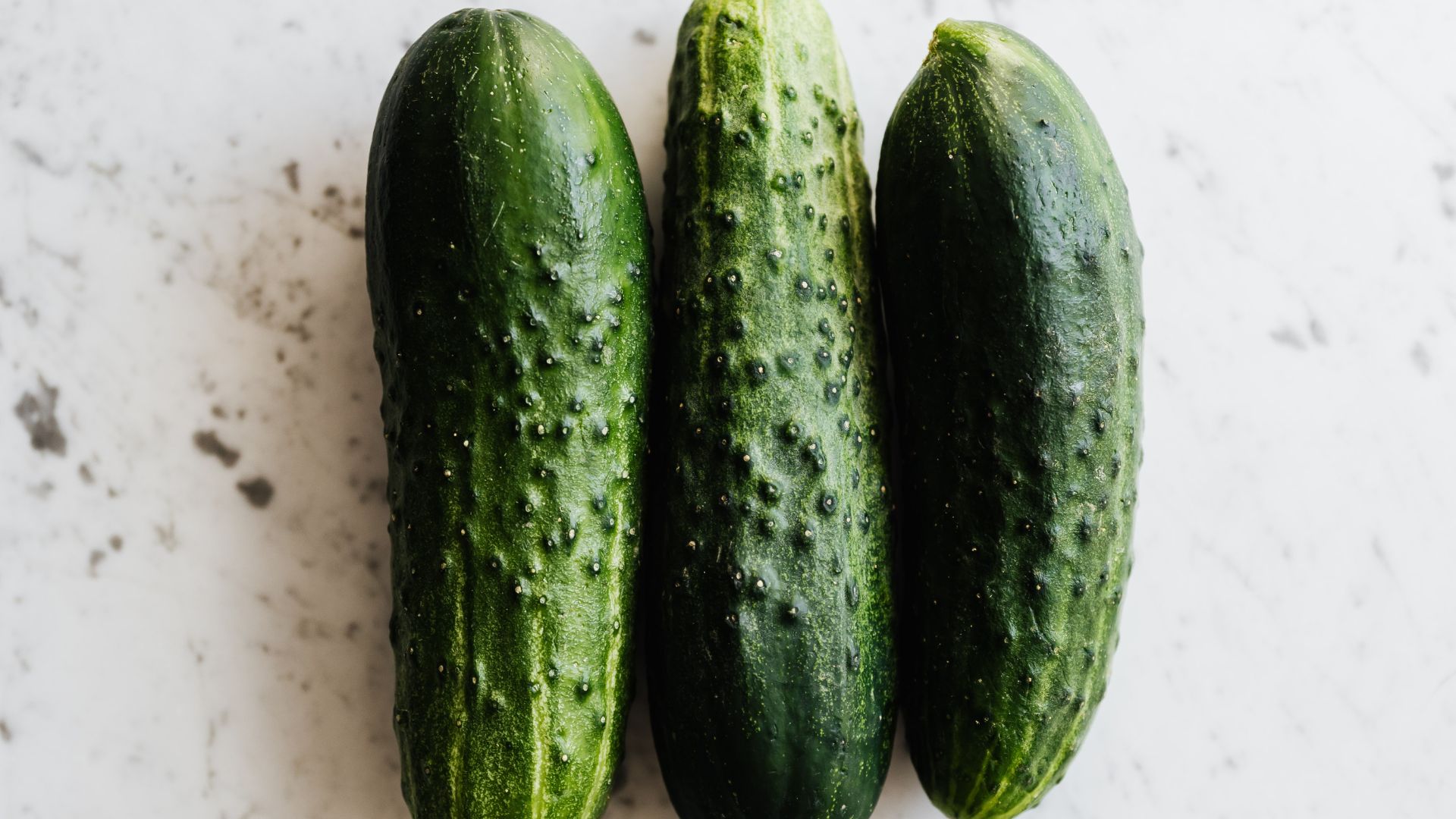
If you’re eager to embark on your gardening journey, learning how to plant cucumbers is an excellent choice for beginners. These refreshing vegetables are not only delicious but also relatively easy to grow, making them ideal for those new to gardening. By following a few simple techniques, you can enjoy a bountiful harvest of crisp cucumbers right from your backyard.
In this beginner guide, we will explore essential tips and techniques that will help you successfully plant cucumbers. First, we’ll cover the ideal growing conditions, including soil type and sunlight requirements. Next, we’ll discuss effective watering practices and pest management strategies to ensure your plants thrive. Furthermore, you’ll discover the best time to plant cucumbers and how to care for them throughout their growth cycle. With this comprehensive overview, you will be well-equipped to cultivate your own cucumbers with confidence.
Essential Soil Preparation for Planting Cucumbers
To successfully grow cucumbers, understanding the significance of soil preparation is crucial. The quality of the soil directly impacts the health and productivity of your plants. Therefore, investing time in preparing your soil can lead to a bountiful harvest. Cucumbers thrive in well-draining, nutrient-rich soil that retains moisture without becoming waterlogged. Moreover, proper soil preparation establishes a foundation for healthy roots and creates a vigorous growing environment.
Understanding Soil Nutrients for Cucumbers
Cucumbers require specific soil nutrients to support their growth. Key nutrients include nitrogen, phosphorus, and potassium, which are essential for healthy foliage, root development, and fruit production. For instance, nitrogen promotes leafy growth, while phosphorus enhances root and flower development. Therefore, testing your soil before planting can help you determine which nutrients need to be added. You can effectively amend your soil with organic matter, such as compost or well-rotted manure, to boost nutrient levels. Furthermore, incorporating a balanced fertilizer provides a more immediate nutrient source during the growing season.
Best Soil Types for Cucumbers
Cucumbers flourish in loamy or sandy soils that offer excellent drainage and aeration. These soil types allow roots to access moisture and nutrients efficiently. Conversely, heavy clay soils can hinder root development and increase the risk of disease. If you have clay soil, consider amending it with organic matter and sand to improve its texture. Consequently, root systems can grow deeper and healthier. Additionally, maintaining a pH level between 6.0 and 7.0 is ideal for cucumbers. You can test the pH with a simple kit and adjust it if necessary.
Moreover, applying strategies for preventing soil-borne diseases is essential, as these can significantly affect your crop yield. Incorporating practices such as crop rotation and maintaining soil health will further ensure a successful cucumber harvest. By focusing on soil preparation and nutrient management, you’ll set yourself up for a thriving cucumber garden.
Step-By-Step Guide: How to Plant Cucumbers in Containers
If you’re considering container gardening for cucumbers, you’re in for a rewarding experience. Growing cucumbers in containers allows for flexibility and control over your plants’ growing conditions. This method is particularly beneficial for those with limited space, such as apartment dwellers or urban gardeners. To successfully plant cucumbers in containers, you need to consider a few essential factors, including the right container, soil, watering practices, and sunlight exposure. By following this step-by-step guide, you can cultivate healthy and productive cucumber plants in a manageable space, ensuring a delightful harvest.
Choosing the Right Container
First, selecting the appropriate container is vital for successful cucumber growth. Choose containers that are at least 5 gallons in size to provide ample space for the roots to develop. Additionally, ensure that the container has drainage holes to prevent waterlogging, which can lead to root rot. For example, plastic pots, wooden boxes, or fabric grow bags work well. Moreover, consider using a trellis or support system, as cucumbers are vining plants that benefit from vertical growth. This not only saves space but also helps improve air circulation around the leaves, which is crucial for preventing fungal diseases. Furthermore, if you want to add a decorative touch, consider using colorful pots or vertical planters that can enhance your outdoor or indoor space.
Planting Techniques for Container Gardening
When it comes to planting cucumbers in containers, timing is crucial. Start by filling your chosen container with a high-quality potting mix, ideally one that retains moisture while providing good drainage. Subsequently, sow cucumber seeds about an inch deep, spacing them according to the variety you choose. For instance, bush varieties need less space than vining ones, typically requiring about 12 inches between seeds. After planting, water the soil lightly to keep it moist but not soggy. As your seedlings emerge, ensure they receive at least 6-8 hours of sunlight daily, as cucumbers thrive in full sun. Additionally, be vigilant about watering; containers dry out faster than garden beds, so check moisture levels regularly.
Moreover, for ongoing success, consider implementing habits for healthy garden plants, which can significantly enhance your gardening experience. Regularly monitor your plants for pests and diseases, as cucumbers can be susceptible to aphids and powdery mildew. Don’t forget to add a balanced fertilizer as they grow, promoting strong foliage and fruit production. As a rule of thumb, fertilize every few weeks with a liquid fertilizer high in potassium to encourage fruiting. Thus, with the right container and planting techniques, your container gardening adventure will yield a bountiful harvest of delicious cucumbers, providing you with fresh produce for salads, pickling, or simply enjoying as a healthy snack.
Cucumber Varieties: Choosing the Best for Your Garden
When it comes to growing cucumbers, selecting the right cucumber varieties for home gardens is essential. Each variety possesses unique characteristics that cater to different growing conditions and preferences. By understanding these differences, you can choose the best type for your garden, thereby ensuring a fruitful and enjoyable harvest. Factors such as climate, space, and intended use all play a significant role in determining which cucumber variety will thrive in your backyard.
In the following sections, we will highlight popular cucumber varieties and provide guidance on selecting the best types based on your specific climate. Additionally, we will present a comparison table that outlines how different cucumber varieties perform under various growth conditions.
Popular Cucumber Varieties for Home Gardens
Several popular cucumber varieties are commonly chosen by gardeners. For instance, ‘Marketmore 76’ is renowned for its disease resistance and high yield, making it ideal for home gardeners. Similarly, ‘Burpless’ cucumbers are favored for their mild flavor and lack of bitterness. On the other hand, pickling varieties like ‘Boston Pickling’ are perfect for those who enjoy making homemade pickles. Each of these options has unique attributes that can enhance your gardening experience, depending on your needs and preferences.
Selecting Cucumber Varieties Based on Climate
Choosing the right cucumber varieties also significantly depends on your climate. For example, warm climates benefit from heat-tolerant varieties like ‘Sweet Slice’, which can withstand higher temperatures. Conversely, cooler regions may require varieties such as ‘Cool Breeze’, which thrive in shorter growing seasons. Therefore, understanding your local climate can help you select the most suitable cucumber varieties that will flourish in your garden.
Here’s a table comparing different cucumber varieties based on their growth conditions:
| Cucumber Variety | Ideal Climate | Use Type |
|---|---|---|
| Marketmore 76 | Warm, temperate | Fresh eating |
| Burpless | Warm, temperate | Fresh eating |
| Boston Pickling | Warm, temperate | Pickling |
| Sweet Slice | Hot, sunny | Fresh eating |
| Cool Breeze | Cooler, short season | Fresh eating |
By analyzing the table, you can see how different cucumber varieties cater to specific climate conditions and uses. Consequently, knowing these distinctions can help you make an informed choice for your home garden. Additionally, don’t forget to consider potential threats to your garden. To learn more about how to protect your veggie patch, check out this guide on protecting your veggie patch. If you’re looking for more beginner-friendly recommendations on cucumber varieties, you can also refer to How to Grow Cucumbers: Beginner’s Starter Guide. Happy gardening!
Cucumber Pest Management: Protecting Your Plants
Effective cucumber pest management is essential for maintaining healthy plants and ensuring a fruitful harvest. Gardeners often encounter various common pests and diseases affecting cucumbers, which can lead to stunted growth, poor yields, and even plant death. To protect your plants, it’s crucial to identify these threats early and implement appropriate control measures. Understanding the life cycles and habits of these pests can significantly enhance your management strategies, allowing you to take proactive steps rather than reactive ones.
Moreover, the environment plays a critical role in pest prevalence. For instance, warm and humid conditions can create a breeding ground for pests and diseases. Therefore, monitoring weather patterns and adjusting your gardening practices accordingly can further safeguard your cucumber plants. By being vigilant and informed, you can create a thriving garden that yields delicious cucumbers.
Common Pests and Diseases
Among the most common pests affecting cucumbers are aphids, cucumber beetles, and spider mites. Aphids can weaken plants by feeding on their sap, while cucumber beetles are notorious for spreading bacterial wilt, which can devastate entire crops. Spider mites thrive in hot, dry conditions and can cause leaf discoloration and damage, leading to reduced photosynthesis. Additionally, diseases like powdery mildew and downy mildew can develop in humid environments, resulting in white fungal growth on leaves. Identifying these pests and diseases early can help you take timely action, such as removing infected leaves or adjusting watering practices to reduce humidity around the plants.
Effective Management Techniques
To effectively manage cucumber pests, you can employ both natural and chemical control methods. For instance, introducing beneficial insects like ladybugs can help keep aphid populations in check. Similarly, companion planting with marigolds can deter cucumber beetles by masking the scent of cucumbers. Moreover, regular monitoring of your plants allows you to spot infestations before they escalate. If necessary, you might consider using insecticidal soap or neem oil as a safe, eco-friendly option for controlling pests. Additionally, implementing crop rotation can disrupt pest life cycles and reduce their populations over time. For more detailed strategies on pest management and cucumber health, you can refer to the insights provided by NC State Extension. Therefore, by combining these strategies, you can protect your cucumber plants and enjoy a thriving garden, ensuring that your efforts yield a bountiful harvest.
Growing Tips for Cucumbers: Maximizing Your Harvest
To maximize your cucumber harvest, implementing effective growing tips is essential. Watering and fertilization play critical roles in ensuring healthy plants and abundant yields. Cucumbers, being primarily water, require consistent moisture to thrive. Therefore, aim to keep the soil evenly moist but not soggy. Water deeply once or twice a week, depending on the weather conditions and the size of your plants. This helps the roots establish themselves well and encourages strong growth. Additionally, using mulch can help retain moisture and suppress weeds, which can compete for nutrients. Organic mulches, such as straw or grass clippings, not only provide these benefits but also gradually enrich the soil as they decompose.
Moreover, paying attention to the timing of your watering is crucial. Early morning is often the best time to water, as it allows plants to absorb moisture before the heat of the day. This practice can reduce evaporation and ensure that your cucumbers receive the hydration they need. Furthermore, monitoring the weather for rainfall can help you adjust your watering schedule accordingly, preventing overwatering, which can lead to root rot.
Watering and Fertilization Tips
When it comes to fertilization, cucumbers benefit from a balanced fertilizer that promotes both growth and fruiting. For instance, a fertilizer with a ratio of 5-10-10 can provide essential nutrients at the right stage of growth. Apply this fertilizer every four to six weeks, particularly once the plants start producing flowers. Moreover, consider side-dressing with compost to enrich the soil further. This additional organic matter not only improves nutrient levels but also enhances soil structure, allowing for better water retention. Additionally, incorporating a slow-release fertilizer can provide a steady supply of nutrients throughout the growing season, ensuring your cucumbers remain healthy and productive.
Companion Planting with Cucumbers
Companion planting with cucumbers can significantly boost your garden’s productivity. Certain plants, such as radishes, marigolds, and beans, can enhance cucumber growth while deterring pests. For example, marigolds release compounds that repel harmful nematodes and beetles, protecting your cucumber plants. Similarly, planting beans alongside cucumbers can improve soil nitrogen levels, benefiting both crops. Additionally, utilizing vertical space for climbing varieties can maximize your garden’s efficiency. By carefully selecting companion plants, you can create a thriving ecosystem that not only supports cucumbers but also encourages overall garden health. Furthermore, consider rotating your cucumber crops each season to prevent soil-borne diseases and maintain soil fertility, ensuring a sustainable gardening practice that yields fruitful results year after year.
Your Action Plan for Successful Cucumber Gardening
Ultimately, your action plan for successful cucumber gardening begins with a solid understanding of how to plant cucumbers effectively. Start by preparing your soil to ensure it is nutrient-rich and well-draining, which is essential for healthy plant growth. Additionally, remember to plant your cucumbers during the right season to take full advantage of optimal growing conditions. This timing can significantly influence your yield, as cucumbers thrive in warm weather and require a frost-free environment.
To summarize, regular watering and pest management are critical components that will help your cucumber plants thrive. Moreover, maintaining a watchful eye on your crops will enable you to address any issues promptly, ensuring a fruitful harvest. For example, implementing a consistent watering schedule and using organic pest control methods can lead to healthier plants and better fruit quality. Clearly, with the right techniques and care, you can enjoy fresh, crisp cucumbers from your very own garden.
Therefore, don’t hesitate to embark on this rewarding gardening journey. Grab your seeds and start planting cucumbers today! As you nurture your plants, you’ll learn valuable skills and experience the joy of gardening. Additionally, consider joining local gardening groups or online forums to share your experiences and gain insights from fellow gardeners. Lastly, keep experimenting and expanding your knowledge, as each season presents new opportunities for growth and success. Happy gardening!