If you’re dreaming of a garden filled with vibrant colors and lush blooms, learning how to plant hydrangeas can transform your outdoor space into a floral paradise. These stunning shrubs not only provide breathtaking beauty but also impart a sense of tranquility to any landscape. However, the key to successfully cultivating these magnificent plants lies in understanding their specific needs and the best techniques for planting.
In this article, we will explore essential gardening tips that will guide you through the process of planting hydrangeas, ensuring they thrive for years to come. Specifically, we’ll cover everything from selecting the right variety for your climate to choosing the perfect location in your garden. Additionally, we will discuss proper watering and care practices. By following these steps, you’ll be well on your way to enjoying a flourishing hydrangea garden that dazzles with color and life.
Understanding How to Plant Hydrangeas
Understanding how to plant hydrangeas involves more than just digging a hole and placing the plant inside. Timing and location are critical factors that can greatly influence their success. To ensure your hydrangeas flourish, you must consider when and where to plant them. This guide will help you navigate these aspects, setting you up for a beautiful, blooming garden. Moreover, understanding the specific requirements of hydrangeas will enable you to create an environment where they can thrive, ultimately leading to a vibrant display of color in your landscape.
The best time to plant hydrangeas is in the spring or fall. During these seasons, the weather is generally mild, which promotes strong root development. Planting in spring allows the hydrangeas to establish themselves before the heat of summer, while fall planting gives them a head start for the next growing season. However, if you live in a warmer climate, you might find that late winter is also suitable. Consequently, by timing your planting correctly, you can enhance the chances of your hydrangeas thriving. Additionally, it’s important to monitor local weather patterns, as unexpected frosts can impact young plants. For more details, check out this comprehensive step-by-step guide for planting hydrangeas.
Choosing the Right Location
When learning how to plant hydrangeas, choosing the right location is paramount. Hydrangeas prefer partially shaded areas, particularly where they receive morning sun and afternoon shade. This positioning helps prevent wilting during the hottest part of the day. Additionally, ensure that the soil is well-drained; soggy soil can lead to root rot, which is detrimental to their health. To illustrate, you can amend your soil with organic matter, such as compost, to improve drainage and nutrient content. Furthermore, consider the proximity to other plants; hydrangeas need space to grow without competing too intensely for nutrients.
In this context, understanding essential habits for healthy garden plants can significantly improve your planting strategy. For instance, planting hydrangeas at least three feet apart allows for adequate airflow, reducing the risk of disease. By following these guidelines, you’ll create an ideal environment for your hydrangeas to thrive, ensuring that they produce healthy blooms year after year. Ultimately, a well-planned planting strategy will not only enhance the beauty of your garden but also contribute to the overall health of your hydrangeas.
Comparing Different Hydrangea Varieties for Planting
When it comes to selecting hydrangea varieties for your garden, it’s essential to consider their unique characteristics, as each type has distinct features and care requirements. Understanding these differences can significantly enhance your hydrangea care experience and help you create a stunning landscape. The table below outlines some popular hydrangea varieties, highlighting their key attributes, which will aid you in making an informed decision. Additionally, knowing the specific needs of each variety can help you tailor your gardening practices to ensure optimal growth and blooming.
| Hydrangea Variety | Bloom Color | Size and Growth Habit |
|---|---|---|
| Hydrangea macrophylla | Pink/Blue | 3-6 ft tall, 3-5 ft wide |
| Hydrangea paniculata | White/Pink | 6-8 ft tall, 4-6 ft wide |
| Hydrangea arborescens | White | 3-5 ft tall, 3-4 ft wide |
| Hydrangea serrata | Blue/Pink | 3-4 ft tall, 3-4 ft wide |
| Oakleaf Hydrangea | White to Purple | 4-6 ft tall, 5-7 ft wide |
Popular Hydrangea Varieties
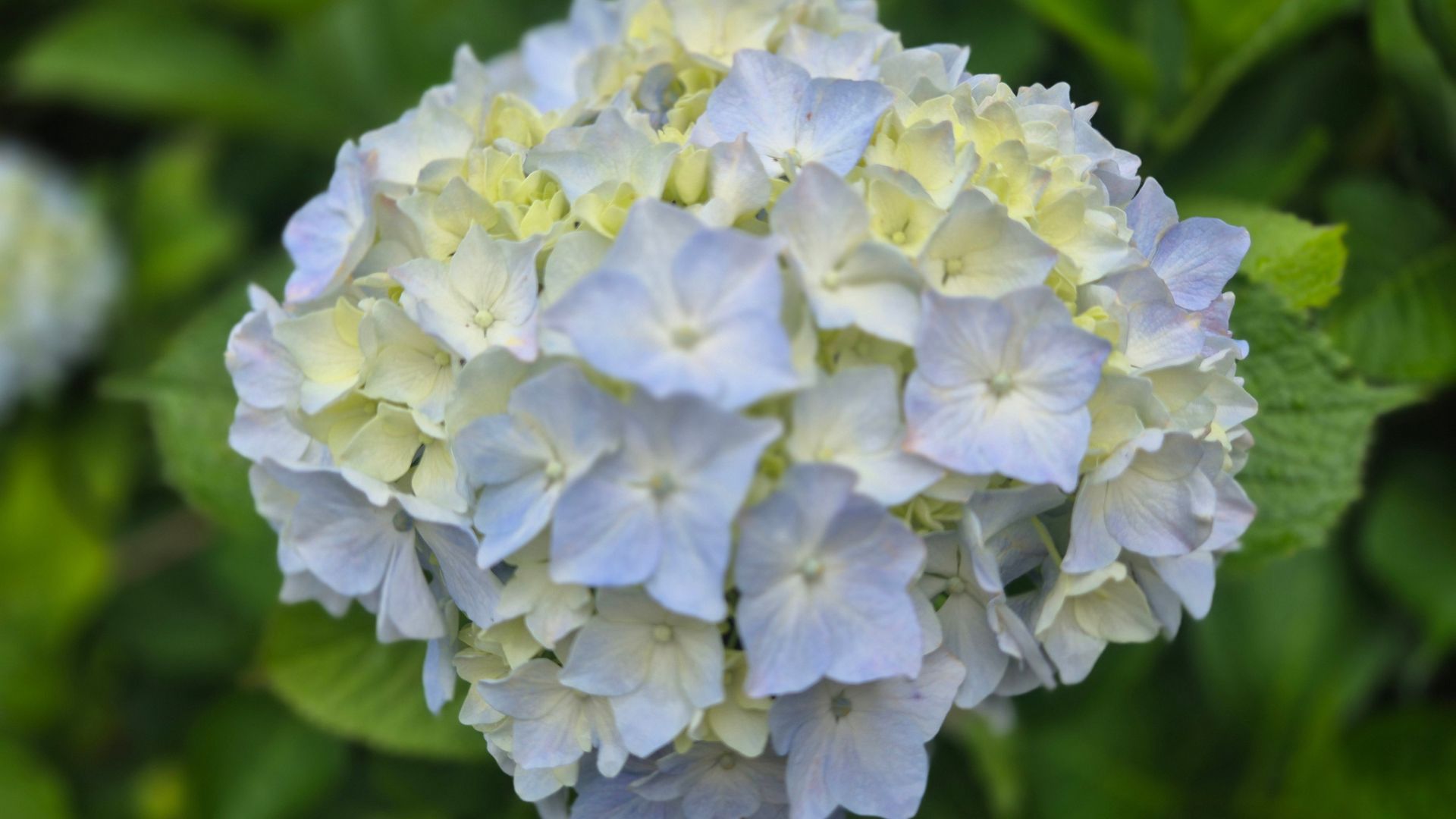
Among the myriad of hydrangea varieties, some stand out for their beauty and adaptability. The Hydrangea macrophylla, commonly known as the bigleaf hydrangea, is particularly favored for its vibrant blooms that can range from pink to blue, depending on soil pH. This adaptability allows gardeners to manipulate the color by adjusting soil acidity, making it a fun choice for those who enjoy experimenting. Additionally, the Hydrangea paniculata, or panicle hydrangea, is known for its impressive cone-shaped flower clusters and ability to tolerate a variety of soil types. Thus, these varieties can thrive in different garden settings, making them popular choices for both novice and seasoned gardeners. Other varieties, such as Hydrangea arborescens, are also valued for their hardiness and ability to produce large, white blooms, adding to the diversity of options available.
Specific Care Needs
While hydrangeas are generally low-maintenance, each variety has specific care needs that you should be aware of. For instance, Hydrangea macrophylla prefers a sheltered spot with partial shade and regular watering to maintain soil moisture. Conversely, Hydrangea paniculata is more drought-tolerant and can handle full sun, which makes it easier to care for in various climates. Therefore, understanding these specific requirements will ensure your hydrangeas flourish. Additionally, Hydrangea serrata thrives in slightly acidic soils and can benefit from mulching to retain moisture, while Oakleaf hydrangeas prefer well-drained soil and can tolerate some drought once established.
Moreover, keeping an eye on potential issues is crucial. Regular monitoring can help you prevent plant diseases effectively and maintain the health of your hydrangeas. By being proactive in your hydrangea care, you can enjoy a vibrant and healthy garden throughout the growing season. Furthermore, incorporating organic fertilizers can enhance blooming and overall plant vigor, ensuring your hydrangeas remain a stunning focal point in your landscape.
Essential Hydrangea Soil Requirements
To create a flourishing hydrangea garden, understanding the essential hydrangea soil requirements is crucial. These stunning plants thrive in specific soil conditions that support their growth and blooming potential. When preparing your garden for hydrangeas, focus on the right soil composition, pH levels, and drainage techniques. A well-informed approach will help ensure your hydrangeas produce vibrant blooms year after year.
Ideal Soil Composition for Hydrangeas
Hydrangeas prefer a loamy soil composition rich in organic matter. This type of soil retains moisture while providing adequate drainage, which is vital for hydrangea roots. To achieve the ideal mix, consider adding compost or well-rotted manure to your garden bed. For instance, mixing equal parts of garden soil, compost, and peat moss can enhance both moisture retention and nutrient availability. Additionally, incorporating materials like perlite or vermiculite can improve aeration, ensuring that roots can breathe and grow effectively. Therefore, focusing on the right soil composition is key to cultivating healthy hydrangeas.
pH Levels and Drainage Considerations
Another critical aspect of hydrangea soil requirements is the pH level. Hydrangeas generally prefer slightly acidic to neutral soil, with a pH range of 5.5 to 7.0. However, the pH can influence the flower color of some varieties, especially the bigleaf hydrangea. For example, a lower pH can produce blue flowers, while a higher pH can yield pink blooms. To monitor and adjust pH levels, you can use soil testing kits available at garden centers. Moreover, ensuring proper drainage is essential; hydrangeas do not thrive in waterlogged soil. To achieve this, amend your soil with organic materials or plant hydrangeas in raised beds to prevent excess moisture retention. Consequently, understanding pH and drainage will help you create the perfect environment for these beautiful plants.
By adhering to these hydrangea soil requirements, you will establish a strong foundation for a vibrant and healthy garden. For more comprehensive information on hydrangea care and planting techniques, consider exploring this excellent resource on Hydrangea Care & Planting – How to Grow Hydrangea Flowers. Following these guidelines will set you on the path to enjoying a stunning display of blooms.
Common Hydrangea Diseases and Their Treatments
To keep your hydrangeas blooming beautifully, it’s crucial to be aware of common diseases that can adversely affect their health. Various factors, including environmental conditions, pests, and care practices, can lead to these issues. By understanding these diseases, you can implement effective treatments to restore your plants and ensure they thrive. In this section, we will explore common hydrangea diseases and provide practical care tips for hydrangeas that help mitigate their impact, allowing you to maintain a vibrant and healthy garden.
Identifying Common Diseases
One prevalent disease among hydrangeas is powdery mildew, which appears as a white, powdery substance on leaves. This fungal infection thrives in warm, dry conditions and can hinder photosynthesis, ultimately affecting growth and flowering. To illustrate, if left untreated, powdery mildew can lead to stunted plants and reduced bloom quality. Another common issue is leaf spot, characterized by dark, irregular spots on leaves caused by various pathogens, including bacteria and fungi. These spots can weaken the plant and make it more susceptible to other diseases. Additionally, root rot, often a result of overwatering or poor drainage, can severely damage the root system, leading to wilting and yellowing leaves. By keeping an eye out for these symptoms, you can take timely action to protect your hydrangeas and preserve their beauty.
Effective Treatment Methods
Once you’ve identified the diseases affecting your hydrangeas, it’s essential to act swiftly to minimize damage. For powdery mildew, improve air circulation around your plants by spacing them appropriately and pruning overcrowded branches. Moreover, consider applying fungicides specifically formulated for this type of fungus. You may also use homemade solutions, such as a mixture of baking soda and water, which can be effective in treating mild cases. For leaf spot, promptly remove affected leaves to prevent further spread and treat the plant with a fungicide according to package instructions. Regularly inspecting your plants can help catch these issues early. In the case of root rot, the best approach is to amend your watering practices by allowing the soil to dry out between waterings and ensuring proper drainage. Additionally, utilizing effective planting techniques, such as selecting well-draining soil and incorporating organic matter, will help prevent this issue in the future. Thus, by applying these treatment methods and care tips for hydrangeas, you can maintain their health and beauty in your garden, ensuring they continue to flourish year after year.
How to Care for Hydrangeas After Planting
Caring for hydrangeas after planting is crucial for helping them thrive and produce beautiful blooms. After you’ve successfully planted your hydrangeas, establishing a proper care routine becomes essential. This includes understanding their watering needs, ensuring they receive the right nutrients, and protecting them from pests and diseases. By following these guidelines, you can enjoy a stunning display of colors in your garden, enhancing both its beauty and your enjoyment of the outdoor space.
Watering Techniques
First and foremost, watering is one of the most important aspects of how to care for hydrangeas after planting. Hydrangeas prefer consistently moist soil, especially during their first growing season. Therefore, it’s vital to water them deeply and regularly. Initially, you should water your newly planted hydrangeas every few days to help them establish their roots. After a few weeks, you can reduce the frequency to once a week, depending on rainfall. Additionally, during hot summer months, you may need to increase watering to maintain soil moisture. To illustrate, using a soaker hose or drip irrigation can provide even moisture without waterlogging the plants. Furthermore, mulching around the base of the plants can help retain soil moisture and regulate temperature, making it easier for your hydrangeas to thrive.
Fertilizing Your Hydrangeas
Moreover, fertilization plays a significant role in maintaining healthy hydrangeas. When learning how to care for hydrangeas after planting, consider applying a balanced, slow-release fertilizer in early spring. This will give your plants the nutrients they need to grow strong and produce vibrant flowers. For example, a fertilizer with an N-P-K ratio of 10-10-10 works well. However, if your soil is acidic, you might want to use a fertilizer specifically designed for acid-loving plants. Similarly, applying compost in early spring can boost soil health and enhance nutrient availability. As noted by Smart Garden Care, enriching your garden soil can also help prevent diseases, ensuring your hydrangeas remain robust. Additionally, you may want to perform a soil test every few years to monitor nutrient levels and adjust your fertilization strategy accordingly.
Pest and Disease Management
In addition to watering and fertilization, it is essential to monitor your hydrangeas for pests and diseases. Common pests include aphids and spider mites, which can weaken your plants if left unchecked. To combat these pests, you can use insecticidal soap or neem oil as a natural remedy. Furthermore, keeping the area around your hydrangeas clean and free from debris can help reduce the risk of disease. Regularly inspecting your plants for signs of trouble will allow you to address issues promptly, ensuring your hydrangeas remain healthy and vibrant.
By adhering to a consistent watering schedule, providing the right nutrients, and managing pests effectively, you will support your hydrangeas in flourishing. Consequently, you can look forward to a stunning garden filled with vibrant blooms, bringing joy and beauty to your outdoor space.
Your Action Plan for Thriving Hydrangeas
Ultimately, your journey to vibrant, healthy blooms starts with a solid action plan for planting hydrangeas. To summarize, the key elements include selecting the right variety suited to your climate, choosing an ideal location with appropriate sunlight, and understanding the importance of timing. By planting hydrangeas in the spring or fall, you set the stage for robust growth and stunning displays. Additionally, consider the specific needs of the variety you choose, as some hydrangeas thrive in partial shade while others prefer full sun.
Moreover, proper watering and care are essential for helping your hydrangeas flourish. Ensuring they receive the right balance of moisture and nutrients will lead to an abundance of beautiful flowers that enhance your garden’s charm. Therefore, take the time to prepare your soil and regularly monitor your plants’ needs. Fertilizing during the growing season can also boost their health, encouraging more prolific blooms.
Now that you’re equipped with the knowledge to succeed, it’s time to take action. Gather your supplies, choose your hydrangea varieties, and start planting today! Clearly, with a little dedication and care, you can create a thriving hydrangea garden that brings joy for years to come. Future seasons will reward you with a stunning array of colors, transforming your outdoor space into a true floral haven. Remember, the effort you invest today will yield a breathtaking garden that not only beautifies your surroundings but also provides a peaceful retreat for you and your loved ones.