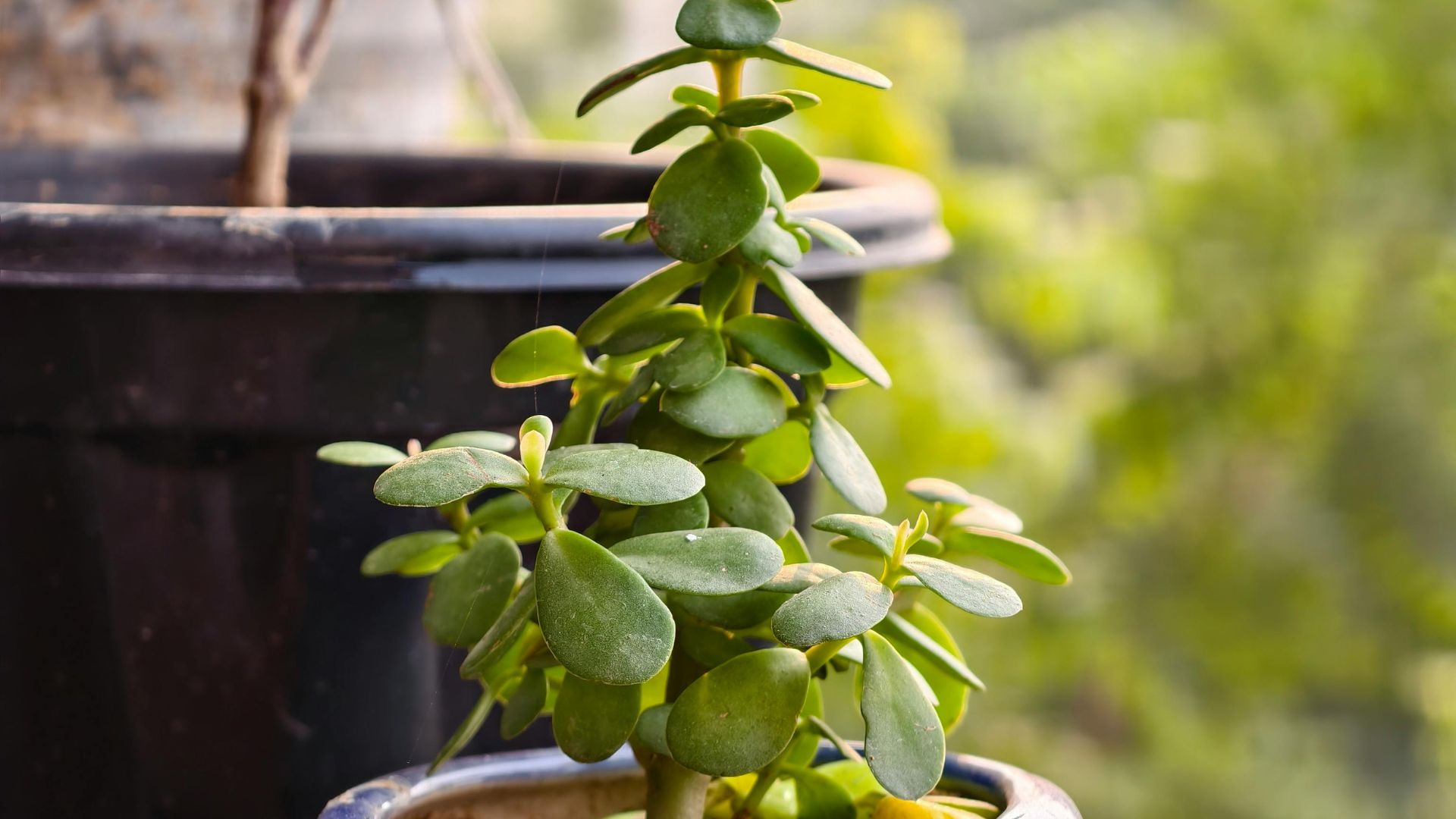
The jade plant, scientifically known as Crassula ovata, has captivated plant enthusiasts worldwide due to its appealing appearance and low maintenance requirements. This succulent is not only admired for its glossy, round leaves but also for its symbolism of good luck and prosperity. Therefore, for those looking to incorporate this charming plant into their home or garden, understanding the fundamentals of planting jade plants is crucial for ensuring their health and longevity.
In this comprehensive guide, we will delve into everything you need to know about successfully planting jade plants, from selecting the ideal potting mix to mastering the best watering practices. Moreover, we will provide essential care tips that will help your jade plant thrive, whether indoors or outdoors. Consequently, by the end of this article, you will be well-equipped with the knowledge to nurture your jade plant into a beautiful, flourishing specimen.
Understanding the Jade Plant: Characteristics and Care
The jade plant is a popular succulent that thrives in various environments, making it a favorite among both novice and experienced gardeners. Characterized by its thick, fleshy leaves that are often a vibrant green, this plant can grow into a small tree-like structure over time. Its resilience and ease of care make it an ideal choice for those looking to add greenery to their spaces. Additionally, jade plants are believed to bring good fortune, which adds to their appeal in homes and offices. This combination of aesthetic charm and symbolic significance makes the jade plant a beloved addition to many households.
Moreover, the jade plant’s ability to adapt to different conditions enhances its popularity. It can flourish in low-light settings, although it performs best in bright, indirect sunlight. This flexibility allows it to be placed in various locations, from sunny windowsills to dim corners, without compromising its health. As a result, the jade plant not only serves as a decorative element but also contributes to the overall ambiance of a space, making it a versatile choice for plant enthusiasts.
What is a Jade Plant?
The jade plant, or Crassula ovata, is native to South Africa and Mozambique. It typically features a compact structure with branches that can become woody with age. Moreover, the leaves can vary in color, sometimes displaying shades of red or yellow at the edges when exposed to bright sunlight. This adaptability allows it to flourish in various conditions, making it a versatile choice for plant care. As it matures, jade plants can produce small, star-shaped flowers, adding an extra touch of beauty to its already attractive foliage. These flowers, which usually bloom in late winter or early spring, can be a delightful surprise for plant owners, showcasing the plant’s ability to thrive under the right conditions.
Ideal Conditions for Jade Plants
To ensure your jade plant thrives, it’s essential to provide the right conditions. First, place it in a location with plenty of indirect sunlight; this helps the leaves maintain their vibrant color and encourages growth. Additionally, jade plants prefer well-draining soil, which prevents overwatering—a common issue for succulent care. Water your plant only when the top inch of soil feels dry, as jade plants are drought-tolerant. Furthermore, it’s beneficial to fertilize your jade plant during the growing season with a balanced, diluted fertilizer to promote robust health. This practice not only supports growth but also enhances the plant’s resilience against pests and diseases. For more detailed guidance, you can refer to this comprehensive care guide covering all aspects of jade plant growth. By following these simple care tips, your jade plant will be well on its way to becoming a thriving centerpiece in your home or garden, providing beauty and good fortune for years to come.
Choosing the Right Soil for Planting Jade Plant
Choosing the right soil for your jade plant is crucial for its growth and overall health. A well-draining soil mix not only supports the plant’s root system but also prevents issues like root rot, which can be detrimental to succulents. Jade plants thrive in environments that mimic their natural habitat, characterized by dry conditions and excellent drainage. Therefore, selecting the best soil for jade plants is essential to recreate these conditions in your home or garden.
When considering soil types, it’s important to recognize that not all potting mixes are created equal. A mix that retains too much moisture can lead to complications; however, a well-balanced soil can promote healthy growth. To help you make an informed decision, we’ve compiled a comparison of various soil types suitable for jade plants.
Importance of Soil Drainage for Jade Plants
Soil drainage plays a vital role in the health of jade plants. Without proper drainage, excess water can accumulate around the roots, leading to rot and other complications. Consequently, it is essential to choose a soil that allows water to flow freely while still providing the necessary nutrients. A well-draining mix not only helps maintain the right moisture levels but also encourages the plant to develop a robust root system. Moreover, good drainage makes it easier for you to manage watering schedules effectively.
Best Soil Mix for Planting Jade Plant
When selecting the ideal soil mix for your jade plant, consider a blend that incorporates ingredients known for their drainage properties. The best soil for jade plants typically consists of a combination of potting soil, perlite, and coarse sand. This mixture provides a balance of moisture retention and drainage, ensuring that your jade plant can thrive. Below is a table comparing different soil types to help you choose what suits your jade plant best.
| Soil Type | Drainage Level | Nutrient Content |
|---|---|---|
| Cactus Mix | High | Moderate |
| Perlite & Potting Soil | Very High | Low |
| Regular Potting Soil | Low | High |
As you can see, each soil type offers distinct advantages. A cactus mix is an excellent choice due to its high drainage level, making it ideal for jade plants. Alternatively, a blend of perlite and potting soil provides exceptional drainage but may require additional nutrients. Regular potting soil, while rich in nutrients, often retains too much moisture, which can be detrimental. For more tips on jade plant care, check out this comprehensive care guide.
Step-by-Step Guide to Planting Jade Plant
Planting a jade plant is a rewarding experience, particularly for those seeking to enhance their indoor or outdoor spaces. This step-by-step guide will walk you through the essential phases of preparing your pot and soil, planting the jade plant, and ensuring proper watering and positioning. By following these instructions, you can cultivate a beautiful jade plant that thrives in your environment.
Preparing Your Pot and Soil for Jade Planting
First and foremost, selecting the right pot is crucial for planting a jade plant. Choose a container with drainage holes to prevent water from accumulating, which can lead to root rot. Terra cotta pots are particularly effective because they allow for air circulation and moisture control. Next, you’ll need an appropriate potting mix. A well-draining soil mix, ideally designed for succulents, will provide the right balance of nutrients and drainage. You can also mix regular potting soil with sand or perlite to enhance drainage capabilities. Furthermore, preparing your pot with a layer of gravel at the bottom can significantly improve drainage, ensuring a healthy environment for your jade plant.
Planting the Jade Plant
After preparing your pot and soil, it’s time to plant the jade plant. Start by filling the pot with your soil mixture, leaving about an inch of space at the top. Gently remove the jade plant from its nursery container, taking care not to damage the roots. If the roots are tightly bound, you can loosen them slightly. Place the plant in the center of the pot and fill in around the roots with more soil, pressing it down lightly to eliminate air pockets. Make sure the plant is secure, but avoid compacting the soil too much. Consequently, this will help the jade plant establish a strong root system. Once planted, give it a gentle tap to settle the soil.
Watering and Positioning Your Jade Plant
Watering is one of the most crucial aspects of caring for your jade plant. Initially, allow the soil to dry out completely before watering again; this usually means watering every two to three weeks. To illustrate, if the top inch of soil feels dry to the touch, it’s time to water. When you do, water thoroughly until it drains from the bottom. This deep watering encourages the roots to grow downward, fostering a healthier plant. Additionally, plant positioning is vital for jade plants. They thrive in bright, indirect sunlight, so placing them near a window that receives filtered light is ideal. However, too much direct sunlight can scorch the leaves, so monitor them closely. Indeed, rotating the plant occasionally can help ensure even growth and prevent leaning toward the light.
Overall, planting a jade plant is a straightforward process that involves careful preparation, effective planting techniques, and ongoing care. For more insights on the low-maintenance aspects of jade plants, check out Jade Plant, A No Fuss Houseplant. By following these steps and paying attention to your plant’s needs, you’ll enjoy the beauty and benefits of your jade plant for years to come.
Common Pests and Diseases Affecting Jade Plants
Understanding and addressing common pests and diseases affecting jade plants is crucial for successful jade plant care. While these plants are generally hardy, they can fall victim to various pests and diseases that may compromise their health. Being aware of these threats allows for timely intervention and effective management strategies. Furthermore, recognizing the signs of distress in your jade plant can help you take action before a minor issue escalates into a more significant problem, ensuring that your plant remains vibrant and healthy.
Identifying Common Pests
Common pests that affect jade plants include mealybugs, spider mites, and aphids. Mealybugs appear as small, cotton-like masses and can cause significant damage by sucking the sap from the leaves. This sap extraction not only weakens the plant but can also lead to yellowing leaves and overall decline. Similarly, spider mites thrive in dry conditions, often leading to stippling and a web-covered appearance on the undersides of leaves. These pests can reproduce rapidly, so early detection is vital. Aphids, on the other hand, are small, soft-bodied insects that cluster on new growth, resulting in curled leaves and stunted growth. To illustrate, a heavy infestation can lead to deformed leaves and reduced vitality. Identifying these pests early is essential, as they can spread quickly and become a bigger problem if left unchecked.
Treatment Options
To effectively treat and prevent pest infestations, start with regular inspections of your jade plant. If you notice pests, you can use insecticidal soap or neem oil, which are both effective organic options. Simply spray the affected areas, ensuring thorough coverage, and repeat the application weekly until the pests are gone. Additionally, maintaining optimal jade plant care practices by ensuring proper watering and humidity levels is crucial, as stressed plants are more susceptible to infestations. Overwatering, for instance, can lead to root rot, making the plant more vulnerable to pests. Furthermore, consider isolating any new plants for a few weeks to prevent potential pests from spreading. This quarantine period allows you to monitor new plants for any signs of infestation before introducing them to your existing collection. For comprehensive pest management strategies, you can learn more from How to Grow and Care for Jade Plants, which offers detailed insights into keeping your jade healthy and thriving.
By staying vigilant and implementing these treatment options, you can protect your jade plant from common pests and ensure its longevity. Regular maintenance and prompt action are key to keeping these plants beautiful and healthy. Moreover, fostering a healthy environment for your jade plant will not only deter pests but also promote robust growth, allowing you to enjoy its beauty for years to come.
Propagating Your Jade Plant: Techniques and Tips
Propagating your jade plant can be a rewarding endeavor, allowing you to expand your collection or share with friends. Understanding how to propagate jade plants from cuttings is essential for success. This process involves taking healthy stem cuttings from an existing plant and encouraging them to root. Not only is it straightforward, but it also provides an opportunity to create new plants without extensive investment. Therefore, let’s delve into effective methods and care requirements for these succulent plant cuttings, ensuring that your propagation efforts yield healthy and vibrant new jade plants.
Methods of Propagation
To illustrate, the most common method to propagate jade plants is through stem cuttings. First, select a healthy stem that is at least a few inches long. Using clean, sharp scissors, cut just below a leaf node. Allow the cutting to dry for a day or two, forming a callus at the cut end. This step is crucial, as it helps prevent rot when the cutting is planted. Subsequently, plant the cutting in a well-draining succulent mix, ensuring that the cut end is buried about an inch deep. Water lightly, allowing the soil to dry out completely between waterings. This technique works well, especially if you observe that the cutting is placed in a warm, sunny area. Alternatively, you can also propagate jade plants using leaf cuttings, but this method may take longer to root, often requiring several weeks to months. To enhance your chances of success, consider using rooting hormone on the cut end before planting, as this can stimulate faster root growth.
Caring for New Cuttings
Once you’ve planted your jade cuttings, proper care is crucial for their successful growth. Initially, keep the cuttings in bright, indirect light to prevent them from burning while they adapt. Moreover, ensure that the soil is dry before watering. Overwatering is a common mistake that can lead to rot, particularly in succulent planting. To facilitate root development, mist the cuttings lightly, providing humidity without soaking the soil. After a few weeks, gently tug on the cutting; if there’s resistance, roots are forming. Consequently, once the roots are well established, you can gradually introduce more direct sunlight and regular watering. This gradual acclimatization will help the new plants thrive in their new environment. Additionally, monitoring for pests and diseases during this period is essential, as young cuttings can be more vulnerable. If you notice any signs of trouble, such as discolored leaves or webbing, address these issues promptly to ensure the health of your new jade plants.
In summary, propagating jade plants is a simple yet fulfilling process. By following these techniques and care tips, you can successfully expand your jade plant collection. Whether using stem or leaf cuttings, maintaining the right conditions will lead to healthy new plants ready to grow and flourish. With patience and attention, your propagation efforts can result in a thriving jade plant garden that brings joy and beauty to your space.
Your Action Plan for Successful Jade Plant Growth
To summarize, successfully planting a jade plant involves understanding its unique needs, including the right potting mix, watering schedule, and light requirements. By following jade plant care tips for beginners, you can create an environment that promotes growth and enhances its natural beauty. Remember, these resilient succulents thrive on minimal care, making them perfect for both novice and seasoned gardeners alike.
Ultimately, the journey of nurturing your jade plant can be rewarding and fulfilling. With patience and proper attention, you will see your plant flourish and perhaps even achieve the delightful promise of good fortune it symbolizes. Therefore, don’t hesitate to start your own jade plant journey today. Gather your supplies, choose a suitable pot, and begin planting jade plant with confidence!
As you embark on this green adventure, keep exploring additional care techniques and plant varieties. The world of succulents is vast and full of surprises, and your jade plant can serve as a wonderful gateway into this thriving community. Additionally, consider joining local gardening groups or online forums where you can share experiences and learn from others. Happy planting! Remember, each step you take in caring for your jade plant not only enriches your gardening skills but also deepens your connection to nature.