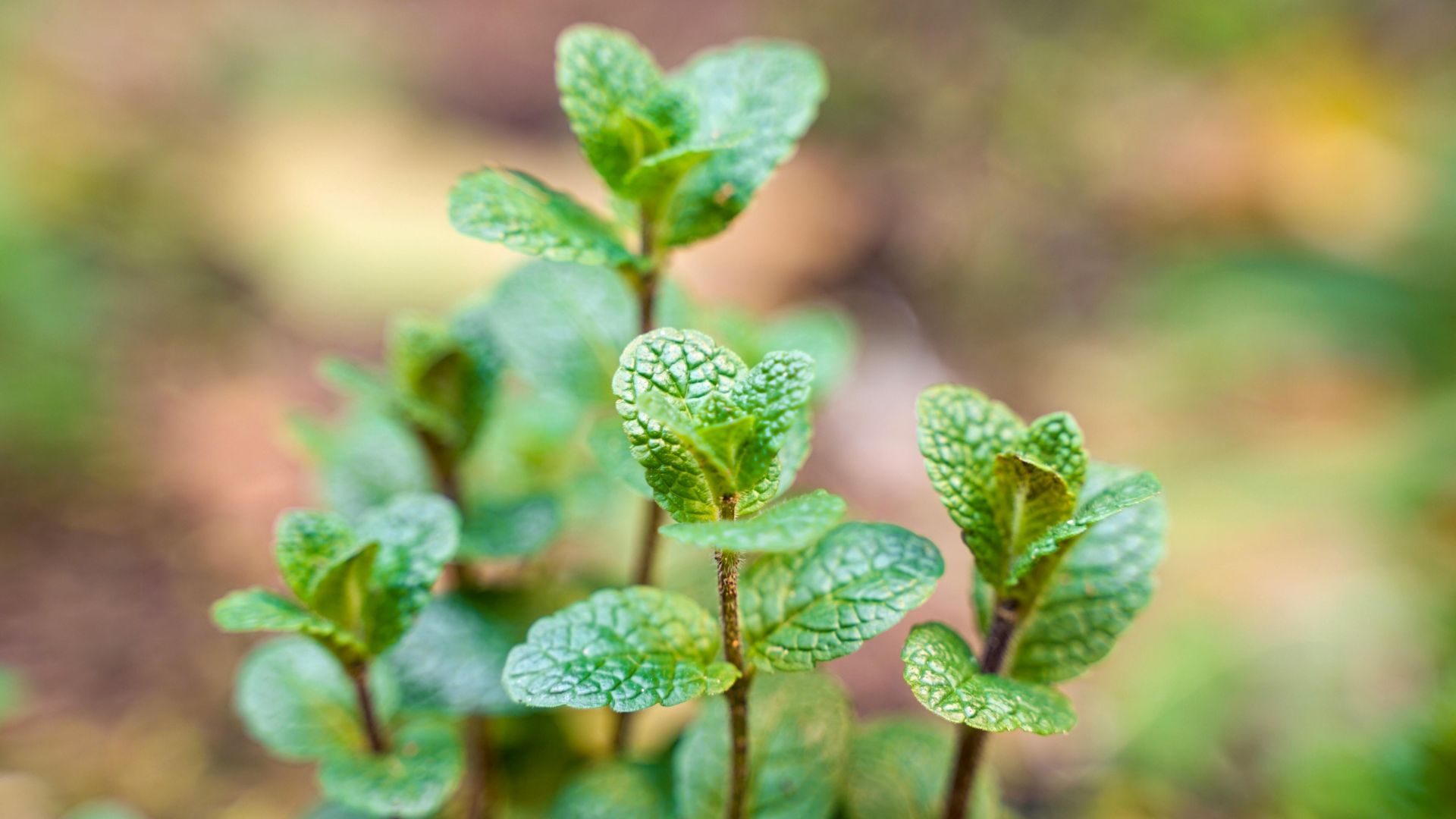
If you’ve ever wanted to enhance your garden or kitchen with a burst of fresh flavor, knowing how to plant mint is essential. This versatile herb not only adds a delightful taste to various dishes and beverages but also offers numerous health benefits. Moreover, mint growth can be incredibly rewarding, as it is one of the easiest herbs to cultivate, making it a favorite among both novice and experienced gardeners.
In this comprehensive guide, we will explore the best methods for planting mint, discuss ideal growing conditions, and provide tips for maintaining healthy mint plants. Furthermore, we will delve into common challenges you might encounter during mint growth and how to overcome them effectively. Whether you’re looking to grow mint in your backyard or in pots on your balcony, this article will equip you with the knowledge needed to enjoy a bountiful harvest.
Essential Gardening Tips for Planting Mint
When it comes to planting mint, adhering to some essential gardening tips can significantly enhance your success. Mint is a vigorous grower that thrives in specific conditions. Therefore, understanding factors like sunlight, space, and soil preparation will set the foundation for healthy mint care. With the right approach, you can enjoy a lush mint garden that provides fresh leaves for your culinary creations. Additionally, being aware of the common pests and diseases that can affect mint will further ensure a thriving garden.
Choosing the Right Location
First, mint requires ample sunlight to flourish. Ideally, place your mint plants where they can receive at least six hours of direct sunlight each day. However, if you live in a particularly hot climate, consider providing some afternoon shade to prevent scorching. Furthermore, mint is a spreading plant, so ensure you allocate enough space for it to grow without crowding other plants. If space is limited, pots can be an excellent alternative, allowing you to control growth and prevent mint from overtaking your garden. Using containers also enables you to move the plants as needed to optimize their exposure to sunlight. Consequently, selecting the right location will help you cultivate vibrant mint plants that can thrive throughout the growing season.
Preparing the Soil
After determining the best spot, you must focus on soil preparation. Mint thrives in well-draining, loamy soil that retains moisture but doesn’t become waterlogged. To achieve this, mix in organic compost or aged manure to improve soil fertility. Aim for a pH level between 6.0 and 7.0 to ensure optimal growth. Moreover, consider performing a soil test to assess its nutrient levels and amend accordingly. This step is crucial, as healthy soil will promote robust growth and resilience against pests. Additionally, incorporating mulch around the base of your mint plants can help retain moisture and suppress weeds, which can compete for nutrients. For further guidance on plant care, you can explore the essential habits for healthy garden plants.
In summary, planting mint successfully hinges on selecting the right location and properly preparing the soil. By following these gardening tips, you’ll be well on your way to enjoying a thriving mint garden. For more details on planting techniques, refer to this comprehensive guide on how to grow mint. Understanding these foundational aspects will not only enhance your mint growth but also enrich your overall gardening experience.
Comparing Different Mint Varieties for Optimal Growth
Understanding the various mint varieties available is crucial for optimal growth and flavor enhancement. Each type of mint possesses unique growth characteristics, flavor profiles, and care requirements. By comparing these attributes, you can determine which mint variety is best suited for your garden and culinary needs. Furthermore, knowing the differences helps in controlling spread, as some mint types can be more invasive than others. For instance, while peppermint is a favorite for its robust flavor, it can quickly take over a garden if not managed properly. Conversely, chocolate mint, with its milder taste, is less aggressive and can be a great option for smaller spaces.
The following table highlights the key growth characteristics and care needs of popular mint varieties. This information will assist you in making an informed decision about which mint to choose for your gardening endeavors, ensuring you select a variety that aligns with your gardening goals and culinary aspirations.
| Mint Variety | Growth Characteristics | Care Needs |
|---|---|---|
| Peppermint | Grows up to 2 feet; prefers moist soil | Full sun to partial shade; regular watering |
| Spearmint | Grows 1 to 3 feet; thrives in rich soil | Full sun; moderate watering; control spread with barriers |
| Chocolate Mint | Stays under 1 foot; has a unique flavor | Full sun; well-drained soil; regular pruning |
| Apple Mint | Grows 1 to 2 feet; has a fruity scent | Full sun; consistent moisture; grows well in containers |
| Lemon Balm | Grows 1 to 3 feet; lemony taste | Full sun to partial shade; moderate watering; can become invasive |
Overview of Popular Mint Varieties
Mint varieties, such as peppermint and spearmint, are among the most commonly cultivated. Peppermint is known for its strong flavor and is often used in desserts and beverages, while spearmint has a milder taste, making it ideal for salads and savory dishes. Additionally, chocolate mint and apple mint offer unique flavor profiles that can enhance your culinary creations. Each variety has distinct growth characteristics, which influences how much care they require, especially in terms of watering and sunlight exposure. For example, chocolate mint’s compact size makes it perfect for container gardening, allowing you to enjoy its delightful aroma without worrying about it spreading uncontrollably.
Choosing the Right Mint for Your Garden
When selecting a mint variety for your garden, consider your space and desired usage. For instance, if you’re looking to add a delightful touch to your cocktails, peppermint might be your best choice, whereas spearmint can elevate salads. Additionally, if you’re concerned about controlling spread, container gardening can be an effective solution. By planting mint in pots, you can prevent it from overtaking other plants. Furthermore, consider the specific culinary applications of each variety; for example, apple mint’s fruity scent pairs well with fruit salads and desserts, while lemon balm can be a refreshing addition to teas and infusions. Ultimately, understanding the specific needs of each mint variety will help you cultivate a thriving garden.
Moreover, it is essential to regularly monitor your mint plants for signs of stress or disease. By ensuring that they receive adequate sunlight, moisture, and nutrients, you can promote healthy growth and maximize your harvest. For more insights on maintaining healthy plants and avoiding common gardening pitfalls, check out our guide on common gardening pitfalls.
Step-by-Step Guide on How to Grow Mint Indoors
Growing mint indoors can be a delightful experience, especially when you understand the specific requirements for successful cultivation. Mint is a hardy herb that not only thrives in various conditions but also adds a refreshing flavor to your dishes and drinks. To grow mint effectively indoors, you need to focus on several key elements, including container selection, soil composition, and light exposure. By following these steps, you’ll be on your way to enjoying fresh mint all year round, enhancing your culinary creations and providing a fragrant addition to your home.
Moreover, cultivating mint indoors allows you to have a constant supply of this versatile herb right at your fingertips. Whether you want to infuse your water with mint leaves, create a refreshing mint tea, or garnish your favorite dishes, having fresh mint readily available can elevate your cooking. Additionally, growing mint indoors can be a rewarding hobby that brings a touch of nature into your living space, contributing to a calming atmosphere.
Selecting Containers for Indoor Mint
When it comes to planting mint indoors, choosing the right container is crucial. Mint has a vigorous growth habit and can spread quickly. Therefore, opt for pots that are at least 6-8 inches deep and wide. Terracotta pots are particularly beneficial, as they allow for better air circulation and drainage, which is essential for healthy root development. Additionally, ensure that your containers have drainage holes to prevent waterlogging, which can lead to root rot. If you’re considering multiple plants, using a larger container can help to keep them contained while providing the necessary space for growth. Thus, selecting the appropriate container will set the stage for healthy mint development and prevent overcrowding, which can hinder growth.
Soil and Light Requirements
Mint prefers rich, well-draining soil that retains moisture yet allows excess water to escape. A good potting mix enriched with organic matter will work wonders, providing the nutrients necessary for robust growth. You can also use a pre-packaged herb potting soil for convenience, which often contains the right balance of nutrients and drainage properties. Similarly, mint thrives in bright, indirect light; however, it can tolerate direct sunlight for a few hours each day. Position your mint plant near a south or west-facing window to maximize light exposure. If natural light is insufficient, consider using grow lights to supplement. Consequently, meeting these soil and light requirements will ensure your mint plants grow robustly and yield abundant leaves, allowing you to enjoy their fresh flavor in various culinary applications.
By following this step-by-step guide on how to grow mint indoors, you can cultivate this versatile herb with ease. For more practical indoor growing advice, you can refer to Growing Mint – Bonnie Plants. With the right approach, you’ll soon enjoy fresh mint for your culinary adventures, enhancing your dishes and beverages with its delightful flavor.
Mint Care Tips: Maintaining Healthy Growth
Mint care is crucial for ensuring healthy growth and a bountiful harvest. This herb is known for its vigorous nature, which can lead to overwhelming growth if not properly managed. By implementing essential care practices, you can maximize the benefits of mint in your garden. First, understanding the specific needs of mint will help you avoid common mistakes that many gardeners encounter. For instance, overwatering is a frequent issue—mint prefers consistently moist soil but can suffer from root rot if left sitting in water. Therefore, striking a balance is key to maintaining healthy plants. Additionally, it’s important to consider the environmental conditions, such as temperature and humidity, which can significantly influence mint’s growth patterns.
Moreover, mint thrives in rich, well-draining soil that retains moisture without becoming waterlogged. Incorporating organic matter, such as compost, can improve soil structure and fertility, providing your mint with the nutrients it needs to flourish. Furthermore, understanding the growth cycle of mint can help you plan your planting and harvesting schedule effectively. Mint typically grows best in the spring and early summer, so timing your care practices around these seasons will yield the best results.
Watering and Fertilization
Watering is a vital aspect of mint care that directly affects plant health. Mint thrives in moist soil, so regular watering is important, especially during dry spells. However, it’s essential not to overdo it. A good rule of thumb is to water when the top inch of soil feels dry. Additionally, fertilization can enhance growth; a balanced liquid fertilizer applied every four to six weeks during the growing season will provide necessary nutrients. Organic options, such as fish emulsion or seaweed extract, are particularly beneficial as they promote sustainability while enriching the soil. Furthermore, consider mulching around your mint plants to help retain moisture and suppress weeds, which can compete for nutrients.
Pruning Techniques
Pruning is another critical component of mint care that promotes healthy growth and prevents overcrowding. Regularly trimming back your mint plants encourages bushier growth and helps maintain an attractive appearance. Aim to prune about one-third of the plant every few weeks during the growing season. This not only stimulates new growth but also prevents the plant from becoming leggy. Moreover, removing any flower buds that appear will redirect the plant’s energy back into producing lush leaves. Therefore, integrating these pruning techniques into your garden maintenance routine will ensure your mint remains vibrant and productive. Additionally, consider using the pruned leaves in your cooking or herbal teas, thus minimizing waste and maximizing your harvest.
Pest Management and Disease Prevention
In addition to watering and pruning, it’s essential to monitor for pests and diseases. Common issues include aphids and fungal infections, which can quickly weaken your plants. Regularly inspecting your mint for signs of distress will enable you to address problems early on. For instance, if you notice aphids, a strong spray of water can dislodge them, or you can introduce beneficial insects like ladybugs to help control their population. Furthermore, practicing crop rotation and avoiding planting mint in the same spot year after year can reduce disease risks and promote healthier plants. Consequently, being proactive about pest management and general upkeep is vital for long-term mint care. Additionally, maintaining good air circulation around your plants can help prevent fungal diseases, ensuring your mint remains healthy and productive.
In summary, maintaining healthy growth in mint requires a combination of proper watering, fertilization, pruning techniques, and vigilant pest management. By avoiding common pitfalls and implementing these essential care practices, you can create a thriving mint garden that yields flavorful leaves throughout the growing season. With a little attention and care, your mint plants will reward you with vibrant growth and delightful flavors for your culinary creations. By understanding and addressing the specific needs of mint, you can enjoy a continuous supply of this aromatic herb, enhancing both your dishes and your gardening experience.
Managing Common Pests and Diseases Affecting Mint
Managing mint plants effectively involves understanding the common pests and diseases that can hinder their growth. Mint is susceptible to various pests, which can quickly spread if not managed properly. Recognizing these pests early is crucial for maintaining healthy mint plants and ensuring a bountiful harvest. By implementing appropriate treatment strategies, you can keep your mint flourishing and flavorful. Additionally, understanding the environmental factors that contribute to pest infestations can further enhance your mint plant care, allowing you to cultivate a robust and productive garden.
Identifying Common Mint Pests
Mint is often targeted by several pests, including aphids, spider mites, and whiteflies. Aphids, tiny green insects that suck sap from the leaves, can cause significant damage if their population grows unchecked. They not only weaken the plant but can also lead to the development of sooty mold, which can hinder photosynthesis. Spider mites, on the other hand, thrive in dry conditions and can create webbing on the plants, which indicates their presence. These pests can cause leaves to become stippled and discolored. Whiteflies are small, moth-like insects that also feed on mint, weakening the plant and potentially transmitting diseases. Identifying these pests early is essential for controlling their spread and protecting your mint garden. Regular monitoring and vigilance can help you catch infestations before they escalate into larger problems.
Preventive Measures and Treatments
To effectively manage pests and diseases, consider a combination of preventive measures and treatments. Regularly inspecting your mint plants for signs of pests can help you catch problems before they escalate. Additionally, promoting a healthy growing environment—like ensuring proper watering and sunlight—can boost the plants’ resilience. For instance, maintaining adequate humidity levels can deter spider mites, while ensuring good air circulation can prevent fungal diseases. If pests are detected, insecticidal soaps or neem oil can be effective treatments. These options are safe for the environment and can help in controlling pest populations without harming beneficial insects. Furthermore, introducing natural predators, such as ladybugs for aphids, can provide an organic solution to pest management.
Here’s a quick reference table that outlines common mint pests and their recommended treatments:
| Common Pests | Symptoms | Recommended Treatments |
|---|---|---|
| Aphids | Curling leaves, sticky residue | Insecticidal soap, neem oil |
| Spider Mites | Webbing, yellowing leaves | Increase humidity, insecticidal soap |
| Whiteflies | Tiny white insects, yellowing leaves | Sticky traps, neem oil |
By implementing these management strategies, you can ensure the health of your mint plants. Remember, consistent mint plant care is vital for keeping your garden thriving. Moreover, staying proactive about pest control will enhance your mint’s flavor and quality, allowing you to enjoy fresh mint for your culinary endeavors. Additionally, consider rotating your mint plants or planting companion herbs that deter pests, as this can further reduce the likelihood of infestations. With these comprehensive strategies, your mint garden can flourish, providing you with a continuous supply of this aromatic herb.
Your Action Plan for Successful Mint Cultivation
Ultimately, your journey into the world of mint cultivation can be both enjoyable and fruitful. To summarize, understanding how to plant mint effectively involves choosing the right location, ensuring proper soil preparation, and maintaining optimal growing conditions. By following these guidelines, you’ll set the stage for robust mint growth that enhances your culinary experiences.
Moreover, growing mint is not just about planting; it’s about nurturing a thriving herb that adds flavor and freshness to your meals. Therefore, whether you’re cultivating mint in a garden bed or in pots, the care you invest will yield delicious rewards. Start your mint-growing adventure today and watch as your plants flourish.
Additionally, consider experimenting with different varieties of mint, such as spearmint or peppermint, to discover unique flavors that can elevate your dishes. Lastly, remember that mint is a resilient herb that can adapt to various conditions, but it thrives best with the right attention. Consequently, embrace the challenges and joys of mint cultivation. With patience and practice, you’ll soon be enjoying fresh mint leaves at your fingertips.
So go ahead, plant mint, and let your culinary creativity flourish! As you cultivate your mint, keep in mind that sharing your harvest with friends and family can enhance the joy of gardening, creating memorable experiences centered around delicious meals infused with your homegrown mint.