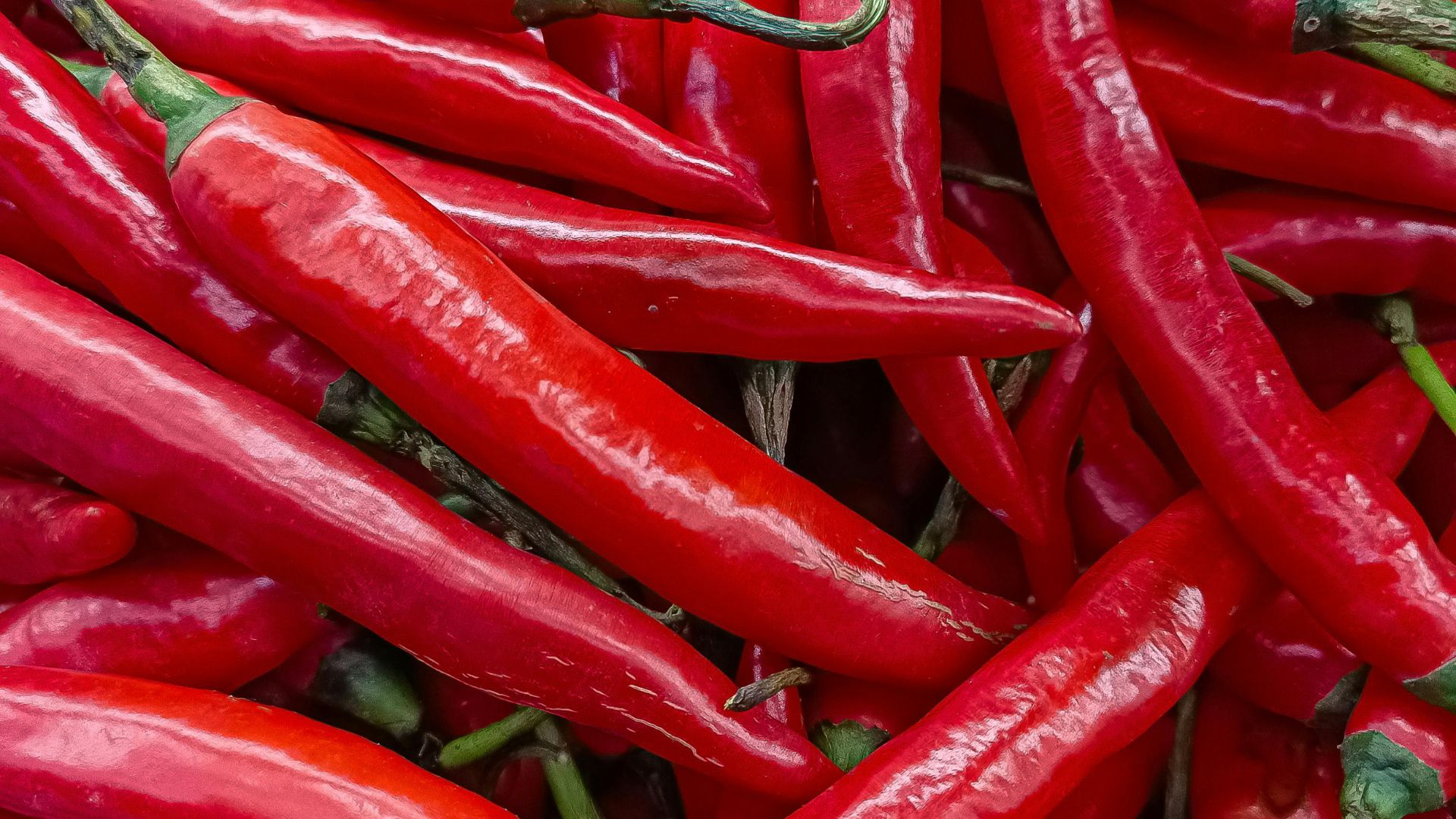
Planting peppers is not only a rewarding gardening endeavor but also a delightful way to enhance your culinary creations. Whether you’re a seasoned gardener or just starting out, understanding how to plant peppers can significantly impact your harvest. Peppers, ranging from sweet bell varieties to fiery chili types, thrive in well-prepared soil and require specific care to flourish. Therefore, mastering the basics of planting and nurturing these vibrant plants will ensure a bountiful yield that you can enjoy throughout the season.
In this complete guide, we will explore essential gardening tips that cover everything from selecting the right pepper varieties to ideal planting techniques. First, we will discuss the best time to plant peppers and how to prepare your garden bed effectively. Next, we’ll delve into watering practices, soil conditions, and pest management strategies to keep your plants healthy. Additionally, we’ll provide insights into when to harvest your peppers for maximum flavor. By the end of this guide, you will have all the knowledge you need to cultivate a successful pepper garden.
Choosing the Right Pepper Varieties for Your Garden
Choosing the right pepper varieties for your garden can significantly impact your harvest success. With a wide array of options available, gardeners can choose from sweet bell peppers to spicy chili peppers, each offering distinct flavors and culinary uses. However, the first step in making an informed decision is understanding your local climate and growing conditions. For instance, some pepper varieties thrive in warm, sunny environments, while others are more tolerant of cooler temperatures. Therefore, it is essential to consider your specific climate and select varieties that will flourish in your garden.
Popular Bell Pepper Varieties
When selecting bell peppers, several popular varieties stand out. For example, ‘California Wonder’ is a classic choice known for its sweet taste and thick walls, making it ideal for stuffing. Similarly, ‘Bell Boy’ is a reliable variety that produces large, blocky peppers with a vibrant green color that transitions to red as they ripen. If you want something unique, consider ‘Purple Beauty,’ which adds stunning color to both your garden and your plate. These bell peppers not only enhance your garden’s beauty but also provide versatility in your culinary creations. For comprehensive information on growing bell peppers, you can refer to Growing Bell Peppers: From Planting to Harvest.
Exploring Chili Pepper Options
Chili peppers offer a vast range of heat levels and flavors, providing an exciting experience for any gardener. For instance, ‘Jalapeño’ is a favorite due to its moderate heat and firm flesh, making it perfect for salsas and stuffing. Conversely, if you crave more heat, ‘Habanero’ delivers an intense burn along with a fruity flavor, ideal for adventurous palates. Additionally, consider growing ‘Serrano’ peppers, which are easy to cultivate and great for fresh dishes. When selecting chili pepper varieties, think about how you plan to use them in your cooking, as this will effectively guide your choices. Furthermore, diversifying your selection allows you to enjoy a range of flavors throughout the season.
In summary, choosing the right pepper varieties involves considering both your growing conditions and culinary preferences. By selecting appropriate bell and chili peppers, you can create a thriving garden that enhances your cooking while minimizing challenges. To ensure the health of your plants, don’t forget to protect your veggie patch from common garden threats!
Step-by-Step Planting Guide for Bell and Chili Peppers
Planting bell and chili peppers successfully requires careful attention to detail, particularly regarding soil preparation and planting techniques. This step-by-step planting guide will help ensure that your peppers flourish, ultimately providing you with a bountiful harvest. By following these guidelines, you’ll be well on your way to growing peppers that are not only vibrant but also packed with flavor.
In the following sections, we will break down the essential steps needed for effective pepper planting. Additionally, we will include key tips that can enhance your gardening experience. Remember, a little preparation goes a long way in achieving a thriving pepper garden.
Soil Preparation for Peppers
Soil preparation is crucial for growing peppers effectively. First, select a location that receives ample sunlight, ideally at least six to eight hours a day. Next, test your soil’s pH; peppers prefer a slightly acidic to neutral pH of around 6.0 to 7.0. To improve soil quality, incorporate organic matter such as compost or well-rotted manure. This not only enriches the soil but also enhances drainage, which is vital for healthy pepper plants. Moreover, tilling the soil to a depth of at least 12 inches encourages robust root growth.
Effective Planting Techniques
When planting, timing is everything. Ideally, wait until the last frost has passed and the soil temperature consistently exceeds 60°F. For optimal growth, space your bell and chili pepper seedlings about 18 to 24 inches apart in rows that are 24 to 36 inches apart. This spacing allows for proper air circulation and growth. Additionally, when planting, consider burying seedlings up to their first set of true leaves, as this helps develop a strong root system. Finally, water the plants thoroughly after planting to help them settle into their new environment.
To summarize these steps and tips, refer to the table below:
| Planting Steps | Key Tips |
|---|---|
| Test soil pH | Aim for 6.0 to 7.0 |
| Incorporate organic matter | Enhances drainage and nutrients |
| Wait for the right temperature | Soil should be above 60°F |
| Space seedlings well | 18-24 inches apart |
| Water thoroughly after planting | Helps plants settle in |
By following this planting guide, you will be equipped with essential habits for success in growing peppers. For more detailed gardening practices, be sure to check out the essential habits for success. With these strategies in hand, you are ready to embark on your pepper planting journey!
Pepper Plant Care: Watering and Fertilizing Tips
Caring for your pepper plants involves more than just planting them in the ground. Proper watering and fertilizing techniques are crucial for optimal growth and yield. Watering too little or too much can lead to stress and affect the health of your plants. Therefore, understanding the specific needs of your pepper plants is essential for successful gardening. Furthermore, fertilization plays a significant role in providing the necessary nutrients that promote robust growth and fruit production. By adhering to these pepper plant care tips, you can create a thriving garden that yields delicious peppers, enhancing your culinary experiences.
To ensure your pepper plants flourish, it is vital to monitor both watering and fertilizing closely. Each pepper variety may have slightly different requirements, so taking the time to observe your plants will pay off in the long run. Additionally, environmental factors such as temperature, humidity, and soil type can influence how much water and nutrients your plants need. By tailoring your care routine to these variables, you can significantly improve the health and productivity of your pepper plants.
Understanding Water Needs
Watering is fundamental in pepper plant care. Peppers thrive in consistently moist soil, but it’s important to avoid over-saturation. For instance, during hot summer months, you may need to water your plants daily or every other day. A good rule of thumb is to check the top inch of soil; if it feels dry, it’s time to water. However, if the soil remains soggy, it can lead to root rot. To illustrate, consider using a drip irrigation system that delivers water directly to the root zone, ensuring efficient moisture levels. Consequently, your pepper plants will grow healthier and produce better yields. Moreover, mulching around your plants can help retain moisture and regulate soil temperature, further supporting their growth.
Choosing the Right Fertilizer
Fertilization is another critical aspect of pepper plant care that can enhance growth. When selecting a fertilizer, look for a balanced option with equal parts nitrogen, phosphorus, and potassium, such as a 10-10-10 formula. This balance supports both foliage and fruit development. Additionally, organic fertilizers, like compost or fish emulsion, can provide a slow-release source of nutrients. Therefore, apply fertilizer every 4-6 weeks during the growing season, and be cautious not to over-fertilize, which can lead to excessive foliage at the expense of fruit. As noted by West Coast Seeds, understanding the nutritional needs of your peppers can significantly impact their growth and flavor. By following these fertilization tips, you’ll set the stage for a productive pepper garden. Additionally, consider conducting a soil test to determine nutrient levels and pH, allowing you to make informed decisions about amendments and fertilizers tailored to your specific soil conditions.
Common Diseases in Pepper Plants and How to Combat Them
Growing peppers can be a rewarding experience, but it’s crucial to be aware of common diseases that may threaten your plants. Various factors, including weather conditions, soil health, and pest activity, can contribute to these issues. By understanding the diseases affecting pepper plants and implementing effective strategies for disease management, you can ensure better health and higher yields. This section covers the identification of common diseases and the best practices to combat them, thereby enhancing your pepper plant care routine and ultimately leading to a more fruitful harvest.
Identifying Common Diseases
Pepper plants are susceptible to several diseases that can hinder their growth and productivity. Some prevalent diseases include Powdery Mildew, characterized by white powdery spots on leaves, and Bacterial Leaf Spot, which presents as dark, water-soaked spots. Additionally, Fusarium Wilt affects the vascular system of the plant, leading to wilting and yellowing leaves. Recognizing these diseases early can help you take necessary actions before they spread. Moreover, understanding their symptoms can assist in differentiating between diseases and environmental stressors. For example, while wilting can indicate Fusarium Wilt, it may also be a sign of inadequate watering. Therefore, careful observation is essential for accurate diagnosis.
Prevention and Treatment Methods
Preventing and treating diseases in pepper plants requires a proactive approach. Firstly, practicing crop rotation and maintaining good garden hygiene can significantly reduce disease incidence. This means not planting peppers in the same spot year after year, as this can lead to a buildup of pathogens in the soil. Furthermore, using resistant varieties can also help in combatting diseases effectively. When it comes to treatment, organic fungicides can be effective against fungal infections like Powdery Mildew. For bacterial diseases, ensuring proper air circulation and avoiding overhead watering can minimize leaf wetness, thus reducing the risk of infection. Additionally, regularly inspecting your plants for early signs of disease can allow for timely intervention. For a comprehensive look at managing these issues, refer to disease management strategies.
To summarize, here’s a comparison of common diseases and their respective treatment options:
| Disease | Symptoms | Treatment Options |
|---|---|---|
| Powdery Mildew | White powdery spots on leaves | Organic fungicides, improve air circulation |
| Bacterial Leaf Spot | Dark, water-soaked spots | Remove infected leaves, avoid overhead watering |
| Fusarium Wilt | Wilting, yellowing leaves | Crop rotation, resistant varieties |
By implementing these strategies, you can enhance your pepper plant care and enjoy a fruitful harvest. Recognizing diseases and knowing how to manage them effectively will play a pivotal role in your success when growing peppers. Additionally, staying informed about the latest research and advancements in plant disease management can further empower you to tackle any challenges that arise in your pepper gardening journey.
Harvesting Peppers: Timing and Techniques
Harvesting peppers is an exciting stage in the gardening process, as it marks the culmination of your hard work and patience. Knowing when to pick your bell peppers and chili peppers is crucial for achieving the best flavor and quality. Timing plays a vital role; harvesting too early can result in a lack of sweetness, while waiting too long may lead to overripe and less desirable peppers. Therefore, understanding the signs that indicate ripeness will enhance your overall yield and satisfaction. Additionally, proper harvesting techniques can contribute to the longevity of your plants and the quality of your produce.
When to Harvest Bell Peppers
Bell peppers are typically ready for harvest about 60 to 90 days after planting, depending on the variety. The best indicators of ripeness are color and size; for example, green bell peppers can be harvested at any stage, but they will develop a sweeter flavor as they ripen to yellow, orange, or red. A firm texture is also a good sign that the peppers are ready. To illustrate, if you notice your peppers have reached the desired size and exhibit vibrant color, it’s time to pick them. Remember, harvesting bell peppers regularly encourages the plant to produce more fruit. Furthermore, using a gentle twisting motion while pulling can help avoid damaging the plant, ensuring continued growth.
Harvesting Chili Peppers
Chili peppers present their own unique harvesting challenges. Generally, they can be harvested about 70 to 90 days after planting. The key pepper harvesting tips for chilies include looking for a glossy skin and vibrant color, which indicates ripeness. For instance, jalapeños are best picked when they are firm and dark green, while serranos should be harvested when they are bright green or turning red. Moreover, using garden shears or scissors to cut the peppers from the plant helps prevent damage. Consequently, careful harvesting will promote further growth and maintain the health of your plants. Additionally, consider the intended use of the peppers; for example, if you prefer a spicier flavor, allow them to ripen longer on the plant. This attention to detail will enhance both your harvest and culinary experiences.
For unique tips on enhancing pepper growth, you can learn more from 5 Secrets to Growing Better Peppers from Seed.
Your Action Plan for Successful Pepper Gardening
Ultimately, taking the plunge into pepper gardening can be an incredibly fulfilling experience. To summarize, understanding how to plant peppers properly—be it sweet bell or spicy chili—is essential for a thriving garden. You’ve learned about selecting the right varieties, preparing your soil, and implementing effective watering and pest management strategies. These foundational gardening tips will undoubtedly set you on the path to a bountiful harvest.
Moreover, by following these guidelines, you are not only enhancing your gardening skills but also enriching your culinary repertoire. Imagine the satisfaction of using homegrown peppers in your favorite dishes, from fresh salsas to vibrant stir-fries! Therefore, don’t hesitate to start your pepper gardening journey today. Gather your supplies, choose your favorite pepper varieties, and get planting.
Furthermore, remember that every garden is unique, and with patience and care, you’ll discover what works best for your specific conditions. Experiment with different planting techniques and observe how your plants respond to varying sunlight and moisture levels. With time, you’ll become more attuned to your plants’ needs, leading to even greater successes in the future. Embrace the adventure of growing your own peppers—your taste buds will thank you! Ultimately, the joy of nurturing your plants and watching them flourish will make every effort worthwhile, transforming your garden into a vibrant source of flavor and satisfaction.