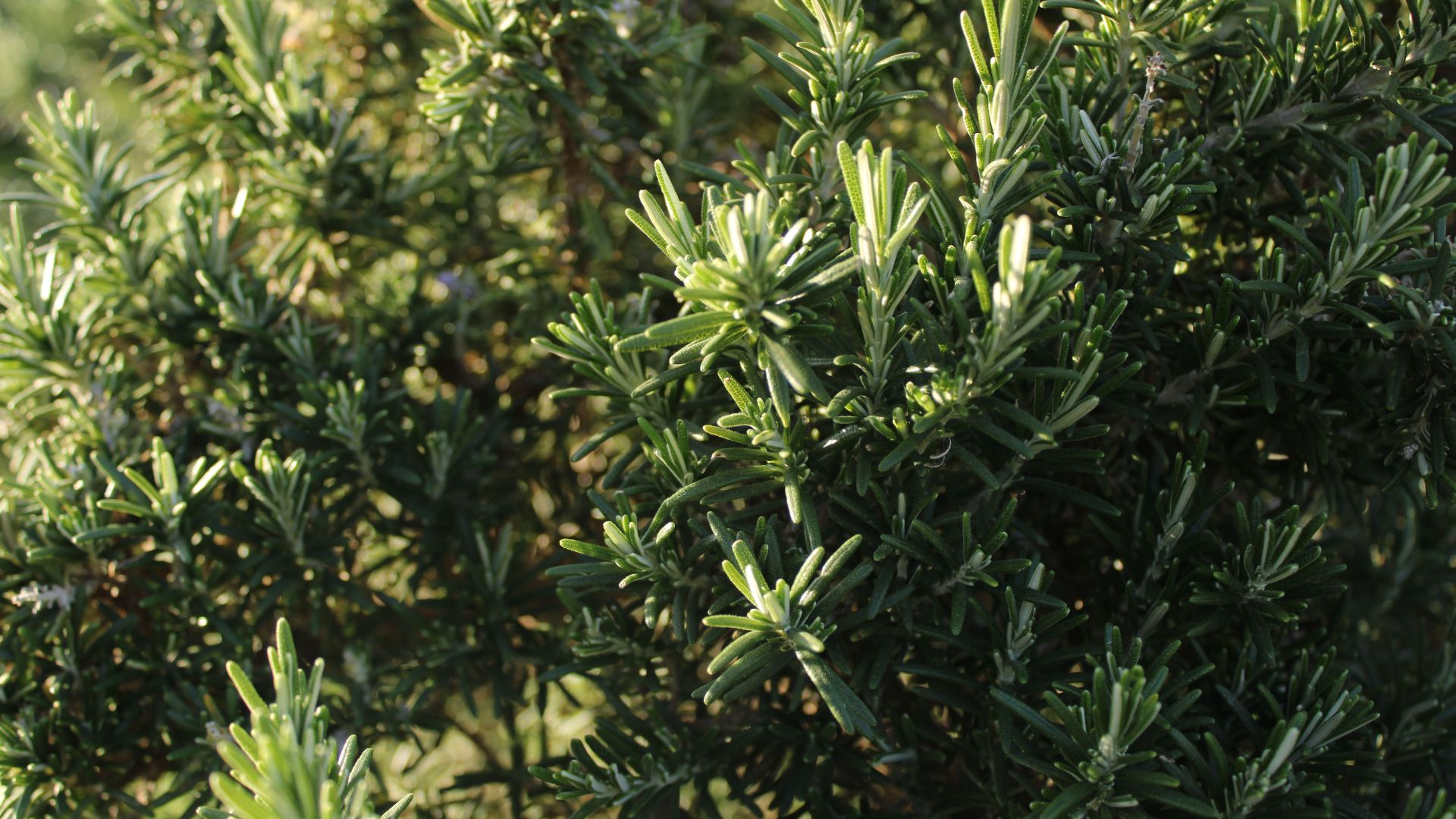
If you’re looking to enhance your garden with fragrant herbs, learning how to plant rosemary is an excellent choice. This versatile herb not only adds flavor to your culinary creations but also thrives in various conditions, making it a favorite among both novice and experienced gardeners. Moreover, growing rosemary can be incredibly rewarding, as it requires minimal care while providing lush greenery and a delightful aroma.
In this guide, we will explore the essential steps for successfully planting and nurturing rosemary in your garden or containers. We will discuss the ideal conditions for growth, best practices for soil preparation, and effective watering techniques. Furthermore, this article will address common challenges you may encounter while growing rosemary and provide solutions to ensure your plants flourish. Whether you aim to create a herb garden or simply want to enjoy the beauty of this hardy plant, you’ll find all the information you need right here.
Understanding Soil Requirements for Planting Rosemary
To successfully grow rosemary, understanding its soil requirements is crucial. This herb thrives best in well-draining, sandy or loamy soils that provide excellent aeration and prevent waterlogging. Consequently, heavy clay soils should be avoided, as they tend to retain too much moisture, which can lead to root rot and other issues. When selecting the best soil for rosemary plants, consider mixing in organic matter or perlite to improve drainage if your native soil is heavy. This approach will create an optimal growing environment for your rosemary, allowing it to flourish. Additionally, ensuring that the soil temperature remains warm, ideally between 65°F and 70°F, can further enhance root establishment and overall plant health.
Essential Soil Types
For rosemary, the ideal soil types include sandy loam, which offers good drainage and nutrient retention. Additionally, rocky or gravelly soils can also work well, enabling roots to spread easily while preventing water saturation. For example, if you’re planting in a container, consider using a potting mix designed for cacti or succulents, as these blends typically provide the necessary drainage. Moreover, adding compost can enhance the nutrient content without compromising drainage. Therefore, selecting the right soil type is essential for rosemary’s health and vigor. Furthermore, incorporating materials like crushed granite or pumice can improve soil structure, promoting better root growth and resilience against drought conditions.
Soil pH and Nutrients
Rosemary prefers slightly acidic to neutral soil, typically with a pH between 6.0 and 7.0. Testing your soil’s pH can help you determine if adjustments are necessary. If your soil leans towards being too acidic, adding lime can help raise the pH. Conversely, if it is too alkaline, sulfur can lower it. Additionally, rosemary doesn’t require excessive fertilization; a light application of balanced fertilizer in the spring can suffice. This way, you ensure that your plants receive adequate nutrients without overwhelming them. For more insights into potential issues related to soil health, learn more about soil-borne diseases. As noted by the University of Florida, maintaining proper soil conditions is essential for thriving rosemary plants. Regular monitoring and adjustments will not only support robust growth but also enhance the aromatic qualities that make rosemary a beloved herb in gardens and kitchens alike.
Watering and Sunlight Needs for Rosemary Growth
Understanding the watering and sunlight needs for rosemary growth is vital to ensure healthy plants and an abundant harvest. Rosemary, a drought-tolerant herb, prefers less frequent watering, making it essential to strike the right balance. Overwatering can be detrimental, leading to root rot, while insufficient moisture may hinder growth and flavor development. Additionally, providing adequate sunlight is crucial since rosemary thrives in bright light. Therefore, knowing the optimal conditions will help your rosemary flourish, whether planted in the garden or in a pot. By paying attention to these factors, you can cultivate a robust rosemary plant that enhances your culinary dishes and adds beauty to your garden.
To facilitate your understanding, the table below compares the watering needs and sunlight exposure for rosemary:
| Aspect | Watering Needs | Sunlight Exposure |
|---|---|---|
| Frequency | Every 2-3 weeks, allow soil to dry out | Full sun, 6-8 hours daily |
| Soil Moisture Level | Keep soil slightly moist | Thrives in bright, direct sunlight |
| Seasonal Adjustments | Reduce in winter; increase in summer | Maintain consistent exposure |
Watering Tips for Healthy Rosemary
When it comes to watering rosemary, the key is to avoid soggy soil. Rosemary prefers to dry out between watering sessions, so it’s best to water every 2-3 weeks. To illustrate, checking the top inch of soil for dryness is a good practice; if it feels dry, it’s time to water. Additionally, consider the season, as summer may require more frequent watering due to evaporation, while winter should see a reduction in water needs. Furthermore, using pots with drainage holes can help prevent excess moisture from accumulating. These watering tips can help prevent root rot and encourage robust growth, ensuring that your rosemary remains healthy and flavorful.
Sunlight Requirements
Rosemary is a sun-loving herb, requiring a minimum of 6-8 hours of direct sunlight daily. Therefore, positioning your plants in a sunny spot is essential for optimal growth. If you’re growing rosemary indoors, place it near a south-facing window where it can soak up the sunlight. Additionally, consider using grow lights during darker months to supplement natural light. This is particularly important in regions with long winters or limited sunlight. By ensuring adequate sunlight exposure, you’ll support the vigorous growth of your rosemary plants, leading to a bountiful harvest. Moreover, consistent sunlight helps enhance the aromatic oils in the leaves, making your rosemary even more flavorful for culinary uses.
For more information on plant care, you can explore daily habits for better plant care. Remember, understanding the specific watering tips and sunlight needs for rosemary growth is crucial for cultivating a thriving herb garden. By following these guidelines, you can enjoy the many benefits of growing rosemary, from its culinary uses to its delightful fragrance in your home garden.
Step-by-Step Guide on How to Plant Rosemary
If you’re excited to start your journey with rosemary, following a structured approach can make the process enjoyable and successful. Knowing how to plant rosemary involves several steps that ensure your plants thrive. First, it’s important to understand the necessary conditions and techniques for planting. This guide will walk you through preparing the planting site and the best planting techniques, helping you create an environment where your rosemary can flourish. Furthermore, understanding the specific needs of rosemary will empower you to nurture these aromatic herbs effectively, leading to a bountiful harvest.
Before you dive into planting rosemary, the preparation of the site is vital. Begin by selecting a sunny location, as rosemary thrives in full sun, needing at least six to eight hours of direct sunlight daily. Moreover, clear the area of weeds and debris to provide a clean slate for your new plants. Next, test the soil pH; rosemary prefers slightly acidic to neutral soil, ideally between 6.0 and 7.0. If necessary, you can amend the soil with lime to raise the pH or sulfur to lower it. Additionally, enhance the soil’s drainage by incorporating organic matter, such as compost, or sand if your soil is heavy. This step is crucial because rosemary roots are susceptible to rot if they sit in overly moist conditions. To further improve drainage, consider creating raised beds, which can also help regulate soil temperature, benefiting root establishment.
Preparing the Planting Site
Once you have chosen the right location, focus on the soil quality. Rosemary thrives in well-draining soil, so it’s essential to aerate the soil by tilling it to a depth of about 12 inches. This process not only improves drainage but also allows roots to penetrate deeper into the ground, promoting healthier growth. Additionally, you might want to mix in some gravel or perlite to enhance aeration further. After preparing the soil, consider adding a slow-release fertilizer to provide essential nutrients, ensuring your rosemary plants have a strong start.
Planting Techniques
Once your site is prepared, it’s time to dive into the actual planting techniques. Begin by spacing your rosemary plants adequately; they should be planted at least 2 to 3 feet apart to allow for their natural growth. This spacing promotes good air circulation, which is essential for preventing diseases. When planting, dig a hole that is roughly twice the width of the root ball and just as deep. Place the plant in the hole, ensuring that the top of the root ball remains level with the soil surface. After positioning the plant, backfill with soil and gently press down to eliminate air pockets. Water the plant thoroughly after planting, ensuring the soil is moist but not waterlogged.
To illustrate, if you’re planting multiple rosemary plants, consider creating a staggered arrangement for a visually appealing herb garden. This layout not only enhances aesthetics but also maximizes sunlight exposure for each plant. Additionally, if you’re using containers, choose pots that are at least 12 inches deep and wide, allowing ample space for root development. For more details on practical planting techniques, refer to this guide on How to Grow Rosemary, which offers further insights into nurturing your rosemary plants.
With these steps, you’re well-equipped to successfully plant rosemary in your garden or containers. Remember to monitor your plants as they grow, providing them with the care they need to thrive. By following these guidelines, you’ll not only enjoy the benefits of growing rosemary but also enhance your gardening skills along the way. Ultimately, the satisfaction of cultivating your own rosemary will add a rewarding dimension to your gardening experience, allowing you to enjoy fresh herbs in your culinary endeavors.
Common Pests and Diseases Affecting Rosemary
Common pests and diseases can significantly impact the health of rosemary plants. Identifying these threats early can help you take appropriate action to protect your garden. Some common pests affecting rosemary include aphids, spider mites, and whiteflies. These tiny insects can weaken the plant by sucking out vital sap, leading to stunted growth and yellowing leaves. Additionally, you may notice a sticky residue on the leaves, which is a sign of pest infestation. Regularly inspecting your plants can help you catch these pests before they become a larger issue. Furthermore, understanding the life cycles of these pests can aid in effective management, as some may be more prevalent during specific seasons.
Identifying Common Pests
Aphids are particularly notorious for infesting rosemary. They often cluster on new growth, and their presence can lead to deformed leaves and reduced vigor. Spider mites, on the other hand, thrive in dry conditions and produce fine webbing on the undersides of leaves, which can be a clear indicator of their presence. Whiteflies may also appear, especially in warmer climates, and can cause similar damage by feeding on the plant’s sap. To illustrate, if you observe any of these symptoms, consider using insecticidal soap or neem oil as an effective treatment. Additionally, introducing beneficial insects like ladybugs can help control aphid populations naturally. Monitoring your plants regularly will make it easier to identify and address any pest issues promptly, ensuring your rosemary remains healthy and productive.
Managing Diseases
In addition to pests, diseases in rosemary plants can pose a serious threat. Fungal infections, such as root rot and powdery mildew, are common problems that can devastate your crop. Root rot often occurs due to overwatering or poor drainage, leading to wilting and browning leaves. Conversely, powdery mildew manifests as a white, powdery substance on leaves, especially in humid conditions. Therefore, maintaining proper watering practices and ensuring good air circulation can help prevent these diseases. To further illustrate, planting rosemary in well-draining soil and avoiding overcrowding can significantly reduce the risk of fungal infections. If you notice signs of infection, it’s crucial to remove affected leaves and treat the plants with appropriate fungicides. Additionally, using disease-resistant varieties can also enhance your rosemary’s resilience against common ailments. By implementing these strategies, you can cultivate a robust rosemary plant that thrives despite potential threats.
Seasonal Care Tips for Rosemary Plants
Seasonal care tips for rosemary plants are essential for ensuring their robust growth and longevity. This aromatic herb thrives under varying conditions, but as the seasons change, so do its care requirements. Understanding how to adapt your rosemary plant care strategy throughout the year can make all the difference in its health and productivity. Each season presents unique challenges and opportunities for enhancing rosemary growth, and by tailoring your approach, you can maximize the potential of this delightful herb. Let’s delve into the seasonal strategies that will keep your rosemary thriving.
| Season | Care Tips | Important Notes |
|---|---|---|
| Spring | Prune lightly to encourage growth. | Fertilize with a balanced feed. |
| Summer | Water regularly but avoid overwatering. | Ensure good airflow around plants. |
| Autumn | Reduce watering as growth slows. | Prepare for winter by mulching. |
| Winter | Bring potted plants indoors if necessary. | Monitor for pests and diseases. |
Spring Care
In spring, rosemary plants awaken from their winter dormancy and begin to grow actively. This is an ideal time to prune lightly, which encourages bushier growth and helps maintain the plant’s shape. Additionally, fertilizing with a balanced feed can provide essential nutrients that support vigorous growth. It’s also beneficial to check for any signs of pests or diseases that may have developed during the winter months. By addressing these issues early, you can ensure a healthy start to the growing season.
Summer Maintenance
In summer, rosemary benefits from regular watering, but it’s essential to avoid overwatering. Overly saturated soil can lead to root rot, which is particularly detrimental for rosemary plants. Ensure that your plants are in a location with good airflow, as this helps prevent fungal infections. Additionally, providing some shade during the hottest parts of the day can protect your rosemary from scorching. Regularly checking the soil moisture can guide your watering schedule, ensuring your plants remain vibrant and ready to thrive as fall approaches.
Autumn Preparation
As autumn arrives, it’s time to adjust your care routine for rosemary. During this season, growth begins to slow, and watering should be reduced accordingly. This helps the plant prepare for the dormancy of winter. Moreover, mulching around the base of the plants can provide insulation against cold temperatures and help retain soil moisture. This layer of mulch can also suppress weeds, which compete for nutrients. Preparing your rosemary for winter in this way will enhance its resilience against the cold.
Winter Care
During winter, rosemary plants require specific attention to survive the cold. If you’re growing rosemary in pots, consider bringing them indoors to protect them from frost. Additionally, it’s crucial to monitor them for pests and diseases, as indoor conditions can sometimes foster these issues. Water less frequently, as rosemary will enter a dormant phase and will need less moisture. Furthermore, ensure that your plants are in a location receiving adequate light, which will help them stay healthy throughout the winter months. By maintaining a consistent care routine, you can ensure your rosemary emerges healthy and ready for the next growing season.
By following these seasonal care tips, you can ensure that your rosemary plants remain healthy and productive throughout the year. For further insights into keeping your garden healthy, Learn about fungus prevention in your garden. With the right strategies in place, you’ll enjoy the many benefits of this delightful herb, enriching your culinary experiences and enhancing your garden’s beauty.
Your Action Plan for Successful Rosemary Growth
Ultimately, your action plan for successful rosemary growth begins with understanding the essential steps for planting this aromatic herb. Start by selecting the right location that offers plenty of sunlight, ideally six to eight hours a day, and ensure your soil is well-draining. Remember, rosemary thrives in sandy or loamy soils, so amending your garden bed or choosing an appropriate potting mix is crucial. Additionally, consider the climate in your area, as rosemary prefers warmer temperatures and can be sensitive to frost.
Moreover, consistent watering and proper pruning techniques will promote healthy growth and a bountiful harvest. Water your rosemary plants deeply but infrequently, allowing the soil to dry out between watering sessions. By following these straightforward guidelines, you’ll be well on your way to cultivating vibrant rosemary plants that can enhance your culinary dishes and beautify your garden.
Therefore, don’t hesitate to plant rosemary today! Starting your herb garden can be both fulfilling and enjoyable. Whether you’re a seasoned gardener or just beginning, the rewards of growing rosemary are immense. Not only will you enjoy fresh herbs at your fingertips, but you’ll also appreciate the plant’s resilience and beauty.
Finally, as you embark on this gardening journey, keep an eye on your plants and adapt your care practices as needed. With patience and attention, you’ll witness the thriving rosemary growth that transforms your cooking and outdoor space. Happy gardening, and may your rosemary flourish abundantly!