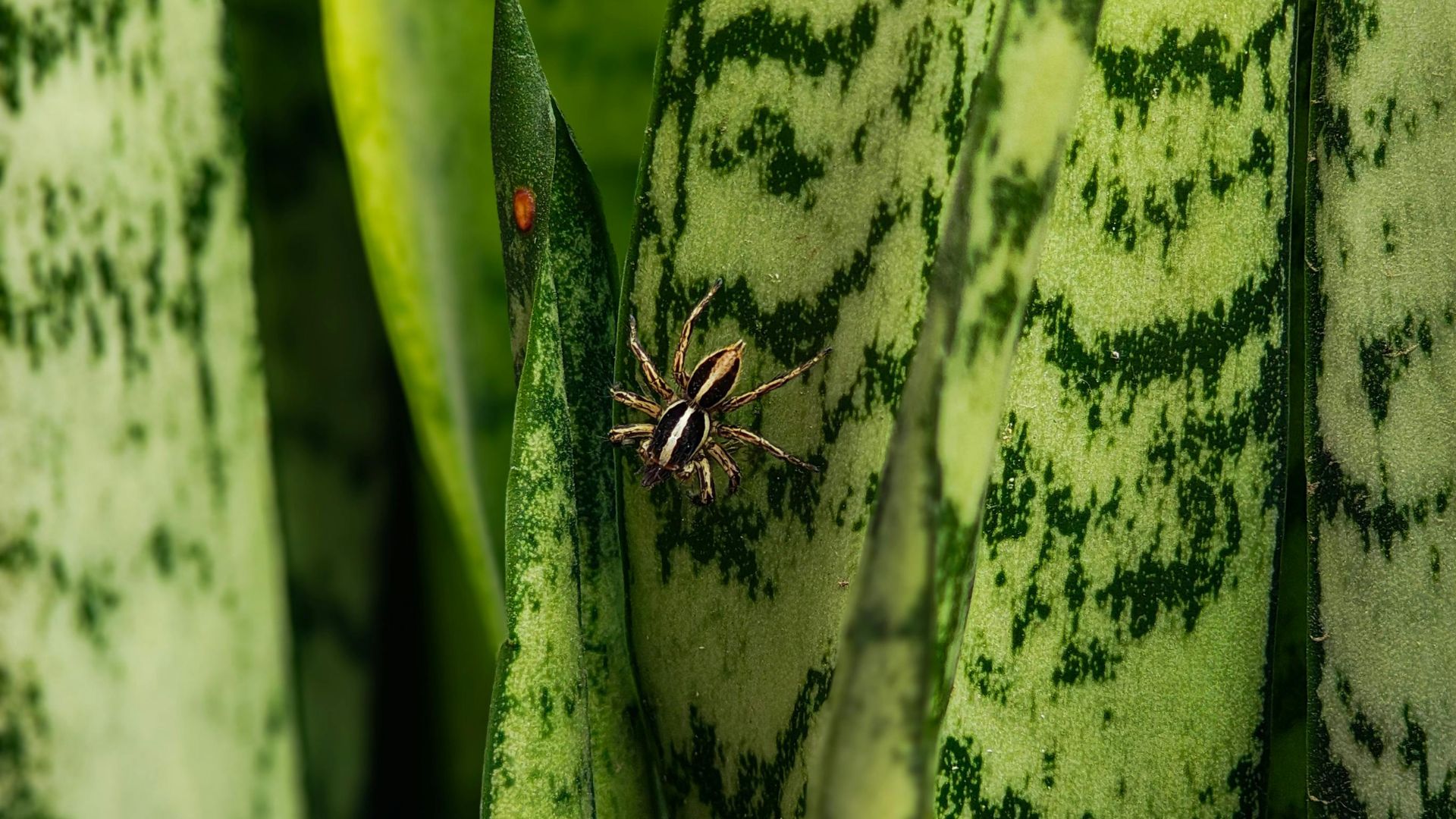
If you’re looking to enhance your indoor garden, learning how to plant snake plant is an excellent choice. Known for its striking appearance and air-purifying qualities, the snake plant, or Sansevieria, is a resilient houseplant that thrives in various conditions. Its unique sword-like leaves not only add a modern touch to your decor but also require minimal snake plant care, making it perfect for both novice and experienced gardeners.
In this comprehensive guide, we will explore the essential steps to successfully plant snake plant, from selecting the right potting mix to understanding the watering needs of this hardy plant. Furthermore, we will cover tips on placement and maintenance, ensuring your snake plant remains healthy and vibrant. By the end of this article, you’ll be equipped with all the knowledge you need to cultivate this beautiful and easy-going plant in your home.
Understanding Snake Plant Care
Caring for a snake plant is straightforward, making it a top choice for houseplants. These hardy plants are not only visually appealing but also offer numerous benefits, such as improving indoor air quality. Additionally, snake plants are excellent for beginners due to their forgiving nature. They can thrive in low light and require infrequent watering, which means you can enjoy their beauty without a steep learning curve. Thus, understanding snake plant care is essential for ensuring they flourish in your indoor garden. By familiarizing yourself with their specific needs, you can create an environment that promotes growth and vitality.
Importance of Proper Care
Proper care of snake plants directly influences their growth and longevity. First, consider light requirements; they thrive in indirect sunlight but can tolerate low light conditions. This flexibility makes them suitable for various indoor settings, from bright living rooms to dimly lit offices. Moreover, it’s crucial to avoid overwatering—this plant prefers to dry out between waterings. Typically, watering every 2-6 weeks is sufficient, depending on the season and humidity levels. Additionally, using well-draining soil promotes healthy roots and prevents rot. Consequently, by establishing effective daily habits for plant care, such as monitoring soil moisture and light exposure, you can ensure your snake plant remains vibrant and healthy. Furthermore, fertilizing during the growing season can enhance their growth, providing essential nutrients that support their development.
Common Mistakes to Avoid
Despite their resilience, many gardeners make mistakes while caring for snake plants. For instance, overwatering is a common error that can lead to root rot, a serious issue that can quickly kill the plant. Therefore, always check the soil moisture before watering to avoid this pitfall. Furthermore, placing snake plants in direct sunlight can scorch their leaves, leading to unsightly brown tips. Consequently, it’s best to find a location with filtered light or partial shade. Additionally, neglecting to repot can stunt growth; consider refreshing their potting mix every couple of years to provide fresh nutrients. To illustrate, for more comprehensive care instructions, you can learn more from The Spruce. By avoiding these pitfalls and paying attention to their specific needs, your snake plant will thrive, adding beauty and a touch of nature to your indoor space.
Choosing the Right Soil for Your Snake Plant
Choosing the right soil for your snake plant is crucial for its health and longevity. Snake plants, also known as Sansevieria, thrive in well-draining soil that prevents moisture retention, which can lead to root rot. Therefore, understanding soil selection is essential for optimal growth, especially if you’re aiming for successful snake plant propagation. In this section, we’ll explore different soil types suited for snake plants, along with their properties, and provide insights into how these choices can impact your plant’s overall health.
Types of Soil for Snake Plants
When selecting the best soil for snake plant propagation, consider using a mix that incorporates various components for optimal drainage and aeration. Common options include cactus soil, potting mixes, and custom blends that include perlite or sand. Cactus soil is typically well-draining and ideal for preventing excess moisture. On the other hand, a standard potting mix may hold too much water unless amended. To illustrate these differences, here’s a comparison table of different soil types and their properties:
| Soil Type | Drainage Properties | Nutrient Content |
|---|---|---|
| Cactus Soil | Excellent | Moderate |
| Potting Mix | Moderate | High |
| Custom Blend | Excellent | Varies |
As seen in the table, cactus soil offers excellent drainage, making it a popular choice among snake plant enthusiasts. However, if you opt for a potting mix, consider adding perlite or coarse sand to improve its drainage capabilities. This adjustment is particularly important, as snake plants are susceptible to root rot when their roots sit in waterlogged soil. Conversely, a custom blend allows you to tailor the nutrient content according to your snake plant’s specific needs, ensuring a balanced environment for growth.
How to Test Soil Quality
After choosing your soil, testing its quality is essential to ensure your snake plant thrives. One simple way to assess soil quality is by checking its drainage. Pour water into a pot with your chosen soil and observe how quickly it drains. Ideally, the water should flow through within a few minutes, indicating good drainage. Additionally, you can test soil moisture by sticking your finger into the soil; it should feel dry an inch below the surface before watering again. Consequently, proper soil selection and testing can prevent issues like overwatering, which is often linked to root rot and other soil diseases.
Moreover, consider the pH level of the soil, as snake plants prefer slightly acidic to neutral pH (around 6.0 to 7.0). You can purchase a simple pH testing kit to determine if your soil falls within this range. If necessary, amendments like lime can be added to raise pH, while sulfur can help lower it. By ensuring the right pH level along with good drainage, you can significantly enhance the health and growth of your snake plant.
In summary, selecting the right soil for your snake plant is vital. Whether you choose cactus soil or a custom blend, ensuring good drainage and testing soil quality will lead to a healthy and thriving snake plant. By paying attention to these factors, you can create an ideal environment that supports your plant’s growth and longevity, ultimately allowing you to enjoy its beauty for years to come.
Pot Selection for Snake Plants
Choosing the right pot for your snake plant is essential for its overall health and growth. When considering pot selection, think about factors such as size, drainage, and material. A well-chosen pot promotes healthy root development and prevents issues like root rot. For instance, snake plants thrive in slightly snug pots, which encourage healthy growth without overwhelming the roots. Therefore, it’s crucial to avoid pots that are too large, as this can lead to excess moisture retention, which can be detrimental to the plant’s health.
Choosing the Right Pot Size
When it comes to sizing, a pot that is 1-2 inches larger in diameter than the root ball is ideal. This size allows room for growth while maintaining stability. Furthermore, if you notice your snake plant becoming root-bound, it may be time to repot into a slightly larger container. Conversely, if the pot is too small, the roots may struggle to absorb nutrients, hindering growth. Thus, always keep an eye on your plant’s development and adjust the pot size as necessary. Additionally, consider the height of the pot; a deeper pot can accommodate the snake plant’s long roots, which can help in anchoring the plant securely.
Material Matters
The material of your pot also plays a significant role in snake plant potting tips. Terracotta pots are popular due to their breathability, which helps prevent overwatering. Moreover, ceramic pots can add an aesthetic touch and provide insulation against temperature fluctuations. However, plastic pots are lightweight and retain moisture longer, which can be beneficial in certain climates. Therefore, consider your local environment when selecting pot materials. For instance, in humid areas, terracotta may be preferable, while in drier climates, plastic might help retain moisture. Additionally, ensure that any pot you choose has adequate drainage holes to allow excess water to escape, further protecting the roots from rot. For additional insights on maintaining your snake plant, check out Snake Plant Care: How to Grow this Diehard Houseplant to ensure your plant thrives in its new home.
Step-by-Step Instructions for Planting Snake Plants
To successfully plant a snake plant, it’s essential to follow a systematic approach. This process not only ensures that the plant establishes itself well but also enhances its chances of thriving in your indoor environment. By taking the time to prepare and understand the necessary steps, you can enjoy the beauty of this resilient plant with relative ease. Below, you’ll find a detailed table outlining the essential steps involved in the planting process, along with some helpful tips to keep in mind. Following these guidelines will help you create an optimal environment for your snake plant, allowing it to flourish for years to come.
Preparation Steps
Before diving into the planting process, proper preparation is key. First, select a healthy snake plant leaf or a mature plant to propagate. If you’re using a leaf, cut it into sections, ensuring each piece is about 4-6 inches long. This length is ideal for rooting, as it provides enough surface area for the plant to absorb nutrients. Additionally, it’s vital to choose a well-draining potting mix, as snake plants are prone to root rot in overly moist soil. You can create your own mix by combining regular potting soil with sand or perlite, which will improve aeration and drainage. Furthermore, consider adding a slow-release fertilizer to the mix to provide essential nutrients as the plant establishes itself. Lastly, choose a pot with drainage holes to facilitate excess water escape. This preparation sets the stage for successful planting and ensures your snake plant has the best chance of thriving.
Planting Process
Once you have everything ready, it’s time to plant your snake plant. Start by filling your chosen pot with the prepared potting mix, leaving about an inch of space at the top. This space is important as it allows for proper watering without overflow. Next, plant the snake plant leaf sections or the mature plant upright in the soil, ensuring they are secure but not buried too deeply. Ideally, the top of the leaf should be just above the soil line. After planting, water the soil lightly; keep in mind that snake plants prefer drier conditions. Overwatering can lead to root rot, which is one of the most common issues faced by snake plant owners. To complete the process, place your newly planted snake plant in indirect sunlight. This will provide the right environment for growth while avoiding any potential leaf burn. Additionally, monitor the plant’s light exposure, as too much direct sunlight can cause the leaves to scorch.
Here’s a quick overview of the planting process in table format:
| Step | Description |
|---|---|
| Choose Plant Part | Select a healthy leaf or mature plant. |
| Prepare Soil | Use a well-draining mix with sand/perlite. |
| Select Pot | Ensure the pot has drainage holes. |
| Fill Pot | Add potting mix, leaving space at the top. |
| Plant | Position the plant or leaf section upright. |
| Water | Lightly water the soil after planting. |
| Placement | Place in indirect sunlight. |
By following these steps, you can ensure that your snake plant establishes itself well in its new home. Consequently, adhering to these planting tips not only promotes healthy growth but also minimizes the chances of encountering issues later. Moreover, remember that patience is key; it may take time for your snake plant to acclimate and begin new growth. During this period, avoid the temptation to overwater or move the plant around frequently, as this can stress it. For additional guidance on maintaining a thriving garden, consider avoiding common gardening mistakes that can impact your plants’ health. With a little care and attention, your snake plant will grow into a stunning addition to your indoor space, enhancing both your decor and air quality.
Common Pests and Their Treatment
Common pests can pose a significant threat to the health of your snake plant. Recognizing these pests early can save your plant from severe damage and ensure its longevity. Common offenders include mealybugs, spider mites, and aphids. Mealybugs are small, white, cottony insects that often congregate in leaf joints, where they can weaken the plant by sucking its sap. Meanwhile, spider mites, which are tiny and often invisible to the naked eye, can be identified by their webs and the speckled leaf damage they cause. Aphids, on the other hand, are typically green or black and can drain vital nutrients from your plant, leading to stunted growth. Therefore, being vigilant is key to effective indoor plant maintenance, as early intervention can prevent infestations from escalating.
Identifying Pests
To maintain optimal snake plant care, it’s essential to know how to identify these pests. For instance, mealybugs can be spotted by their distinctive white, fluffy appearance on leaves and stems, often resembling small cotton balls. In contrast, spider mites leave behind webbing, usually on the undersides of leaves, along with yellow or stippled spots on the foliage that indicate damage. Aphids typically cluster on new growth, making them easier to spot due to their tendency to congregate in large numbers. Monitoring your snake plant regularly can help in early detection, thus preventing an infestation from spreading. Consequently, always examine your plant closely during routine care, especially after introducing new plants into your home, as they can carry pests.
Effective Treatment Options
Once pests are identified, effective treatment options are crucial for maintaining the health of your snake plant. For minor infestations, a simple solution of soap and water can be sprayed directly onto the affected areas. This treatment suffocates pests and is safe for your snake plant. Moreover, neem oil is an organic option that disrupts the life cycle of many pests, making it another excellent choice for treatment. In severe cases, you may need to consider insecticidal soaps or horticultural oils, which can be more potent in eradicating stubborn infestations. Additionally, regularly cleaning the leaves with a damp cloth can help prevent pest buildup. For detailed pest management strategies, refer to the Snake Plant: Care & Growing Guide – The Spruce. Remember, maintaining a clean environment and avoiding overwatering can also minimize pest attraction, ensuring your snake plant remains healthy and thriving.
Bringing It All Together
To summarize, planting a snake plant is a rewarding endeavor that brings both aesthetic appeal and health benefits to your home. By following the essential tips outlined in this guide, you’ll be well-prepared to plant snake plant successfully. Remember to choose the right potting mix, provide adequate light, and avoid overwatering—these are crucial components of effective snake plant care. Additionally, consider the pot size and drainage, as these factors can significantly impact the plant’s health.
Ultimately, the resilience of the snake plant makes it an ideal choice, whether you’re a novice gardener or have years of experience. Its ability to thrive in various conditions means you can confidently incorporate it into your indoor space. Therefore, don’t hesitate to start your journey and plant snake plant today for a touch of greenery that enhances your living environment.
Moreover, as you nurture your snake plant, you’ll not only enjoy its beauty but also benefit from improved air quality, as it filters toxins from the air. Embrace this opportunity to create a vibrant indoor garden and witness the joy that comes with caring for such an easy-going plant. Remember, each small step you take in your gardening journey contributes to a healthier home. Happy planting, and may your snake plant flourish!