If you’re eager to learn how to plant spider plant, you’re in for a delightfully rewarding experience. Known for their air-purifying qualities and attractive arching leaves, spider plants make excellent additions to any indoor space. Moreover, with their ability to produce adorable spider plant pups, you can easily propagate these charming houseplants and expand your green collection. These plants are not only visually appealing but also incredibly forgiving, making them perfect for both novice and experienced gardeners alike.
In this comprehensive guide, we will explore the essential techniques for successfully planting spider plant pups, ensuring that you set them up for thriving growth. Additionally, you’ll discover practical tips for indoor gardening that will help you create the ideal environment for your spider plants. By the end of this article, you’ll be equipped with the knowledge you need to nurture these resilient plants, understand their specific care requirements, and enjoy their beauty for years to come. Embrace the journey of cultivating your spider plants, and watch your indoor garden flourish.
Understanding How to Plant Spider Plant Pups Successfully
Understanding how to plant spider plant pups successfully requires a blend of timing and careful selection. Spider plant pups, or offsets, are small clones that grow from the parent plant. When planted properly, these pups can flourish and become independent plants. However, ensuring their success isn’t just about putting them in soil; it’s also about when and how you plant them. The right approach can lead to a thriving indoor garden filled with vibrant greenery.
Choosing the Right Time for Planting
Timing is crucial for successful planting. Ideally, you should wait until the spider plant pups develop roots, which usually happens in spring or early summer. During these seasons, plants typically experience active growth, making it an optimal period for transplanting. For instance, when the weather warms up, the increased light and humidity levels will encourage root development. Moreover, planting during this active growth phase ensures that the pups can establish themselves quickly and effectively in their new environment. Additionally, consider monitoring the weather conditions; if there are still chilly nights, it may be wise to wait a bit longer for consistent warmth. This attention to detail can significantly impact the success of your planting efforts.
Selecting Healthy Pups
Selecting healthy pups is equally important for successful planting. Look for pups that are at least a few inches long and have developed some roots; these indicators suggest that they are ready for separation. Avoid any pups that appear yellowing or droopy, as they may be weak or diseased. Instead, choose robust and vibrant-looking pups, as they are more likely to thrive once planted. You can enhance their chances of success by ensuring they receive adequate water and light after planting. Additionally, adopting daily gardening habits can help you maintain a healthy environment for your plants. For instance, regularly checking the moisture level of the soil and adjusting your watering schedule can prevent over or under-watering, both of which can be detrimental to young plants.
Once you’ve selected healthy pups, gently detach them from the mother plant using clean scissors. This careful approach minimizes stress on the pups and boosts their survival rates. Consequently, with the right timing and healthy selections, your spider plant pups will grow into beautiful new plants in no time. Furthermore, consider using a well-draining potting mix to provide the best conditions for root growth. For comprehensive care and propagation techniques, you might want to refer to the resource from Garden Design, which offers additional insights into nurturing your spider plants effectively. By following these guidelines, you can ensure that your spider plant pups not only survive but thrive, adding lush greenery to your indoor space.
Choosing the Best Soil for Spider Plants
Choosing the right soil for spider plants is crucial for their growth and overall health. Spider plants thrive in well-draining soil that retains some moisture but doesn’t become soggy. This balance is essential for preventing issues such as root rot, which can be detrimental to your plant’s health. By understanding the various types of soil available and their unique characteristics, you can make informed choices that enhance your spider plant’s growth.
In the following sections, we will explore different types of soil suitable for spider plants and the specific soil characteristics you should consider when making your selection. Additionally, we will discuss how the right soil can contribute to the overall vitality of your spider plants, ensuring they remain lush and vibrant throughout their lifecycle.
Types of Soil for Spider Plants
Several soil types can support the healthy growth of spider plants. Common options include potting mix, cactus mix, and homemade soil blends. Potting mix, typically made from peat moss, perlite, and vermiculite, provides excellent drainage while retaining moisture. This combination is particularly beneficial for spider plants, as it mimics their natural habitat. Conversely, cactus mix is more coarse and allows for quick drainage, which might be beneficial in certain climates, especially where humidity is low. Homemade blends can offer customization, allowing you to control the components based on your spider plant’s specific needs. For example, you can mix in organic compost to boost nutrient content, ensuring your plants receive the necessary nourishment.
To help you compare these options effectively, refer to the table below:
| Soil Type | Drainage Level | Retention of Moisture |
|---|---|---|
| Potting Mix | High | Moderate |
| Cactus Mix | Very High | Low |
| Homemade Blend | Customizable | Depends on ingredients |
Soil Characteristics to Consider
When choosing the best soil for spider plants, it’s essential to consider several characteristics. First, drainage is a key factor. Spider plants prefer a well-draining soil to prevent waterlogging, which can lead to root rot and other soil-borne diseases. Additionally, the soil should retain some moisture to ensure that your spider plants have the hydration they need without becoming overly saturated.
Furthermore, the nutrient content of the soil plays a significant role in your plant’s health. A good potting mix often contains essential nutrients that promote growth, such as nitrogen, phosphorus, and potassium. These nutrients are vital for the development of strong roots and lush foliage. Ultimately, understanding these soil characteristics will help you select the right blend that supports your spider plants throughout their lifecycle. For more guidance on preventing issues like root rot, you can visit Understanding Root Rot and Soil-Borne Diseases. Additionally, regularly monitoring your soil’s moisture levels and nutrient content can further enhance your spider plant’s health, ensuring they thrive in your indoor garden.
Step-by-Step Guide to Planting Spider Plant Pups
To successfully propagate spider plant pups, preparation is key. Knowing how to propagate spider plant pups involves not just the planting process itself but also the groundwork that ensures healthy growth. This includes selecting the right containers, soil, and understanding the ideal conditions for your spider plants. Once you have everything ready, the process can be both simple and enjoyable. Additionally, familiarizing yourself with the specific needs of spider plants will enhance your overall planting experience, making it more rewarding.
Preparing the Containers
First, you need to choose appropriate containers for your spider plant pups. Opt for pots that have drainage holes, as excess water can lead to root rot, a common issue that can jeopardize the health of your new plants. A size of about 4 to 6 inches in diameter is ideal for pups, providing enough space for root development without overwhelming them. Furthermore, selecting pots made from breathable materials, such as terracotta, can help regulate moisture levels effectively, preventing the soil from becoming too compacted.
Once you’ve chosen your pots, fill them with a well-draining potting mix. A mixture of potting soil combined with perlite or sand works wonders, as it ensures that the soil retains some moisture while allowing excess to drain away. Consequently, the pups will have the best chance to thrive without the risk of becoming waterlogged. Additionally, consider adding a slow-release fertilizer to the mix, which can provide essential nutrients as the pups establish themselves. This proactive approach will support their growth during the critical early stages.
Planting Process
Now that your containers are ready, it’s time to move on to the planting process. Begin by gently removing the spider plant pup from the mother plant. Be careful not to damage the roots; a clean cut with scissors can help if the pup is tethered. Next, place the pup in the center of the prepared pot. Make sure the roots are spread out evenly, allowing for optimal nutrient absorption. After positioning the pup, fill the pot with soil, gently pressing it down to eliminate air pockets while ensuring the base of the pup remains above the soil line.
Once planted, it’s crucial to water the pup lightly. Overwatering can be detrimental, so aim for a moist but not soggy environment. Furthermore, place the pot in a location that receives bright, indirect sunlight. This lighting condition mimics the natural habitat of spider plants, promoting healthy growth. Regularly check the soil moisture, and water only when the top inch feels dry. To illustrate, if you notice the leaves starting to droop, that’s a sign your pup may need water.
Consequently, consistent plant care is essential for your new spider plant pups. This includes monitoring their growth and adjusting care as needed. For instance, if you notice the leaves developing brown tips, it may indicate that the plant is receiving too much direct sunlight or not enough water. Additionally, consider rotating the pots occasionally to ensure even light exposure on all sides of the plant. For more detailed care specifics, including watering and environmental needs, check out How to Care for Spider Plants | Bloomscape. By following these steps and providing the right environment, you’ll ensure your spider plant pups grow into beautiful, thriving plants. Enjoy the process and watch your indoor garden flourish!
Common Mistakes to Avoid When Planting Spider Plants
When planting spider plants, even seasoned gardeners can make common mistakes that hinder growth. Learning to recognize and avoid these pitfalls is essential for nurturing healthy plants. For example, many people overlook the importance of proper watering practices, which can lead to stress on the plant. Overwatering or underwatering can both have detrimental effects, making it vital to find a balance. Additionally, understanding light requirements is crucial for ensuring your spider plants thrive. Spider plants prefer bright, indirect sunlight, and failing to provide this can stunt their growth or damage their leaves. By being aware of these common mistakes, you can implement effective gardening tips to guarantee your spider plants flourish, ultimately leading to a more vibrant indoor garden.
Overwatering and Underwatering
One of the most frequent mistakes in spider plant care is mismanaging water. Overwatering can lead to root rot, a condition that can be fatal for the plant, while underwatering can cause the leaves to wilt and turn brown. Therefore, striking a balance is key. To illustrate, you should allow the top inch of soil to dry out between waterings. A good rule of thumb is to check the soil moisture regularly, using your finger to gauge how dry it feels. Moreover, using pots with drainage holes can help prevent excess water from accumulating, which is crucial for maintaining healthy roots. Additionally, consider the humidity levels in your home; during dry seasons, you may need to adjust your watering schedule accordingly. By monitoring your watering habits and adjusting them as needed, you can avoid these common mistakes and keep your spider plants healthy.
Ignoring Light Requirements
Another common mistake is failing to provide adequate light. Spider plants prefer bright, indirect sunlight, which mimics their natural habitat. However, placing them in direct sunlight can scorch their leaves, while insufficient light can stunt their growth and lead to leggy plants. Hence, it’s essential to find the right spot in your home. For instance, a north or east-facing window is often ideal for spider plants, as it provides gentle light without the harsh rays of the afternoon sun. Additionally, rotating your plants occasionally ensures even light distribution, promoting balanced growth. If you notice your spider plant stretching toward the light or showing signs of discoloration, it might be time to reassess its location. By paying attention to light requirements, you can significantly enhance your plant’s health and overall appearance.
Being mindful of these common mistakes can greatly enhance your spider plant care routine. By focusing on proper watering and light conditions, you’ll be well on your way to cultivating vibrant spider plants. Furthermore, if you want to delve deeper into maintaining plant health, consider exploring resources on preventing plant diseases to safeguard your green companions. With a little effort and awareness, your indoor garden can thrive beautifully, providing you with a lush and inviting atmosphere.
Spider Plant Varieties and Their Care
Spider plants are beloved for their resilience and stunning foliage, but did you know there are several varieties with unique characteristics? Understanding the different spider plant varieties can enhance your gardening experience and cater to your aesthetic preferences. Each variety has specific care requirements that can significantly impact their growth and overall health. Knowing these details not only helps you choose the right plant for your space but also ensures that you provide the best environment for them to thrive. Furthermore, recognizing the distinct traits of each variety can inspire you to create a diverse indoor garden that showcases their beauty.
In addition to aesthetic appeal, the adaptability of spider plants makes them ideal for various indoor settings. Whether you have a bright, sunlit room or a cozy corner with indirect light, there is a spider plant variety that can flourish in your home. This versatility allows you to experiment with different placements and arrangements, enhancing your living space while enjoying the benefits of these resilient plants.
Popular Spider Plant Varieties
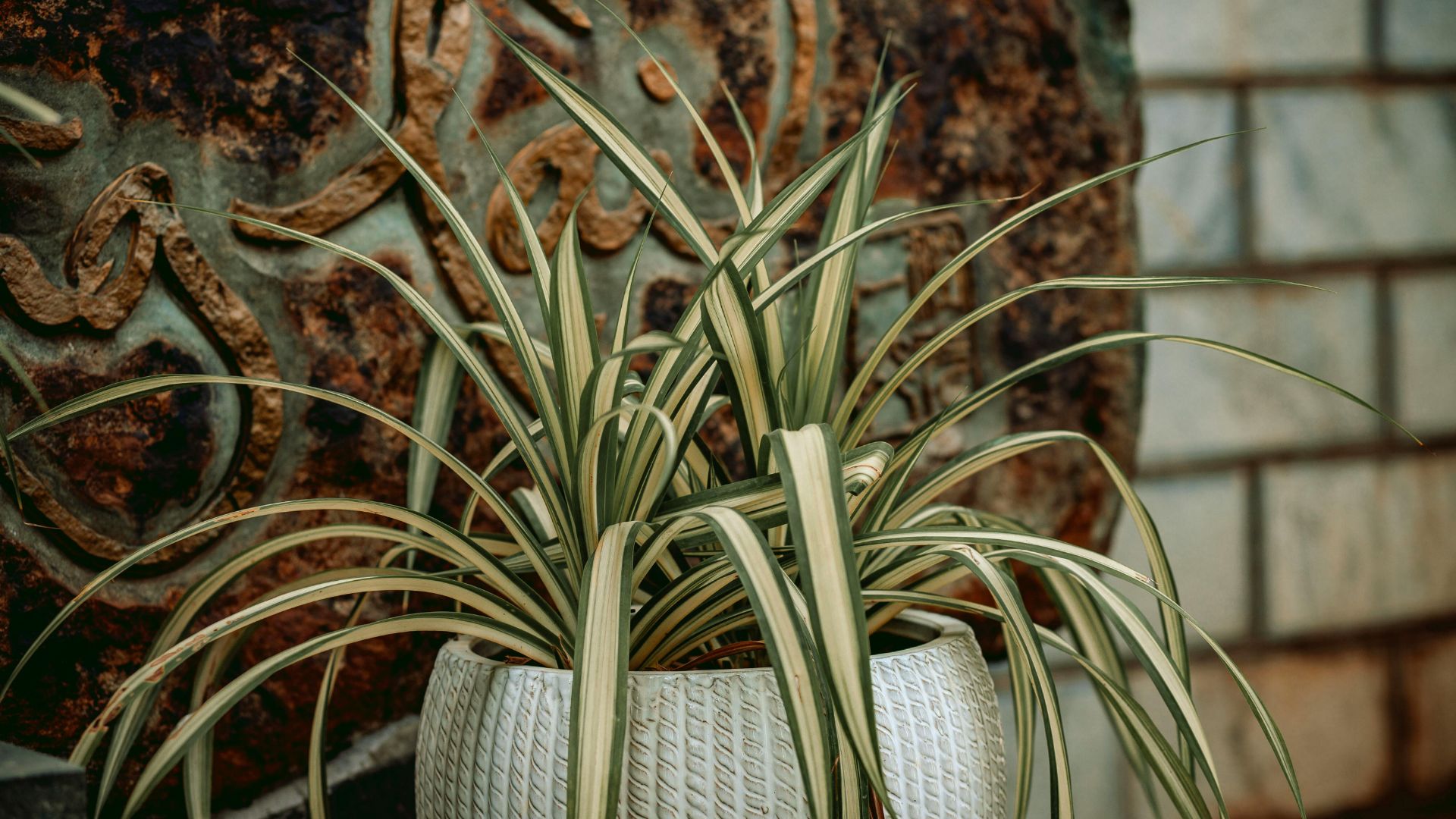
There are a few standout spider plant varieties that are particularly popular among houseplant enthusiasts. The most common is the Chlorophytum comosum, known for its green and white striped leaves. Another variety, the Chlorophytum comosum ‘Vittatum’, features striking white stripes down the center of each leaf, adding a touch of elegance to any room. Additionally, the Chlorophytum comosum ‘Reverse’ offers a twist with its white leaves and green edges, providing a unique contrast that can brighten up your indoor space. Each of these varieties brings a unique look to your indoor environment, and they all share similar care requirements, making them ideal for both beginners and seasoned gardeners alike.
| Spider Plant Variety | Leaf Characteristics | Growth Habit |
|---|---|---|
| Chlorophytum comosum | Green with white stripes | Arching, produces pups |
| Chlorophytum comosum ‘Vittatum’ | Green with prominent white stripes | Arching, produces pups |
| Chlorophytum comosum ‘Reverse’ | White with green edges | Arching, produces pups |
Care Requirements for Each Variety
Regardless of the spider plant variety you choose, understanding their care requirements is essential for their success. Generally, all spider plants prefer bright, indirect light but can tolerate low-light conditions, making them suitable for various indoor environments. They thrive in well-draining soil and need to be watered regularly to keep the soil slightly moist. However, avoid overwatering, as this can lead to root rot, a common issue that can hinder growth.
Furthermore, these plants benefit from occasional fertilization during the growing season to promote healthy growth. A balanced, water-soluble fertilizer applied every four to six weeks can boost their vitality. Additionally, they appreciate humidity, so placing them in a bathroom or kitchen can be beneficial. To illustrate, spider plants can flourish in environments with higher humidity levels, which can be achieved by misting them or using a pebble tray with water. For a detailed overview of spider plants and propagation methods, you can refer to this resource. By understanding these care requirements, you can ensure that your spider plants not only survive but thrive, adding beauty and life to your indoor garden.
Your Action Plan for Successful Spider Plant Planting
Ultimately, your action plan for successful spider plant planting hinges on a few key steps that ensure your plants not only survive but thrive. To summarize, begin by selecting healthy spider plant pups that have developed roots, as this indicates they are ready for their new home. Next, choose the right time—spring or early summer—for planting, as the conditions during these seasons are ideal for growth. Additionally, ensure you provide well-draining soil and adequate light, which are critical factors that will help your new plants flourish.
Moreover, maintaining consistent watering and monitoring the environment will contribute significantly to their success. For instance, ensure the soil remains slightly moist but not soggy, as overwatering can lead to root rot. By following these steps, you’ll not only enjoy the beauty of your spider plants but also experience the joy of nurturing them as they grow.
Therefore, don’t hesitate to start your planting journey today! Gather your materials, choose your pups, and set them up for a thriving life. Remember, successful planting is all about patience and care, so take your time and enjoy the process. Furthermore, as you cultivate your spider plants, look forward to the possibility of propagation and expanding your green collection. Happy planting, and may your indoor garden be filled with lush, vibrant greenery!