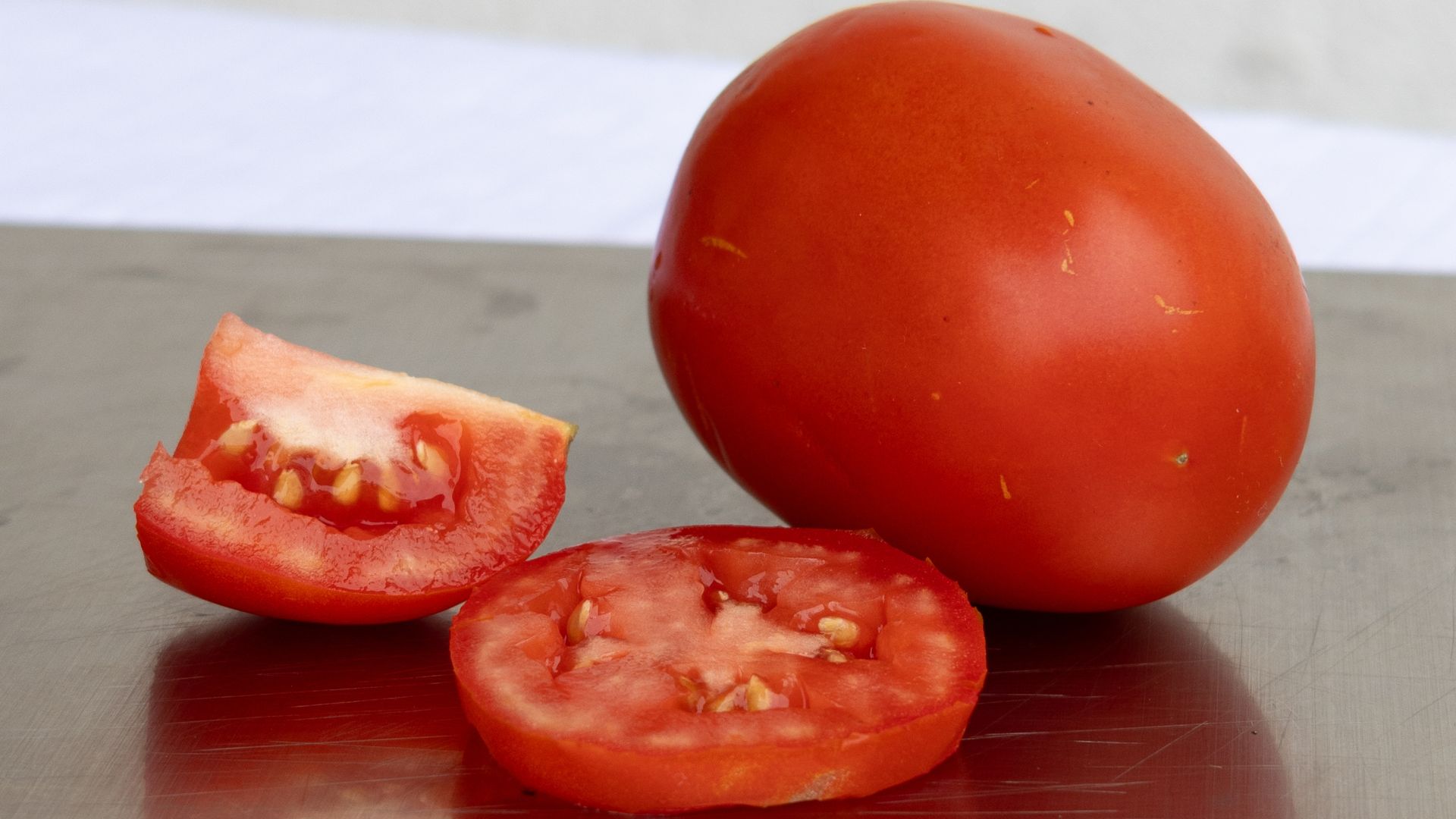
If you’re eager to learn how to plant tomatoes, you are in for a rewarding gardening experience. Growing your own tomatoes not only enhances your culinary creations but also provides a sense of satisfaction as you nurture tomato seedlings into flourishing plants. With the right techniques, you can maximize your yield and enjoy a bountiful harvest throughout the growing season.
In this article, we will guide you through essential tips and methods for successfully planting tomatoes. First, we will explore the best practices for selecting and preparing your soil, as well as the ideal planting times. Additionally, we will delve into watering techniques, sunlight requirements, and pest management strategies to ensure your tomato plants thrive. By the end, you’ll be equipped with all the knowledge needed to cultivate a garden full of delicious, juicy tomatoes.
Understanding Tomato Seedlings: Choosing the Right Variety
Choosing the right variety of tomato seedlings is crucial for successful vegetable gardening. With numerous types available, the selection process can feel overwhelming. However, understanding the characteristics of each variety will help you make an informed decision. Factors such as climate, space, and intended use significantly influence the type of tomato you should select. For instance, determinate varieties grow to a fixed size and ripen all at once, making them ideal for container gardening or small spaces. Conversely, indeterminate varieties continue to grow and produce fruit throughout the season, which is perfect for those seeking a steady supply of tomatoes.
Popular Tomato Varieties for Maximum Yield
When considering tomato seedlings, it is essential to familiarize yourself with popular varieties. Heirloom tomatoes are particularly favored for their rich flavors and are often grown for personal consumption. Notably, Brandywine and Cherokee Purple are beloved heirlooms that boast unique tastes. On the other hand, hybrid varieties like Early Girl and Celebrity are prized for their disease resistance and early yields. Additionally, cherry tomatoes, such as Sweet 100, are excellent for snacking and add a splash of color to your garden. Therefore, selecting a mix of these varieties can provide both diversity and ample harvest options.
Factors to Consider When Choosing Tomato Seedlings
Several factors influence your choice of tomato seedlings, each impacting your gardening success. First, consider your local climate; some varieties thrive in cooler conditions, while others prefer warmer temperatures. Moreover, think about the space you have available. If you’re limited on room, dwarf or determinate types will suit you better. Consequently, if you plan to use your tomatoes for specific recipes, it’s wise to choose varieties that meet those culinary needs. For more insights on protecting your plants from common threats, you can learn how to protect your veggie patch. Thus, taking all these factors into account ensures you choose the right seedlings for your garden’s success. For a comprehensive guide on various tomato types and planting techniques, check out How to Grow Tomatoes: Complete Guide to Planting & Harvesting.
Tomato Planting Techniques for Maximum Yield
To achieve maximum yield when planting tomatoes, understanding soil types, watering methods, and sunlight requirements is essential. The right soil can significantly influence your tomato plants’ growth, while proper watering and light exposure will ensure they thrive throughout the season. Therefore, utilizing effective planting tips will be crucial for a bountiful harvest. Additionally, paying attention to seasonal changes and local climate conditions can further enhance your tomato-growing experience, allowing you to adapt your techniques for optimal results.
Soil Preparation Techniques
Soil preparation plays a vital role in successful tomato planting. Ideally, tomatoes prefer well-draining, nutrient-rich soil. The pH level should be slightly acidic, around 6.0 to 6.8, to promote healthy growth. Incorporating organic matter, like compost or well-rotted manure, enhances soil structure and fertility. To illustrate, different soil types affect tomato growth in varying ways, which is summarized in the table below:
| Soil Type | Effect on Tomato Growth |
|---|---|
| Sandy Soil | Drains quickly, requires frequent watering; good for early growth. |
| Clay Soil | Retains moisture but can lead to root rot; needs amendment for aeration. |
| Loamy Soil | Ideal balance of drainage and nutrients; promotes maximum yield. |
Loamy soil is often the best choice for tomatoes due to its balanced texture and nutrient content. Conversely, sandy soils may require more frequent watering, while clay soils can hold too much moisture, risking root rot. To improve clay soil, consider adding perlite or sand to enhance drainage. Furthermore, regular soil testing can help you monitor nutrient levels and adjust your amendments accordingly, ensuring your tomatoes have the best possible growing conditions.
Watering and Sunlight Needs
Tomatoes thrive with consistent watering and adequate sunlight. They generally require about 1 to 2 inches of water per week, depending on climate and soil type. A drip irrigation system can be beneficial, as it delivers moisture directly to the roots, minimizing evaporation. Additionally, tomatoes need full sun, ideally 6 to 8 hours per day, to produce fruit effectively.
By ensuring your tomato plants receive the right amount of water and sunlight, you can significantly enhance their growth potential. Moreover, mulching around the base of the plants can help retain soil moisture and regulate temperature, further supporting healthy growth. Therefore, consider integrating the habits for healthy garden plants into your routine for an even more fruitful garden. With these techniques, your tomato plants are on their way to achieving maximum yield!
Common Mistakes When Planting Tomatoes
Planting tomatoes can be a delightful endeavor, but beginners often encounter common mistakes that can hinder their success. Understanding these pitfalls is crucial for achieving a fruitful yield. Many new gardeners overlook essential aspects of tomato care, which can lead to disappointment and frustration. For instance, failing to recognize the importance of soil quality or proper spacing can severely impact plant health. By being aware of these missteps and learning how to avoid them, you can ensure that your tomato plants thrive and produce an abundant harvest.
Overwatering and Underwatering
One of the most frequent mistakes made by novice gardeners is improper watering. Overwatering can suffocate roots, leading to root rot, while underwatering stresses the plant, causing wilting and poor fruit development. Therefore, it’s essential to find a balance. A good rule of thumb is to water deeply but infrequently, allowing the soil to dry slightly between watering sessions. Additionally, consider using mulch to retain moisture and regulate soil temperature. This balance is especially important for a successful beginner guide to tomato planting. Moreover, using a moisture meter can help you gauge the soil’s water content more accurately, ensuring your plants receive just the right amount of hydration.
Ignoring Pest Management
Another critical mistake is neglecting pest management. Pests like aphids and tomato hornworms can wreak havoc on your plants if left unchecked. Consequently, regular inspections of your plants are vital. Look for signs of infestation, such as discolored leaves or visible bugs. Additionally, consider implementing natural pest control methods, such as introducing beneficial insects like ladybugs or using neem oil as a deterrent. You can learn more about effective pest management strategies in Growing Tomatoes for Beginners. By staying proactive, you can protect your tomatoes and ensure they flourish throughout the growing season. Furthermore, keeping your garden clean and free of debris can reduce pest habitats and improve overall plant health.
In summary, being mindful of these common mistakes will enhance your tomato planting experience. By focusing on proper watering techniques and pest management, you set the stage for a bountiful harvest. Embrace these tips, and you’ll be well on your way to enjoying the fruits of your labor, transforming your garden into a thriving oasis of delicious, homegrown tomatoes.
Essential Tomato Care Techniques
To ensure your tomato plants thrive and produce a bountiful harvest, effective care techniques are essential. These techniques not only enhance plant health but also maximize yield. By implementing best practices in fertilization, pruning, and support systems, you can significantly improve the growth and productivity of your tomatoes. Moreover, understanding these essential tomato care methods allows you to make informed decisions that benefit your garden as a whole. Additionally, being aware of the environmental factors that affect tomato growth, such as temperature and humidity, can further enhance your gardening success.
The table below highlights some of the most important care techniques for tomato plants and their respective benefits. By following these guidelines, you can create an environment where your tomatoes can flourish, ultimately leading to a more rewarding gardening experience.
| Care Technique | Benefits |
|---|---|
| Regular Fertilization | Provides essential nutrients for growth |
| Pruning | Encourages better air circulation and sunlight exposure |
| Using Supports (Stakes/Cages) | Prevents damage and promotes healthy fruit development |
Fertilization Methods
Fertilization is key to successful tomato care. Using a balanced fertilizer with a higher phosphorus content can stimulate strong root development and flowering. Specifically, applying fertilizer every 4-6 weeks throughout the growing season ensures that your plants receive a steady supply of nutrients. Additionally, organic options like compost or well-rotted manure can enrich the soil and promote healthier plants. To illustrate, incorporating these fertilization methods will lead to more vigorous growth and a more abundant harvest. Furthermore, considering the pH level of your soil can also play a crucial role in nutrient absorption, as tomatoes prefer a slightly acidic environment (pH 6.0 to 6.8). Regular soil testing can help you maintain optimal conditions.
Pruning and Support Systems
Pruning is another vital technique that enhances tomato health. By removing suckers—small shoots that grow in the leaf axils—you allow the plant to focus its energy on fruit production. Similarly, providing support with stakes or cages helps keep the plants upright, reducing the risk of disease and fruit rot. Consequently, well-supported plants receive more sunlight and airflow, which can further boost their health. Therefore, integrating proper pruning and support systems into your gardening techniques is crucial for maximizing your tomato yield. Additionally, pruning can help prevent overcrowding, which can lead to fungal diseases. Regularly inspecting your plants for any signs of pests or disease will also contribute to their overall well-being.
By adopting these essential tomato care techniques, you can ensure that your plants not only survive but thrive, leading to a fruitful and satisfying gardening experience. For more gardening tips, you can explore methods to boost your garden.
Harvesting Your Tomatoes for Maximum Yield
Harvesting your tomatoes at the right time is essential for achieving maximum yield and enjoying the best flavor. Knowing when to pick your tomatoes can significantly impact the quality of your harvest. Ripe tomatoes typically exhibit deep, vibrant colors, which vary by variety. For instance, red tomatoes should be fully colored and slightly soft to the touch, indicating they are ready to be picked. Additionally, pay attention to the stem; a slight cracking or the ease of detachment can signal ripeness. Therefore, regularly inspecting your plants as they approach maturity is crucial. This vigilance not only helps you catch ripe tomatoes but also allows you to monitor for any signs of pests or diseases that could affect your yield.
When to Harvest
Timing your harvest correctly ensures that you enjoy the freshest tomatoes possible. Generally, tomatoes are ready to harvest about 60 to 85 days after transplanting tomato seedlings, depending on the variety. For example, larger heirloom varieties may take longer to ripen than smaller cherry tomatoes. Additionally, consider harvesting in the morning when temperatures are cooler, as this helps preserve their freshness and flavor. If you notice that some tomatoes are ripening faster than others, pick them individually instead of waiting for all to mature. This approach maximizes your yield by ensuring that nothing overripes on the vine, which can lead to loss and spoilage. Furthermore, if you anticipate a sudden change in weather, such as heavy rain or frost, it may be wise to harvest tomatoes slightly earlier to prevent damage.
How to Store Your Tomatoes
Once you’ve harvested your tomatoes, proper storage practices will help maintain their freshness and flavor. Ideally, store ripe tomatoes at room temperature, away from direct sunlight. This method allows for better flavor development and helps retain their natural sweetness. If you have unripe tomatoes, place them in a paper bag to speed up the ripening process; the ethylene gas they emit will encourage ripening. However, be cautious not to refrigerate ripe tomatoes, as cold temperatures can negatively affect their taste and texture. According to Seattle’s Favorite Garden Store Since 1924, keeping them in a well-ventilated area is crucial for maintaining quality. By following these practices, you’ll ensure that your harvest remains delicious and enjoyable long after picking. Additionally, consider using your ripe tomatoes in various recipes, from fresh salads to sauces, to fully appreciate their flavor and versatility.
Your Action Plan for Successful Tomato Gardening
Ultimately, your journey to plant tomatoes can be both enjoyable and rewarding. To summarize, the key steps include selecting the right variety, preparing your soil, and ensuring proper watering and sunlight. By following these essential practices, you set the stage for achieving maximum yield and a thriving tomato garden. Additionally, consider the climate in your area, as it can significantly impact your tomato plants’ growth and productivity.
Moreover, don’t overlook the importance of pest management and ongoing care throughout the growing season. Regularly inspecting your plants for signs of disease or pests will help you address any challenges that arise effectively. Implementing organic pest control methods, such as introducing beneficial insects or using natural repellents, can further protect your garden. Remember, gardening is a learning experience; every season offers new insights and opportunities for improvement.
Therefore, we encourage you to take the plunge and start your gardening adventure today. Gather your supplies, choose your favorite tomato varieties, and get planting! The satisfaction of nurturing your own tomatoes and reaping the rewards is truly unparalleled. As you cultivate your garden, consider keeping a gardening journal to track your progress and reflect on what works best for you.
Finally, as you embark on this journey, keep in mind that with patience and dedication, you can cultivate a flourishing garden that not only enhances your meals but also brings joy to your everyday life. Embrace the process, celebrate small victories, and remember that every tomato you grow is a testament to your hard work. Happy gardening!