Detecting plant disease early is crucial for maintaining the health of your garden or farm. Early symptoms, such as yellowing leaves, unsightly spotting, or wilting plants, can signal underlying issues that, if left unaddressed, may lead to significant crop loss. For instance, yellowing leaves might indicate nutrient deficiencies or root rot, while wilting could suggest inadequate water supply or pest infestations. Understanding these signs can empower you to take immediate action, thereby preserving your plants and ensuring a thriving environment.
In this article, we will explore the various early symptoms of plant disease, providing you with essential knowledge to identify problems before they escalate. Moreover, we will discuss common types of diseases that affect plants, such as fungal infections and bacterial blights, along with practical tips for effective treatment and prevention. By equipping yourself with this information, you can better protect your foliage and enjoy a robust, healthy garden. Consequently, recognizing these critical early signs not only aids in immediate intervention but also fosters long-term sustainability in your gardening practices. Therefore, let’s delve into the world of plant disease and learn how to spot those vital early indicators!
Understanding Early Symptoms of Plant Disease
Understanding early symptoms of plant disease can significantly impact the health and productivity of your plants. When you identify these early symptoms, you can intervene before the problem escalates, potentially saving your plants from severe damage or even death. Moreover, early detection allows for more effective treatment options, which can be less costly and labor-intensive than addressing advanced disease stages. By familiarizing yourself with these signals, you empower yourself to maintain a thriving garden or farm. This proactive approach not only safeguards your plants but also enhances your overall gardening experience.
The Importance of Early Detection
First and foremost, early detection of plant diseases is vital for preventing widespread issues. For example, when a single infected plant is spotted early, you can isolate it and treat it before the disease spreads to neighboring plants. Consequently, this proactive approach minimizes crop loss and ensures the sustainability of your garden. Additionally, early intervention often means using less aggressive treatments, which can be more environmentally friendly. Therefore, understanding the early symptoms of plant disease can lead to healthier plants and a more productive growing season. Furthermore, early detection can save you time and resources, allowing you to focus on nurturing your plants rather than battling severe infestations or diseases.
Common Symptoms to Watch For
Several common early symptoms can help in disease identification. Yellowing leaves, often referred to as chlorosis, can indicate nutrient deficiencies or the onset of diseases like bacterial wilt. Similarly, wilting, even in well-watered plants, may suggest root problems or fungal infections. Furthermore, the appearance of spots on leaves—whether brown, black, or white—can signal various diseases, including leaf blight. To illustrate, powdery mildew can manifest as a white, powdery coating, while rust diseases may present as orange or reddish pustules.
Moreover, stunted growth or unusual leaf shapes can also indicate underlying issues. For instance, if your plants are not growing as expected, it may be due to root rot or pest infestations. By observing these symptoms closely, you can take timely action, ensuring your plants remain healthy and vibrant. Additionally, keeping a garden journal to track changes in your plants can further enhance your ability to detect early symptoms, allowing for a more informed approach to plant care.
Common Early Symptoms: Yellowing, Spotting, and Wilting
Recognizing early symptoms like yellowing, spotting, and wilting is essential for maintaining plant health. Each of these signs often indicates specific issues that must be addressed promptly to avoid further complications. Understanding the underlying causes can help you formulate an effective treatment plan. Whether it’s a nutrient deficiency, pest infestation, or disease, knowing how to interpret these symptoms is key to preserving your plants’ vitality.
Moreover, early detection can significantly reduce the risk of widespread damage, allowing you to take targeted action before the problem escalates. For example, if you notice yellowing leaves, you can quickly assess soil conditions and nutrient levels, leading to timely interventions. Consequently, being vigilant about these symptoms not only protects individual plants but also contributes to the overall health of your garden.
To shed light on these symptoms and their potential causes, the following table provides a clear comparison. This resource will help you identify what might be affecting your plants and guide you in taking appropriate action.
| Symptoms | Potential Causes |
|---|---|
| Yellowing | Nutrient deficiency, overwatering, root rot |
| Spotting | Fungal infections, pest damage, environmental stress |
| Wilting | Underwatering, root damage, disease |
Yellowing Leaves: Causes and Effects
Yellowing leaves are one of the most common early symptoms to notice. This condition, often referred to as chlorosis, can indicate several underlying issues. For instance, a lack of essential nutrients, particularly nitrogen, can lead to yellowing foliage. Additionally, overwatering may also cause this symptom, as it can suffocate roots and inhibit nutrient uptake. Furthermore, pests such as aphids can damage leaves, resulting in a yellow appearance. Therefore, understanding the cause is vital for effective intervention. Regularly testing soil and adjusting watering practices can help mitigate these issues before they worsen.
Spotting and Wilting: What They Indicate
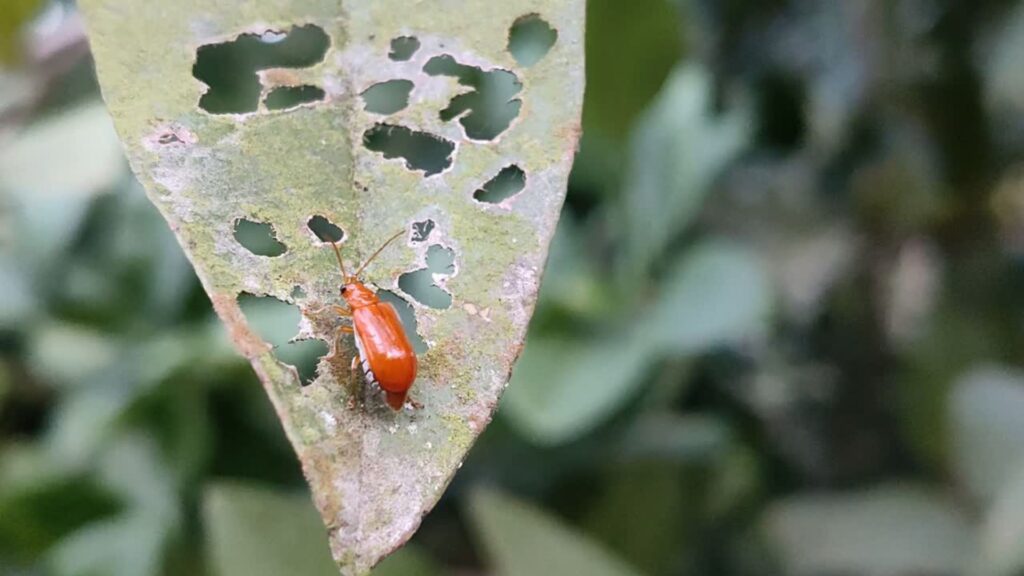
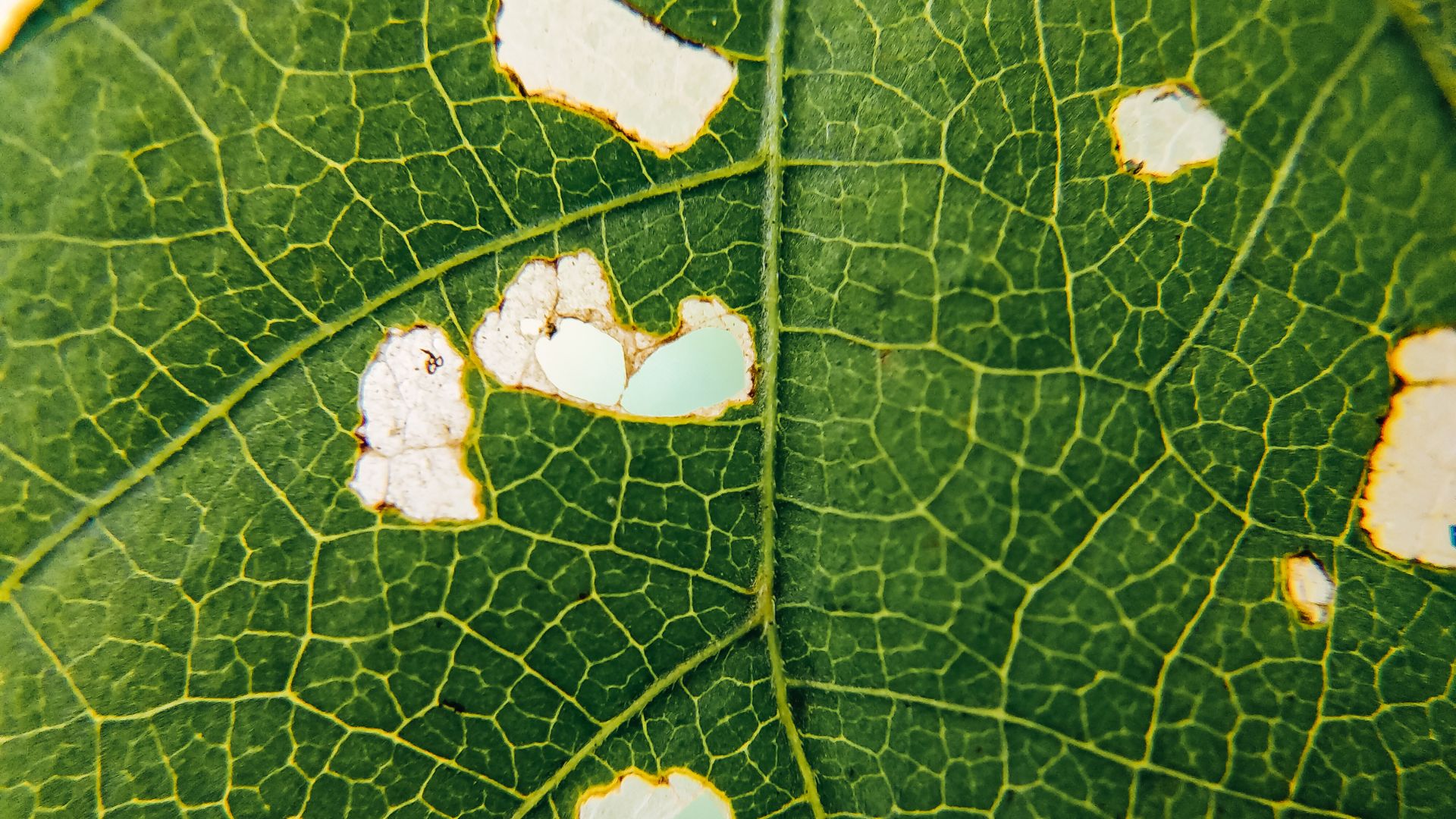
Spotting on leaves can be a sign of various problems, including fungal infections or pest damage. These dark or discolored spots may indicate that your plant is under stress, often due to environmental factors or disease. For example, leaf spot diseases caused by fungi can spread rapidly, leading to significant foliage loss. Meanwhile, wilting is another critical symptom that signals trouble. It typically arises from insufficient water, but can also indicate root damage or disease. Recognizing these symptoms early allows you to act swiftly, thus increasing the chances of recovery for your plants. Implementing proper irrigation techniques and monitoring for pests can greatly enhance plant resilience against these threats.
By understanding these early symptoms and their implications, you can take proactive steps to ensure the health of your plants. This knowledge not only empowers you to act quickly but also fosters a deeper appreciation for the complexities of plant care.
Case Studies: Early Plant Disease Symptoms Across Species
Recognizing early symptoms of plant disease across various species is essential for enhancing your approach to maintaining plant health. By dissecting specific case studies, we can illustrate how symptoms manifest and how timely interventions can lead to successful disease treatment. Each example highlights the importance of vigilance and knowledge in safeguarding your plants. Therefore, understanding these cases can arm you with the necessary insights to act swiftly when signs of distress appear. This proactive approach not only protects individual plants but also contributes to the overall health of your garden ecosystem.
Case Study 1: Tomato Plants
Tomato plants often face diseases like blight and wilt, which show early symptoms such as yellowing leaves and dark spots. For instance, early blight typically manifests as small, dark lesions on older leaves, which can easily be mistaken for nutrient deficiencies. Observing these symptoms early allows gardeners to implement immediate treatments, such as removing affected leaves and applying fungicides. Additionally, crop rotation can prevent the recurrence of blight in subsequent seasons, thereby reducing the risk of future outbreaks. Furthermore, maintaining proper watering practices and ensuring adequate sunlight can bolster plant resilience. Hence, understanding and identifying these early symptoms not only aids in effective disease treatment but also promotes overall plant health.
Case Study 2: Leafy Greens
Leafy greens, including spinach and lettuce, are particularly susceptible to diseases such as downy mildew and powdery mildew. Early symptoms often include white powdery spots or yellowing patches on the leaves. To illustrate, downy mildew can spread rapidly in humid conditions, making early detection crucial. Gardeners can treat affected plants with organic fungicides and ensure proper air circulation to reduce humidity. Moreover, practicing crop rotation and selecting resistant varieties can further enhance plant health. Additionally, implementing good sanitation practices, such as removing debris and weeds, can minimize disease pressure. Consequently, promptly addressing these initial symptoms can prevent extensive damage, ensuring a healthy harvest.
Case Study 3: Fruit Trees
Fruit trees, such as apple and peach, are also vulnerable to diseases like scab and brown rot. Early symptoms may include discolored leaves, premature leaf drop, or unusual fruit blemishes. For example, apple scab often appears as dark, olive-green spots on leaves, which can lead to significant yield loss if not addressed. Gardeners can manage these symptoms through regular pruning, maintaining air circulation, and applying appropriate fungicides. Additionally, monitoring weather conditions can help predict disease outbreaks, allowing for timely interventions. By understanding these early signs, gardeners can take proactive measures to protect their fruit trees and ensure a bountiful harvest.
By examining these case studies, it becomes evident that early detection and intervention are key to effective disease management. Observing early symptoms allows for timely actions that can protect your garden. Therefore, staying vigilant and informed is essential for any gardener aiming to sustain plant health and successfully treat diseases. This knowledge not only empowers you to act but also fosters a deeper connection with your plants, enhancing your overall gardening experience.
Preventive Measures for Plant Health
Maintaining plant health requires a proactive approach, and preventive measures play a crucial role in ensuring your garden remains vibrant and productive. By implementing various strategies, you can significantly reduce the risk of disease and pests. Not only do these measures enhance the overall health of your plants, but they also promote a more sustainable gardening practice. Home gardeners can adopt simple yet effective tips to safeguard their plants, ensuring they thrive throughout the growing season.
To assist you in this endeavor, we’ve compiled a table outlining some preventive measures along with their effectiveness. This concise reference can help you prioritize your plant health care efforts and make informed decisions about your gardening practices.
| Preventive Measure | Effectiveness |
|---|---|
| Regular watering schedule | High |
| Proper soil drainage | High |
| Crop rotation | Medium to High |
| Use of organic fertilizers | High |
| Pest monitoring | Medium |
| Mulching | Medium to High |
| Pruning and deadheading | High |
Routine Care for Healthy Plants
Routine care is essential for ensuring that your plants remain healthy and vigorous. For instance, watering your plants consistently helps maintain moisture levels in the soil, which is critical for root health. Additionally, proper soil drainage prevents waterlogging, reducing the risk of root rot and other diseases. Furthermore, implementing a regular fertilization schedule with organic options can provide essential nutrients, promoting robust growth and resilience against diseases. This ongoing attention to detail fosters a thriving garden environment, where plants can flourish without the fear of disease.
Identifying Risks in Your Garden
Identifying risks in your garden is equally important for effective plant health care. Regularly inspecting plants for signs of pests or disease allows you to take prompt action before issues escalate. Moreover, understanding your local climate and soil conditions can help you select the right plants for your garden, thereby reducing the likelihood of disease. Consequently, maintaining an awareness of these factors empowers you to create a more resilient garden, ultimately enhancing your success as a home gardener.
Additionally, employing pest monitoring techniques, such as using sticky traps or visual inspections, can help you catch infestations early. By being proactive, you can implement preventive measures, such as introducing beneficial insects or using organic pesticides, to manage pests effectively. Thus, a comprehensive understanding of your garden’s ecosystem will allow you to cultivate a healthier environment for your plants.
Sustainable Practices for Long-Term Health
Incorporating sustainable practices into your gardening routine can yield long-term benefits for plant health. For example, crop rotation not only helps prevent soil depletion but also disrupts the life cycles of pests and diseases. Similarly, mulching can conserve moisture and suppress weed growth, creating a more favorable environment for your plants. By adopting these practices, you contribute to a healthier ecosystem while ensuring that your garden remains productive and vibrant throughout the seasons.
The Role of Botany in Disease Management
The integration of botanical sciences into disease management is paramount for cultivating healthy plants. Through the study of plant pathology, gardeners and farmers can better understand the complex interactions between plants and pathogens. This knowledge empowers them to implement effective botanical disease management strategies, thereby reducing the likelihood of crop loss and enhancing overall plant health. Indeed, a solid grasp of plant diseases not only aids in early detection but also informs treatment options that are both effective and sustainable.
Moreover, understanding the ecological balance within a garden or farm can lead to more resilient plant systems. By recognizing how various factors, such as soil health and climate, influence plant diseases, practitioners can adopt a holistic approach to disease management. This comprehensive understanding is essential for long-term success in agriculture and gardening.
Understanding Plant Pathology
To effectively manage plant diseases, one must first understand the basics of plant pathology. This field examines the causes of diseases in plants, including fungi, bacteria, viruses, and environmental stressors. By recognizing the specific pathogens affecting their plants, gardeners can tailor their management practices accordingly. For instance, if a gardener identifies a fungal infection, they can select appropriate fungicides or adopt cultural practices that discourage fungal growth. Consequently, this targeted approach minimizes the risk of disease spread, allowing plants to thrive. Additionally, understanding the life cycles of these pathogens can further enhance management strategies, enabling gardeners to anticipate and mitigate potential outbreaks.
Integrating Science into Gardening
Furthermore, integrating scientific knowledge into gardening practices is essential for successful disease management. Utilizing techniques such as crop rotation and companion planting can create a more resilient garden ecosystem. For example, rotating crops helps disrupt the life cycles of pathogens, thereby reducing their prevalence. Additionally, companion planting can enhance plant health by attracting beneficial insects or repelling pests. This strategic approach not only improves plant vitality but also fosters biodiversity within the garden. Thus, gardeners should actively seek out resources and educational opportunities to deepen their understanding of plant pathology. This proactive stance not only fosters healthier plants but also promotes an environmentally friendly approach to gardening. By embracing these scientific principles, gardeners can cultivate a thriving environment that minimizes disease impact while maximizing productivity.
Practical Tips for Home Gardeners
Practical gardening requires a proactive approach, especially when it comes to preventing plant diseases. By staying informed about symptom identification in plants, you can catch issues before they escalate. First, pay close attention to your plants’ appearance and behavior. Look for yellowing leaves, wilting, or unusual growth patterns. If you notice any of these early signs, it’s essential to act quickly. For instance, moving affected plants away from healthy ones can help prevent disease spread, thereby protecting your entire garden. Additionally, maintaining optimal growing conditions—such as appropriate light, water, and nutrients—can bolster your plants’ resilience against diseases.
Regular Monitoring and Inspection
Regular monitoring and inspection play a crucial role in maintaining plant health. Take the time to walk through your garden at least once a week. During these visits, examine each plant for signs of distress or disease. For example, inspect the undersides of leaves, where pests often hide, and assess soil moisture levels. Moreover, keeping a gardening journal can help you track changes over time, making it easier to identify patterns or recurring issues. Consequently, this habit fosters early symptom identification in plants, allowing you to take timely corrective actions. Furthermore, consider using a magnifying glass to spot tiny pests or early signs of fungal infections that might otherwise go unnoticed.
Using Natural Remedies
When you encounter early plant disease symptoms, consider using natural remedies as a first line of defense. For instance, a mixture of water and baking soda can help treat fungal infections, while neem oil is effective against various pests. Additionally, introducing beneficial insects, like ladybugs, can naturally combat aphids and other pests without harming your plants. To illustrate, if you spot powdery mildew, applying a diluted milk solution can reduce its spread. Thus, these natural treatments not only address issues but also promote a healthier garden ecosystem. Remember, knowing how to treat early plant disease symptoms can make all the difference in preserving your garden’s vitality. Moreover, integrating companion planting can further enhance your garden’s defenses, as certain plants can deter pests or attract beneficial insects.
Educating Yourself on Plant Health
To effectively manage your garden, it is vital to continuously educate yourself about plant health and disease management. Attend local gardening workshops or join online forums where you can exchange knowledge with fellow gardeners. Furthermore, familiarize yourself with common diseases that affect your specific plants, as this knowledge will empower you to act swiftly. For example, understanding the life cycle of pests can help you time your interventions more effectively. By investing time in learning about best practices and emerging trends in plant care, you can enhance your gardening skills and ensure a thriving, disease-resistant garden.
Bringing It All Together
Bringing It All Together
To summarize, recognizing the early symptoms of plant disease is essential for maintaining the vitality of your garden or farm. By being aware of signs such as yellowing leaves, wilting plants, and unusual spots on foliage, you equip yourself to act swiftly and effectively. This proactive approach not only safeguards your plants but also enhances the overall health of your growing environment. For example, timely intervention can prevent the spread of diseases like powdery mildew or root rot, which can devastate entire crops if left unchecked.
Furthermore, understanding the importance of early detection can save you time and resources. Addressing plant disease in its infancy allows for more effective, less invasive treatment options, ultimately promoting a sustainable gardening practice. Therefore, don’t wait for symptoms to worsen; make it a habit to regularly inspect your plants. Additionally, consider keeping a gardening journal to track any changes in plant health, which can help you identify patterns and potential issues more easily.
Ultimately, empowering yourself with knowledge about early symptoms is the key to successful plant care. I encourage you to take immediate action by monitoring your plants closely and implementing preventive measures. By doing so, you will foster a thriving garden that can withstand various challenges. Lastly, as we continue to understand plant diseases better, staying informed will ensure that your green spaces remain vibrant and healthy for years to come. This commitment to vigilance and education will not only benefit your plants but also contribute to a more resilient ecosystem overall.