Identifying and eliminating common pests is essential for maintaining a healthy and comfortable home environment. Whether you’re dealing with tiny ants invading your kitchen or larger rodents lurking in your attic, knowing how to identify pests is the first step toward effective pest control. By understanding the signs of an infestation, such as droppings, gnaw marks, or unusual noises, you can take proactive measures to protect your space from unwanted invaders.
This comprehensive guide will explore various methods to help you accurately identify pests and provide practical strategies to eliminate them efficiently. Additionally, we will delve into common types of pests, their behaviors, and the most effective treatments available, including both chemical and natural solutions. Moreover, we will discuss preventative measures to ensure that your home remains pest-free in the long term. By the end of this article, you will be equipped with the knowledge needed to tackle pest problems head-on and maintain a safe, comfortable living space.
Understanding How to Identify Common Household Pests
Accurate pest identification is crucial for effectively managing household invaders. Knowing which common pests are causing trouble in your home enables you to choose the right treatment methods. For example, some pests, like termites, can cause significant structural damage if not dealt with promptly, while others, such as cockroaches, may pose serious health risks due to their association with allergens and pathogens. Therefore, understanding what you’re dealing with can save you time, effort, and money in the long run. Moreover, proper identification allows you to tailor your pest control strategies, ensuring a more effective and sustainable approach to pest management.
Recognizing Common Pests
When identifying common pests, it’s essential to understand their distinct characteristics. For instance, ants are typically small, social insects that travel in trails, often leading to food sources. In contrast, cockroaches are larger, with a shiny, brown appearance and a tendency to hide during the day, making them harder to spot. Similarly, rodents like mice and rats can be recognized by their droppings, gnawed materials, and unusual noises at night. To illustrate, mice tend to leave behind small, pellet-like droppings, while rat droppings are larger and more cylindrical. By familiarizing yourself with these traits, you can more easily spot the specific pests invading your home. Additionally, many pests leave behind distinctive signs, such as webs from spiders or shed skins from insects, that can aid in their identification, helping you to take action sooner.
Signs of Infestation
Detecting the signs of infestation is vital for timely intervention. For example, if you notice small holes in your food packaging, it could indicate a pantry moth or beetle presence, which can quickly lead to a larger problem. Additionally, droppings found in corners or under sinks often suggest rodents have taken up residence, while grease marks along walls may indicate a larger infestation of cockroaches. Furthermore, unusual scratching sounds in walls or ceilings may point to larger pests, such as raccoons or squirrels, nesting in your attic. To illustrate, if you find dark, smudged marks along walls or surfaces, these could be evidence of mice. Therefore, keeping an eye out for these signs can help you address pest issues before they escalate into more significant problems.
In summary, effective pest identification involves recognizing the characteristics of common pests and understanding the signs of infestation. By doing so, you can take proactive steps to safeguard your home from unwanted guests. Consequently, this knowledge not only empowers you to act swiftly but also enhances your overall home maintenance strategy, ensuring a healthier living environment for you and your family.
Common Pests and Their Control Methods
Understanding how to effectively eliminate pests requires knowledge of the various pest control methods available. Each method comes with its own benefits and drawbacks, making it essential to evaluate your specific situation before deciding on an approach. In this section, we will compare several common pest control techniques to help you make an informed decision. The table below summarizes the effectiveness of these methods, allowing you to see at a glance which techniques might work best for your pest problem.
Pest Control Techniques Overview
There are several ways to eliminate pests, ranging from chemical treatments to natural solutions. Chemical pest control methods often involve insecticides and pesticides that can quickly kill pests. However, they may have adverse effects on the environment and non-target species, including beneficial insects and local wildlife. For instance, while a chemical spray might effectively eliminate a wasp nest, it could also harm pollinators like bees. On the other hand, natural methods, such as using essential oils or diatomaceous earth, are often safer for the ecosystem but may require more time to see results. Additionally, preventative measures, such as sealing entry points and maintaining cleanliness, can be very effective in reducing pest populations over time. These strategies not only deter pests but also create an inhospitable environment for them.
Choosing the Right Method
When it comes to selecting the right pest control method, several factors should be considered. First, evaluate the type of pest you are dealing with and the extent of the infestation. For example, a minor ant problem may be effectively managed with bait traps, while a more severe rodent infestation might necessitate professional intervention. Moreover, consider your living environment, including whether you have pets or children, as this may influence your choice of chemical versus natural methods. In some cases, a combination of techniques might be most effective. For instance, using traps alongside preventative measures can yield better long-term results. Therefore, understanding the pros and cons of each method can help you eliminate pests effectively while maintaining a safe home environment.
| Pest Control Method | Effectiveness | Pros and Cons |
|---|---|---|
| Chemical Insecticides | High | Fast acting; can cover large areas; however, may harm beneficial insects and pose health risks. |
| Natural Remedies | Moderate | Safer for pets and humans; but often slower to show results and may not eliminate all pests. |
| Traps (Sticky, Bait) | High | Effective for rodents and insects; however, may require frequent monitoring and disposal. |
| Preventative Measures | Moderate to High | Reduces likelihood of infestations; yet, they require ongoing effort and can be overlooked. |
| Integrated Pest Management (IPM) | High | Combines multiple strategies for long-term control; however, it requires knowledge and commitment. |
In summary, understanding the strengths and weaknesses of various pest control methods is crucial for effectively eliminating pests. By carefully considering your specific situation and the type of pests you’re dealing with, you can choose the most appropriate methods to maintain a pest-free home. Whether opting for chemical treatments, natural solutions, or preventative strategies, informed decisions will lead to better outcomes in managing pest issues. Additionally, staying updated on the latest pest control innovations and techniques can further enhance your ability to tackle infestations as they arise. This proactive approach not only ensures immediate relief but also contributes to long-term pest management success.
Safe Removal Techniques for Homes
Using safe removal techniques is essential for maintaining a healthy home environment. By opting for safe and eco-friendly pest solutions, you not only protect your family and pets but also support the ecosystem. Many traditional pest control methods involve harsh chemicals that can be harmful to humans and the environment. Therefore, adopting safer alternatives is crucial. Moreover, understanding and implementing various removal strategies can empower homeowners to tackle infestations effectively while minimizing risks. This section will explore various safe removal techniques, focusing on eco-friendly pest removal and DIY pest control solutions.
Eco-Friendly Pest Removal
Eco-friendly pest removal focuses on using natural methods and products that are less harmful to the environment. For instance, diatomaceous earth, a powder made from fossilized algae, is an effective way to eliminate pests like bedbugs and cockroaches. It works by dehydrating insects upon contact, making it a safe choice for households with children and pets. Additionally, essential oils such as peppermint and tea tree oil can deter pests without the need for toxic pesticides. To illustrate, mixing these oils with water and spraying them around entry points can create a barrier against unwanted guests. Furthermore, using vinegar and water as a cleaning solution can help eliminate pheromone trails left by ants, discouraging their return. Consequently, these eco-friendly pest solutions ensure that you can manage infestations while being kind to both your home and the planet.
DIY Pest Control Solutions
Many homeowners are turning to DIY pest control solutions, which can be both effective and safe. First, sealing cracks and crevices in your home is a simple yet powerful measure to prevent pest entry. Using caulk or weather stripping can cut off access points and reduce the likelihood of infestations. Additionally, traps made from simple household items can help catch pests without using harmful substances. For example, a mixture of sugar and baking soda can lure ants, while a bowl of soapy water can trap fruit flies. Moreover, maintaining a clean and clutter-free home is vital. Regularly disposing of food scraps and storing items properly will discourage pests from making your home theirs.
Furthermore, incorporating natural repellents, such as citrus peels or garlic, can enhance your pest control efforts. These substances not only repel pests but also leave your home smelling fresh. By adopting these DIY strategies, you can achieve safe removal and ensure your living space remains comfortable and pest-free. Ultimately, these methods empower homeowners to take control of their pest problems while promoting a healthier living environment.
Case Studies: Successful Pest Management Strategies
Case Studies: Effective Strategies for Pest Management
Successful pest management strategies often arise from real-world case studies that demonstrate effective responses to infestations. By examining these examples, homeowners and pest control professionals can gain valuable insights into pest biology and behavior, which inform better management practices. Whether dealing with an unusual ant invasion or a persistent rodent problem, understanding the specifics of each situation is crucial for developing tailored solutions. Moreover, these case studies underscore the importance of comprehensive approaches that extend beyond immediate fixes, thereby ensuring lasting results.
Real-Life Infestation Cases
One notable case involved a residential property plagued by carpenter ants, a species notorious for their damaging habits. Initially, homeowners noticed small piles of sawdust near wooden structures, indicating an infestation. Consequently, pest control experts conducted a thorough inspection and identified nests within the walls. They implemented a combination of baiting and targeted insecticide applications, effectively eliminating the ants. However, to prevent future infestations, the team also recommended sealing potential entry points and reducing moisture levels around the property. This case illustrates how understanding pest biology and behavior can lead to effective pest management solutions.
Another example is a commercial kitchen that experienced a severe cockroach infestation. Staff reported sightings during peak hours, raising significant health concerns. The pest management team conducted a comprehensive assessment and discovered multiple entry points and food debris attracting the pests. To tackle the issue, they employed a multi-faceted approach, including sanitation improvements, sealing gaps, and strategically placed traps. Furthermore, they provided training for staff on maintaining cleanliness to deter future infestations. This case emphasizes the necessity of integrating pest management strategies with ongoing maintenance practices, especially in environments where hygiene is paramount.
Lessons Learned from Pest Control Experiences
From these real-life cases, several lessons emerge that can guide effective pest management strategies. First, proactive measures, such as regular inspections and preventive treatments, are critical for averting potential infestations. Homeowners should familiarize themselves with common signs of pest activity, enabling early detection and intervention. Additionally, understanding the specific biology and behavior of pests allows for the implementation of targeted control measures that address the root causes of infestations.
Moreover, collaboration between pest control professionals and clients fosters better outcomes. For instance, educating clients about potential risks and encouraging their participation in pest management can significantly enhance effectiveness. Similarly, documenting and analyzing pest occurrences can lead to the development of more efficient strategies over time. By learning from both successes and failures, individuals can refine their approach to pest management, thereby ensuring their homes remain safe and pest-free.
Emphasizing Sustainable Pest Management Practices
Ultimately, successful pest management strategies stem from a blend of knowledge and practical application. By studying real-life infestation cases and reflecting on lessons learned, homeowners can adopt a more informed approach to pest control. Consequently, they not only address current issues but also equip themselves with the tools necessary to prevent future problems. Understanding pest biology and behavior is key to developing sustainable pest management strategies that ensure long-term success. Therefore, by integrating these insights into everyday practices, individuals can create a healthier living environment while effectively managing pest challenges.
Visual Guide for Quick Pest Identification
Visual aids can significantly enhance your ability to identify common pests quickly. Having a visual reference at hand allows you to compare what you see in your home with images of known pests. This method not only aids in accurate identification but also helps determine the most effective treatment options. In this section, we will provide a comprehensive table that serves as your pest identification guide. By using this table, you can easily recognize the most common pests and take appropriate action. Consequently, you will be better equipped to address pest issues promptly and effectively.
Identifying Pests by Appearance
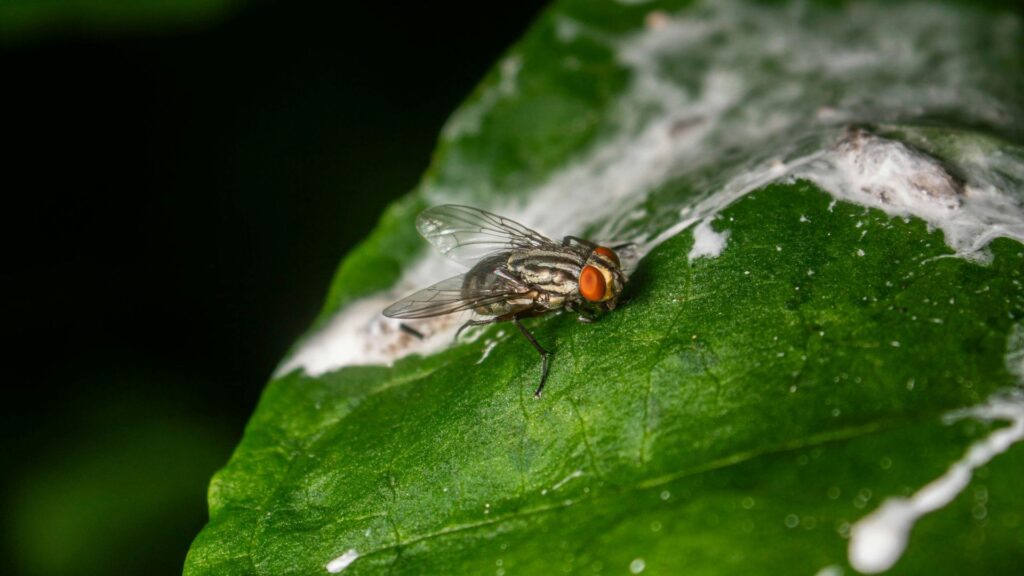
Pest identification often begins with their physical characteristics. For example, bed bugs are small, reddish-brown insects that are flat and oval-shaped, making them easy to overlook in bedding. Conversely, termites have a more elongated body and can often be found in wood or near their nests. Additionally, fruit flies are small and typically have a tan or yellow body with red eyes, which makes them distinct from other flying insects. Understanding these visual traits will help you distinguish between various pests, ensuring you address the right problem before it escalates.
Behavioral Signs of Infestation
In addition to their appearance, the behavior of pests provides critical clues for identification. For instance, if you notice tiny holes in your food packaging or small droppings near your pantry, you may be dealing with pantry pests like weevils. Cockroaches, however, are nocturnal and tend to scurry when exposed to light, indicating their presence. Moreover, rodents often leave behind distinctive trails of droppings and gnawed materials. By observing these behavioral signs, you can confirm the type of pest and take the necessary steps to eliminate them effectively.
Comprehensive Pest Identification Table
Using the following table as a reference will make identifying common pests much simpler. Consequently, you can quickly move to the next steps in your pest control strategy, ensuring a more effective response to your pest problems. Thus, the combination of visual characteristics and behavioral signs creates a robust pest identification guide for any homeowner.
| Pest Type | Appearance | Behavioral Signs |
|---|---|---|
| Ants | Small, segmented body | Trails leading to food sources |
| Cockroaches | Shiny, brown, oval shape | Nocturnal, scurry when disturbed |
| Termites | Elongated, soft body | Wood damage, mud tubes |
| Bed Bugs | Flat, oval, reddish-brown | Bites on skin, blood stains on sheets |
| Fruit Flies | Small, tan/yellow body | Hovering around ripe fruits |
| Rodents | Small, furry, pointed nose | Gnawed materials, droppings |
| Pantry Pests | Varies (often small) | Holes in food packaging |
Next Steps in Pest Control
After identifying the pests in your home, it is crucial to take immediate action. Therefore, you should consider various treatment options tailored to the specific pests you are dealing with. For instance, chemical treatments may be effective for certain infestations, while natural solutions might be preferable for others. Additionally, implementing preventative measures, such as sealing entry points and maintaining cleanliness, can help keep your home pest-free in the long term. By combining identification with appropriate action, you can effectively manage and eliminate pest problems.
Home Pest Prevention Tips
Preventing pests in your home requires a proactive approach. By implementing effective home pest prevention techniques, you can significantly reduce the likelihood of infestations. These strategies not only protect your living space but also contribute to your overall peace of mind. Remember, the goal is to maintain a pest-free environment through diligent practices and consistent monitoring. Consequently, understanding and applying pest management strategies is essential for long-term success. Moreover, being aware of the specific pests that commonly invade homes can help tailor your prevention efforts more effectively.
Preventive Measures for Homes
First and foremost, regular home maintenance is critical. Sealing cracks and crevices around windows and doors can prevent pests from entering your home. Additionally, keep gutters clean and ensure that there are no standing water sources, as these attract pests like mosquitoes. For example, even a small puddle can become a breeding ground for these insects. Moreover, storing food in airtight containers is a simple yet effective preventive measure. This practice can deter pantry pests such as moths and weevils from infesting your supplies. Similarly, trimming back shrubs and trees away from your home can reduce pest access points, making it harder for them to find shelter near your dwelling. Furthermore, consider installing screens on windows and doors to provide an additional barrier against unwanted insects.
Maintaining a Pest-Free Environment
Furthermore, maintaining a clean environment is vital in your pest prevention efforts. Regularly vacuuming and sweeping floors will eliminate crumbs and debris that attract pests. Indeed, paying attention to high-risk areas, such as kitchens and dining rooms, is particularly important. Additionally, using natural repellents like essential oils can deter pests without harmful chemicals. For instance, peppermint oil is known to repel spiders and mice, while citronella can help keep mosquitoes at bay. Consequently, incorporating these natural options into your routine can be both effective and safe for your family.
Moreover, consider scheduling routine pest inspections with professionals. This proactive approach allows for early detection and intervention, ultimately leading to a healthier and pest-free home environment. To illustrate, a professional can identify potential problem areas that you may overlook, ensuring that your preventive measures are comprehensive. Lastly, educating your family about pest prevention practices can foster a collective effort in maintaining a pest-free home, reinforcing the importance of cleanliness and vigilance in everyday activities.
Your Action Plan for Pest Control Success
Your action plan for pest control success relies heavily on the knowledge you have gained about identifying and eliminating common pests. By understanding the specific characteristics and behaviors of these pests, you can quickly pinpoint the intruders in your home. This comprehension is vital for implementing effective methods to eliminate garden pests and ensure your living space remains healthy and comfortable.
To illustrate, timely identification serves as the first step in bug removal. Once you know what you’re dealing with, you can utilize various strategies, ranging from natural remedies to professional treatments, tailored to the specific pests invading your home. Therefore, take the insights from this guide and begin applying them in your own pest control efforts.
Moreover, don’t hesitate to reach out to pest control professionals if the infestation feels overwhelming. They can provide expert assistance and advanced methods to eliminate garden pests effectively. Consequently, their knowledge can help you address even the most challenging pest problems.
As you embark on your pest control journey, remember that prevention is just as important as elimination. By maintaining cleanliness and addressing potential entry points, you can significantly reduce the likelihood of future infestations. Additionally, regularly inspecting your home for signs of pests can help you catch problems early. Equip yourself with this knowledge, and take proactive steps today for a pest-free tomorrow!
Watch the Video

Maurice Buffer is a plant care researcher and horticulture writer at Flinkool. He focuses on plant health, pest prevention, and practical cultivation techniques that help gardeners grow healthier plants.