Identifying early warning signs of garden diseases is crucial for any gardener looking to maintain a healthy and thriving landscape. Garden diseases can quickly spread and devastate your plants if not caught early, leading to wasted time, resources, and effort. For instance, a single infected leaf can lead to an entire plant’s demise if left unchecked. By being vigilant and recognizing these signs, you can take proactive measures to protect your garden and ensure its vitality.
In this article, we will explore common early warning signs of garden diseases, enabling you to spot potential issues before they escalate into larger problems. Additionally, we will discuss practical tips and strategies to help you manage and prevent these diseases, ensuring that your garden remains lush and productive. Furthermore, understanding these signs will empower you to take the necessary actions, ultimately leading to a more resilient garden that can withstand various challenges. By fostering this knowledge, you can cultivate a flourishing environment for your plants.
Understanding Garden Diseases: Early Warning Signs
Recognizing early warning signs of garden diseases can significantly impact the health and vitality of your plants. These signs often manifest in various forms, including changes in color, texture, or overall vigor of the plants. For example, yellowing leaves or wilting can indicate a range of issues, from nutrient deficiencies to root rot. Additionally, spotting unusual spots or lesions on leaves can signal the onset of fungal or bacterial infections. Therefore, staying observant and educated about these symptoms is essential for any gardener. By understanding these early warning signs, you can take timely action, potentially saving your plants from severe damage.
Moreover, the ability to identify these symptoms early allows gardeners to implement preventive measures and treatments effectively. For instance, if you notice leaves developing a mottled appearance, it could suggest a viral infection, which requires immediate attention to prevent further spread. Similarly, if you observe a sudden drop in flowering or fruit production, it may indicate stress factors that need to be addressed. Thus, being proactive in monitoring your plants can lead to a more successful gardening experience.
Common Symptoms of Garden Diseases
There are several common symptoms of plant diseases that gardeners should watch for. First, leaf discoloration is a frequent indicator; yellowing leaves may suggest nutrient deficiencies or disease. Furthermore, wilting, even when soil moisture is adequate, can indicate root problems or environmental stress. Additionally, you might notice stunted growth, which often points to underlying issues affecting the plant’s ability to thrive. To illustrate, black spots on leaves often signal fungal infections, while powdery mildew appears as a white, dusty coating. Likewise, the presence of webbing on leaves can indicate spider mites, a common pest that can lead to significant damage if not addressed. By familiarizing yourself with these symptoms, you’ll be better equipped to identify potential threats and take appropriate action.
Importance of Early Detection
Early detection of garden diseases is crucial for effective management. When you catch symptoms early, you can implement solutions before the problem escalates, saving both time and resources. Moreover, timely interventions can prevent the disease from spreading to neighboring plants, thereby preserving the overall health of your garden. Consequently, maintaining a regular inspection routine becomes essential. For instance, if you notice any unusual symptoms, it can be beneficial to learn how to diagnose plant diseases to determine the appropriate course of action. Furthermore, for more detailed examples of symptoms and affected plants, you can check out 5 Common Garden Plant Diseases You Need To Know! By being proactive, you can ensure your garden remains resilient and flourishing. Ultimately, the knowledge of early warning signs empowers you to cultivate a thriving garden, ready to withstand various challenges.
Key Symptoms of Common Garden Diseases
Identifying the key symptoms of common garden diseases is essential for any gardener aiming to maintain a thriving garden. By recognizing these symptoms early, you can take swift action to mitigate potential damage. This knowledge not only helps preserve your plants but also ensures that your garden remains productive throughout the growing season. Symptoms can vary widely depending on the disease; however, many share similar characteristics that can be easily identified by attentive gardeners.
In the following sections, we will explore specific symptoms to watch for and provide a comparative analysis that highlights the differences and similarities among various garden diseases. This information will empower you to take informed steps toward effectively treating early symptoms.
Key Symptoms of Common Garden Diseases
When inspecting your garden, focus on several key symptoms that could indicate the presence of common garden diseases. For instance, leaf discoloration is a widespread sign of distress; yellowing leaves may indicate nutrient deficiencies, while browning edges can suggest overwatering or root rot. Moreover, if your plants show signs of wilting despite adequate moisture, this often points to root issues or environmental stress. Additionally, stunted growth can be a red flag that something is amiss, whether due to disease or pests.
Comparative Analysis of Disease Symptoms
To better understand the various symptoms associated with common garden diseases, the following table compares key signs of different diseases. This comparison can help you quickly identify the issues affecting your plants.
| Disease | Key Symptoms |
|---|---|
| Powdery Mildew | White, powdery spots on leaves |
| Root Rot | Wilting, yellowing, and mushy roots |
| Fungal Leaf Spot | Dark spots with yellow halos |
| Downy Mildew | Yellowing leaves with fuzzy mold |
| Bacterial Wilt | Sudden wilting and leaf drop |
The table above illustrates that while symptoms may overlap, distinct characteristics can guide you in diagnosing the specific issue affecting your plants. For example, powdery mildew typically presents as a white coating, whereas root rot manifests in wilting and mushy roots. By familiarizing yourself with these signs, you can make quicker decisions to address the problems at hand. Consequently, this can lead to effective treatment of early symptoms, ensuring that your garden can recover and thrive. For more detailed guidance, check out effective treatment of early symptoms.
Growth Changes: A Sign of Garden Diseases
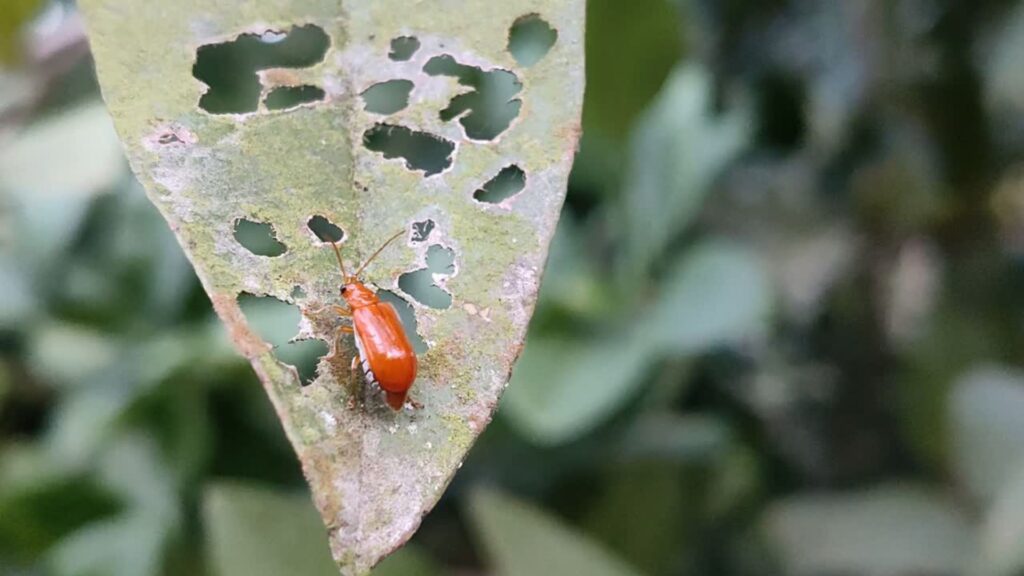
Growth changes in plants are often early indicators of underlying diseases that can jeopardize their health and vitality. When you notice variations in growth patterns—such as stunted growth, wilting, or even excessive leggy growth—these are clear signs that something might be amiss. For instance, a plant that typically grows robustly may suddenly show signs of slowing down or becoming spindly. Such changes can often signify issues like nutrient deficiencies, root problems, or even pest infestations. Therefore, being attentive to these growth changes is key for any gardener aiming to maintain a healthy garden. Moreover, understanding the specific causes behind these changes can help you implement targeted solutions, ensuring your plants thrive.
Identifying Growth Changes
When identifying growth changes, it’s essential to observe your plants regularly. Look for signs like leaf yellowing, which often points to nutrient deficiencies, or distorted leaves that might indicate viral infections. Additionally, if you notice that your plants are not producing new growth as expected, it could be a sign of root rot or other systemic issues. For example, a tomato plant that usually flourishes might begin to show signs of wilting despite adequate watering. Furthermore, changes in leaf texture, such as becoming brittle or soft, can also signal underlying problems. By noting these changes early on, you can take appropriate actions to address them and protect your garden. Regular monitoring not only helps in identifying issues but also fosters a deeper connection with your plants, enhancing your gardening experience.
Impact on Plant Health
Growth changes have a significant impact on overall plant health. When plants experience stunted growth or other abnormalities, their ability to photosynthesize and absorb nutrients diminishes. Consequently, this leads to weakened plants that are more susceptible to pests and diseases. Additionally, when a plant is not growing properly, it may struggle to produce flowers or fruits, ultimately affecting the yield. This cascade of issues underscores the importance of monitoring growth changes closely. For instance, a struggling cucumber plant may not only yield fewer cucumbers but may also become a breeding ground for pests like aphids. Therefore, addressing growth changes promptly can prevent a small issue from escalating into a larger problem. By staying informed and proactive, you can ensure your plants maintain their health and vigor despite potential challenges. For further insights on recognizing specific symptoms, you can check out How to Spot 5 Common Plant Diseases and Keep Your Garden …. This knowledge empowers you to cultivate a flourishing environment for your plants, ultimately leading to a more resilient garden.
Color Changes in Foliage: Indicators of Disease
Color changes in foliage are among the most telling early signs of plant disease. Gardeners should remain vigilant for these visual cues, as they can indicate underlying issues that may threaten the health of your plants. For instance, sudden yellowing of leaves often alerts you to nutrient deficiencies or stress factors, while browning edges can signal drought or other environmental stresses. Recognizing these color changes early allows for timely intervention, which can save your plants from further damage. Therefore, observing your garden regularly is essential for maintaining plant health and ensuring that any potential problems are addressed before they escalate.
Moreover, understanding the context of these color changes can enhance your ability to diagnose issues effectively. Different plants may exhibit varying responses to stress, and factors such as soil composition, water availability, and light exposure can all influence foliage color. Consequently, keeping a detailed garden journal to track these variables can help you correlate specific symptoms with their causes. This proactive approach not only aids in identifying problems but also fosters a deeper connection with your garden, allowing you to respond more intuitively to its needs.
Understanding Color Changes
Color changes in foliage often reflect the plant’s response to stress or disease. For example, leaves that turn yellow may indicate a lack of nitrogen in the soil, a condition known as chlorosis. Conversely, if leaves exhibit a purplish hue, it can be a sign of phosphorus deficiency. Additionally, changes in color can occur due to diseases such as downy mildew, which may cause leaves to develop a yellowish appearance with dark patches. Thus, understanding the significance of these color changes can empower you to act swiftly and effectively, potentially saving your plants from irreversible damage.
Common Color-Related Symptoms
Several color-related symptoms can indicate specific diseases affecting your plants. Yellow leaves, as mentioned previously, are a common symptom, often pointing to nutrient deficiencies or root problems. Similarly, red or purple discoloration may suggest poor phosphorus uptake, while brown spots or edges could indicate diseases like bacterial leaf blight. Moreover, a sudden loss of vibrant green color can be a sign of viral infections. Recognizing these symptoms can help you diagnose issues early on, allowing for prompt treatment. Consequently, regularly inspecting your plants for these color changes is crucial for maintaining a healthy garden. Additionally, understanding the interconnectedness of these symptoms can enhance your overall gardening strategy, leading to more resilient plants that can better withstand environmental challenges.
Vigor Loss: Recognizing the Signs
Vigor loss in plants is a critical issue that can significantly hamper their growth and productivity. It’s essential for gardeners to recognize the signs of vigor loss early, as this can help prevent more severe problems down the line. Vigor loss can result from various factors, including diseases, pests, and environmental stressors. For example, extreme temperatures, poor soil conditions, and inadequate watering can all contribute to a plant’s decline. By identifying these signs promptly, you can implement disease prevention strategies to safeguard your garden’s health and ensure that your plants thrive.
In the following sections, we’ll discuss some common signs of vigor loss and offer tips on how to prevent it. Understanding these elements will allow you to maintain a thriving garden and ensure that your plants remain robust and vibrant. Moreover, being proactive in your approach can save you time and resources, ultimately leading to a more fruitful gardening experience.
Signs of Vigor Loss
Identifying vigor loss in your plants requires careful observation and attention to detail. First, stunted growth is a clear indicator that something is amiss; plants that fail to reach their expected height or size may be suffering from nutrient deficiencies or root issues. Additionally, yellowing leaves can suggest a lack of essential nutrients or the presence of disease, particularly nitrogen deficiency or chlorosis. Another critical sign is wilting or drooping, which often indicates insufficient water or root damage, possibly due to pests or diseases affecting the root system. Lastly, if you notice an unusual number of pests or diseases affecting your plants, this could also signify underlying vigor loss. Thus, being proactive in identifying these symptoms is vital for effective garden management. Regularly inspecting your plants and keeping a gardening journal can help you track changes over time, making it easier to spot issues early.
Preventing Vigor Loss in Plants
To combat vigor loss, implementing preventive measures is crucial. Below are some effective techniques that can help maintain plant health and prevent disease spread effectively.
| Prevention Technique | Description |
|---|---|
| Regular Soil Testing | Evaluate nutrient levels and pH for optimal growth, ensuring that your plants receive the necessary elements for thriving. |
| Proper Watering Practices | Ensure consistent moisture without overwatering, as both extremes can lead to stress and disease susceptibility. |
| Crop Rotation | Diversify plant types to prevent soil depletion and disease, as rotating crops can disrupt pest and pathogen life cycles. |
| Pest Management | Use integrated pest management to control harmful insects, incorporating biological controls and organic pesticides when necessary. |
| Disease Resistant Varieties | Select plants bred for resilience against common diseases, which can significantly reduce the likelihood of vigor loss. |
These techniques are not only practical but also essential for ensuring the long-term health of your garden. By implementing them, you can mitigate the risks associated with vigor loss and promote better growth. Therefore, staying proactive and informed will lead to a more flourishing landscape. Additionally, consider engaging with local gardening communities or online forums to share experiences and gain insights into effective practices. For more comprehensive strategies, consider reviewing additional resources to prevent disease spread effectively. By fostering a culture of knowledge and support, you can cultivate a thriving environment for your plants.
Steps for Diagnosing Garden Diseases
Diagnosing garden diseases can seem daunting; however, with a systematic approach, you can accurately identify problems affecting your plants. First, observe your garden regularly. Take note of any changes in your plants, such as wilting, discoloration, or unusual growth patterns. By documenting these symptoms, you create a baseline that can help pinpoint the issue. Moreover, consider environmental factors like recent weather changes, which can significantly influence plant health. For instance, prolonged rain can lead to fungal diseases, while drought conditions may stress plants, making them more susceptible to pests. Paying attention to these elements sets the stage for effective plant disease diagnosis and fosters a proactive gardening strategy.
Diagnosis Process
The diagnosis process involves several critical steps. Start by isolating affected plants to prevent disease spread, as this can help contain the issue and protect healthy plants. Next, examine the symptoms closely, identifying their specific characteristics. For example, look for leaf spots, wilting, or unusual growth patterns. Then, research potential diseases that match these symptoms. Use reputable gardening resources or consult local extension services for guidance. Additionally, consider the age and variety of your plants, as certain species are more susceptible to specific diseases. This comprehensive approach helps narrow down the potential causes, making diagnosing garden diseases more manageable. Furthermore, don’t hesitate to reach out to fellow gardeners or online forums for additional insights, as shared experiences can provide valuable information.
Tools for Diagnosis
Utilizing the right tools can significantly enhance your plant disease diagnosis efforts. A magnifying glass is invaluable for examining leaves and stems for pests or microscopic signs of disease. Similarly, a camera can help document your findings, allowing for comparison over time or when seeking advice from experts. Furthermore, soil testing kits can identify nutrient deficiencies or pH imbalances, which often contribute to plant stress. These kits can reveal critical information about the soil’s health, guiding you in making necessary amendments. Lastly, keep a gardening journal to track observations and treatments. This will not only aid in current diagnoses but also provide insights for future gardening endeavors. By maintaining detailed records, you can identify recurring issues and develop strategies to prevent them, ultimately leading to a healthier garden.
Key Takeaways for Garden Health
To summarize, recognizing the early warning signs of garden diseases is essential for maintaining a healthy garden. By being vigilant and observant, gardeners can identify symptoms such as leaf discoloration, wilting, and unusual spots that may indicate underlying problems. Consequently, taking proactive measures at the first sign of trouble can prevent the spread of disease and protect your plants from severe damage. For instance, if you notice leaf spots, it may be time to investigate potential fungal infections and apply appropriate treatments.
Moreover, understanding these early indicators empowers you to act swiftly, whether through treatment or preventive measures. This proactive monitoring not only preserves the vitality of your garden but also saves time and resources in the long run. Indeed, fostering a keen awareness of garden health is pivotal for any gardener committed to nurturing a thriving landscape. Furthermore, regularly inspecting your plants and soil can help you catch issues before they escalate, allowing for timely interventions.
Ultimately, we encourage you to stay educated and engaged with your garden, as this will enhance your ability to manage potential issues effectively. By prioritizing early detection, you can enjoy a flourishing garden that remains resilient against diseases. Therefore, keep a close eye on your plants and embrace the art of proactive gardening for lasting success. Remember, a healthy garden not only brings joy but also contributes to a sustainable ecosystem, making your efforts even more rewarding.