Identifying destructive garden insects is essential for any gardener aiming to maintain a healthy and vibrant landscape. These unwelcome invaders can cause significant damage to plants, resulting in stunted growth and unsightly blemishes. By mastering insect identification, you can take proactive steps to protect your garden and ensure its vitality. Moreover, understanding which garden insects are harmful enables you to make informed decisions about pest control methods, ultimately safeguarding your hard work.
In this article, we will explore common destructive garden insects, providing a visual guide to assist in their identification. You will learn key characteristics that distinguish harmful insects from beneficial ones, as well as effective strategies for managing them. Additionally, we will highlight specific examples of these pests and offer tips on mitigating their impact. Therefore, whether you are an experienced gardener or just beginning, this guide will equip you with the knowledge necessary to combat garden pests effectively.
Understanding Destructive Garden Insects
Destructive insects can pose a significant threat to the health and beauty of your garden. These pests feed on plants, causing damage that can range from minor blemishes to complete destruction. For example, some insects, like aphids, suck the sap from leaves, weakening the plant and potentially transmitting diseases. Others, such as caterpillars, may chew through leaves, leaving behind unsightly holes. Understanding how these pests operate is crucial for effective management and prevention. By recognizing the signs of infestation early, you can take proactive measures to protect your plants and maintain a thriving garden.
The Impact of Destructive Insects on Gardens
The impact of destructive insects on gardens is profound and often devastating. Firstly, these pests not only damage the plants but can also disrupt the entire ecosystem of the garden. For instance, their feeding habits can lead to reduced crop yields and compromised plant health. Moreover, they can attract other harmful organisms, like fungi, which thrive in the wounds created by pests. Consequently, a gardener dealing with one type of pest may find themselves battling multiple issues, making it imperative to act quickly and decisively. Additionally, the presence of these pests can lead to increased costs in terms of both time and resources, as gardeners may need to invest in treatments or replacements for affected plants.
Common Types of Destructive Garden Insects
Several common garden pests can wreak havoc on your plants. Aphids are notorious for their rapid reproduction and ability to strip plants of nutrients. Similarly, spider mites can create fine webbing on leaves, causing them to yellow and drop prematurely. Additionally, beetles like the Japanese beetle are known for their voracious appetite, munching on flowers and foliage alike. To illustrate, the presence of these insects can often be identified by visible damage, such as wilting leaves or chewed edges. Therefore, it is essential to regularly inspect your garden to catch any infestations early and implement appropriate control measures. Furthermore, understanding the life cycles of these pests can enhance your management strategies, allowing you to time interventions effectively. By being vigilant and informed, you can significantly reduce the impact of these destructive garden insects on your landscape.
Comparing Beneficial vs. Harmful Garden Insects
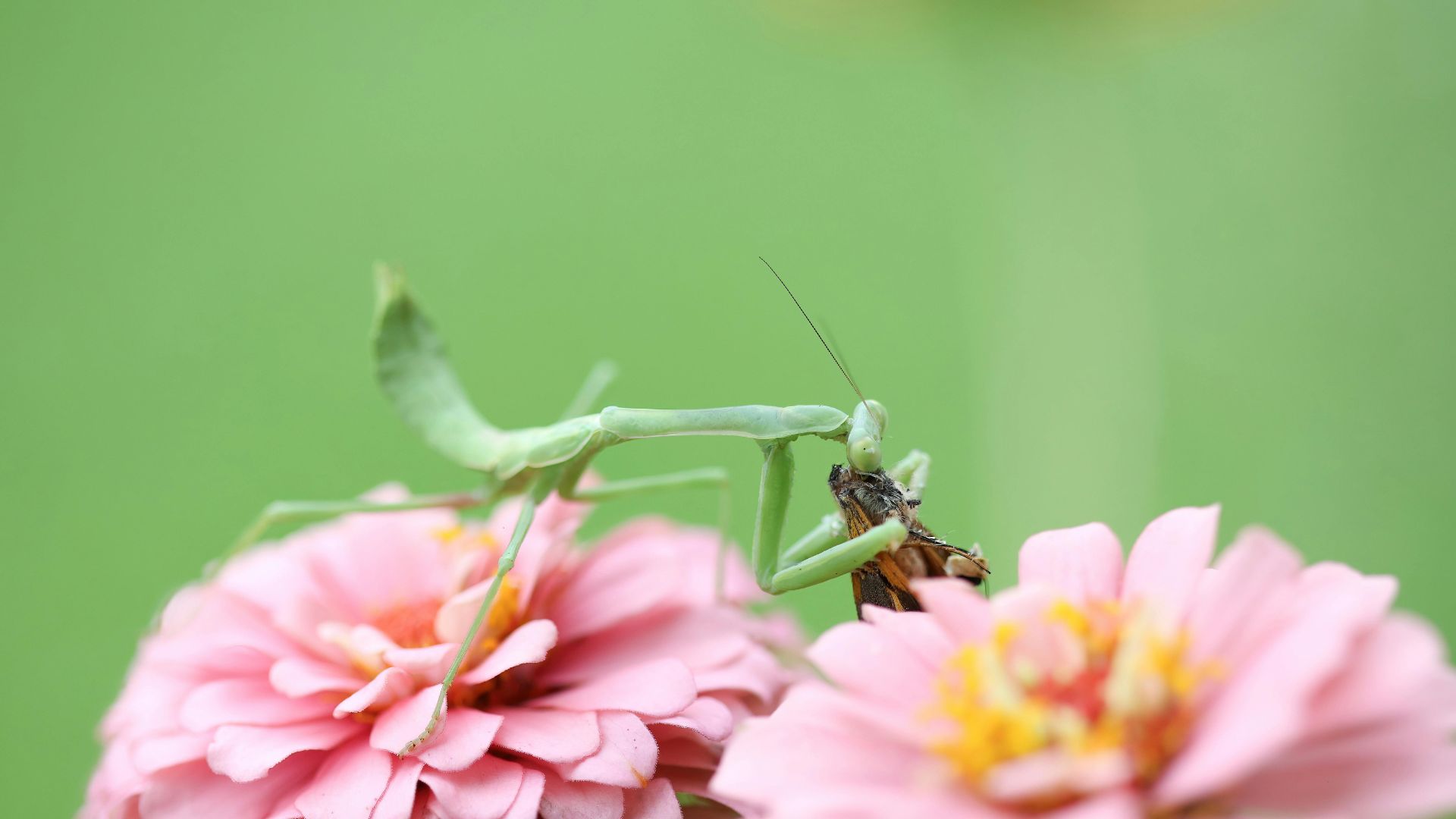
Understanding the difference between beneficial and harmful insects is essential for any gardener. Beneficial insects play a vital role in maintaining a healthy ecosystem by pollinating plants and controlling pest populations. For instance, ladybugs and lacewings are known for their appetite for aphids, effectively keeping their numbers in check. Conversely, harmful insects can devastate your garden, leading to stunted growth and even plant death. Recognizing these two categories will not only enhance your insect identification skills but also help you strategize pest control methods effectively.
Comparing Beneficial vs. Harmful Garden Insects
The following table highlights key differences between beneficial and harmful garden insects. This comparison can assist gardeners in identifying which insects to encourage and which to manage actively.
| Insect Type | Examples | Role in Garden |
|---|---|---|
| Beneficial Insects | Ladybugs, Bees, Lacewings | Pollinate plants; control pests |
| Harmful Insects | Aphids, Spider Mites, Caterpillars | Damage plants; reduce yields |
Beneficial insects contribute significantly to your garden’s health. They help with pollination and can manage pest populations naturally. For example, bees are crucial for pollinating fruits and vegetables, while ladybugs feast on aphids, which are notorious for damaging plants. Additionally, parasitic wasps can lay their eggs in harmful insects, effectively controlling their populations. By attracting these beneficial insects to your garden through diverse planting and minimizing pesticide use, you can create a balanced ecosystem that supports plant growth and resilience.
Conversely, harmful insects can have devastating effects on your plants. For instance, aphids feed on sap, weakening the plants and making them susceptible to disease. Caterpillars, on the other hand, can strip leaves bare, leading to reduced photosynthesis and overall plant vigor. Furthermore, spider mites can create webbing on plants, indicating a severe infestation that can lead to plant death if not addressed promptly. Identifying these pests early on is critical, as it allows you to implement pest control strategies before they cause significant damage.
Moreover, understanding the life cycles of both beneficial and harmful insects can enhance your pest management strategies. For example, knowing when aphids are most active can help you time your interventions effectively. Therefore, effective pest management hinges on your ability to identify beneficial and harmful insects. By encouraging beneficial species, you can enhance your garden’s resilience to pests. Consequently, staying vigilant and informed about insect behavior will empower you to maintain a lush and productive garden, ensuring that your efforts yield fruitful results.
Visual Identification of Common Garden Pests
Visual identification plays a crucial role in managing common garden pests. By familiarizing yourself with the appearance of destructive insects, you can take timely action to protect your plants. Recognizing these pests early is essential; many can reproduce quickly and cause extensive damage in a short period. Each insect has unique characteristics, such as color patterns, body shape, and size, which can help you distinguish harmful pests from beneficial insects. Additionally, understanding their lifecycles will enhance your ability to identify them at various growth stages, from eggs to adults.
Recognizing Common Garden Insects
Common garden insects can vary widely in appearance; however, they all share identifiable traits. For instance, aphids are small, pear-shaped insects that often cluster on the undersides of leaves. They can be green, black, or even pink, making them somewhat tricky to spot. Conversely, spider mites are even smaller and can create fine webbing on plants, indicating their presence. Another example is the cabbage looper, which is a green caterpillar that moves in a distinctive looping motion. By learning these visual cues, you can effectively monitor your garden and respond to infestations before they spiral out of control.
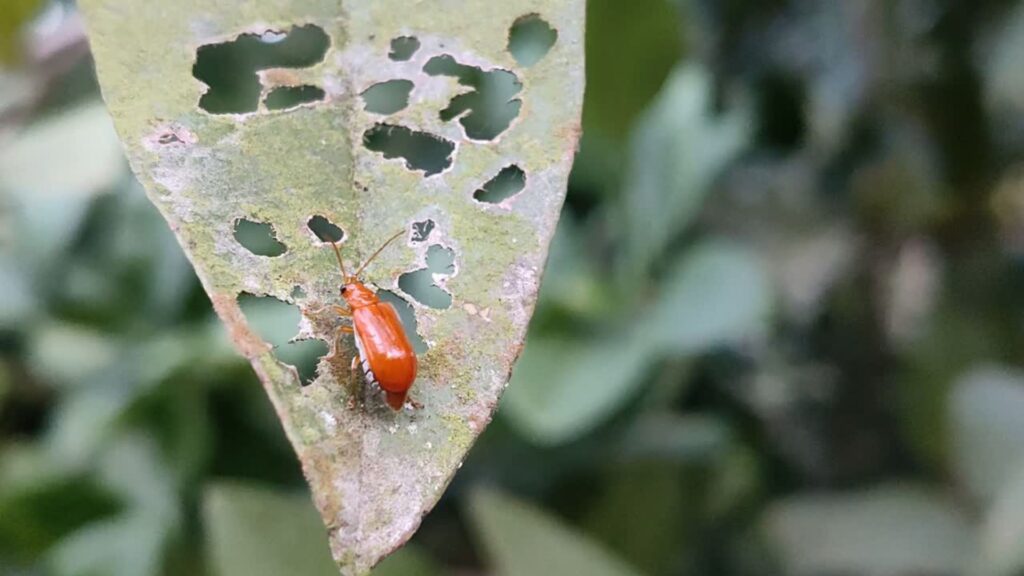
Furthermore, the presence of certain pests often leaves telltale signs on your plants. For example, you might notice chewed leaves or discolored patches, which can indicate the activity of caterpillars or beetles. Additionally, some pests, like the whitefly, produce a sticky residue known as honeydew, attracting ants and leading to sooty mold growth. Therefore, keeping a close eye on your plants and noting any unusual symptoms is an integral part of the visual identification process.
Identifying Insects by Their Lifecycle
Understanding the insect lifecycle is essential for effective pest management. Most garden pests undergo several stages, including eggs, larvae (or nymphs), pupae, and adults. For example, the life cycle of a typical butterfly begins with an egg that hatches into a caterpillar, which then feeds voraciously on leaves. Subsequently, the caterpillar forms a chrysalis, eventually emerging as an adult butterfly. Recognizing these stages can help you pinpoint the best times for intervention, particularly when the insects are most vulnerable.
Moreover, some pests, like the Japanese beetle, can be identified early in their lifecycle while still in their larval stage as grubs in the soil. These grubs can cause significant damage as they feed on roots, leading to plant wilting. By understanding these lifecycle stages, you can determine when to apply treatments effectively. Consequently, targeting pests during their most vulnerable phases can significantly reduce their populations and minimize damage to your garden.
Mastering the visual identification of common garden pests and understanding their insect lifecycle are vital skills for any gardener. By being proactive and informed, you can quickly address potential infestations and protect your plants. Remember, a well-maintained garden is not just about growing plants; it’s also about creating a healthy ecosystem that can withstand pest pressures.
Preventative Measures for Garden Pest Control
Preventative Measures for Garden Pest Control
Maintaining a flourishing garden requires more than simply planting seeds and watering plants. Implementing effective garden pest management strategies is essential to prevent destructive insects from wreaking havoc on your landscape. By focusing on preventative measures, gardeners can create a robust defense against pests, ensuring that plants remain healthy and productive. Moreover, organic pest control methods are particularly valuable, as they minimize harm to beneficial insects and the environment.
In this section, we will explore various preventative measures that can help protect your garden from pests. These strategies encompass both proactive approaches and specific actions to take when dealing with pest threats. By understanding and utilizing these methods, you can foster a thriving garden ecosystem while minimizing the need for harsher pest control measures.
Effective Pest Control Methods
To successfully manage garden pests, it is crucial to adopt a multi-faceted approach that includes both preventative measures and reactive strategies. Below is a table that outlines effective pest control methods and preventative measures.
| Pest Control Method | Description |
|---|---|
| Crop Rotation | Alternating crops to disrupt pest cycles |
| Companion Planting | Using beneficial plants to deter pests |
| Neem Oil | An organic solution that targets insects without harming plants |
| Barriers and Traps | Physical barriers like row covers or sticky traps |
| Regular Monitoring | Frequent checks for signs of pests to catch infestations early |
By implementing these methods, gardeners can significantly reduce the likelihood of pest infestations. For instance, crop rotation interrupts the life cycles of pests, making it more difficult for them to establish themselves. Similarly, companion planting creates a natural deterrent, as certain plants can repel specific insects.
Importance of Integrated Pest Management
Integrated Pest Management (IPM) combines various strategies to address pest control comprehensively. This approach emphasizes understanding pest life cycles, using biological controls, and applying chemical controls only when necessary. Consequently, IPM helps maintain ecological balance while keeping gardens healthy and vibrant. Furthermore, regular monitoring allows you to detect problems early, making it easier to implement targeted solutions.
Adopting preventative measures and effective pest control methods is vital for successful garden pest management. By fostering a holistic approach, gardeners not only protect their plants but also contribute positively to the surrounding environment. Thus, the health of your garden depends on the strategies you choose to employ.
Case Studies: Successful Pest Management
Effective pest management is essential for maintaining the integrity of any garden. By analyzing successful case studies, we can glean insights into effective strategies that have worked in real-life situations. These examples highlight how various methods of pest control can lead to healthier gardens and more sustainable practices. Whether you prefer organic solutions or a more integrated approach, understanding these successful strategies can help you tackle garden pests in your own backyard. Moreover, these case studies serve as valuable learning tools, illustrating the importance of adaptability and knowledge in pest management.
Case Study 1: Organic Solutions
In one successful case, a home gardener faced an invasion of aphids, notorious garden pests that can quickly devastate plants. Rather than resorting to chemical pesticides, the gardener opted for organic solutions. They introduced ladybugs, natural predators of aphids, into their garden. Consequently, the population of aphids dwindled significantly, allowing the plants to recover. Furthermore, the gardener applied neem oil, which deterred remaining pests while being safe for beneficial insects. This case illustrates that organic pest control can be highly effective if you choose the right natural allies. Additionally, the gardener implemented companion planting, incorporating plants that naturally repel aphids, further enhancing the effectiveness of their pest management strategy.
Case Study 2: Integrated Pest Management
Another gardener adopted an Integrated Pest Management (IPM) approach to managing a recurring problem with caterpillars. They started by monitoring their plants regularly and identifying pest thresholds. By combining cultural practices, such as crop rotation and companion planting, with biological controls like parasitic wasps, the gardener minimized caterpillar damage significantly. Moreover, they used targeted insecticidal soap when necessary, emphasizing the importance of precision in pest control. This case exemplifies how an IPM strategy, which incorporates multiple methods, can provide a comprehensive solution to garden pest issues while promoting ecological health. Additionally, the gardener educated their neighbors about IPM practices, fostering a community-wide effort to manage pests sustainably.
Case Study 3: Community Collaboration
In a neighborhood garden project, multiple gardeners faced challenges with various garden pests, including slugs and beetles. They decided to collaborate, sharing their experiences and strategies for pest control. By pooling resources, they organized workshops on pest identification and management techniques. Consequently, they developed a community composting program that attracted beneficial insects while deterring harmful ones. This collective approach not only improved individual gardens but also strengthened community bonds. Thus, this case demonstrates that collaboration can enhance pest management efforts, leading to more resilient gardens and a supportive gardening community.
Gardening Tips for Protecting Your Plants
Protecting your plants from pests is an essential aspect of successful gardening. By implementing effective strategies, you can significantly reduce the risk of infestations and ensure the health of your garden. First, consistent monitoring of your plants is crucial. Regularly inspect leaves, stems, and soil for any signs of pests or damage. Catching issues early allows for prompt intervention, which can save your plants from severe harm. Furthermore, maintaining healthy soil through composting and proper watering can fortify your plants, making them less susceptible to attacks. Remember, a robust plant is often a less appealing target for pests, as they thrive on weak and stressed vegetation.
Best Practices for Plant Protection
One primary practice for plant protection is to establish a diverse garden. This diversity attracts beneficial insects, such as ladybugs and lacewings, which prey on harmful pests. Additionally, using organic mulch can deter pests by creating a barrier and retaining moisture, which is beneficial for plant health. Moreover, physical barriers like row covers can shield young plants from insect invasions, particularly during their vulnerable stages. Consequently, these measures not only protect your plants but also promote a balanced ecosystem within your garden. For instance, introducing flowering plants can attract pollinators, further enhancing your garden’s productivity.
Using Companion Planting
Companion planting is another effective strategy for pest management. Specifically, some plants naturally repel insects. For example, marigolds are known to deter nematodes and aphids, while basil can repel flies and mosquitoes. Therefore, planting these alongside vulnerable crops can enhance their protection. Additionally, companion planting can improve pollination and boost overall plant health. By thoughtfully pairing plants, you not only create a visually appealing garden but also establish a natural defense system against pests, ensuring your plants thrive amidst potential threats. Furthermore, this method can reduce the need for chemical pesticides, promoting a healthier environment for both your plants and beneficial wildlife.
Your Action Plan for Effective Garden Insect Management
To summarize, effective management of garden insects begins with accurate identification. By recognizing the harmful pests that threaten your plants, you can take decisive action to protect your garden. Understanding the differences between beneficial and destructive insects empowers you to implement appropriate pest control strategies tailored to your specific needs. This knowledge is crucial, as it allows you to differentiate between insects that enhance your garden’s health and those that can wreak havoc.
Moreover, adopting preventative measures is essential for maintaining a healthy garden. Regular monitoring, encouraging natural predators, and utilizing organic pest control methods can significantly reduce the risk of infestations. For example, introducing ladybugs can help control aphid populations, while planting certain herbs can repel unwanted pests. Consequently, the proactive steps you take today can lead to a flourishing garden tomorrow.
Therefore, as you embark on your gardening journey, make it a priority to familiarize yourself with the common destructive insects outlined in this guide. Equip yourself with the knowledge and tools necessary to combat these pests effectively. Additionally, consider keeping a garden journal to track pest activity and the effectiveness of your management strategies.
Ultimately, the health and beauty of your garden depend on your vigilance and dedication. Take action now and implement these strategies to ensure your plants thrive in a pest-free environment. With the right approach, you can cultivate a vibrant garden that stands resilient against unwanted invaders, ensuring that your hard work pays off in the form of lush, healthy plants.
Watch the Video

Maurice Buffer is a plant care researcher and horticulture writer at Flinkool. He focuses on plant health, pest prevention, and practical cultivation techniques that help gardeners grow healthier plants.