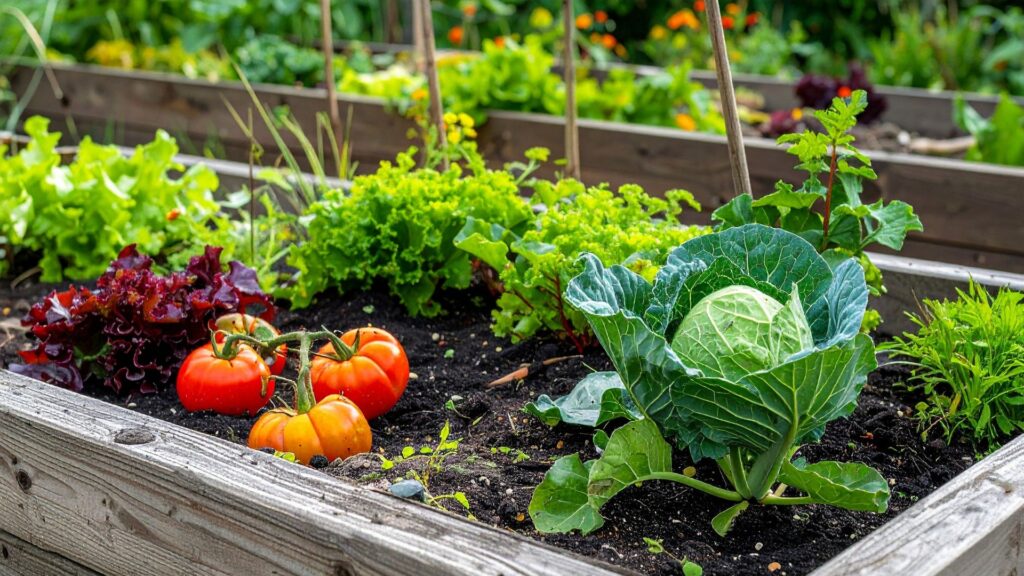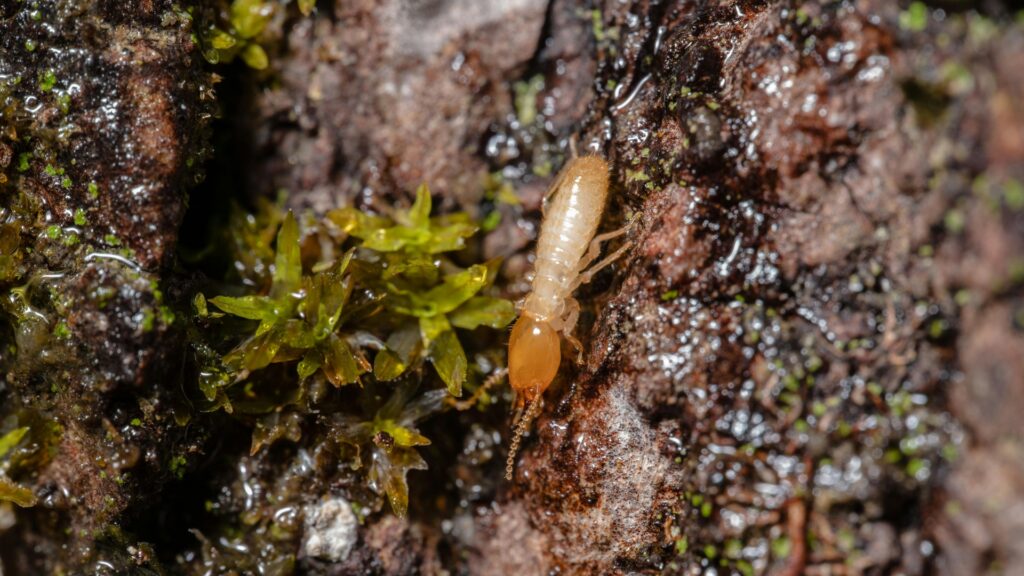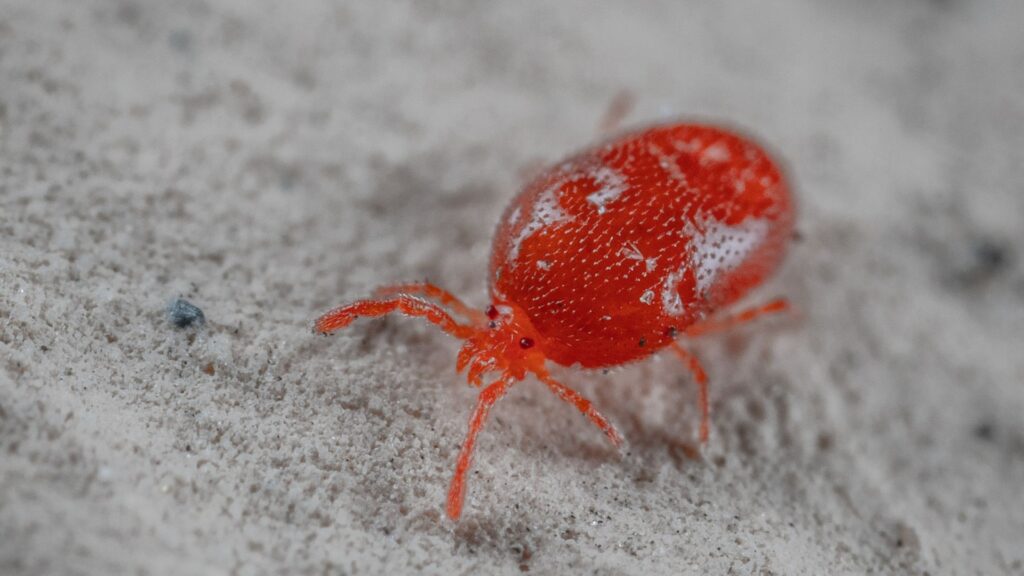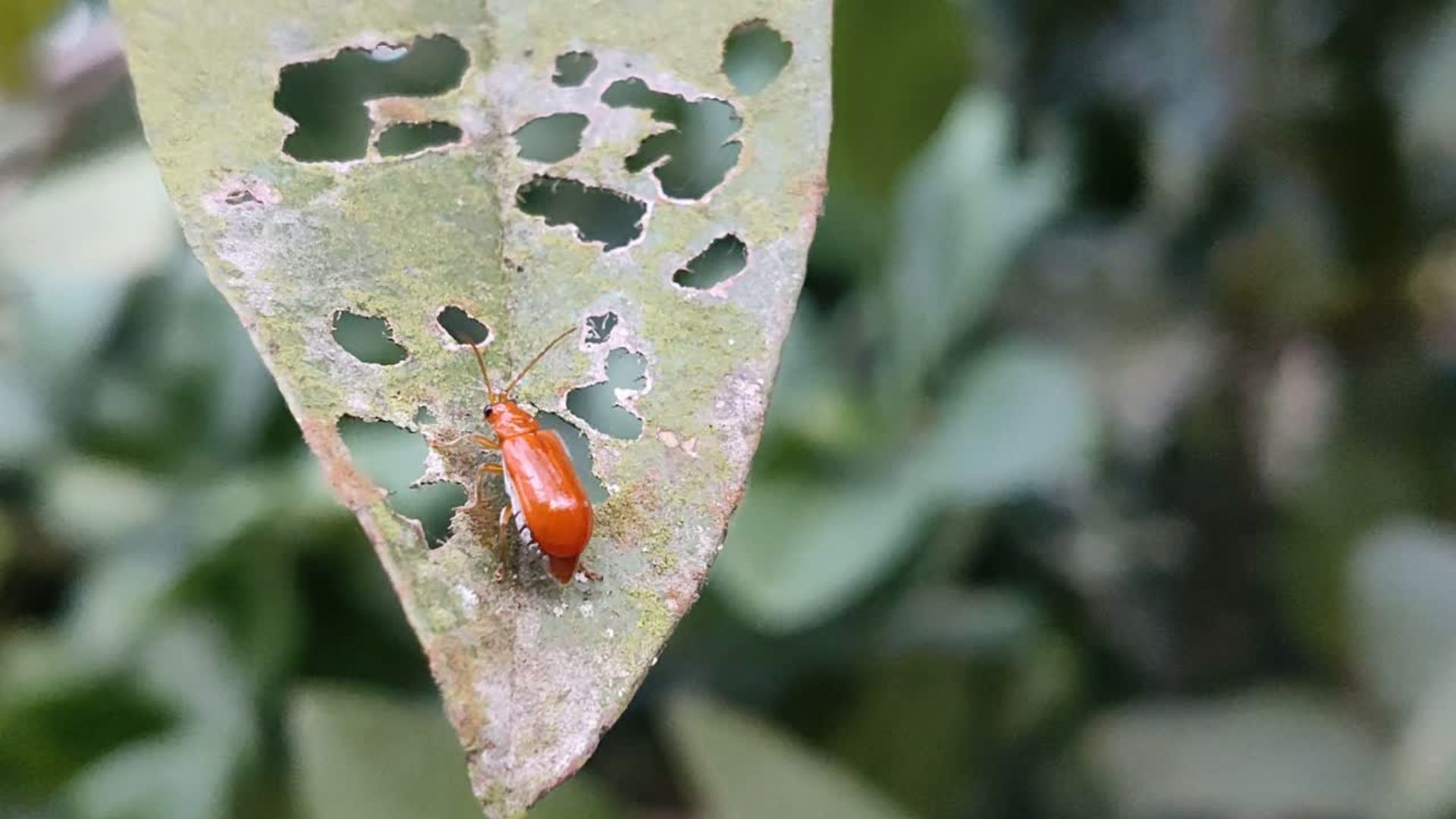
Garden pests can transform a thriving garden into a nightmare, as these destructive insects wreak havoc on plants and crops. Therefore, understanding how to identify these pests is crucial for any gardener. By recognizing the specific threats your plants face, you can take effective action to protect your garden, ensuring you enjoy a flourishing landscape year after year.
In this comprehensive guide, we will explore various types of garden pests, detailing their characteristics and the damage they inflict. Moreover, we will provide practical tips on identifying these insects, along with effective management strategies to combat them. For instance, you will learn about the most common pests and how to spot their signs before they escalate into a significant problem. Consequently, by the end of this article, you will be equipped with the knowledge you need to safeguard your garden against these unwanted invaders. Thus, you can cultivate a healthy and vibrant garden, free from the threats posed by damaging insects.
Understanding Garden Pests: The Most Destructive Insects
Understanding garden pests is essential for maintaining a healthy and productive garden. Not only do these damaging insects threaten the well-being of your plants, but they can also lead to significant economic losses for larger crops. This section will delve into the most common types of garden pests, highlighting the importance of pest identification. By being proactive and informed, you can protect your garden from these destructive invaders and ensure a thriving landscape. Furthermore, understanding the life cycles and behaviors of these pests can enhance your pest management strategies, making your garden more resilient.
Common Types of Garden Pests
There are several types of garden pests that every gardener should be aware of. Aphids, for instance, are small, soft-bodied insects that feed on plant sap, leading to stunted growth and yellowing leaves. They reproduce rapidly, which can result in a significant infestation in a short period. Meanwhile, spider mites, tiny arachnids, can cause similar damage by sucking the life out of plant tissues, often leaving a fine webbing behind. Moreover, caterpillars can devastate your plants quickly, as they munch through leaves and flowers. To illustrate, the cabbage looper can defoliate entire crops in just a few days. Recognizing these pests early can help mitigate their impact, enabling you to take timely action and protect your plants. Additionally, other pests like whiteflies and thrips can also pose serious threats, making it crucial to familiarize yourself with their distinct characteristics.
Identifying Destructive Insects
Pest identification is the first step in managing garden pests effectively. To begin, carefully inspect your plants for signs of infestation. Look for physical evidence such as chewed leaves, discolored foliage, or the presence of sticky residues, which might indicate aphid activity. Additionally, monitoring for the presence of eggs or larvae can provide crucial clues about future infestations. For instance, the presence of white, fuzzy spots on your plants often signifies mealybugs. Consequently, employing regular inspections and keeping a garden journal can help track pest life cycles and behaviors. This proactive approach allows you to implement targeted strategies, such as introducing beneficial insects or applying organic pesticides, thus reducing the damaging effects of these pests on your garden.
Moreover, utilizing traps or pheromone lures can enhance your pest monitoring efforts. By understanding what you’re up against, you can cultivate a healthier and more vibrant garden environment. Therefore, investing time in pest identification not only protects your plants but also contributes to the overall ecological balance of your garden.
The Lifecycle of Destructive Insects: Understanding Their Behavior
A comprehensive understanding of the lifecycle of destructive insects is crucial for effective pest management in your garden. These insects undergo several distinct stages, each with unique behaviors that can significantly impact plant health. By learning about these stages, gardeners can anticipate potential threats to their plants and implement timely interventions. Understanding insect behavior throughout their lifecycle allows you to take proactive measures, ensuring that your garden remains healthy and vibrant. Moreover, this knowledge empowers gardeners to choose appropriate control methods tailored to each stage of the insect’s development.
Egg, Larva, and Adult Stages
The lifecycle of most destructive insects begins with the egg stage. Insects like aphids lay their eggs in clusters on the undersides of leaves, ensuring a food source is nearby for the hatching larvae. This stage is often overlooked, yet it’s vital to monitor. Consequently, if you spot eggs, you can act quickly to prevent an infestation before it starts. After a short incubation period, the larvae emerge, leading to the second stage: the larva. For example, caterpillars, which are the larval form of moths and butterflies, can cause rapid damage by voraciously feeding on leaves. These larvae are often more destructive than adults, as they consume large amounts of plant material, leading to visible damage and stress on the plants.
Furthermore, the larval stage can last several weeks, during which time they may molt multiple times, increasing their size and appetite. This rapid growth can lead to significant defoliation in a short period. Finally, the adult stage sees insects like beetles and moths emerge, ready to reproduce and perpetuate the cycle. Therefore, understanding each stage can help you implement targeted control measures at the right time. For instance, introducing beneficial insects that prey on larvae can be particularly effective if timed correctly with their emergence.
How Lifecycle Affects Plant Health
The lifecycle of destructive insects directly influences plant health. Each stage presents unique challenges that gardeners must address effectively. For instance, while adult insects may be visible and easier to identify, the most significant damage often occurs during the larval stage. Moreover, the timing of each lifecycle stage can vary based on environmental conditions, making it essential to stay vigilant. Therefore, monitoring your garden throughout the growing season is crucial. If you notice small holes or discoloration on leaves, it may indicate the presence of larvae. To mitigate potential damage, consider using row covers or introducing natural predators like ladybugs early in the season.
Additionally, the impact of these pests extends beyond mere physical damage. Plant health can be compromised not only by direct feeding but also by the transmission of diseases through insects. Aphids, for example, can spread viruses while feeding on your plants, leading to further complications. Consequently, understanding the lifecycle stages of these pests allows you to take decisive action, thereby preserving the health of your garden. By integrating pest management strategies that align with the lifecycle of these insects, you can minimize damage and enhance the resilience of your plants.
In summary, recognizing the distinct stages of destructive insects is essential for effective pest control. By being proactive and informed about their lifecycle, you can implement timely interventions that protect your garden. This knowledge not only helps in managing current infestations but also in preventing future ones, ensuring a thriving and healthy garden ecosystem.
Comparative Effectiveness of Pest Control Methods
The effectiveness of pest control methods varies significantly, with options ranging from traditional chemical approaches to more environmentally friendly organic pest control techniques. Each method has its pros and cons, which can affect not only the immediate results but also the long-term health of the garden ecosystem. Therefore, understanding these differences is crucial for effective pest management. Below, we compare several pest control methods to help you choose the one that aligns best with your gardening goals and values.
| Pest Control Method | Effectiveness | Pros | Cons |
|---|---|---|---|
| Chemical Pesticides | High | Quick results, broad-spectrum | Environmental harm, resistance issues |
| Organic Pesticides | Moderate | Safer for humans and pets | Slower to act, often requires reapplication |
| Biological Control | Variable | Eco-friendly, sustainable | May not work for all pests |
| Traps | Moderate | Non-toxic, easy to use | Limited to certain pests, requires monitoring |
| Cultural Practices | Low to Moderate | Prevents infestations, low cost | Time-consuming, requires diligence |
Organic vs. Chemical Control Methods
The debate between organic and chemical pest control methods continues to grow among gardeners. Organic pest control methods, such as neem oil and insecticidal soaps, are often safer for pets and beneficial insects. They can be effective, albeit sometimes slower than chemical pesticides. For instance, while neem oil disrupts the life cycle of pests, it may take several applications to achieve desired results. On the other hand, chemical pesticides provide quick results and are typically more potent, making them appealing for immediate pest issues. However, their environmental impact raises concerns, leading many gardeners to seek alternatives. Consequently, the choice between these two methods often depends on individual gardening philosophies, specific pest issues, and the overall health of the ecosystem.
Long-term vs. Short-term Solutions
When considering pest control, it’s essential to distinguish between long-term solutions and short-term fixes. For example, cultural practices, like crop rotation and companion planting, offer long-term benefits by disrupting pest life cycles and promoting a healthy ecosystem. These methods can enhance soil health and biodiversity, ultimately leading to a more resilient garden. However, these practices may take time to yield significant results. In contrast, chemical pesticides can provide immediate relief but may lead to resistance in pests over time, necessitating even more aggressive treatments. Therefore, integrating both strategies might be the most effective approach, allowing you to manage urgent infestations while fostering a sustainable gardening environment.
Integrated Pest Management (IPM)
Moreover, an increasingly popular approach is Integrated Pest Management (IPM), which combines various strategies to manage pests effectively. IPM emphasizes monitoring pest populations, identifying thresholds for action, and using a combination of biological, cultural, and chemical methods. This holistic approach not only minimizes the reliance on chemical pesticides but also promotes a balanced ecosystem. By adopting IPM, gardeners can tailor their pest control strategies to their specific needs, ensuring a healthier garden while reducing the environmental impact. Consequently, this method encourages a more sustainable relationship with nature, allowing for a thriving garden free from the threats posed by damaging insects.
User Experiences: Success Stories in Garden Pest Management
User experiences in garden pest management provide invaluable insights into effective pest prevention strategies. Many gardeners have faced the challenge of protecting their plants from destructive insects, and their success stories can serve as a guide for others. For instance, one community gardener shared how implementing companion planting significantly reduced pest infestations. By planting marigolds alongside vegetables, they noticed a dramatic decrease in aphid populations. This method not only enhanced garden protection but also attracted beneficial insects, demonstrating the power of natural pest deterrents. Furthermore, these experiences highlight the importance of exploring diverse strategies tailored to specific garden environments.
Community Solutions
Gardening communities often come together to share successful pest management techniques. For example, community workshops focused on organic methods have proliferated in recent years. These gatherings allow gardeners to exchange ideas about pest prevention strategies, such as using neem oil or introducing ladybugs to control aphid outbreaks. Additionally, a local group created a pest alert system that notifies members about emerging threats in the area. This proactive approach has empowered gardeners to take action early, thus protecting their gardens and fostering a sense of camaraderie within the community. Moreover, sharing these experiences encourages collaboration, allowing members to learn from one another’s successes and failures.
Lessons Learned from Pest Management
Experiences in pest management often highlight key lessons that can help others avoid common pitfalls. One gardener recounted a trial and error phase where they relied heavily on chemical pesticides, only to find these solutions ineffective and harmful to beneficial organisms. Consequently, they shifted to integrated pest management (IPM) tactics, which combine biological, cultural, and mechanical methods. This transition not only improved their garden’s health but also taught them the importance of patience and observation. Therefore, understanding the interplay between pests and plants is crucial for developing effective pest prevention strategies.
Additionally, many gardeners have found that documenting pest occurrences has proven beneficial. By keeping a journal detailing the types of pests encountered and the methods used for management, they can identify patterns and refine their approaches over time. This practice not only enhances garden protection but also fosters a deeper connection to the gardening process. For instance, one gardener discovered that certain pests thrived during specific weather conditions, allowing them to prepare in advance. Overall, sharing these experiences encourages a collaborative spirit in tackling the challenges posed by garden pests, ultimately leading to more robust and resilient gardens.
Identifying Common Damaging Insects in Gardens
Identifying harmful insects is a vital skill for any gardener. With the right knowledge, you can discern which insects pose a threat to your plants and take action before significant damage occurs. Many pests not only diminish the beauty of your garden but also weaken the health of your plants, leading to long-term issues. In this section, we will provide a detailed overview of common damaging insects and their characteristics, alongside a table for quick reference. This information will empower you to recognize insect damage to plants effectively and respond accordingly.
Key Characteristics of Common Damaging Insects
When identifying harmful insects, certain characteristics stand out. For example, aphids are typically small and soft-bodied, making them easy to overlook. However, their presence can signal serious trouble, as they feed on plant sap and reproduce quickly. Additionally, beetles often have hard exoskeletons, which can make them resilient to some pest control methods. Consequently, understanding these traits can help you spot these pests before they multiply. Moreover, being aware of the specific types of insects in your garden can enhance your ability to manage them effectively.
Recognizing Signs of Insect Damage
Recognizing the signs of insect damage to plants is equally important. Look for yellowing leaves, wilting stems, or holes in foliage, which can indicate a pest problem. Moreover, webbing on plants is a telltale sign of spider mites, while chewed leaves may suggest caterpillar activity. Therefore, monitoring your plants regularly will help you detect these issues early. Furthermore, keeping a close eye on your garden can prevent minor infestations from escalating into major problems.
Common Damaging Insects and Their Impact
Here’s a table summarizing some common damaging insects and their characteristics:
| Insect | Description | Damage Caused |
|---|---|---|
| Aphids | Small, soft-bodied, often green | Yellowing leaves, stunted growth |
| Spider Mites | Tiny, spider-like, creates webs | Wilting, fine webbing on leaves |
| Cabbage Looper | Green caterpillar, can grow large | Chewing holes in leaves, defoliation |
| Japanese Beetle | Metallic green, round body | Skeletonizing leaves, flower damage |
| Whiteflies | Small, white, moth-like insects | Yellowing leaves, sticky residue |
By familiarizing yourself with these common pests and their characteristics, you can effectively safeguard your garden against potential threats. Remember, early detection is key to maintaining a healthy and vibrant landscape. Consequently, being proactive in your approach will help ensure your plants thrive throughout the growing season.
Best Practices for Effective Garden Pest Control
Effective garden pest management is vital for preserving the health and productivity of your plants. By implementing best practices for garden pest control, you not only protect your crops but also contribute to a sustainable gardening environment. Start by focusing on prevention, as cultivating healthy plants can naturally deter pests. This involves selecting pest-resistant plant varieties, maintaining soil health, and promoting biodiversity in your garden. Additionally, regular monitoring is essential; inspect your plants frequently to catch any infestations early, thus minimizing damage. By being proactive, you can significantly reduce the likelihood of severe pest problems.
Preventive Measures
One of the most effective best practices for garden pest control is to employ preventive measures. For instance, crop rotation can significantly reduce pest populations by disrupting their life cycles. Similarly, incorporating companion planting can enhance your garden’s resilience. Planting marigolds alongside vegetables, for example, can attract beneficial insects that prey on common pests, such as aphids and caterpillars. Furthermore, maintaining clean garden beds by removing debris and dead plants helps eliminate potential pest habitats. Consequently, these proactive strategies create a less favorable environment for harmful insects, thereby reducing the need for more aggressive pest control methods.
Integrating Pest Management Strategies
Integrating pest management strategies is another cornerstone of effective garden pest management. This approach combines various techniques to manage pest populations while minimizing harm to beneficial insects. For example, using biological control methods, such as introducing ladybugs to combat aphid infestations, can be highly effective. Moreover, consider using organic pesticides as a last resort, opting for those that target specific pests without harming beneficial species. Additionally, practicing good sanitation by cleaning tools and equipment can help prevent the spread of pests. Thus, by employing an integrated approach, you can achieve sustainable pest control and maintain a flourishing garden. Furthermore, educating yourself about the life cycles and behaviors of pests can enhance your ability to anticipate and mitigate infestations effectively.
Watch the Video

Maurice Buffer is a plant care researcher and horticulture writer at Flinkool. He focuses on plant health, pest prevention, and practical cultivation techniques that help gardeners grow healthier plants.