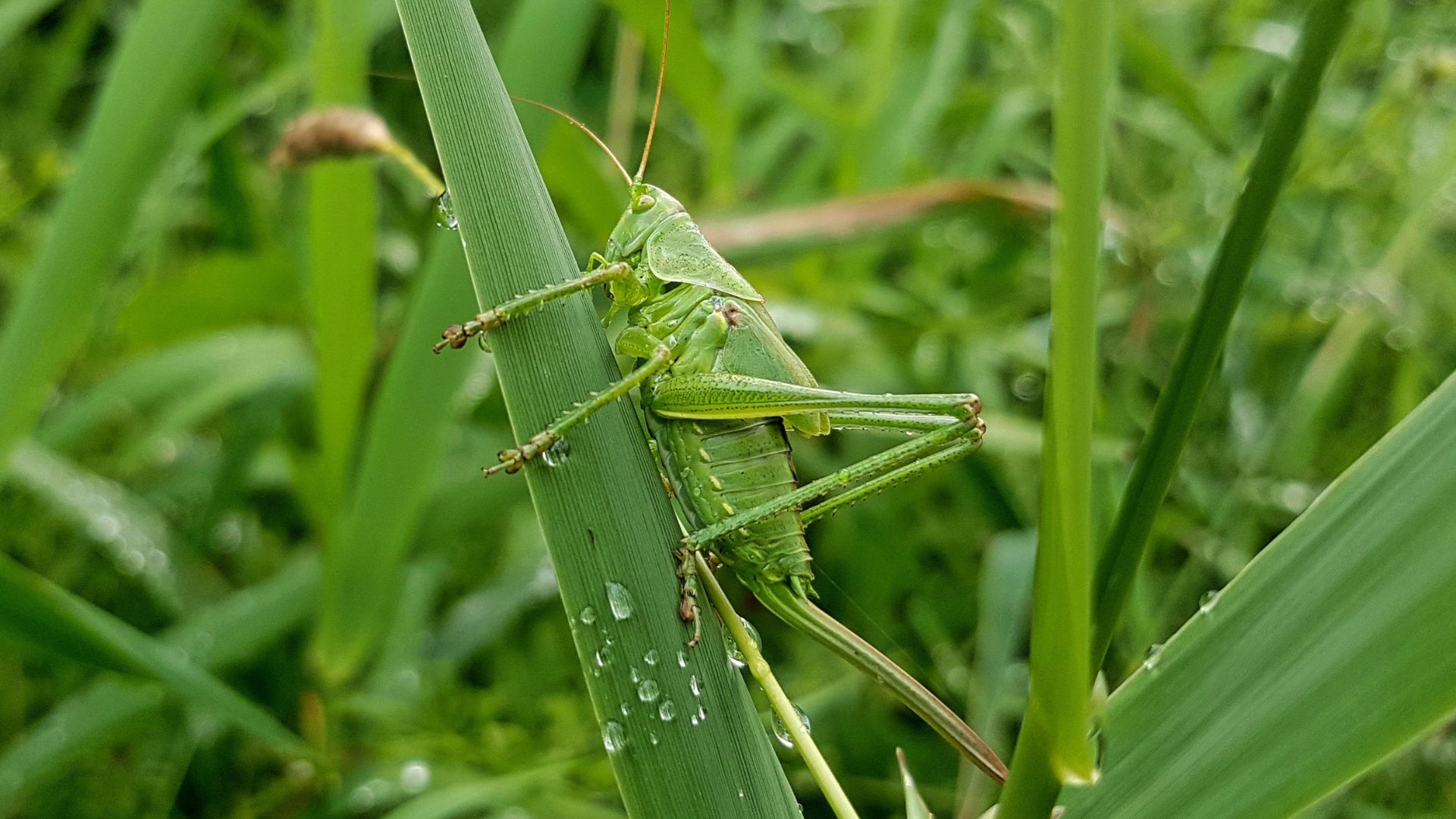
Effective insect control is vital for maintaining a thriving garden, as garden pests can quickly become a significant threat to your plants’ health. These pests, if left unchecked, can cause extensive damage, leading to reduced yields and compromised plant vitality. By implementing the right strategies, you can protect your garden from unwanted invaders while promoting a sustainable ecosystem. Insect control not only preserves the beauty of your greenery but also contributes to a balanced environment where beneficial insects, such as pollinators and natural predators, can flourish.
In this article, we will explore various sustainable methods for managing garden pests that are both effective and environmentally friendly. For example, we will discuss the use of companion planting, natural repellents, and biological controls. Furthermore, we will delve into practical tips and techniques that can help you create a pest-resistant garden without relying on harmful chemicals. By understanding the dynamics of your garden and choosing the right strategies, you can cultivate a flourishing, pest-free oasis that supports both your plants and the surrounding ecosystem.
Understanding Insect Control: The Basics
Understanding how to manage garden pests is essential for any gardener aiming for a beautiful and healthy landscape. Insects can wreak havoc on plants, but with the right pest management strategies, you can minimize damage while supporting beneficial species. Therefore, taking the time to understand both harmful and helpful insects in your garden sets the foundation for effective management. This knowledge not only empowers you to protect your plants but also fosters a balanced ecosystem where beneficial insects thrive alongside your garden.
Identifying Common Garden Pests
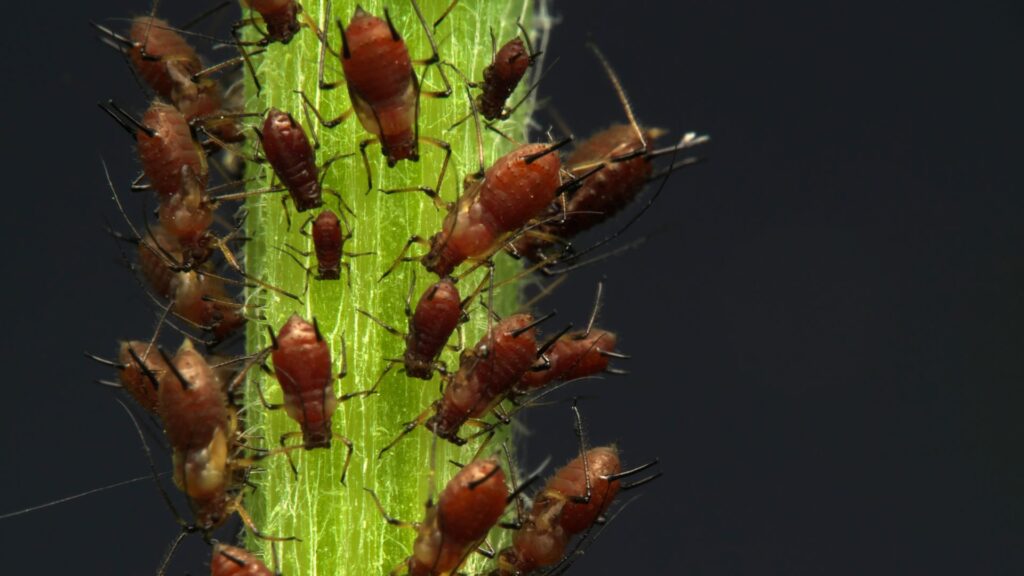
First, it’s important to recognize common garden pests that could threaten your plants. Aphids, for instance, are tiny sap-sucking insects that can quickly overwhelm young plants, leading to stunted growth and even plant death if not addressed. Similarly, caterpillars can munch through leaves, leaving unsightly holes and compromising the plant’s ability to photosynthesize. Spider mites, on the other hand, create webs and damage foliage, often resulting in a dusty appearance on leaves. To illustrate, the presence of whiteflies often indicates a larger problem, as they multiply rapidly and can transmit plant diseases. Identifying these pests early allows for timely intervention, which can save plants from severe damage. Regularly inspecting your garden and using sticky traps can help monitor pest populations effectively.
The Role of Beneficial Insects
Conversely, not all insects are harmful. Beneficial insects play a crucial role in pest management by keeping populations of harmful pests in check. For example, ladybugs are voracious consumers of aphids, while lacewings can control both aphids and caterpillars. Moreover, predatory wasps target caterpillars and other pest insects, helping to maintain balance within your garden ecosystem. By fostering an environment that encourages these beneficial species, you can naturally reduce pest populations. Additionally, consider incorporating gentle pest control methods, such as introducing native plants that attract beneficial insects or using insecticidal soaps that are safe for non-target species. These practices not only protect your plants but also promote the well-being of helpful insects, creating a harmonious garden environment.
Understanding the basics of insect control involves recognizing both harmful garden pests and the beneficial insects that keep them at bay. By embracing integrated pest management strategies, you can create a thriving garden ecosystem. Furthermore, you can learn more about effective pest management techniques from Managing Insects in Your Landscape | NC State Extension, ensuring your garden remains a vibrant and healthy space.
Sustainable Pest Management Techniques
Sustainable pest management techniques are crucial for fostering a healthy garden ecosystem. As gardeners increasingly recognize the impact of their choices, the discussion surrounding organic methods versus chemical solutions becomes more significant. Organic approaches emphasize the use of natural ingredients and practices to deter pests, while chemical solutions often depend on synthetic pesticides that can adversely affect the environment. By understanding the distinctions between these strategies, you can make informed decisions that promote sustainable gardening.
The table below compares the effectiveness and environmental impact of organic and chemical pest control methods. This comparison not only highlights the effectiveness of each approach but also emphasizes the importance of selecting practices that are environmentally friendly and sustainable.
| Method Type | Effectiveness | Environmental Impact |
|---|---|---|
| Organic Methods | Generally effective for managing pests; relies on natural deterrents and beneficial insects. | Minimal harm to non-target species; promotes biodiversity and soil health. |
| Chemical Solutions | Fast-acting and may eliminate pests quickly; can be effective for severe infestations. | Potentially harmful to beneficial insects and surrounding ecosystems; can lead to pesticide resistance. |
Organic Methods for Sustainable Pest Control
Organic methods focus on fostering a balanced ecosystem by utilizing natural pest deterrents, such as neem oil, insecticidal soap, and companion planting. These techniques not only manage pest populations but also encourage beneficial insects like ladybugs and lacewings, which help control harmful pests naturally. Furthermore, organic gardening practices enhance soil health and overall plant vitality, making them a sustainable choice for long-term success.
Drawbacks of Chemical Solutions
Conversely, while chemical solutions can provide immediate relief from pest infestations, they often come with significant drawbacks. For instance, they can harm beneficial insects and pollinators. Moreover, the overuse of synthetic pesticides may lead to pesticide resistance, making pests increasingly difficult to manage over time. Therefore, although chemical solutions can be effective in the short term, they may compromise the long-term health of your garden.
Long-Term Advantages of Organic Practices
Investing in sustainable pest management techniques yields long-term benefits. By prioritizing organic methods, gardeners can cultivate resilient ecosystems that naturally repel pests without jeopardizing soil, plant, or wildlife health. Additionally, these practices often result in healthier plants, improved yields, and reduced reliance on chemical inputs.
For more detailed information, explore this overview of organic pest control methods to enhance your sustainable gardening strategies. By adopting a holistic approach to pest management, you can nurture a thriving garden that is both beautiful and environmentally responsible.
Creating a Tailored Pest Management Plan
Creating an effective pest management plan tailored to your garden’s unique needs is essential for successful gardening. This plan should be proactive and adaptable, considering the specific pests that threaten your plants and the beneficial insects you want to protect. To achieve this, you’ll need to assess your garden’s conditions and then develop a step-by-step strategy that reflects your gardening philosophy. This approach not only safeguards your plants but also promotes a sustainable ecosystem, ensuring that both flora and fauna can thrive together.
Assessing Your Garden’s Needs
To begin, evaluate your garden’s environment comprehensively. Take note of the types of plants you have, their growing conditions, and the specific pests that commonly invade your area. For example, consider factors like soil quality, moisture levels, and sunlight exposure, as these can significantly influence pest populations. Additionally, observe the seasonal changes and how they affect pest activity; some pests may thrive in warmer months while others may emerge in cooler temperatures. By understanding the unique dynamics of your garden, you can better anticipate potential threats. Consequently, this assessment will inform the aggressive strategies you employ in your pest management plan, allowing you to prioritize interventions effectively.
Step-by-Step Guide to Plan Creation
Once you have assessed your garden’s needs, it’s time to create your pest management plan. Start by identifying pests and determining the level of infestation—this will help you decide whether intervention is necessary. Next, select a combination of control methods, such as cultural practices, biological controls, or organic pesticides, that align with your gardening philosophy. For instance, introducing beneficial insects like ladybugs can naturally combat pest populations, while planting marigolds can deter nematodes. Additionally, consider implementing barriers like row covers or companion planting to deter pests while enhancing plant health.
Furthermore, monitor your garden regularly to evaluate the effectiveness of your strategies. This ongoing assessment is crucial; adjust your plan as needed, especially if you notice new pests or changing environmental conditions. For detailed methods on pest control in vegetable gardens, check out Home Vegetable Garden Insect Pest Control. By remaining vigilant and adaptable, you can ensure your pest management remains effective and responsive to new challenges, ultimately fostering a resilient garden ecosystem.
Case Studies: Successful Pest Management Examples
Successful pest management is crucial for reclaiming your garden from unwanted pests. By exploring real-life case studies, we can better understand effective strategies used in various garden types. Each example demonstrates how innovative techniques can reduce pest populations while fostering a healthy ecosystem. With the right approach, gardeners can create beautiful spaces free from harmful insects. Furthermore, these strategies not only protect plants but also enhance biodiversity, making gardens more resilient to pest invasions.
In the following table, we showcase successful pest management strategies tailored to different garden environments. This concise overview provides insights into the methods used to tackle pest issues effectively, illustrating the diversity of approaches available to gardeners.
| Garden Type | Pest Management Strategy | Results Achieved |
|---|---|---|
| Vegetable Gardens | Companion planting with marigolds | Reduced aphid and beetle populations |
| Flower Gardens | Natural insecticides like neem oil | Controlled spider mites and thrips |
| Herb Gardens | Regular monitoring and handpicking pests | Minimal pest infestations |
| Fruit Orchards | Introducing beneficial insects (ladybugs) | Balanced pest populations, healthier crops |
| Perennial Gardens | Mulching to deter pests | Decreased slug and snail activity |
Example 1: Vegetable Gardens
In vegetable gardens, companion planting is a highly effective strategy. By planting marigolds alongside vegetables, gardeners can repel aphids and beetles naturally. This method not only minimizes pest populations but also enriches the soil with nutrients released by marigold roots. Consequently, the overall health and yield of the vegetable garden improve, allowing for a more fruitful harvest. Additionally, this technique encourages a more diverse ecosystem, attracting beneficial insects that further aid in pest control.
Example 2: Flower Gardens
Similarly, flower gardens can benefit from the use of natural insecticides like neem oil. This organic solution targets harmful pests such as spider mites and thrips without impacting beneficial insects. By regularly applying neem oil, gardeners have successfully controlled pest populations while maintaining vibrant flower displays. Thus, the beauty of the garden remains intact, and plant health thrives. Moreover, the use of neem oil aligns with sustainable gardening practices, reducing reliance on synthetic chemicals that can harm the environment.
Example 3: Herb Gardens
In herb gardens, regular monitoring and handpicking pests can be particularly effective. This proactive approach allows gardeners to identify and remove pests before they can cause significant damage. By maintaining a vigilant eye, gardeners can achieve minimal pest infestations, ensuring that their herbs remain healthy and aromatic. Furthermore, this method promotes a hands-on relationship with the garden, fostering a deeper understanding of the ecosystem and its dynamics.
These examples highlight the importance of tailored pest management strategies. By understanding the unique needs of different garden types, gardeners can effectively reclaim their spaces from pests while promoting biodiversity and sustainability. Each case study serves as a testament to the power of innovative and environmentally friendly pest control methods, encouraging others to adopt similar practices in their own gardens.
Natural Repellents and Their Effectiveness
Natural repellents offer an eco-friendly solution for controlling garden pests while minimizing harm to beneficial insects. Many gardeners are increasingly turning to these alternatives, as they provide effective protection without the use of harmful chemicals. Understanding which natural repellents work best and how to apply them can dramatically enhance your garden’s health. For instance, essential oils, diatomaceous earth, and garlic sprays are popular choices that can deter a variety of pests. These natural solutions not only protect your plants but also contribute to a more sustainable gardening practice, aligning with the growing trend of environmentally conscious gardening.
In addition to the aforementioned options, it’s important to consider the broader spectrum of natural repellents available. For example, vinegar can be used to deter ants and other pests, while soap sprays can effectively target soft-bodied insects like aphids. Moreover, the use of beneficial insects, such as ladybugs and lacewings, can complement your natural repellent strategy by providing an additional layer of pest control. By integrating these diverse methods, you can create a more resilient garden ecosystem that thrives without the need for synthetic chemicals.
Popular Natural Repellents
One effective natural repellent is neem oil, derived from the seeds of the neem tree. It disrupts the life cycle of pests, making it difficult for them to feed and reproduce. Another great option is peppermint oil, which is known to repel ants, spiders, and other unwanted visitors. Furthermore, marigolds can serve as a companion plant, releasing compounds that repel nematodes and aphids while attracting beneficial insects. Additionally, using a mixture of crushed garlic and water can create a potent spray that discourages many insects due to its strong odor. By incorporating these natural repellents into your garden, you can create a more sustainable ecosystem that not only protects your plants but also encourages biodiversity.
How to Use Them Effectively
To maximize the effectiveness of natural repellents, application timing and method are crucial. First, always apply these substances during early morning or late afternoon to prevent evaporation and enhance absorption. Additionally, make sure to dilute concentrated oils according to the instructions; a little goes a long way. Moreover, regularly reapply natural repellents, especially after rain or watering, to maintain their efficacy. For example, when using neem oil, spray it on both the upper and lower sides of leaves to ensure thorough coverage. Consequently, integrating these organic gardening tips will not only protect your plants but also promote a healthier garden environment. For practical advice on organic pest management, check out Learn How to Control Garden Pests Without Chemicals. By understanding and applying these strategies, you can cultivate a thriving garden that remains resilient against pests while supporting the overall health of your ecosystem.
Your Action Plan for Effective Insect Control
To summarize, effective insect control is essential for maintaining a vibrant and healthy garden. By employing sustainable gardening practices, you can tackle pest problems without resorting to harmful chemicals. Key strategies include identifying pests early, promoting beneficial insects, and utilizing natural repellents. These methods not only safeguard your plants but also foster a balanced ecosystem where both harmful and beneficial species can coexist harmoniously.
Moreover, it’s crucial to adopt a proactive approach to pest management. Regular monitoring of your garden and adjusting your strategies based on seasonal changes will enhance your ability to manage insect populations effectively. For instance, keeping a gardening journal can help you track pest activity and the effectiveness of your interventions. Consequently, integrating these practices into your gardening routine will lead to long-term success in insect control.
Ultimately, the journey toward a pest-resistant garden begins with you. Embrace these sustainable practices and watch your garden thrive. Take action today by implementing these strategies, and don’t hesitate to share your experiences with fellow gardeners. By exchanging tips and insights, we can collectively create a healthier environment for our plants and promote sustainable gardening practices for future generations. With dedication, patience, and the right approach, a flourishing garden is not just a dream but an achievable reality. Together, let’s cultivate a thriving ecosystem that benefits both our gardens and the planet.