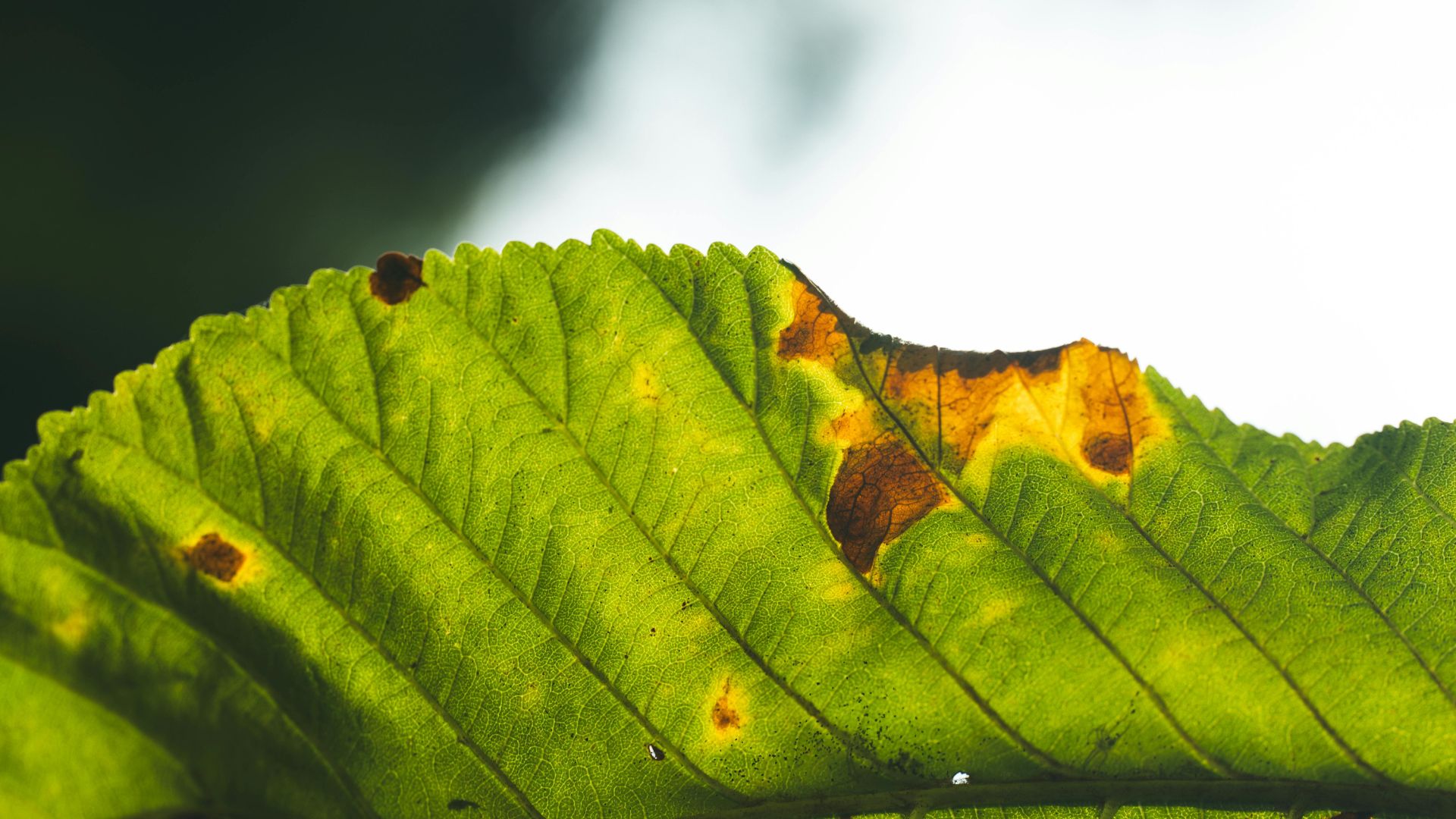
Understanding Leaf Spot and Fungus in Vegetables
Leaf spot and fungus present common challenges for gardeners, especially when growing vegetables. These issues not only detract from the visual appeal of your plants but can also jeopardize their health and overall yield. Therefore, understanding the causes and symptoms of leaf spot is crucial for any gardener aiming to maintain a thriving edible garden. If left unchecked, these fungal diseases can spread rapidly.
In this article, we will examine the identification, treatment, and prevention of leaf spot and fungus in vegetables. First, we will explore how to recognize the signs of these fungal infections. Next, we will discuss effective treatment options that can help save your crops. Furthermore, we will provide practical prevention strategies to ensure your garden remains healthy and productive. By the end, you will be equipped with the knowledge necessary to combat these challenges and protect your vegetable garden from the harmful effects of leaf spot and fungus.
Identifying Leaf Spot and Fungal Diseases in Vegetables
Identifying leaf spot and fungal diseases in vegetables is crucial for any gardener aiming to maintain a healthy crop. Recognizing these issues early can prevent significant damage to your plants. Leaf spot manifests as distinct, often irregularly shaped spots on leaves, which can be brown, yellow, or even black, depending on the specific fungus involved. These discolorations can lead to premature leaf drop, ultimately weakening the plant and reducing yields. For instance, if you notice a sudden appearance of spots on your tomato or cucumber leaves, it may indicate a fungal infection that requires prompt attention. Early detection is key, as it allows for timely intervention, which can save your plants from severe damage.
Common Symptoms of Leaf Spot
When it comes to leaf spot, symptoms vary widely among vegetable types. Generally, the first visible signs are small, dark spots that may enlarge and turn yellow as the disease progresses. Moreover, in some cases, you might observe a halo effect around the spots, which is indicative of certain types of fungal diseases. This symptom often suggests that the fungus is actively attacking the leaf tissue. Furthermore, in severe cases, the entire leaf may die, leading to a significant reduction in photosynthesis. Consequently, pay close attention to your plants and regularly inspect the undersides of leaves, since many fungal spores thrive there, often going unnoticed. Additionally, wilting or curling of leaves can also accompany leaf spot symptoms, indicating that the plant is under stress. Therefore, being vigilant about these signs can help you take action before the situation worsens.
Types of Fungal Diseases Affecting Vegetables
There are several fungal diseases that can affect vegetables, each presenting unique challenges. For instance, Alternaria leaf spot is common in tomatoes and can cause dark, concentric circles on the leaves. Conversely, downy mildew typically appears as a grayish-white fuzz on the undersides of leaves, often affecting cucumbers and squash. Additionally, powdery mildew, which looks like a white powdery coating, can impact a variety of vegetables, including peppers and beans. To combat these fungal diseases effectively, consider implementing crop rotation and proper spacing to enhance air circulation. Moreover, utilizing resistant plant varieties can significantly reduce the likelihood of infection.
Furthermore, maintaining optimal moisture levels in the soil can also help prevent fungal diseases, as overly wet conditions promote fungal growth. By understanding these diseases and their symptoms, you can take proactive measures to ensure the health and productivity of your vegetable garden. Implementing integrated pest management strategies, such as introducing beneficial insects or using organic fungicides, can further bolster your defenses against these persistent threats.
Comparative Analysis of Fungal Diseases in Edible Gardens
Fungal diseases can wreak havoc in edible gardens, particularly affecting vegetables. Understanding the various types of fungal infections in plants is essential for gardeners to ensure a bountiful harvest. Each fungal disease has its unique symptoms, causes, and treatments, making it crucial to identify them early. This comparative analysis will highlight some of the most common fungal diseases encountered in vegetable gardening, providing insights into their characteristics and management strategies. By familiarizing themselves with these diseases, gardeners can take proactive measures to protect their crops and maximize yield.
Overview of Fungal Diseases
Fungal infections can manifest in different ways, impacting plant health and productivity. For instance, powdery mildew typically appears as a white powdery coating on leaves, while downy mildew thrives in humid conditions, leading to yellowing leaves with dark mold underneath. Additionally, other diseases like black rot and botrytis blight can cause significant damage if not managed promptly. To aid in understanding these diseases better, the table below outlines the symptoms, causes, and treatments associated with various fungal diseases in vegetable gardens.
| Fungal Disease | Symptoms | Treatment |
|---|---|---|
| Powdery Mildew | White powdery spots on leaves | Fungicides, improve air circulation |
| Downy Mildew | Yellow spots on upper leaf surface, dark mold underneath | Fungicides, ensure proper drainage |
| Black Rot | V-shaped yellow lesions on leaves | Remove infected plants, copper fungicides |
| Botrytis Blight | Grayish mold on flowers and leaves | Remove infected tissue, fungicides |
The above table highlights key differences between these common fungal diseases. For example, powdery mildew can be particularly troublesome during dry conditions, while downy mildew prefers moist environments. Consequently, understanding these environmental preferences aids in prevention strategies. Moreover, recognizing the specific conditions that favor each disease can help gardeners implement targeted interventions, such as adjusting watering practices or improving air circulation around plants.
Impact on Vegetable Health
Fungal diseases not only affect the appearance of your plants but also their overall health and yield. For example, black rot can severely hinder the growth of cabbage and related crops, leading to significant yield losses. Similarly, botrytis blight can cause flowers to rot, reducing the harvest of fruits. Therefore, recognizing and treating these fungal infections promptly is vital for maintaining a productive vegetable garden.
Additionally, when left untreated, these diseases can lead to stress in plants, making them more susceptible to other pests and diseases. This vicious cycle can diminish the vitality of your garden, making it essential to adopt preventive measures as well as effective treatments. By understanding the impact of these fungal infections, gardeners can take proactive steps to protect their crops and ensure a healthy yield.
Furthermore, the economic implications of fungal diseases cannot be overlooked. For instance, a single outbreak of downy mildew can lead to substantial financial losses for commercial growers. Therefore, home gardeners should also consider the long-term effects of fungal infections on their gardening efforts. Investing time in prevention and early detection can save both time and resources in the long run.
Management Strategies for Fungal Diseases
To effectively manage fungal diseases in vegetable gardens, a combination of cultural practices, chemical treatments, and resistant varieties is essential. First, crop rotation can significantly reduce the incidence of fungal infections by disrupting the life cycles of pathogens. Moreover, selecting disease-resistant varieties of vegetables can provide an added layer of protection. For example, many tomato cultivars are bred specifically to resist common fungal diseases like blight.
Additionally, maintaining proper garden hygiene is crucial. This includes removing debris and infected plant material, which can harbor fungal spores. Furthermore, applying fungicides at the first sign of infection can help control the spread of disease. However, it is important to follow label instructions and consider the timing of applications to maximize efficacy. By implementing these management strategies, gardeners can significantly reduce the impact of fungal diseases and promote healthier vegetable crops.
Effective Treatment Strategies for Leaf Spot in Vegetables
Effective treatment strategies for leaf spot in vegetables can greatly enhance the health of your garden. These strategies encompass a range of options, from organic remedies to chemical treatments, each tailored to the severity of the infection. The key is to act swiftly upon noticing the first signs of leaf spot, as prompt intervention can prevent further spread and damage. By understanding the various treatment methods available, gardeners can make informed decisions that align with their gardening philosophy and environmental considerations.
Organic Treatments for Leaf Spot
Organic treatments often serve as the first line of defense against leaf spot. For example, a simple solution of baking soda and water can effectively control fungal growth. Mixing one tablespoon of baking soda with a gallon of water and a few drops of dish soap creates a powerful spray that can be applied to affected leaves weekly, particularly after rain. Additionally, neem oil acts as a natural fungicide, disrupting the life cycle of the fungus. It’s crucial to apply neem oil in the early evening to minimize leaf burn and maximize its effectiveness. Furthermore, rotating crops annually helps reduce the chance of fungal diseases taking hold, as many fungi thrive in specific conditions tied to certain plants. This practice not only disrupts the lifecycle of pathogens but also promotes soil health and biodiversity.
Moreover, incorporating beneficial microorganisms into the soil can enhance plant resilience against leaf spot. For instance, mycorrhizal fungi and certain bacteria can improve nutrient uptake and bolster the plant’s immune system. Consequently, these organic methods not only target existing infections but also create a healthier growing environment that discourages future outbreaks.
Chemical Treatments and Their Use
Chemical treatments can be effective but should be used responsibly and as a last resort. Specifically, fungicides containing chlorothalonil or copper compounds are common choices for managing leaf spot. However, before using these products, it’s crucial to read the label and ensure they are suitable for the specific vegetable you are treating. Moreover, applying fungicides at the first signs of infection increases their effectiveness. This proactive approach can significantly diminish the impact of the fungus and prevent further spread.
It’s wise to apply these chemicals in the early morning or late evening, as this minimizes exposure to beneficial insects, which can also be harmed by chemical treatments. Additionally, consider integrating integrated pest management (IPM) practices, which combine chemical treatments with cultural and biological controls. Consequently, using chemicals should be a last resort when organic methods fail, balancing efficacy with environmental considerations.
In summary, addressing leaf spot effectively requires a mix of organic and chemical treatment strategies. Always monitor your plants closely and choose the method that best fits your gardening philosophy and the severity of the infection. By being proactive and informed, you can maintain a healthier vegetable garden, keeping leaf spot at bay and ensuring a bountiful harvest.
Preventing Leaf Spot and Fungal Infections in Your Garden
Preventing leaf spot and fungal infections in your garden is essential for maintaining plant health and ensuring a thriving vegetable crop. Implementing effective disease prevention strategies can significantly reduce the risk of fungal outbreaks. Therefore, it is important to adopt a proactive approach by following best practices that not only protect your plants but also enhance their overall vitality. This section will highlight key gardening tips to help you safeguard your garden against these troublesome ailments.
Best Practices for Disease Prevention
Adopting best practices can make a world of difference in preventing leaf spot. First, regular monitoring of your plants is vital, as it allows you to identify any signs of distress early on. Furthermore, choosing disease-resistant plant varieties can be a game-changer. Additionally, proper spacing between plants improves airflow, thereby reducing humidity levels that favor fungal growth. Below, we’ve outlined some effective strategies and their effectiveness in preventing leaf spot.
| Best Practice | Effectiveness in Preventing Leaf Spot |
|---|---|
| Regular monitoring and inspection | High |
| Choosing disease-resistant varieties | Very High |
| Proper spacing for airflow | High |
| Use of mulch to prevent splashing | Moderate |
| Watering at the base of plants | High |
These practices not only help in disease prevention but also contribute to the overall health of your plants. For instance, regular inspection can help catch any problems before they escalate, thus saving your crops. Similarly, using mulch conserves moisture and minimizes soil splash, which often carries fungal spores.
Maintaining Plant Health
To maintain optimal plant health, a holistic approach is necessary. First, consider your watering techniques—water early in the day to allow leaves to dry by evening. This simple action helps prevent fungal spores from settling in damp conditions. Moreover, incorporating organic compost can enhance soil quality, providing nutrients that strengthen plants against diseases. Consequently, healthier plants are less susceptible to infections, making it essential to prioritize soil health.
In summary, staying vigilant and using the right gardening tips can greatly mitigate the risk of leaf spot and fungal infections. By implementing the best practices outlined above, you will not only enhance your garden’s resilience but also ensure a bountiful harvest. Remember, prevention is always easier than cure when it comes to maintaining a vibrant vegetable garden.
Case Studies: Successful Management of Leaf Spot in Vegetables
Managing leaf spot effectively in vegetable gardening is a true test of a gardener’s skills. By analyzing successful case studies, we can uncover practical treatment strategies and insights that have helped many overcome this common challenge. Gardeners have reported remarkable recoveries from leaf spot through a combination of timely intervention and consistent care. Whether you’re dealing with tomatoes, cucumbers, or leafy greens, learning from others can offer valuable guidance. Understanding these experiences not only enhances your knowledge but also empowers you to implement effective strategies in your own garden.
Real-Life Examples of Leaf Spot Management
One noteworthy case involved a community garden in Oregon where multiple gardeners faced severe leaf spot issues on their squash plants. Consequently, they organized a workshop to share treatment strategies. They discovered that applying a homemade mixture of baking soda and vegetable oil significantly reduced the symptoms. This simple yet effective solution worked by altering the pH of the leaf surface, making it less hospitable for the fungus. Additionally, they emphasized the importance of ensuring proper spacing between plants to enhance air circulation. This not only helped the squash recover but also prevented future outbreaks. Similarly, another gardener in New York used a copper-based fungicide, noting that consistent applications during the early stages of the outbreak led to a healthier crop overall. This case illustrates the effectiveness of proactive measures and the importance of community knowledge-sharing in overcoming gardening challenges.
Lessons Learned from Gardeners
From these experiences, several key takeaways emerge for managing leaf spot. First, early identification and intervention are crucial. Gardeners should regularly inspect their plants for any signs of spots and act immediately. Furthermore, crop rotation plays a vital role in preventing leaf spot; planting different crops in the same area each season can disrupt the lifecycle of the pathogens. For instance, rotating legumes with leafy greens can significantly reduce the risk of fungal diseases. Additionally, maintaining good soil health through organic amendments can strengthen plants against disease. Indeed, many gardeners have found that a holistic approach—combining cultural practices with targeted treatments—yields the best results. Moreover, incorporating companion planting can further enhance plant resilience. For example, planting marigolds alongside vegetables can deter pests that may exacerbate leaf spot issues. Thus, by learning from real-world examples, you can enhance your own strategies for dealing with leaf spot, ensuring your vegetable garden remains productive and vibrant.
Gardening Tips for Healthy Vegetables and Fungal Disease Resistance
Maintaining healthy vegetables while preventing fungal diseases requires a proactive approach. One of the most effective strategies involves selecting disease-resistant varieties. For example, certain tomato or squash varieties are bred specifically to resist common fungal infections, significantly reducing the risk of leaf spot and other related issues. By opting for these resistant types, gardeners can minimize the need for chemical treatments, aligning with organic gardening tips that promote sustainability and environmental health. This choice not only benefits the gardener but also contributes to a healthier ecosystem.
Choosing Resistant Varieties
When selecting seeds or seedlings, look for labels that indicate resistance to specific fungi. These labels often include codes or descriptions that signal their resilience. Moreover, local gardening centers frequently stock varieties known to perform well in your region, especially against prevalent diseases. Thus, investing in these varieties not only saves time and effort in disease management but also enhances your garden’s overall productivity. Additionally, rotating crops each season can further reduce the likelihood of fungal outbreaks, as it disrupts the life cycle of pathogens. For instance, if you grow tomatoes one year, consider planting legumes the next to naturally replenish soil nutrients and deter fungal growth.
Soil Health and Fungal Resistance
Soil health plays a critical role in preventing fungal diseases in vegetables. Healthy soil teems with beneficial microorganisms that compete with pathogenic fungi, thereby minimizing their impact. To promote soil health, consider incorporating organic matter, such as compost or well-rotted manure, which enriches the soil and improves drainage. Furthermore, ensure your garden has adequate aeration and moisture levels, as overly wet conditions can encourage fungal growth. Consequently, practicing crop rotation and cover cropping can enhance soil structure and fertility, making your vegetables less susceptible to fungal infections. Additionally, mulching can help retain soil moisture while preventing soil-borne diseases from splashing onto plants during rain. By focusing on both resistant varieties and soil health, you pave the way for a flourishing vegetable garden free from fungal diseases. This holistic approach not only ensures a bountiful harvest but also fosters a sustainable gardening practice that benefits future crops.
Key Takeaways for Managing Leaf Spot and Fungal Diseases
Key Takeaways for Managing Leaf Spot and Fungal Diseases
To summarize, effectively managing leaf spot and fungal diseases is essential for preserving the health and productivity of your vegetable garden. Recognizing the symptoms early on is crucial, as timely intervention can prevent these fungal infections from spreading. Therefore, understanding the characteristics of leaf spot and its impact on plant health is paramount for any gardener. For example, leaf spot can lead to reduced photosynthesis, ultimately affecting crop yield.
Moreover, implementing proactive treatment options and preventative measures can significantly reduce the risk of these issues. Regularly inspecting your plants, ensuring proper spacing for air circulation, and using disease-resistant varieties are all effective strategies. Additionally, rotating crops and maintaining clean garden tools can further minimize the likelihood of fungal infections. Consequently, these practices not only safeguard your vegetables but also enhance your overall gardening experience by promoting a healthier ecosystem.
Ultimately, the key to a thriving garden lies in maintaining vigilant plant health management. Don’t wait for leaf spot or fungus to take hold; take action today. Engage in regular monitoring and adopt preventive measures to ensure your vegetables flourish. With knowledge and proactive care, you can cultivate a vibrant and productive garden. Remember, a healthy garden today leads to bountiful harvests tomorrow! By staying informed and prepared, you can enjoy the fruits of your labor while minimizing the impact of these common diseases.
Watch the Video

Maurice Buffer is a plant care researcher and horticulture writer at Flinkool. He focuses on plant health, pest prevention, and practical cultivation techniques that help gardeners grow healthier plants.