Plant diseases pose a significant threat to agriculture and gardening, impacting crop yields and plant health on a global scale. Consequently, with the increasing prevalence of these diseases, effective disease management has become crucial for both hobbyists and professional growers. Understanding the widespread nature of plant diseases is essential, as it enables the implementation of timely and effective strategies to protect plants and ensure their vitality.
This article will delve into various management strategies that can help mitigate the effects of plant diseases. Specifically, we will explore preventative measures, treatment options, and best practices for maintaining plant health. Furthermore, we will discuss the importance of early detection and monitoring, as these components are vital in combating widespread plant diseases. By the end, you will be equipped with the knowledge needed to effectively manage and safeguard your plants against these relentless threats.
Understanding Plant Diseases and Their Impact
Plant diseases can wreak havoc on the delicate balance of our ecosystems and agricultural systems. They are caused by various pathogens, including fungi, bacteria, viruses, and nematodes, each posing unique challenges to plant health. For instance, fungal infections like powdery mildew can spread rapidly in humid conditions, while bacterial blights can devastate crops through water transmission. Understanding these diseases is crucial for managing them effectively and minimizing their impact on both crop yields and the environment. Furthermore, the economic implications of plant diseases can be profound, leading to increased costs for farmers and potential food shortages.
The Importance of Plant Health
Maintaining plant health is paramount for sustainable agriculture and ecosystem stability. Healthy plants are more resilient and better equipped to withstand environmental stressors and pests. Consequently, investing in plant health not only supports individual crops but also contributes to food security and biodiversity. Moreover, healthy plants can improve soil quality, enhance water retention, and provide habitats for beneficial insects. Therefore, protecting plants from diseases is essential for both ecological balance and agricultural productivity. Additionally, practices such as crop rotation and the use of disease-resistant plant varieties can further bolster plant health, making it a multifaceted approach to disease management.
Common Types of Plant Diseases
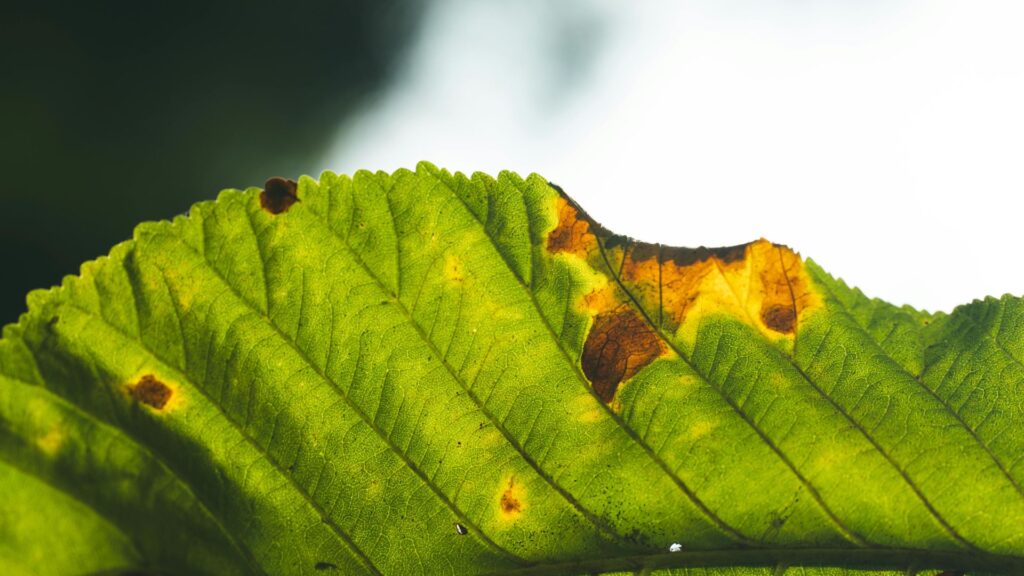
There are numerous plant diseases that affect various species, but some are more prevalent. For example, root rot, caused by pathogens like Phytophthora, can lead to significant losses in crops such as potatoes and tomatoes. Similarly, late blight, which devastated the Irish potato crop in the 19th century, remains a concern for modern growers. Additionally, leaf spot diseases can reduce photosynthesis efficiency, leading to decreased yields. Recognizing these common diseases is crucial for effective management. Furthermore, implementing integrated pest management strategies can help mitigate the spread of these diseases. For more comprehensive information on plant diseases, check out Plant diseases | UMN Extension, which provides integrated pest management strategies.
Understanding plant diseases and their impacts can help gardeners and farmers alike protect their crops. Moreover, monitoring for early disease symptoms is vital to ensuring plant health. By being proactive and employing a combination of preventative measures and treatments, you can safeguard your plants against these harmful threats and promote a thriving ecosystem. Ultimately, a holistic approach to plant disease management not only enhances crop productivity but also fosters resilience in our agricultural systems.
Key Strategies for Disease Management
Effective disease management is essential for maintaining plant health and ensuring robust agricultural practices. A variety of strategies exist to combat plant diseases, each offering unique benefits and challenges. By integrating multiple approaches, growers can enhance their ability to control diseases while minimizing the reliance on chemical treatments. This integrated approach not only allows for effective disease management but also promotes environmental sustainability. Moreover, understanding the specific needs of the crops and the local ecosystem is vital for selecting the most suitable strategies.
To illustrate the different strategies, the table below compares key disease management methods, highlighting their advantages and limitations. Understanding these strategies will guide growers in selecting the most appropriate control measures for their specific needs, ultimately leading to healthier plants and improved yields.
| Disease Management Strategy | Advantages | Limitations |
|---|---|---|
| Integrated Pest Management (IPM) | Reduces reliance on chemicals; promotes biodiversity | Requires ongoing monitoring and management |
| Cultural Practices | Enhances soil health; reduces disease incidence | May require significant changes to farming practices |
| Chemical Control | Quick and effective; widely available | Potential environmental impact; resistance issues |
Integrated Pest Management
Integrated Pest Management (IPM) is a holistic approach that combines various control measures to manage pests and diseases effectively. By emphasizing prevention, monitoring, and intervention, IPM minimizes the use of chemicals and prioritizes sustainable practices. For example, introducing beneficial insects, such as ladybugs, can help control pest populations naturally. Additionally, using pheromone traps can monitor pest levels without harming the environment. However, IPM requires continuous monitoring and adaptation to changing conditions, making it a dynamic yet demanding strategy. Therefore, growers must be committed to ongoing education and adjustment of their practices to ensure success.
Disease Control Measures
Disease control measures focus on specific tactics to mitigate the impact of plant diseases. These include cultural practices such as crop rotation, which helps break disease cycles, and maintaining proper plant spacing to improve airflow. Furthermore, implementing sanitation measures, like removing infected plant debris, can significantly reduce disease pressure. Chemical control can be effective for immediate intervention when diseases threaten plant health. However, relying solely on chemicals can lead to resistance and environmental concerns. Consequently, combining these control measures with a broader disease management strategy is crucial for long-term success. By diversifying their approaches, growers can create a more resilient agricultural system.
For those looking to implement more effective disease management techniques, understanding these strategies will empower you to safeguard your plants efficiently. By adopting a multifaceted approach, you can not only protect your crops but also contribute to a healthier ecosystem, thereby ensuring sustainable agricultural practices for the future.
Triage and Removal of Infected Plants
Triage and removal of infected plants is a critical step in managing plant diseases effectively. Triage refers to the process of assessing the severity of the infection and determining which plants require immediate attention or removal. This method ensures that the spread of disease is minimized, thereby protecting healthy plants in the vicinity. By prioritizing the sickest plants for removal, you can effectively halt the progression of pathogens and safeguard the overall health of your garden or agricultural area. Moreover, this proactive approach can save time and resources in the long run, as it prevents the need for more extensive treatments later on.
Assessing Plant Health
To effectively triage infected plants, start by assessing their health. Look for visible symptoms such as wilting, discoloration, or unusual spots. For instance, if you notice powdery mildew on a few leaves, check nearby plants for similar signs. Additionally, consider the stage of the disease; early detection can mean the difference between treatment and removal. Take detailed notes on the extent of the infection, as this will guide your decision-making process. In some cases, you may be able to treat the plant instead of removing it, especially if the infection is localized and the plant shows signs of recovery. Furthermore, employing diagnostic tools, such as soil tests or plant tissue analysis, can provide deeper insights into the health of your plants and the presence of pathogens.
Best Practices for Removal
When it comes to the removal of infected plants, doing so effectively is crucial to prevent further spread of disease. First, ensure you are wearing gloves and using sterilized tools to minimize contamination. Cut the infected plant at the base, and immediately place it in a sealed bag to prevent spores from dispersing. Additionally, don’t compost infected plants, as this can reintroduce pathogens into your garden. Instead, dispose of them according to local guidelines. After removal, disinfect your tools and the surrounding area to eliminate any lingering pathogens. To illustrate, using a bleach solution or commercial disinfectant can be effective in sanitizing your tools. Following these best practices will not only help manage existing infections but also contribute to the long-term health of your plants. By implementing these strategies, you create a healthier environment that fosters plant resilience and reduces the risk of future outbreaks.
Area-Wide Treatment Plans for Plant Diseases
Area-wide treatment plans are essential strategies in the fight against plant diseases, as they focus on collaborative efforts involving entire communities or regions. These plans address widespread outbreaks by coordinating actions among farmers, researchers, and agricultural extension services. Consequently, they enhance the effectiveness of disease management by ensuring that all stakeholders are engaged and informed. Moreover, area-wide approaches often leverage local knowledge and resources, optimizing the use of available treatments and cultivating a proactive stance against potential outbreaks. This collaborative framework not only addresses immediate threats but also builds a foundation for long-term resilience against future disease challenges.
To illustrate the effectiveness of area-wide treatment strategies, the table below showcases several successful case studies. These examples highlight how coordinated efforts have led to significant improvements in managing plant diseases across various regions, demonstrating the power of community collaboration in agricultural practices.
| Case Study | Description | Outcome |
|---|---|---|
| Citrus Greening in Florida | Collaboration among growers and researchers to implement integrated pest management. | Reduced disease incidence by 50%. |
| Coffee Leaf Rust in Colombia | National campaign to promote resistant varieties and fungicide application. | Yield increase of 30% in affected areas. |
| Potato Late Blight in Europe | A regional approach involving forecasting and coordinated spraying schedules. | 40% reduction in crop losses. |
Importance of Community Involvement
Community involvement is crucial in successful area-wide treatment plans. When local stakeholders participate, they contribute valuable insights and resources that enhance disease management efforts. Furthermore, collaborative actions foster a sense of responsibility and ownership among community members, motivating them to adhere to best practices. For instance, community workshops can educate growers on the importance of timely interventions and the shared responsibility of monitoring plant health. Additionally, involving local schools and organizations can further spread awareness and encourage participation among younger generations. Thus, community engagement not only strengthens the effectiveness of disease management but also builds resilience against future outbreaks, ensuring that knowledge and practices are passed down through the community.
Measuring Success
Measuring the success of area-wide treatment plans is vital for continuous improvement and adaptation. Key performance indicators, such as reductions in disease incidence and increased crop yields, provide tangible evidence of the plan’s effectiveness. Additionally, tracking the involvement of community members and stakeholder satisfaction can offer insights into the overall impact of the initiative. For example, surveys and feedback sessions can help identify areas for improvement and highlight successful strategies. Consequently, ongoing assessment allows for adjustments to be made, ensuring that the strategies remain relevant and effective. By fostering a culture of evaluation and adaptation, communities can better prepare for future challenges. For comprehensive insights on effective strategies, consider exploring these prevention techniques to stop disease spread.
Preventing Widespread Plant Diseases
Preventing widespread plant diseases is an essential aspect of safeguarding agricultural productivity and ensuring plant health. Effective disease prevention strategies can significantly reduce the incidence of infections, thereby promoting healthier plants and more robust yields. By prioritizing prevention, growers can avoid the costly consequences of plant diseases, such as reduced harvests and increased reliance on chemical treatments. Moreover, proactive measures help maintain environmental balance, as healthier plants contribute to a stable ecosystem. Additionally, the economic benefits of disease prevention are substantial; by investing in preventive practices, growers can save money in the long run by minimizing the need for expensive treatments and maximizing their crop output.
Furthermore, the importance of community engagement in disease prevention cannot be overstated. When growers share knowledge and experiences, they create a collective understanding that can lead to more effective strategies. This collaborative approach fosters a culture of vigilance and preparedness, which is vital in combating the ever-evolving threats posed by plant diseases.
Best Practices for Disease Prevention
Implementing best practices for disease prevention should be the first step in any growing strategy. First, crop rotation is a vital method that disrupts the life cycles of pathogens, reducing their presence in the soil. By alternating different crops in a specific sequence, growers can effectively minimize the risk of soil-borne diseases. Additionally, selecting disease-resistant plant varieties can make a significant difference; these varieties are bred specifically to withstand certain diseases, enhancing overall plant health. Furthermore, maintaining proper sanitation in the garden or farm, such as cleaning tools and removing debris, minimizes the risk of disease spread. To illustrate, a simple practice like removing fallen leaves can prevent fungal diseases from taking hold. Moreover, ensuring adequate air circulation around plants can help reduce humidity levels, which are conducive to disease development.
Role of Education
Education plays a crucial role in disease prevention. By equipping growers and gardeners with knowledge about plant diseases, they can more effectively identify and manage potential threats. Access to educational resources, such as workshops, online courses, and informative articles, empowers individuals to adopt best practices. Additionally, staying informed about the latest research and recommendations enhances understanding of emerging diseases and their prevention. For further reading, check out 10 Common Outdoor Plant Diseases with Photos & Prevention Tips, which provides detailed descriptions and practical tips for managing specific plant diseases. Ultimately, education fosters a proactive mindset, enabling growers to implement effective disease prevention strategies and promote long-term plant health. Additionally, community workshops can serve as platforms for sharing experiences and strategies, further enhancing collective knowledge and resilience against plant diseases.
Your Action Plan for Effective Disease Management
Ultimately, your action plan for effective disease management should focus on proactive measures that prioritize plant health. By understanding the specific threats posed by various pathogens, you can implement targeted strategies that mitigate risks and enhance the resilience of your plants. Regular monitoring and early detection are essential, as they allow for timely interventions that can prevent the spread of diseases. For example, utilizing tools such as soil tests and plant inspections can help identify potential issues before they escalate.
To summarize, integrating preventative practices such as crop rotation, proper sanitation, and using disease-resistant varieties can significantly improve your chances of maintaining healthy plants. Additionally, employing appropriate treatment options when diseases are detected will further support your efforts in safeguarding plant health. Therefore, staying informed and adaptable in your approach to disease management is crucial. This may involve attending workshops or accessing online resources that provide the latest research and techniques in plant disease management.
Moreover, don’t hesitate to reach out to local agricultural extensions or gardening communities for advice and support. Engaging with fellow gardeners can provide valuable insights and shared experiences that enhance your understanding of disease management. Lastly, as plant diseases continue to evolve, remaining vigilant and proactive will ensure that your gardens and crops thrive for years to come. Embrace these strategies today, and take the first step toward effective disease management for a healthier, more resilient garden. By doing so, you not only protect your plants but also contribute to a more sustainable agricultural future.