Mites and fungus are often overlooked threats to plant health; however, they can cause significant damage to leaves. These tiny pests and pathogens, while seemingly insignificant, can lead to extensive harm, affecting not only the aesthetics of plants but also their overall vitality. Therefore, understanding how mites and fungus damage leaves is essential for any gardener or plant enthusiast aiming to maintain a thriving garden.
In this article, we will explore the specific ways in which mites and fungus attack leaves, detailing the symptoms to watch for and the potential consequences of unchecked infestations. Additionally, we will discuss effective prevention strategies and treatment options to safeguard your plants. By the end, you will be equipped with the knowledge needed to protect your greenery from these destructive entities. Indeed, a healthy garden begins with understanding its adversaries.
Identifying Leaf Damage Caused by Mites
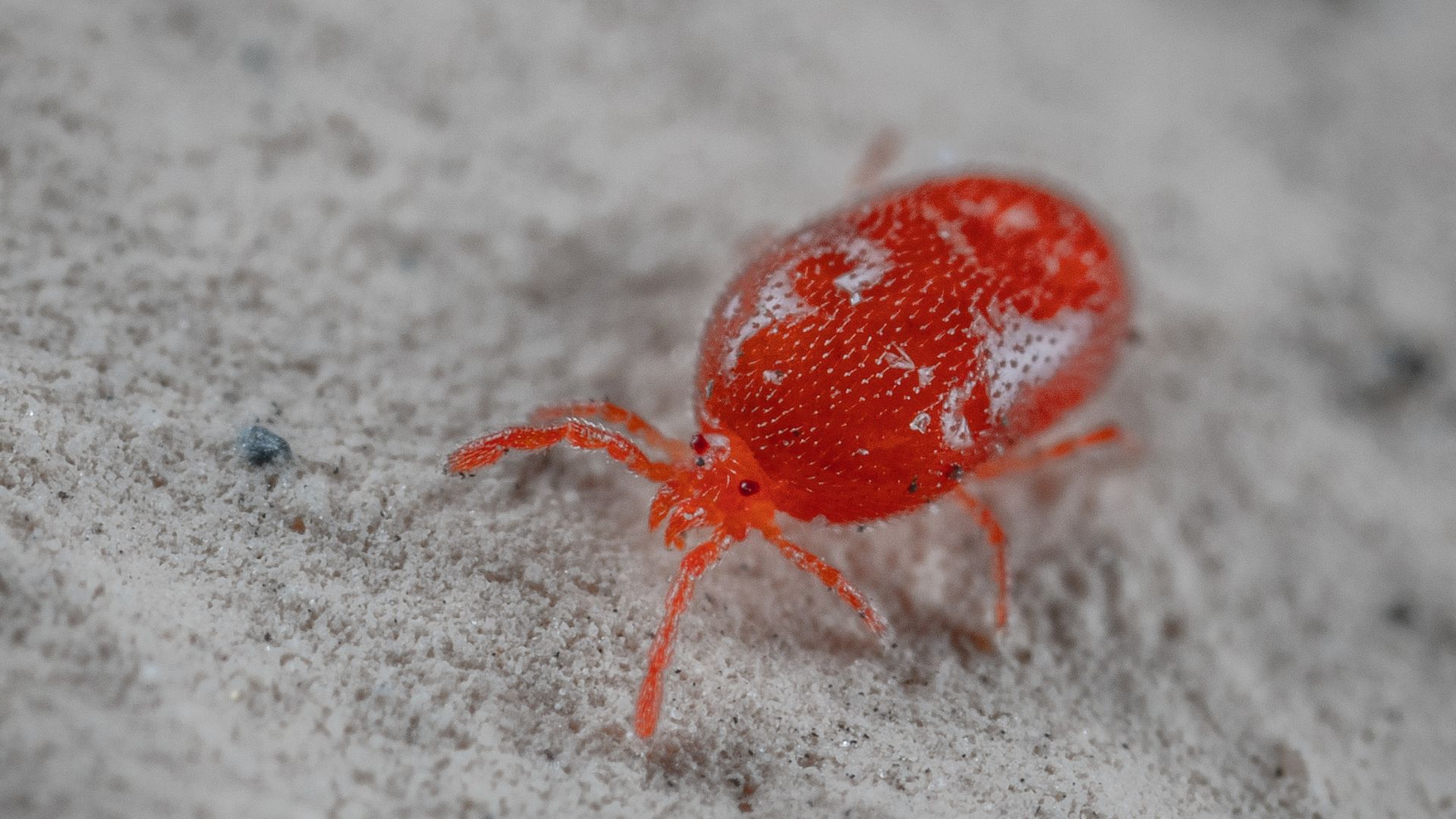
Identifying leaf damage caused by mites is essential for maintaining healthy plants. Mites are small arachnids that can be difficult to detect due to their minuscule size, often leading to significant damage before gardeners notice any signs. Understanding the symptoms of mite damage on leaves will enable you to take swift action and prevent further harm. These pests can cause a variety of issues, impacting both the appearance and health of your plants. Therefore, knowing what to look for is crucial for effective plant care.
Common Symptoms of Mite Damage
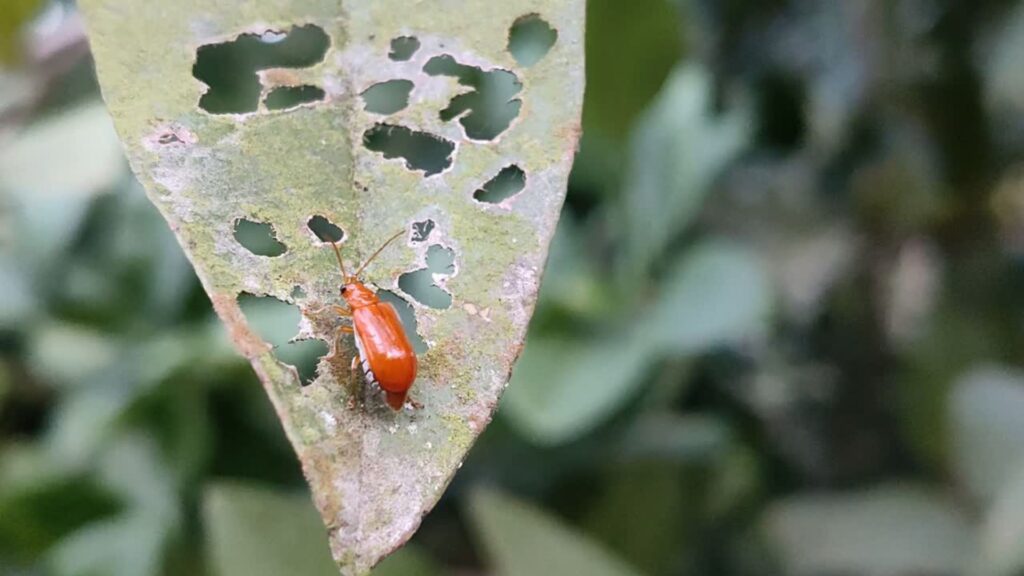
Mite damage typically manifests through several key symptoms on leaves. For instance, you may notice stippling or tiny yellow spots on the leaf surface, which occur as mites feed on plant sap. This feeding can weaken the plant, making it more susceptible to other diseases. Additionally, leaves may appear discolored or bronzed, particularly on the upper side. Moreover, some plants may exhibit a fine webbing, especially when infestations become severe. This webbing is a telltale sign that mites are present, as they create silk threads to protect themselves and their eggs. Consequently, if you observe these symptoms, it’s time to investigate further and consider treatment options. Regular monitoring can help catch infestations early, thereby minimizing damage.
Identifying Different Types of Mites
There are various types of mites that can affect plants, with spider mites being the most common. These pests thrive in hot, dry conditions and prefer tender leaf tissue. Similarly, broad mites and cyclamen mites are also troublesome, particularly in greenhouse settings. Broad mites cause leaf curling and stunted growth, while cyclamen mites lead to overall plant decline and distorted leaves. To illustrate, while spider mites may produce webbing, broad and cyclamen mites often go unnoticed until significant damage has occurred. Therefore, regular inspections and a keen eye for subtle changes are essential for effective mite management.
Prevention and Treatment Strategies
To effectively combat mite infestations, it is vital to implement both preventive measures and treatment strategies. First, maintaining optimal humidity levels can deter mite populations, as they thrive in dry environments. Additionally, introducing beneficial insects, such as ladybugs or predatory mites, can help control mite numbers naturally. If infestations are detected, consider using insecticidal soaps or neem oil, which are effective against various mite species. Furthermore, regularly cleaning your plants and removing any infested leaves can significantly reduce the spread of these pests. By staying vigilant and proactive, you can protect your plants from the damaging effects of mites.
Understanding Fungal Infections and Their Impact on Leaves
Fungal infections in plants can lead to a myriad of issues, particularly affecting leaves. These infections arise from various types of fungi that thrive in warm and humid environments, making certain conditions ripe for their proliferation. As gardeners, recognizing these infections is vital to maintaining plant health. Not only do fungal infections lead to unsightly leaf discoloration and damage, but they can also stunt growth and reduce a plant’s overall vitality. Additionally, these infections can weaken plants, making them more susceptible to other pests and diseases. Understanding the impact of fungi on leaves allows for more effective prevention and treatment strategies, ultimately ensuring a flourishing garden.
Common Fungal Infections in Plants
Several common fungal infections affect plants, each causing unique symptoms and damage. For example, powdery mildew is one of the most recognizable types, presenting as a white, powdery coating on leaves. This fungus thrives in dry conditions but can lead to leaf distortion and reduced photosynthesis, significantly impacting plant health. Another prevalent issue is leaf spot disease, which manifests as dark, water-soaked lesions on leaves. As the infection progresses, these spots can enlarge and cause premature leaf drop, leading to a decline in overall vigor. Similarly, downy mildew appears as yellow patches on the upper leaf surface, accompanied by a fuzzy, gray growth underneath. These infections can spread rapidly under favorable conditions, making timely identification essential. Consequently, understanding these types of fungi is crucial for effective intervention and management.
Symptoms of Fungal Damage on Leaves
Identifying the symptoms of fungal damage on leaves can help you address issues before they escalate. One of the most common signs is leaf discoloration, specifically yellowing or browning. This discoloration often indicates an infection, particularly when accompanied by spots or patches. Additionally, you might notice wilting or curling of leaves, which can signal a more advanced fungal infection. For instance, if leaves appear to be dying back from the tips, it may point to root rot caused by fungal pathogens. Furthermore, plants suffering from severe fungal infections may show stunted growth or an overall decline in vigor. In some cases, you may also observe a powdery or fuzzy texture on the leaves, indicating the presence of specific fungal species. Therefore, keeping a close eye on your plants for these symptoms is essential to combat fungal infections effectively.
By understanding fungal infections in plants and their impact on leaves, you can take proactive measures to protect your garden. Regular monitoring, combined with appropriate treatment options, will help maintain the health and beauty of your plants. Moreover, implementing cultural practices such as proper watering techniques and ensuring adequate air circulation can significantly reduce the risk of fungal infections. Thus, a comprehensive approach to plant care will not only safeguard your greenery but also enhance its resilience against future threats.
Comparing Damage from Mites vs. Fungi
Mites and fungi can both cause significant damage to leaves, but their effects and symptoms vary widely. Understanding these differences is crucial for effective plant care and protection. By comparing these two threats, we can better appreciate how to safeguard our plants and ensure their health. Identifying the specific indicators of mite or fungal damage is essential, as this knowledge can guide effective treatment strategies. The following table highlights the key differences in symptoms and effects on plant health caused by mites versus fungi.
| Symptoms/Effects | Mites | Fungi |
|---|---|---|
| Leaf Appearance | Stippling, yellow spots | Discoloration, moldy patches |
| Leaf Texture | Fine webbing, bronzing | Soft, mushy areas |
| Growth Impact | Stunted growth, leaf drop | Wilting, rot, decay |
Differences in Symptoms
Mites often cause specific symptoms that can easily be mistaken for other issues. For example, stippling on leaves is a common sight, characterized by tiny yellow dots where the mites have sucked the sap. This feeding behavior not only affects the leaf’s appearance but also diminishes the plant’s overall vitality. Additionally, the presence of fine webbing indicates a heavy infestation, which can lead to bronzed leaves and overall decline. In contrast, fungi present with more pronounced symptoms such as discolored spots or patches that may appear fuzzy or mold-like. These fungal infections can lead to a rapid deterioration of leaf tissue, making it essential to differentiate between these symptoms to address the problem effectively.
Impact on Plant Health
The impact of mites and fungi on plant health can be profound. Mite infestations can lead to stunted growth, leaf drop, and even death if left untreated. These tiny pests reduce the plant’s ability to photosynthesize effectively, weakening its overall vitality. Consequently, a severely infested plant may struggle to thrive, making it more susceptible to additional stressors, such as drought or nutrient deficiencies. Conversely, fungal infections can cause wilting and decay, leading to severe structural damage. Fungi can also spread rapidly, affecting multiple plants in proximity, which can result in widespread loss in a garden or greenhouse. Therefore, while both mites and fungi pose risks to plant health, the extent and nature of their damage differ significantly. Understanding these differences can help gardeners implement targeted management strategies to preserve their plants.
Treatment and Prevention Strategies
To effectively combat the damage caused by mites and fungi, gardeners must adopt specific treatment and prevention strategies. For mites, introducing natural predators like ladybugs or using insecticidal soaps can help manage infestations. Additionally, maintaining proper plant care, such as adequate watering and nutrient supply, can bolster a plant’s defenses. On the other hand, managing fungal infections often requires the use of fungicides and improving air circulation around plants to reduce humidity, which fosters fungal growth. Regularly inspecting plants for early signs of damage is crucial for both pests and pathogens, as prompt action can prevent severe infestations. By understanding and addressing the unique challenges posed by mites and fungi, gardeners can ensure healthier, more resilient plants.
Effective Pest Control Strategies for Mites and Fungi
Effective pest control strategies for mites and fungi are essential for maintaining healthy plants and ensuring robust growth. By employing a proactive approach, you can significantly reduce the risk of infestations. First and foremost, understanding the role of cultural practices in plant care can help you create an environment that discourages these pests. Moreover, knowing when to introduce chemical treatments can provide an effective layer of defense against more severe outbreaks. Let’s explore these strategies in detail, emphasizing the importance of both prevention and intervention.
Cultural Practices for Prevention
Cultural practices play a pivotal role in preventing mite and fungal infestations. To illustrate, maintaining proper watering techniques is crucial; overwatering can create a damp environment conducive to fungal growth. Conversely, underwatering can stress plants, making them more vulnerable to pests. Additionally, ensuring good air circulation around your plants helps reduce humidity levels, making it less inviting for pests. Regularly inspecting plants for signs of distress, such as wilting or discoloration, allows for early intervention. Furthermore, incorporating beneficial insects, like ladybugs and predatory mites, can naturally keep pest populations in check. These insects prey on harmful mites, thereby reducing their numbers without the need for chemicals. Consequently, these preventive measures form a solid foundation for effective pest control, promoting healthier plants and reducing the likelihood of infestations.
Chemical Control Options
When cultural practices are insufficient, chemical control options may be necessary. Specifically, insecticidal soaps and neem oil are excellent choices for managing mite populations while being relatively safe for plants. These products work by disrupting the pests’ life cycles, making it harder for them to thrive. Additionally, fungicides can effectively treat fungal infections, particularly when applied at the first sign of trouble. For example, a targeted fungicide can prevent the spread of powdery mildew, a common fungal issue. However, be sure to follow the manufacturer’s instructions closely to avoid harming beneficial organisms in your garden. Therefore, using these chemical treatments judiciously enhances your overall pest control strategy and protects your prized plants. Moreover, consider rotating different types of treatments to prevent pests from developing resistance, ensuring long-term effectiveness in your pest management efforts.
Common Fungal Infections and Their Treatments
Fungal infections pose a significant threat to plant health, leading to a range of issues from cosmetic damage to severe vitality decline. Therefore, understanding the common types of fungal infections that affect plants and their respective treatments is essential for any gardener. By recognizing early symptoms and applying effective treatments, you can help ensure your plants thrive despite these challenges.
In the following sections, we will outline the symptoms associated with common fungal infections, followed by treatment options to combat these plant health issues. This knowledge empowers you to take proactive measures, safeguarding your garden from the detrimental effects of fungi.
Symptoms of Common Fungal Infections
Fungal infections exhibit a variety of symptoms, which can vary depending on the type of fungus involved. For example, powdery mildew is characterized by a white, powdery coating on leaves. Conversely, root rot may result in yellowing leaves and wilting. Moreover, leaf spots can indicate various fungi, often appearing as circular, dark lesions. It is crucial to monitor your plants for these signs, as early detection can significantly enhance treatment effectiveness. Consequently, being vigilant about plant health will enable you to address issues before they escalate.
Treatment Options for Fungal Infections
When treating fungal infections, several options are available. Fungicides can be effective; however, it is essential to select the right type based on the specific fungus impacting your plants. For instance, neem oil works well against powdery mildew, while copper-based fungicides can effectively target leaf spots. Additionally, maintaining proper air circulation and ensuring plants are not overcrowded can help prevent the spread of fungal infections. To illustrate the various options, the table below summarizes common fungi and their respective treatment strategies.
| Common Fungi | Symptoms | Treatment Options |
|---|---|---|
| Powdery Mildew | White powdery spots | Neem oil, sulfur-based fungicides |
| Leaf Spots | Dark circular lesions | Copper fungicides, regular pruning |
| Root Rot | Yellowing leaves, wilting | Improve drainage, remove infected roots, fungicides |
| Downy Mildew | Yellow patches, gray fuzz | Fungicides, improve air circulation |
Understanding the symptoms and treatment options for fungal infections can significantly impact your garden’s health. By being proactive and informed, you can effectively combat these issues, ensuring your plants remain healthy and vibrant.
Recognizing Symptoms of Leaf Discoloration
Recognizing leaf discoloration is crucial for any gardener aiming to maintain vibrant and healthy plants. Discoloration can signal various underlying problems, often related to pests like mites or diseases caused by fungi. Being aware of the symptoms can help you identify and address issues before they escalate. For example, changes in leaf color can indicate nutrient deficiencies, environmental stress, or even infestations. Therefore, understanding these symptoms is the first step toward ensuring a thriving garden.
Moreover, timely recognition of these symptoms can prevent irreversible damage, allowing you to take proactive measures. For instance, if you notice a sudden change in leaf color, it may be wise to investigate further, as this could be an early warning sign of a more serious issue. Consequently, developing a keen eye for these changes can significantly enhance your gardening success.
Types of Leaf Discoloration
Leaf discoloration can present in numerous ways, each hinting at specific issues. Yellowing leaves, or chlorosis, frequently indicate a lack of essential nutrients such as nitrogen, iron, or magnesium. In contrast, browning edges may suggest underwatering or salt buildup, while dark spots can signify fungal infections or bacterial issues. Similarly, a reddish or purplish hue may emerge due to stress factors like cold temperatures or poor soil conditions. By recognizing these distinct types, you can better diagnose the root cause of the problem.
Additionally, mottled or patchy discoloration can indicate pest infestations, including mites. These symptoms often serve as visual cues that prompt further investigation into the plant’s health. Thus, understanding the various manifestations of leaf discoloration is essential for effective plant care.
Causes of Leaf Discoloration
The causes of leaf discoloration are diverse, often stemming from environmental, nutritional, or pest-related factors. For instance, overwatering can lead to root rot, resulting in yellowing leaves. Conversely, insufficient light can cause leaves to turn pale and weak. Additionally, pests like mites can cause discoloration through their feeding habits, which damage plant tissues. To illustrate, if you notice stippling or tiny yellow spots, it may be due to a mite infestation.
Furthermore, environmental stressors such as extreme temperatures or poor soil drainage can exacerbate these issues. Therefore, assessing your plants’ environment and care routine is essential in pinpointing the cause of leaf discoloration and implementing appropriate remedies. By taking a holistic approach to plant care, you can effectively mitigate the risks associated with these damaging factors.
Bringing It All Together: Protecting Your Plants from Mites and Fungi
To summarize, protecting your plants from mites and fungus requires vigilance and proactive plant care. Understanding the specific ways these pests and pathogens damage leaves is the first step in safeguarding your greenery. Mites can cause leaf stippling and discoloration, while fungus can lead to wilting and decay. By recognizing these symptoms early, you can take swift action to minimize damage and maintain the vitality of your plants.
Moreover, it is crucial to familiarize yourself with the life cycles of these pests. For instance, knowing when mites are most active can help you time your inspections and treatments effectively. Similarly, understanding the environmental conditions that foster fungal growth can guide your preventive measures.
Furthermore, employing effective prevention strategies is essential. Regularly inspecting your plants, maintaining proper air circulation, and using organic treatments can significantly reduce the risk of infestations. Additionally, consider rotating your plants or using companion planting techniques to disrupt pest cycles. Ultimately, a well-informed gardener is better equipped to combat these threats, ensuring a thriving garden.
Therefore, make plant care a priority in your gardening routine. By integrating these practices, you not only protect your plants from mites and fungus but also foster a healthier environment for them to flourish. Lastly, remember that a little diligence goes a long way in preserving the beauty and health of your garden for years to come. By staying proactive and informed, you can enjoy a vibrant and resilient garden, free from the damaging effects of mites and fungi.
Watch the Video

Maurice Buffer is a plant care researcher and horticulture writer at Flinkool. He focuses on plant health, pest prevention, and practical cultivation techniques that help gardeners grow healthier plants.