Monitoring for early disease symptoms in plants is crucial for maintaining optimal plant health and productivity. Early detection allows for timely intervention, which can prevent widespread damage and ensure that your plants thrive. By keeping a close eye on your plants, you can spot potential issues before they escalate into serious problems, ultimately saving time and resources in the long run. Moreover, understanding the signs of disease can help you make informed decisions about treatment options, thereby enhancing the overall resilience of your garden or crops.
In this article, we will explore effective strategies for establishing a scouting routine that focuses specifically on identifying disease symptoms. Additionally, we will discuss various techniques for monitoring plant health, including visual inspections, soil analysis, and the use of modern technology such as drones and sensors. By the end, you’ll be equipped with practical tips to enhance your plant care regimen, ensuring your garden or crops remain vibrant, productive, and less susceptible to diseases.
Understanding Disease Symptoms in Plants
Understanding disease symptoms in plants is essential for gardeners and farmers alike. Recognizing these symptoms early can significantly influence plant health, making it easier to address issues before they worsen. Plants exhibit a variety of symptoms that can indicate disease, including discoloration, wilting, and unusual growth patterns. For instance, leaf discoloration may signal nutrient deficiencies or environmental stress, while wilting could suggest root problems. By familiarizing yourself with these signs, you empower yourself to take action promptly, thereby ensuring the longevity and productivity of your plants. Additionally, understanding the underlying causes of these symptoms can lead to more effective management strategies, ultimately fostering a healthier garden ecosystem.
Common Early Disease Symptoms
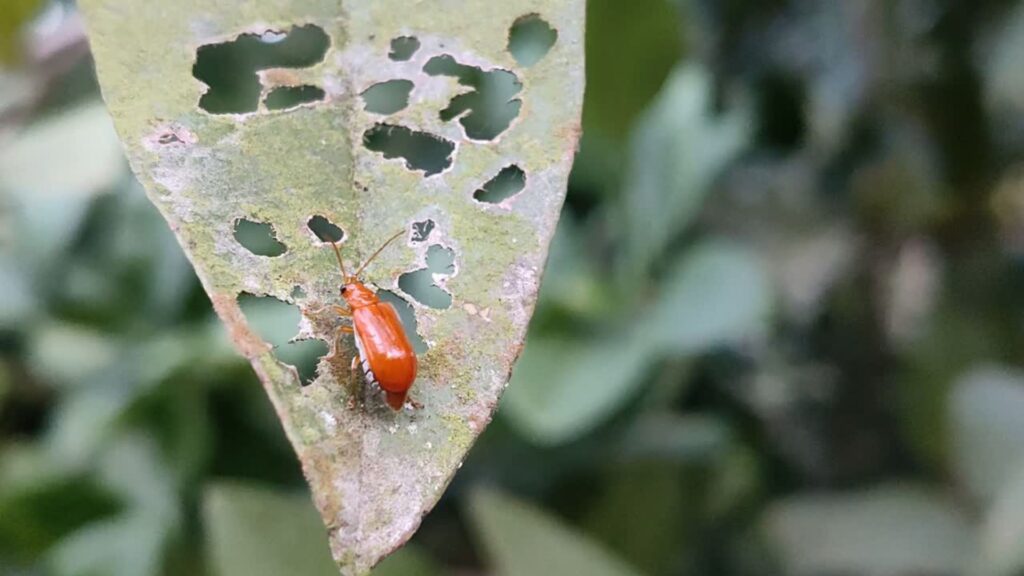
One of the first signs of disease can be leaf spots or yellowing leaves, which often indicate fungal or bacterial infections. For example, if you notice small brown spots on the foliage, it may suggest a fungal disease like leaf blight. In addition, wilting, despite adequate watering, can signal root rot or other underlying issues. Moreover, stunted growth may indicate that your plants are struggling against pests or pathogens. Regularly monitoring these symptoms is crucial, as early detection can lead to more effective treatment options. To illustrate, a gardener who routinely inspects their plants can catch a minor infection before it spreads, saving both time and resources. To further enhance your knowledge, you can learn about early plant disease symptoms that will aid in your gardening efforts.
Impact of Ignoring Symptoms
Neglecting early signs of disease can have dire consequences for your plants. For instance, a minor fungal infection can spread rapidly if left untreated, potentially affecting an entire crop. Consequently, this can lead to significant financial losses and reduced yields. Similarly, pests that are allowed to proliferate may not only damage one plant but can quickly move to others, compounding the problem. Therefore, addressing symptoms promptly not only safeguards individual plants but also protects the overall ecosystem of your garden. Furthermore, the longer you wait to intervene, the more challenging and costly the treatment may become. As noted by The Science of Detecting Disease Before Symptoms, understanding the science behind early diagnostics is vital for effective plant management. By prioritizing early detection, you ensure healthier plants and a more vibrant garden, ultimately creating an environment where your plants can thrive.
Setting Up a Weekly Scouting Routine
Establishing a weekly scouting routine is essential for effective plant monitoring and early detection of diseases. A structured approach not only helps you keep track of your plants’ health but also enables you to identify stressors before they escalate into significant problems. By dedicating time each week to observe your plants closely, you can quickly spot any signs of trouble, making it easier to implement timely interventions. This proactive strategy is crucial for maintaining vibrant and productive gardens or crops.
To create an effective scouting routine, you must incorporate key components that will guide your observations. These components focus on specific aspects of plant health that require attention. Here’s a breakdown of the essential components and their timing, which will help streamline your scouting efforts.
Key Components for Effective Plant Monitoring
A successful scouting routine consists of various components that ensure comprehensive monitoring. First, visual inspections are crucial; they allow you to assess the overall health of your plants. Additionally, soil checks are important for evaluating moisture levels and nutrient content. Furthermore, keep an eye out for pests and their signs, as they can lead to diseases if left unchecked. Recording your observations in a log can help you track changes over time, thereby informing your future actions.
| Component | Description | Timing |
|---|---|---|
| Visual Inspections | Examine leaves, stems, and flowers for signs of disease | Weekly |
| Soil Checks | Assess moisture and nutrient levels | Bi-weekly |
| Pest Monitoring | Look for pests and their damage | Weekly |
| Record Keeping | Log observations and changes | After each inspection |
Timing and Frequency of Scouting
Timing is a crucial aspect of your scouting routine. For example, frequent inspections during the growing season can help you catch issues early. Ideally, scouting should occur at least once a week; however, during critical periods, such as flowering or fruiting, you may want to increase the frequency. Moreover, consider seasonal changes and adjust your routine accordingly. For instance, during rainy seasons, the likelihood of fungal diseases increases, so be diligent in your checks. Consequently, by following this structured approach, you can significantly enhance your plant monitoring efforts.
Establishing a regular scouting routine is a vital step in ensuring the health of your plants. By understanding the components and timing involved, you can implement effective disease management strategies. For more insights on this topic, explore effective disease management strategies.
Scouting Techniques for Different Types of Plants
Scouting techniques for agriculture vary significantly between different plant types. Tailoring your approach can lead to more effective monitoring, early detection of diseases, and ultimately healthier crops. Understanding the specific needs of your plants will enhance your scouting efforts, allowing for timely interventions that can save resources and improve yields. Additionally, incorporating seasonal changes and local environmental conditions into your scouting routine can further refine your strategy. For example, certain diseases may be more prevalent during specific weather patterns, making it crucial to adjust your monitoring frequency accordingly.
Techniques for Vegetables
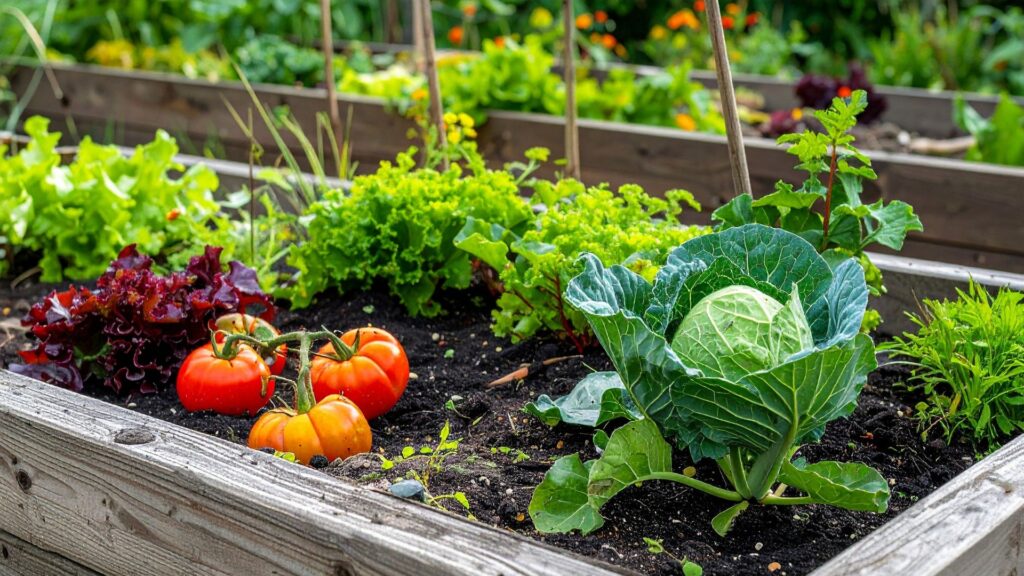
When scouting vegetables, visual inspections are essential. Start by checking for any discoloration or wilting leaves, as these are often early indicators of disease. Specifically, leafy greens like spinach and lettuce are prone to downy mildew, so look for fuzzy patches on the underside of leaves. Moreover, monitoring soil moisture levels can help prevent root diseases, which can devastate your crop. Utilize tools like moisture meters to gauge the soil’s condition accurately, ensuring that your plants receive the right amount of water. Additionally, consider implementing a scouting schedule, inspecting your garden every few days. This routine allows for the early identification of issues, ensuring a proactive approach to plant health. Furthermore, documenting your observations can help track patterns over time, providing valuable insights for future growing seasons.
Techniques for Fruits
For fruit-bearing plants, consider using a combination of visual and technological scouting techniques. Regularly inspect fruits for abnormal color changes or blemishes, which may indicate pest infestations or diseases. Moreover, utilizing drones equipped with infrared cameras can provide a bird’s-eye view of your orchard, revealing stress patterns invisible from the ground. These advanced scouting methods can help you identify issues early on, thereby enhancing your overall management strategy. To illustrate, apple trees are particularly susceptible to diseases like apple scab; hence, regular monitoring is crucial. Additionally, integrating soil health assessments into your scouting routine can further enhance fruit quality and yield. As noted by AHA, technology trends in early disease detection can bolster your efforts in maintaining fruit health. By combining traditional and modern techniques, you can create a comprehensive scouting plan that addresses the unique challenges of fruit cultivation.
In summary, customizing scouting techniques for vegetables and fruits is vital. By employing targeted strategies and embracing technology, you can effectively monitor your plants and react swiftly to emerging threats. This proactive stance not only safeguards plant health but also enhances productivity in your agricultural endeavors. Ultimately, a well-rounded scouting approach can lead to more resilient crops and a more sustainable farming practice.
Comparison of Traditional vs. Modern Monitoring Techniques
Monitoring techniques for plant health have evolved significantly over the years. Traditional methods, which primarily rely on human observation, are now complemented by modern technologies that enhance early detection capabilities. Understanding the differences between these two approaches is essential for effective disease management in plants. Each method has its advantages and disadvantages, influencing how gardeners and farmers monitor their crops.
Overview of Traditional Monitoring Techniques
Traditional monitoring techniques focus on visual inspections and manual scouting. Farmers and gardeners often depend on their experience and knowledge to identify signs of disease. This approach allows for a personal touch, as observers can assess the plant’s overall health and environmental conditions. However, this method can be time-consuming and subjective, leading to potential oversights. Moreover, identifying symptoms may require extensive training and familiarity with various plant diseases. Consequently, while traditional techniques are foundational, they may not provide the most efficient means for early detection.
Overview of Modern Monitoring Techniques
In contrast, modern monitoring techniques employ advanced technologies such as drones, sensors, and imaging systems. These tools enable real-time data collection and analysis, providing more accurate insights into plant health. For instance, drones equipped with multispectral cameras can identify stress levels in plants much earlier than the naked eye. Furthermore, these methods allow for monitoring large areas quickly, significantly enhancing early detection capabilities. However, they can come with high initial costs, and some farmers may lack the technical expertise to interpret the data effectively. Thus, while modern techniques offer significant advantages, they also require investment and training.
| Feature | Traditional Techniques | Modern Techniques |
|---|---|---|
| Detection Method | Visual inspections | Drones and sensors |
| Speed | Time-consuming | Quick and efficient |
| Accuracy | Subjective and experience-based | Data-driven and precise |
| Cost | Low initial investment | Higher initial and operational costs |
| Training Requirement | Extensive knowledge needed | Technical expertise required |
Both traditional and modern monitoring techniques have unique strengths and weaknesses. Traditional methods foster a personal connection to plant health but may lack efficiency and accuracy. Conversely, modern techniques enhance early detection and scalability but require investment and expertise. By understanding these differences, you can choose the best approach for your specific needs in maintaining plant health and ensuring timely interventions for disease management.
Preventive Measures for Early Disease Detection
Preventive measures are vital in sustaining the health of plants and ensuring early disease detection. Implementing strategic agricultural practices can significantly reduce the risk of health issues before they manifest. First, maintaining proper soil health is crucial. Healthy soil promotes robust plant growth, making them less susceptible to diseases. Regular soil testing allows you to understand nutrient levels and pH, enabling you to make informed adjustments. Additionally, crop rotation is an effective strategy; by alternating the types of crops planted, you can disrupt pest and disease cycles, minimizing their impact. This practice not only enhances soil fertility but also helps in managing soil-borne pathogens, thereby contributing to a healthier ecosystem.
Moreover, integrating cover crops into your farming routine can further enhance soil health. Cover crops prevent erosion, improve soil structure, and suppress weeds, which can harbor pests and diseases. By fostering a diverse soil environment, you create a natural barrier against potential threats. Consequently, these preventive measures not only protect your plants but also promote sustainable agricultural practices.
Cultural Practices
Cultural practices form the backbone of preventive measures in agriculture. These practices include proper spacing between plants to enhance air circulation, which reduces humidity and limits the spread of fungal diseases. Furthermore, timely removal of infected plants can prevent further contamination of surrounding crops. Indeed, regular monitoring for signs of distress enables you to address issues promptly. For example, utilizing companion planting can also help deter pests and promote healthy growth. By integrating these cultural techniques into your routine, you can create a more resilient growing environment. Additionally, implementing mulching can conserve soil moisture and suppress weed growth, further reducing the likelihood of disease outbreaks.
Use of Technology
Technology plays an increasingly important role in disease prevention. Utilizing tools like drones and satellite imagery helps farmers monitor crop health from above, providing insights into potential problem areas. Moreover, mobile apps designed for plant disease identification can offer immediate feedback, allowing for quicker reactions to emerging health issues. For instance, sensors in the field can track moisture levels and temperature, alerting you to conditions that favor disease development. Consequently, adopting these technological advancements not only enhances your ability to detect issues early but also streamlines your overall management practices. Furthermore, employing data analytics can help predict disease outbreaks based on environmental conditions, enabling proactive measures. Therefore, to further bolster your understanding of plant health, you can understand the main causes of plant disease to better inform your preventive measures.
Key Takeaways for Effective Plant Health Monitoring
To summarize, establishing a consistent scouting routine is vital for effective plant health monitoring. By regularly inspecting your plants for early disease symptoms, you can identify potential issues before they escalate into more significant problems. This proactive approach not only protects your plants but also conserves valuable time and resources in the long run. For instance, a simple weekly check can reveal early signs of pests or diseases, allowing for immediate action that can save entire crops.
Moreover, implementing the techniques discussed in this article—such as visual inspections and leveraging technology—will empower you to enhance your plant care regimen. These practices create a more informed and responsive gardening or farming experience. Consequently, you can ensure that your plants remain vibrant and productive throughout their growth cycles. Additionally, utilizing tools like soil moisture sensors or mobile apps for tracking plant health can further streamline your monitoring efforts, making it easier to stay ahead of potential issues.
Ultimately, the key to maintaining optimal plant health lies in vigilance and timely intervention. Therefore, take the first step today by integrating a thorough scouting routine into your plant care practices. Your plants will thank you for the attention and care. As you adopt these strategies, remember that a healthy garden is not just a dream; it’s an achievable reality with the right monitoring techniques. By committing to these practices, you not only enhance your plants’ resilience but also contribute to a more sustainable gardening or farming approach.