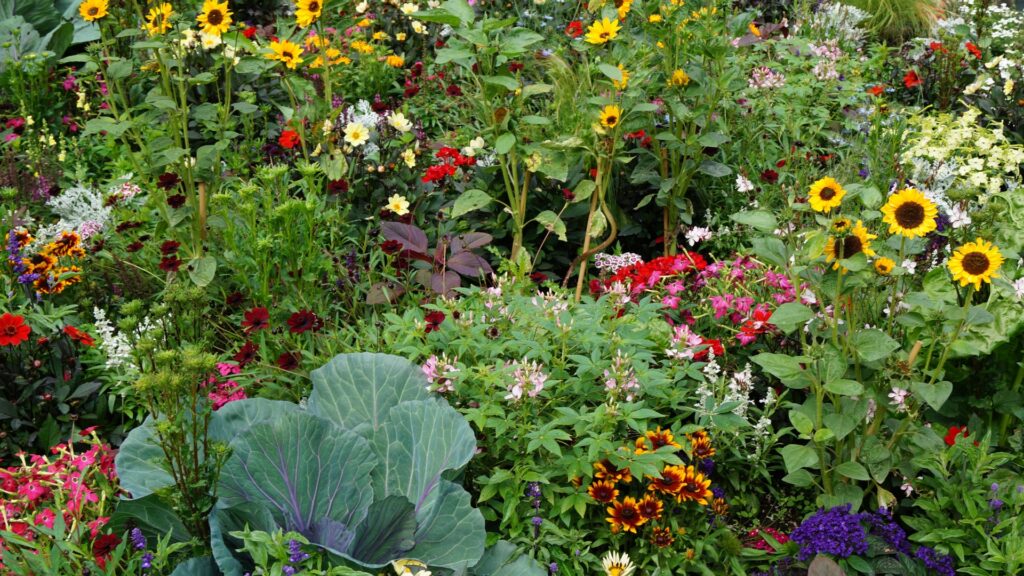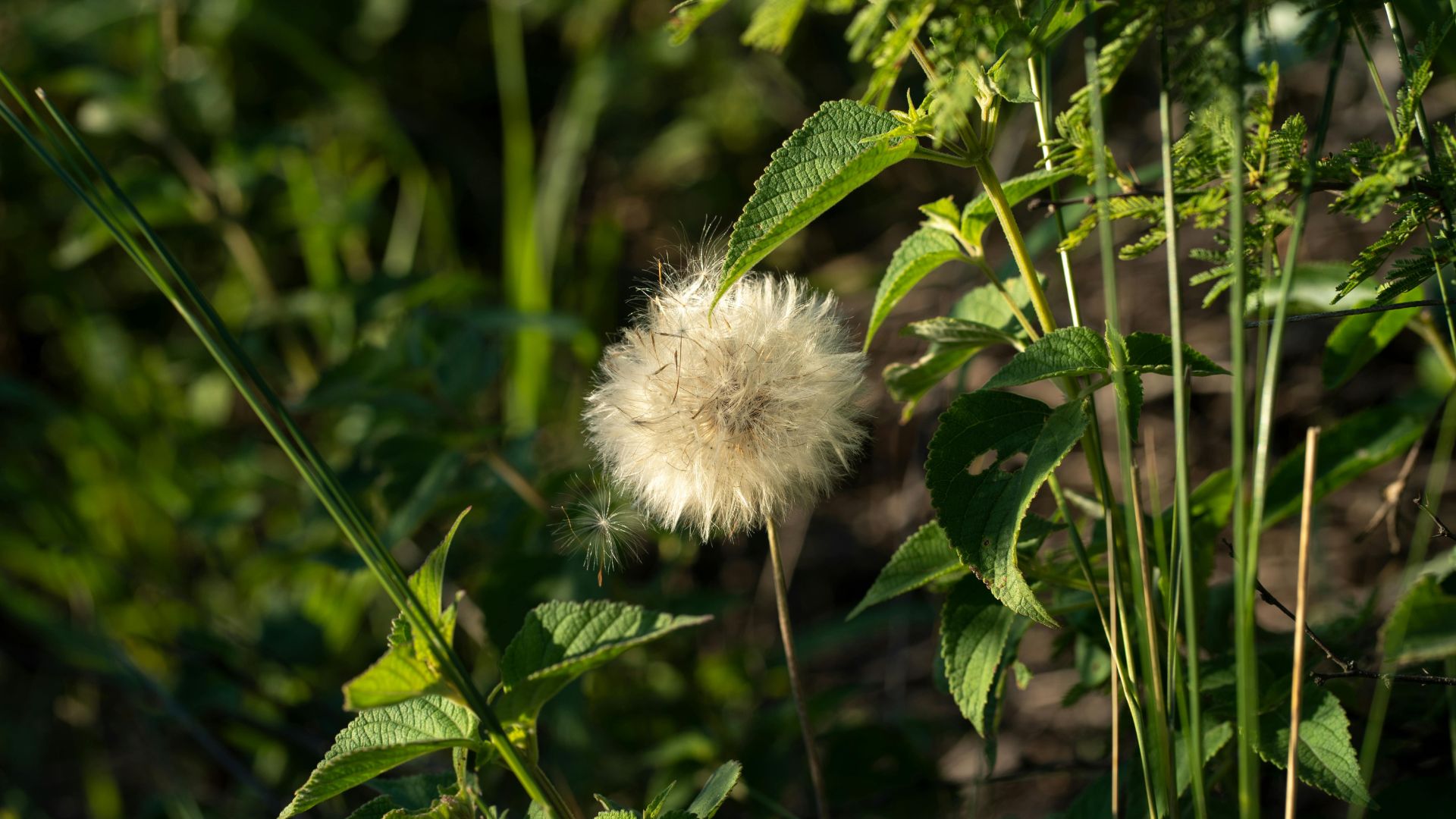
Natural gardens are not only visually appealing; they also play a crucial role in enhancing ecosystem benefits. By embracing the principles of a natural garden, you create a harmonious environment that fosters biodiversity and supports various forms of wildlife. Additionally, these gardens often require fewer resources and chemicals, which consequently leads to healthier soil and improved air quality. Moreover, they provide essential habitats for pollinators, birds, and beneficial insects, thereby contributing to the overall health of the ecosystem.
In this article, we will explore the numerous advantages of cultivating a natural garden. Specifically, we will delve into how these gardens promote ecological balance, enhance water management, and encourage sustainable practices. Furthermore, we will highlight simple steps to create your own natural garden, allowing you to enjoy its beauty while reaping the various ecosystem benefits it offers. Join us as we uncover the transformative power of natural gardens and their significant impact on our environment.
Understanding the Ecosystem Benefits of Natural Gardens
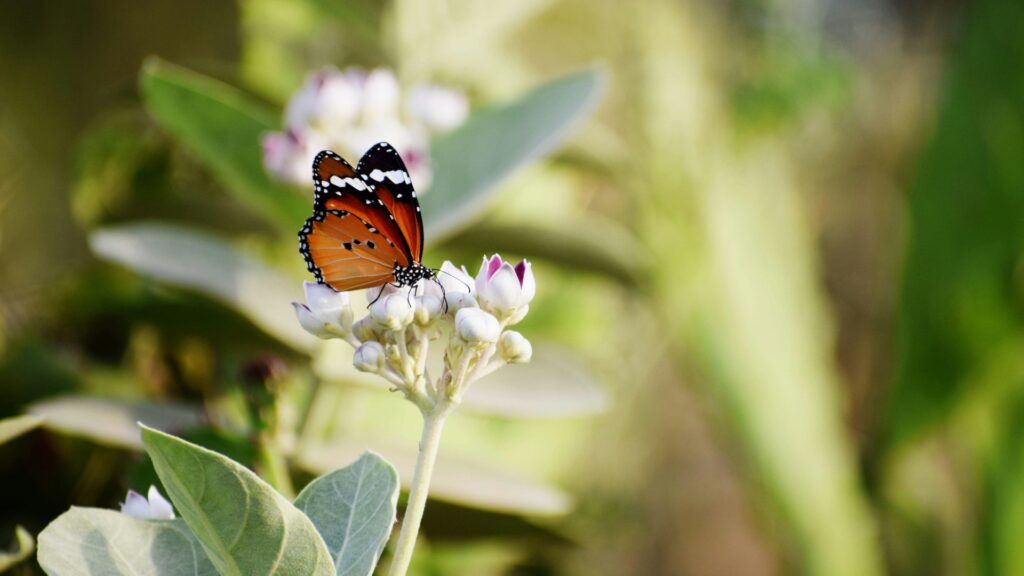
Natural gardens offer a wealth of ecosystem benefits, significantly contributing to biodiversity and supporting wildlife habitats. When you cultivate a natural garden, you are not just planting flowers and shrubs; you are creating a vibrant ecosystem that attracts various species. Biodiversity is essential for resilience in ecosystems, as it helps maintain balance and promotes overall health. For example, a garden rich in native plants can support local pollinators, such as bees and butterflies, which are crucial for plant reproduction. Consequently, this diversity fosters a thriving environment that can withstand challenges like disease and climate change. By encouraging a variety of species, natural gardens also help to create a more stable environment that can adapt to changing conditions.
Key Benefits of Biodiversity
First, biodiversity enhances ecosystem stability. With a variety of plant and animal species, natural gardens can better resist pests and diseases. For instance, a diverse array of plants can deter specific pests, reducing the need for harmful pesticides. Additionally, biodiversity contributes to the health of the soil. Various plant roots help aerate it and enhance nutrient cycling, which improves soil fertility. Therefore, a natural garden not only looks beautiful but also creates a sustainable environment that supports a multitude of life forms. Moreover, preserving native species in your garden can help maintain local flora and fauna, ensuring that they continue to thrive. This preservation is particularly important as many native species face threats from habitat loss and climate change, making your garden a sanctuary for them.
How Natural Gardens Support Ecosystems
Natural gardens act as essential habitats for wildlife, providing food and shelter for various creatures. For example, dense shrubbery offers nesting sites for birds, while flowering plants supply nectar for pollinators. Furthermore, these gardens can mitigate urban heat effects and improve air quality by absorbing carbon dioxide and releasing oxygen. To illustrate, a well-planned natural garden can also manage stormwater runoff effectively, reducing flooding and erosion. By incorporating features like rain gardens or permeable pathways, you can enhance the ecological function of your space. Additionally, the presence of diverse plant life can attract beneficial insects that help control pests naturally, further reducing the need for chemical interventions.
Indeed, investing in a natural garden can lead to numerous ecological advantages, not just for your property but for the surrounding community as well. As noted by Joe Gardener, naturalistic garden designs can significantly enhance the ecological value of your outdoor space. By embracing these principles, you can contribute to a healthier planet while enjoying the beauty of nature right in your backyard. Ultimately, the benefits of a natural garden extend beyond aesthetics; they play a vital role in fostering a thriving ecosystem that supports both wildlife and human well-being.
Comparing Traditional Gardening vs. Natural Gardening
When it comes to gardening, enthusiasts often debate the merits of traditional gardening versus natural gardening. Understanding the differences between these two approaches can help you choose the best method for your outdoor space. Traditional gardening typically relies on conventional practices, such as synthetic fertilizers and pesticides, to promote plant growth. In contrast, natural gardening emphasizes minimal intervention and organic techniques, focusing on cultivating a healthy ecosystem. This section will compare the benefits and drawbacks of both methods, enabling you to make an informed decision.
Comparing Traditional Gardening Methods
Traditional gardening methods often involve the use of chemical fertilizers, pesticides, and herbicides to enhance plant growth and protect against pests. This approach can yield quick results, making it appealing for those seeking immediate gratification. Additionally, traditional gardening can be more predictable, as these methods provide greater control over plant health. However, the reliance on chemicals may lead to soil degradation, water pollution, and negative impacts on local wildlife. Therefore, while traditional gardening can be effective, it is essential to consider the ecological costs associated with these practices.
Exploring Natural Gardening Approaches
Conversely, natural gardening promotes a holistic approach that nurtures the environment. By employing organic practices such as composting, crop rotation, and companion planting, natural gardeners work with nature rather than against it. This method encourages biodiversity, improves soil health, and reduces the need for chemical interventions. Moreover, natural gardening often results in a more resilient ecosystem that can withstand pests and diseases more effectively. Nevertheless, the trade-off may be that achieving results takes longer, requiring patience and dedication from the gardener.
To further illustrate the differences between traditional and natural gardening, the following table highlights their respective benefits and drawbacks:
| Aspect | Traditional Gardening | Natural Gardening |
|---|---|---|
| Chemical Use | High reliance on synthetic chemicals | Uses organic methods and materials |
| Ecosystem Impact | Potentially harmful to wildlife | Supports biodiversity and habitats |
| Soil Health | Can degrade soil quality | Enhances soil health through natural processes |
| Time to Results | Faster results | Slower, more sustainable growth |
| Control over Plants | Greater control over pests and growth | Works with natural pest control methods |
In summary, while traditional gardening may offer quicker results and more control over plant health, it often comes with significant drawbacks that can harm the environment. On the other hand, natural gardening supports a healthier ecosystem and promotes biodiversity, albeit with a longer time commitment for achieving results. Ultimately, the choice between these two practices depends on your gardening goals and your values regarding environmental sustainability.
For those looking to integrate natural methods into their gardening, consider exploring organic pest control solutions that align with the principles of natural gardening. These solutions can help you maintain a healthy garden while minimizing the impact on your local ecosystem.
Implementing Native Plants in Your Natural Garden
Implementing native plants in your natural garden is a vital step toward creating a thriving ecosystem. Not only do these plants require less maintenance, but they also significantly enhance the overall health of your garden. By selecting species native to your region, you support local wildlife and contribute to biodiversity. Native plants have adapted to the local climate and soil conditions, making them more resilient and less reliant on fertilizers and pesticides. Consequently, you can enjoy a beautiful garden while promoting environmental sustainability.
Choosing native plants may seem daunting; however, it doesn’t have to be. Start by researching which species are indigenous to your area. Many local extension services, such as the University of Maryland’s Why Include Native Plants in Your Garden?, offer valuable resources. Additionally, visiting native plant nurseries can provide you with firsthand knowledge about the best options for your garden. Specifically, look for plants that thrive in your specific soil type and climate conditions.
Selecting the Right Native Plants for Your Garden
When selecting native plants, consider the specific conditions of your garden, such as sunlight, moisture, and soil type. For instance, if your garden is mostly shaded, seek shade-tolerant native species like ferns or woodland wildflowers. Conversely, sunny areas can support a variety of grasses and flowering plants that attract pollinators. Moreover, consider the blooming seasons of these plants to ensure continuous color and habitat throughout the year. Consequently, you’ll create a dynamic space that encourages wildlife, thereby enhancing your garden’s biodiversity.
Enhancing Biodiversity with Native Plants
Incorporating native plants significantly boosts biodiversity. They provide food and habitat for local wildlife, including birds, butterflies, and beneficial insects. For example, native flowering plants often produce nectar and pollen, which are essential for pollinators like bees. By planting a diverse range of native species, you create a habitat that nurtures these vital creatures. Furthermore, native plants stabilize the soil, reduce erosion, and improve water management in your garden. Thus, they not only enhance the aesthetic appeal but also contribute to the long-term health of your ecosystem.
In summary, implementing native plants is a practical and impactful way to foster biodiversity in your natural garden. By carefully selecting the right species and understanding their benefits, you can create a vibrant ecosystem that supports local wildlife, enhances beauty, and contributes to a healthier environment.
Creating a Sustainable Natural Garden
Creating a sustainable natural garden is an enriching endeavor that not only beautifies your surroundings but also nurtures the environment. By integrating sustainable gardening practices, you can significantly enhance ecosystem benefits. These practices focus on minimizing resource use, enhancing soil health, and fostering biodiversity. They allow you to create a landscape that supports various forms of wildlife while requiring less maintenance and intervention.
As you embark on this journey, consider how each action can contribute to a healthier ecosystem. Sustainable gardening practices involve thoughtful planning and implementation, allowing you to enjoy a thriving garden that benefits both you and the planet. For instance, a well-designed garden can attract beneficial insects that help control pests, reducing the need for chemical interventions. In the following sections, we’ll delve into specific practices and their long-term advantages, illustrating how they contribute to a sustainable future.
Sustainable Gardening Practices
Sustainable gardening practices are fundamental to creating an ecological haven. For example, incorporating native plants not only enhances biodiversity but also requires less water and maintenance. Native plants are adapted to local climates and soil conditions, making them more resilient and less demanding. Additionally, using organic fertilizers and compost enriches the soil without harmful chemicals, promoting a healthier ecosystem. Mulching is another effective technique; it conserves moisture and suppresses weeds, thereby reducing the need for excessive watering and herbicides. Furthermore, establishing a rain garden can help manage stormwater runoff, contributing to healthier water systems. This practice not only reduces flooding but also filters pollutants, improving water quality in nearby streams and rivers.
To illustrate these practices and their ecosystem benefits, the table below highlights various sustainable gardening methods alongside their advantages.
| Gardening Practice | Ecosystem Benefits |
|---|---|
| Native Plant Selection | Supports local wildlife and pollinators |
| Organic Composting | Enhances soil health and fertility |
| Mulching | Conserves moisture and reduces weed growth |
| Rain Gardens | Improves water management and reduces runoff |
| Companion Planting | Deters pests naturally and boosts plant growth |
Long-Term Benefits of Sustainable Gardening
The long-term benefits of sustainable gardening extend beyond immediate aesthetic appeal. By embracing these practices, you promote a thriving ecosystem that can adapt to environmental changes. Healthy soil improves water retention, which is crucial during dry spells, thereby reducing irrigation needs. Moreover, sustainable gardening encourages pollinator populations, essential for food production. Over time, these practices contribute to a more resilient landscape that can withstand pests and diseases, ultimately resulting in less reliance on chemical treatments.
Additionally, sustainable gardens can sequester carbon, helping to combat climate change. The diverse plant life in these gardens improves air quality and provides habitats for various species, making your garden a small but impactful part of the larger ecological network. For example, a garden rich in diverse flora can support different bird species, which in turn can help control insect populations. Therefore, investing in sustainable gardening not only benefits your garden but also contributes positively to the planet’s health for generations to come.
Furthermore, these gardens can serve as educational tools, teaching community members about the importance of environmental stewardship. Workshops and community events centered around sustainable gardening practices can foster a sense of community and shared responsibility toward the environment. By engaging with others, you can inspire more individuals to adopt sustainable practices, amplifying the positive impact on local ecosystems. Thus, the journey toward creating a sustainable natural garden is not just a personal endeavor; it is a collective movement toward a healthier planet.
The Role of Soil Health in Natural Garden Ecosystems
Soil health is the foundation of any thriving natural garden ecosystem. Healthy soil supports robust plant growth and fosters biodiversity, which is crucial for maintaining ecological balance. When soil is rich in organic matter, microorganisms, and nutrients, it provides an ideal environment for plant roots to expand and absorb essential resources. Consequently, plants become more resilient to pests and diseases, leading to a healthier garden overall. For example, a garden with healthy soil can sustain a diverse range of plants, attracting beneficial insects and pollinators that contribute to the ecosystem’s vitality. This interconnectedness highlights the importance of nurturing soil health, as it directly influences the overall success of the garden.
Moreover, soil health plays a pivotal role in water management within a natural garden. Healthy soil improves water retention and infiltration, significantly reducing the need for frequent irrigation. This is particularly important in regions prone to drought, where water conservation is essential. When soil is well-aerated and rich in organic matter, it can hold onto moisture longer, ensuring that plants receive adequate hydration even during dry spells. Additionally, healthy soil contributes to nutrient cycling, allowing plants to access essential nutrients more efficiently. Therefore, investing in soil health is not just beneficial for plants; it promotes overall garden health and sustainability, creating a self-sustaining ecosystem that thrives over time.
Importance of Soil Health
Furthermore, the relationship between soil health and biodiversity cannot be overstated. Healthy soil fosters a diverse community of soil organisms, including bacteria, fungi, and earthworms, which play critical roles in nutrient breakdown and organic matter decomposition. These organisms contribute to soil structure, enhancing aeration and drainage, which are vital for root development. Consequently, a diverse soil ecosystem supports a variety of plant species, each contributing to the garden’s overall resilience. For instance, a garden that incorporates a mix of perennials, annuals, and native plants can attract a wider range of pollinators and beneficial insects, further enriching the ecosystem.
Improving Soil Health Naturally
To enhance soil quality naturally, consider implementing practices that build organic matter and support microbial life. For instance, adding compost or well-rotted manure can significantly improve soil structure and nutrient content, creating a fertile environment for plants. Cover crops, such as clover or rye, can also be planted to prevent erosion and enhance soil fertility by fixing nitrogen in the soil. Furthermore, practicing crop rotation helps maintain soil health by preventing nutrient depletion and disrupting pest cycles. Incorporating these practices into your gardening routine can lead to a flourishing natural garden. Additionally, adopting healthy garden habits can further optimize plant care and soil vitality. By prioritizing soil health, you’re not only benefiting your garden but also contributing positively to the broader ecosystem, ensuring a sustainable environment for future generations.
Key Takeaways on Natural Garden Ecosystem Benefits
To summarize, natural gardens are invaluable assets that yield numerous ecosystem benefits, providing both beauty and functionality. By fostering biodiversity, these gardens not only create vibrant habitats for wildlife but also enhance overall ecosystem health. Moreover, they require fewer resources and chemicals, contributing to cleaner air and healthier soil. For instance, the presence of diverse plant species can improve soil structure and fertility, which in turn supports a wider range of organisms. Clearly, embracing natural gardening principles leads to a more resilient and balanced environment.
Ultimately, the advantages of cultivating a natural garden extend beyond personal enjoyment; they play a crucial role in supporting local ecosystems and promoting sustainable practices. Therefore, we encourage you to take action by incorporating natural garden practices into your own space. Start small by planting native species or reducing chemical usage, and watch as your garden transforms into a thriving ecosystem. Additionally, consider implementing water-efficient practices, such as rainwater harvesting, which can further enhance your garden’s sustainability.
Lastly, as we move towards a more environmentally conscious future, the role of natural gardens will become increasingly significant. By choosing to cultivate these spaces, you are not only enhancing your immediate surroundings but also contributing positively to the planet. Embrace the journey of creating a natural garden and enjoy the myriad ecosystem benefits it brings, including improved air quality, enhanced pollinator populations, and a greater connection to nature.