In a world increasingly focused on health and sustainability, organic pest control has emerged as a crucial topic for homeowners and gardeners alike. By choosing organic methods, you not only protect your plants but also contribute to a healthier environment. Homemade sprays provide a practical and effective solution, enabling you to combat pests without resorting to harsh chemicals that can harm beneficial insects and pollinators.
This guide will explore various aspects of organic pest control, particularly the creation and application of homemade sprays. You will uncover different recipes, application tips, and insights into how these natural alternatives can effectively safeguard your garden. Furthermore, we will examine the advantages of using organic methods and how they can foster a thriving ecosystem in your backyard. Get ready to embrace a greener approach to gardening!
Understanding Organic Pest Control: The Basics
Understanding organic pest control is essential for anyone looking to maintain a healthy garden while minimizing environmental impact. Organic pest control refers to the use of natural methods and substances to manage pests, rather than relying on synthetic chemicals. This approach emphasizes the importance of balancing ecosystems, promoting biodiversity, and utilizing eco-friendly solutions that are safe for both humans and the environment. By understanding the fundamentals of organic pest control, gardeners can make informed choices that align with their values and health concerns. Additionally, this knowledge empowers individuals to create a sustainable gardening practice that not only protects their plants but also enhances the surrounding ecosystem.
Organic pest control encompasses a wide range of strategies designed to manage pests through natural means. For instance, beneficial insects such as ladybugs and lacewings can be introduced to control aphid populations effectively. Additionally, organic methods often include the use of plant-based insecticides, homemade sprays, and companion planting techniques that deter pests naturally. These techniques can include planting marigolds alongside vegetables to repel nematodes or using garlic sprays to ward off aphids. This holistic approach not only targets pests but also strengthens the overall health of plants, allowing them to thrive without chemical intervention. By embracing these methods, gardeners can create a sustainable environment that prioritizes ecological balance and fosters a diverse array of plant and animal life.
The benefits of adopting organic pest control methods are numerous and impactful. First and foremost, these techniques contribute to a healthier ecosystem by protecting beneficial insects and maintaining soil health. Furthermore, organic methods reduce the risk of chemical runoff, which can harm nearby water sources and wildlife. Moreover, using eco-friendly solutions enhances the safety of edible plants, ensuring that fruits and vegetables are free from harmful residues. According to the MIgardener Guide To 100% Organic Pesticides For Home Gardens, exploring organic pesticide methods can further empower gardeners to make effective choices. Additionally, understanding the differences between natural and chemical pest control can help in selecting the best strategies for pest management. Overall, organic pest control not only benefits individual gardens but also promotes a healthier planet, making it a vital consideration for environmentally conscious gardeners.
Comparing Homemade Organic Sprays: Effectiveness and Use Cases
When it comes to organic pest control, homemade sprays have gained popularity among gardeners for their effectiveness and eco-friendliness. These sprays not only provide a natural solution to pest problems but also contribute to a healthier gardening environment. Understanding the effectiveness and specific use cases for each type of homemade spray can significantly enhance your gardening efforts. For example, insecticidal soap and neem oil possess unique properties that make them particularly suitable for addressing different pest issues. To assist you in making informed decisions, we will compare the effectiveness of various homemade organic sprays in the table below, highlighting their best use cases and effectiveness against specific pests.
| Spray Type | Best Use Cases | Effectiveness Against Pests |
|---|---|---|
| Insecticidal Soap | Soft-bodied insects (aphids, mites) | High |
| Neem Oil | Wide range of pests (fungus gnats, whiteflies) | Moderate to High |
| Garlic Spray | General pest deterrent (aphids, beetles) | Moderate |
| Dish Soap Mix | Soft-bodied insects (aphids, thrips) | Moderate |
Insecticidal Soap vs Neem Oil
Insecticidal soap is particularly effective against soft-bodied insects like aphids and spider mites. Its mode of action involves suffocating the pests, making it a quick solution for infestations. This spray is easy to make at home, typically requiring just soap and water. Conversely, neem oil works on a broader spectrum of pests due to its systemic properties, which means it can affect insects even after application. It disrupts the life cycle of pests, providing longer-lasting protection. Therefore, if you’re dealing with a persistent pest issue, neem oil may be the better option, especially in cases where multiple pest types are present.
Other Popular Homemade Sprays
In addition to insecticidal soap and neem oil, other homemade sprays can enhance your pest control arsenal. For instance, garlic spray acts as a natural repellent, effectively deterring a variety of pests, including aphids and beetles. The strong scent of garlic is unappealing to many insects, making it a useful deterrent. Similarly, a simple dish soap mix can effectively target soft-bodied insects like aphids and thrips. These homemade sprays not only provide effective pest control but also promote a healthier garden ecosystem. Consequently, by incorporating these organic solutions, you can help ensure the well-being of your plants and the environment.
Expanding Your Organic Pest Control Toolkit
To further enhance your organic pest control efforts, consider experimenting with other natural ingredients. For example, essential oils such as peppermint and tea tree oil can be added to homemade sprays for added potency against pests. Additionally, incorporating beneficial insects like ladybugs can provide a natural balance in your garden. By diversifying your approach and utilizing various homemade sprays, you can create a comprehensive pest management strategy that is both effective and environmentally friendly. For more insights on organic methods, explore organic pest control solutions to keep your garden thriving.
How to Make Your Own Organic Pest Control Sprays
Making your own organic pest control sprays is an excellent way to manage garden pests while ensuring a safe environment. Not only is this approach cost-effective, but it also allows you to know precisely what ingredients are in your sprays. Here’s how to create organic pest control spray using simple ingredients that you may already have at home.
Basic Recipe for Insecticidal Soap
One of the simplest and most effective methods involves creating an insecticidal soap. To make this spray, gather a few basic ingredients: 1 tablespoon of liquid soap (preferably a mild dish soap), 1 quart of water, and a spray bottle. First, mix the soap thoroughly into the water until well combined. This solution effectively targets soft-bodied insects such as aphids, spider mites, and mealybugs. When applying, ensure you cover the affected areas, particularly the undersides of leaves where pests often hide. For optimal results, spray in the early morning or late afternoon to avoid direct sunlight, which can cause the soap to dry too quickly.
Creating Neem Oil Spray
Another effective organic option is neem oil spray, which serves as both a repellent and a fungicide. To create this spray, combine 1-2 tablespoons of neem oil with 1 quart of water and a few drops of liquid soap. The soap helps emulsify the oil, ensuring it mixes well with water. Shake the mixture thoroughly before use. Neem oil disrupts the life cycle of many pests, including caterpillars and whiteflies, making it a powerful ally for your garden. Apply it directly to affected plants, focusing on problematic areas. Notably, neem oil may also assist with diseases like powdery mildew, thereby providing a dual-purpose solution.
Learning how to make organic pest control sprays empowers you to maintain a healthy garden while being environmentally friendly. For more detailed recipes and tips, check out 5 Homemade Organic Pest Spray Recipes – Gardenary. By utilizing these natural solutions, you can effectively manage pests without compromising the safety of your plants or beneficial insects.
Application Techniques for Homemade Organic Sprays
To maximize the effectiveness of your homemade organic sprays, understanding the right application techniques is crucial. Properly applying these eco-friendly solutions can significantly enhance their pest-fighting power while ensuring the health of your garden. First, always test your spray on a small area of your plants to check for any adverse reactions. This step is particularly important if you’re using a new recipe or a different concentration of ingredients. Moreover, aim to apply your sprays during cooler parts of the day, either early morning or late afternoon. This timing helps prevent evaporation and ensures that the spray adheres to the plants longer, providing better coverage against pests. Additionally, consider the weather conditions; applying sprays before rain can wash them away, while windy days can lead to uneven distribution.
Best Practices for Spraying
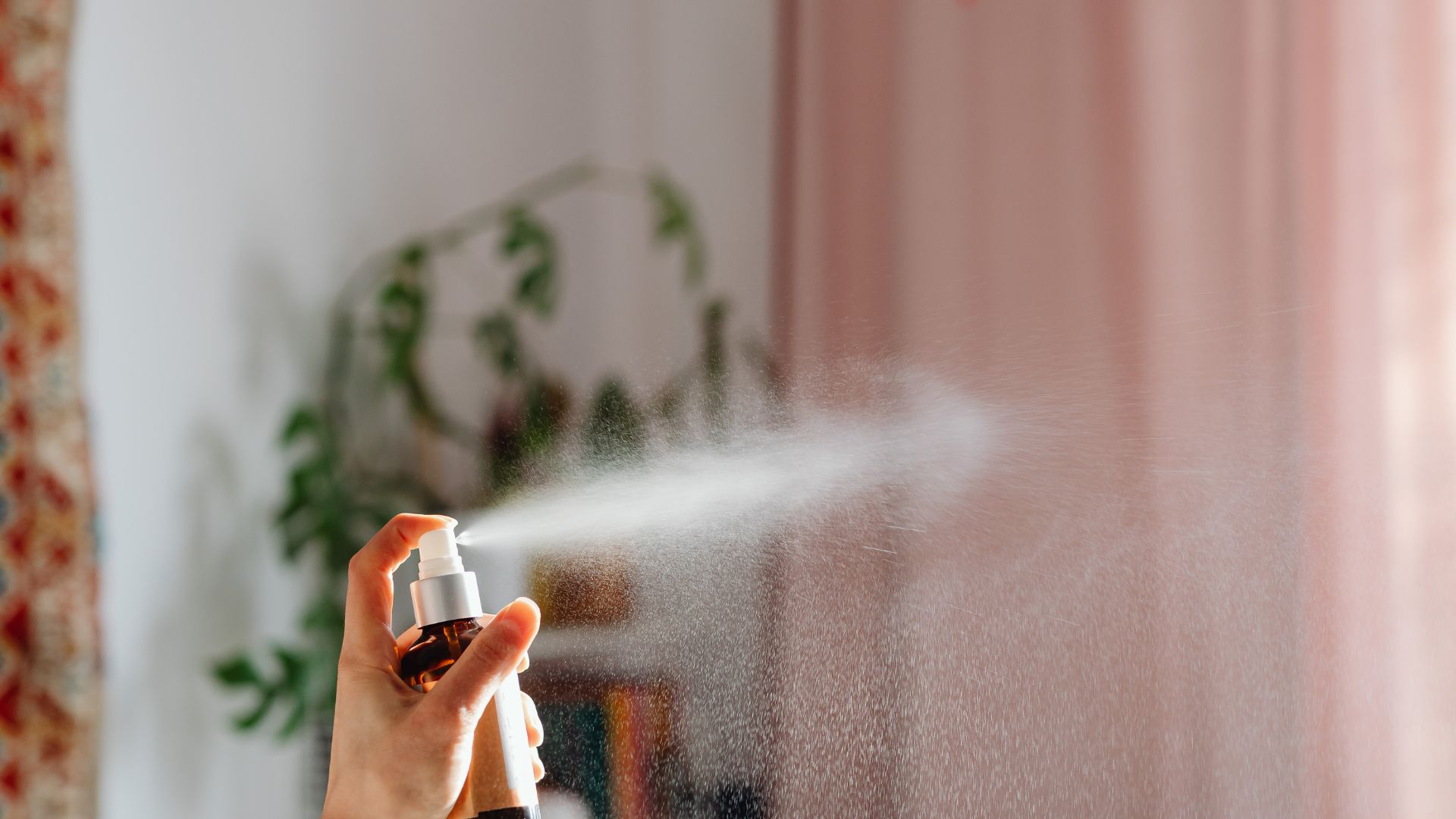
When it comes to spraying, following best practices can make all the difference. Use a fine mist spray bottle to ensure an even distribution of your homemade mixture, as this helps cover a larger surface area without over-saturating any one spot. Additionally, focus on the undersides of leaves, as this is where many pests tend to hide. To illustrate, if you’re targeting aphids, make sure to thoroughly coat the leaves and stems where they congregate. Furthermore, consider wearing protective gear, such as gloves and a mask, to avoid any potential irritation from the ingredients in your spray. Consequently, these practices not only protect you but also enhance the overall effectiveness of your organic pest control methods. Remember to clean your spray equipment regularly to avoid cross-contamination between different mixtures, which can compromise their effectiveness.
Timing and Frequency of Application
Timing and frequency play a critical role in the success of your organic sprays. For instance, applying your mixture every 7 to 10 days can help maintain a strong defense against invading pests. However, if you notice a pest outbreak, you may need to increase the frequency to every 3 to 5 days until the problem is under control. Additionally, it’s wise to apply your sprays after rain or heavy watering, as these conditions can wash away previous applications. Likewise, the growth stage of your plants can influence when to apply sprays; young seedlings may require lighter applications compared to more established plants. Therefore, adjusting your approach based on these factors ensures that your garden remains healthy and pest-free. Moreover, keep a close eye on your plants for any signs of stress or pest activity, as early detection can lead to more effective intervention. By being proactive and attentive, you can create a thriving garden environment that is resilient against pests.
Storing and Maintaining Your Homemade Sprays
Storing and maintaining your homemade sprays is crucial for ensuring their effectiveness and longevity. Proper storage not only preserves the potency of your ingredients but also protects them from contamination and degradation. After all, the goal is to promote plant health and keep your garden thriving. By following specific storage guidelines, you can maximize the lifespan of your homemade sprays, making them readily available for use whenever pests threaten your plants. Moreover, understanding how to maintain these sprays can save you time and resources, allowing you to focus on nurturing your garden.
Proper Storage Methods
To maintain the quality of your homemade sprays, consider these essential storage methods. First, always use clean, airtight containers, preferably dark glass bottles, as they protect contents from light exposure, which can degrade sensitive ingredients. Furthermore, labeling your sprays with the date of preparation helps you keep track of their shelf life, ensuring you use them while they are still potent. Ideally, store these containers in a cool, dark place, as heat can accelerate degradation and reduce effectiveness. Additionally, if your sprays contain delicate ingredients, such as essential oils, refrigeration may prolong their effectiveness, especially in warmer climates.
It’s also important to avoid storing your sprays in areas with fluctuating temperatures, such as near stoves or windows, as this can impact their stability. For example, if you create a garlic-based spray, storing it in a consistent, cool environment will help maintain its pungency, which is key to deterring pests.
Shelf Life of Homemade Sprays
The shelf life of your homemade sprays varies based on their ingredients and storage conditions. For a quick reference, the following table provides an overview of common storage methods and their corresponding shelf lives:
| Spray Type | Storage Method | Shelf Life |
|---|---|---|
| Oil-based sprays | Cool, dark place | 1-2 months |
| Vinegar-based sprays | Airtight container (room temperature) | 3-6 months |
| Soap-based sprays | Refrigerated | 1-2 weeks |
| Essential oil sprays | Dark glass bottle (cool, dark) | 6 months to 1 year |
As illustrated in the table, the type of spray you create directly influences its shelf life. Oil-based sprays tend to last longer than soap-based alternatives, which require more frequent use. Therefore, understanding these differences is essential for effective pest management. Consequently, by storing your homemade sprays properly and being mindful of their shelf lives, you ensure that your plants receive the best care, enhancing their health and resilience against pests. Additionally, regularly checking your sprays for any signs of separation or changes in smell can help you identify when they may no longer be effective, allowing you to refresh your stock as needed.
User Testimonials: Effectiveness of Organic Pest Control
User testimonials provide valuable insights into the effectiveness of organic pest control sprays, showcasing real-life experiences that highlight their numerous benefits. Many gardeners have reported significant success using natural remedies to manage pests without resorting to harsh chemicals. For example, Susan, a dedicated home gardener from Oregon, found that a homemade spray made from garlic and cayenne pepper effectively deterred aphids from her vegetable garden. She noted that her plants thrived, exhibiting vibrant growth and resilience, all without the harmful side effects associated with chemical pesticides. Similarly, James, an urban gardener, shared that using neem oil not only kept his plants free of pests but also improved their overall health, resulting in a more bountiful harvest. These stories illustrate the practical effectiveness of organic methods in pest management, encouraging others to consider similar approaches.
Success Stories from Gardeners
Numerous gardeners have embraced organic pest control with remarkable outcomes, transforming their gardening experiences. Maria, a passionate flower enthusiast, discovered that introducing beneficial insects such as ladybugs dramatically reduced her aphid problem. Additionally, she utilized a homemade soap spray to combat spider mites, which allowed her flowers to flourish without chemical interference. Likewise, Mark, who started an organic vegetable garden, shared how a simple mixture of water and dish soap effectively eliminated whiteflies. He emphasized that these natural remedies not only protected his crops but also made gardening a more enjoyable and sustainable endeavor. Furthermore, these testimonials highlight the versatility of organic pest control, as different gardeners adapt methods to suit their unique environments and challenges. These stories collectively demonstrate the transformative power of organic pest control in fostering a healthy garden ecosystem.
Common Challenges and Solutions
While organic pest control offers many benefits, challenges do arise that gardeners must navigate. For instance, some may struggle with the efficacy of homemade sprays if not applied correctly. To overcome this, ensure that you thoroughly mix and apply sprays evenly, especially on the undersides of leaves where pests often hide. Additionally, timing is crucial; spraying during early morning or late evening minimizes the risk of harming beneficial insects. Moreover, persistence is key; reapplying sprays regularly can enhance effectiveness and ensure ongoing protection. By addressing these common hurdles with practical tips, gardeners can successfully integrate organic pest management into their gardening routines, ensuring healthier plants and a thriving ecosystem. Ultimately, the journey toward effective organic pest control is one of learning and adaptation, leading to a more sustainable gardening practice.
Bringing It All Together
To summarize, embracing organic pest control through homemade sprays empowers you to take charge of your gardening efforts. By utilizing natural ingredients, you can effectively manage pests while safeguarding the environment. This guide has introduced you to various recipes and application tips that are not only easy to follow but also budget-friendly. Moreover, the benefits of organic methods extend beyond mere pest management; they foster a healthier ecosystem in your garden. Consequently, you’re not only nurturing your plants but also protecting beneficial insects and promoting biodiversity.
Therefore, it’s time to put these insights into action and try making your own homemade sprays. As you embark on this journey, consider documenting your experiences to track which formulations yield the best results for your unique garden needs. Ultimately, the transition to organic pest control is a rewarding journey that can yield impressive results. As you experiment with different recipes, you’ll likely discover the most effective combinations for your specific pest challenges.
Lastly, remember that every small step you take towards organic practices contributes to a more sustainable future. By sharing your successes and challenges with fellow gardeners, you can inspire others to adopt these eco-friendly methods. Happy gardening, and may your efforts lead to a flourishing, pest-free garden!