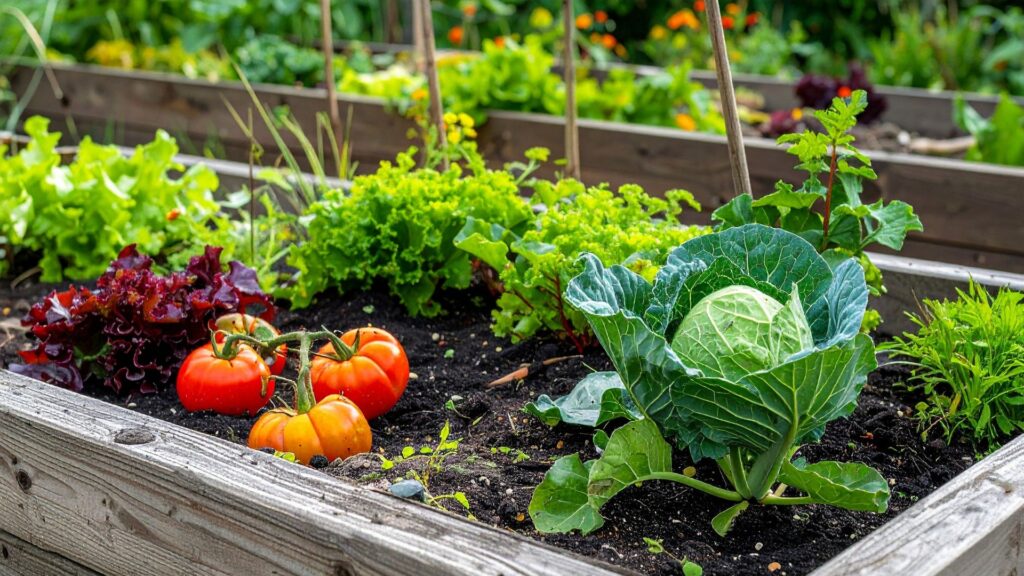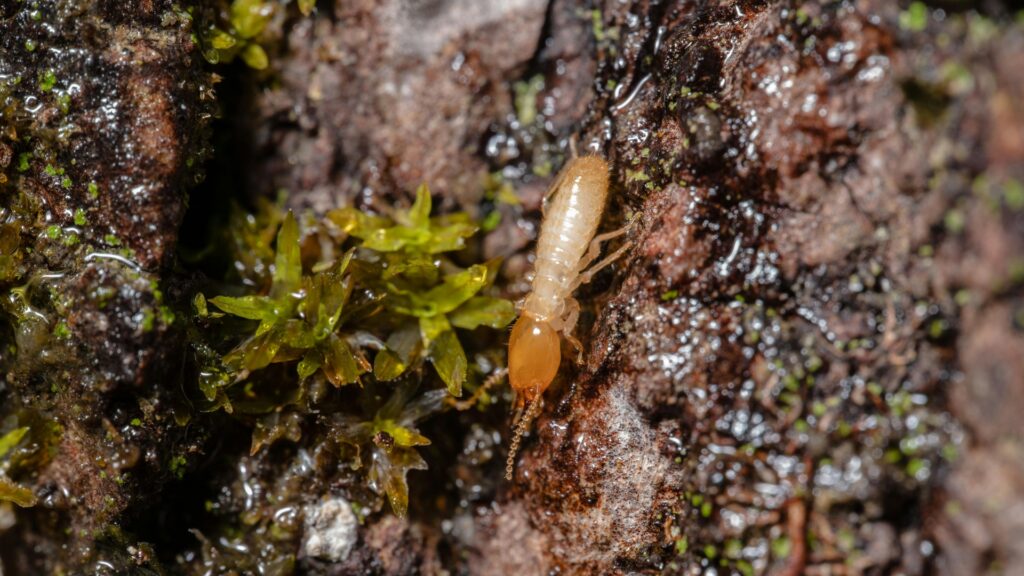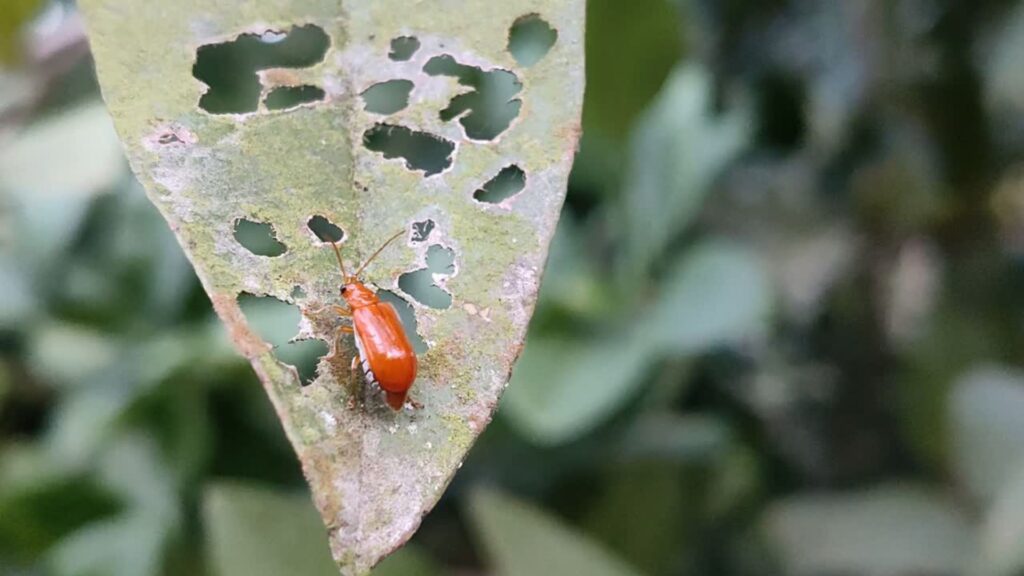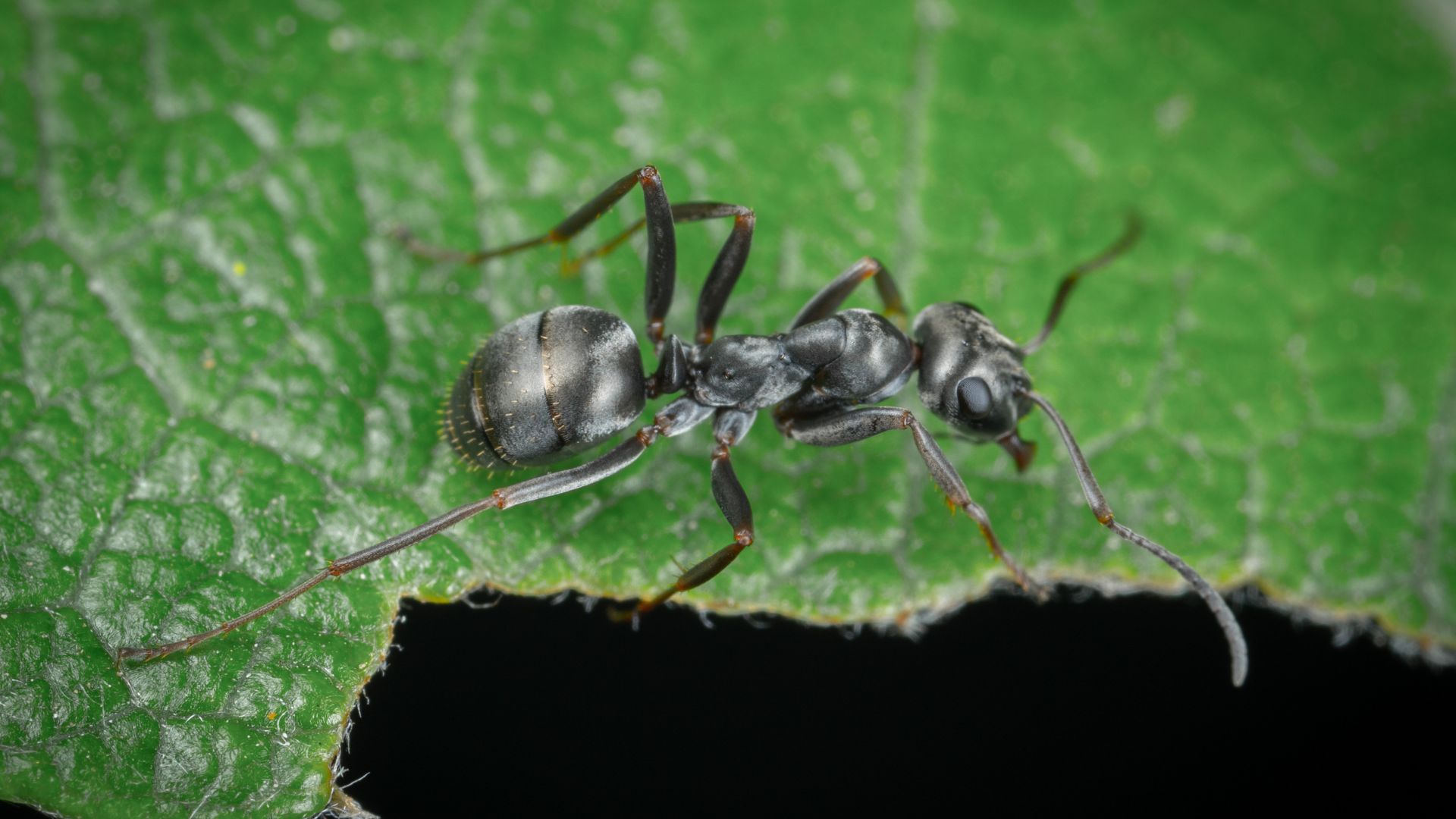
Pest damage can wreak havoc on your plants, transforming a flourishing garden into a struggling patch in no time. Therefore, identifying these pests early is crucial, as their presence can lead to significant health issues for your greenery. Whether you are a seasoned gardener or just starting, understanding the signs of pest damage is essential for maintaining vibrant and healthy plants.
In this article, we will explore the various types of pests that can affect your plants. Additionally, we will discuss how to identify the specific damage they cause and effective prevention strategies to protect your garden. Furthermore, we will provide practical tips to help you mitigate risks and ensure your plants thrive despite the threats posed by pests. By arming yourself with this knowledge, you can take proactive steps to safeguard your precious plants from unwanted invaders.
Understanding Pest Damage on Plants
Pest damage can manifest in various forms, significantly impacting your garden’s overall health. It typically arises when insects or other organisms feed on plant tissues, leading to visible changes that can jeopardize plant vitality. For example, chewing pests like caterpillars can create holes in leaves, while sap-sucking insects, such as aphids, can stunt growth and lead to wilting. Therefore, understanding what constitutes pest damage is the first step toward effective management. By recognizing the signs early, you can implement strategies to protect your plants and maintain a thriving garden.
Signs of Pest Damage
Identifying the signs of pest damage is vital for maintaining plant health. One common indicator is discolored or wilting leaves, which may suggest that pests are draining essential nutrients. Additionally, you might notice sticky residue on leaves, often a sign of aphid activity, or even webbing, which indicates spider mite infestations. To illustrate, the presence of small black dots on leaves can signal frass, or insect droppings, indicating that pests are nearby. Furthermore, distorted growth or curled leaves can also be a clear indication of pest activity. Consequently, regular inspections of your plants can help you catch these signs early, allowing for timely intervention and minimizing damage.
Impact on Plant Health
The impact of pest damage on plant health can be profound and multifaceted. First, when pests consume vital plant parts, they can inhibit photosynthesis, leading to reduced growth and vitality. Moreover, some pests can transmit diseases, further complicating the health of your plants. For instance, nematodes can cause root damage, impairing nutrient uptake and potentially leading to plant death. Additionally, weakened plants become more susceptible to environmental stressors such as drought or extreme temperatures. Thus, understanding the repercussions of pest damage is crucial, as it highlights the importance of early detection and active management practices to protect your garden’s integrity. By addressing pest issues promptly, you can ensure that your plants remain healthy and resilient against future threats.
Common Garden Pests and Their Damage
Pests can infiltrate your garden and cause a range of issues, from minor inconveniences to major destruction. Understanding common garden pests and their specific damages is essential for effective pest identification and management. By recognizing the types of pests that may threaten your plants, you can implement timely strategies to mitigate their impact. This proactive approach not only preserves the health of your garden but also enhances your overall gardening experience.
In the following table, we compare several common garden pests and the specific damage they cause. This overview will help you quickly identify potential threats to your plants and take appropriate action. Knowing the signs of pest damage can empower you to act swiftly, ensuring your garden remains vibrant and productive.
| Garden Pest | Type of Damage |
|---|---|
| Aphids | Stunt growth, yellowing leaves, sticky residue |
| Caterpillars | Chew holes in leaves, defoliate plants |
| Spider Mites | Webbing on leaves, stippled leaf surfaces |
| Whiteflies | Yellowing leaves, leaf drop, sticky honeydew |
| Slugs and Snails | Irregular holes in leaves, slimy trails |
Identifying Common Pests
Recognizing common garden pests plays a critical role in plant care. Aphids, for example, are tiny and often cluster on new growth, sucking sap and weakening the plant. Their presence can lead to stunted growth and a decline in overall plant vigor. Caterpillars, on the other hand, can be more conspicuous, as they munch away at leaves, leaving behind significant damage. Similarly, spider mites can be challenging to spot but leave characteristic webbing that can indicate a severe infestation. Regular inspections can help you identify these pests before they escalate into larger issues. Additionally, employing companion planting strategies can deter certain pests, providing a natural balance in your garden ecosystem.
Damage Characteristics
The damage caused by these pests can vary significantly. Aphids and whiteflies create a sticky residue on leaves, often leading to fungal infections if not addressed. This sticky substance, known as honeydew, can attract other pests, compounding the problem. Caterpillars not only defoliate plants but can also lead to increased vulnerability to diseases, as damaged foliage is less able to photosynthesize effectively. Slugs and snails leave behind a trail of slime while creating irregular holes in leaves, which can detract from the plant’s aesthetic appeal. Therefore, understanding these damage characteristics allows you to take action before your garden is overrun by common garden pests. Implementing integrated pest management strategies, such as introducing beneficial insects, can also help control pest populations while minimizing harm to your plants.
How to Identify Pest Damage on Plants
To effectively manage pests in your garden, knowing how to identify pest damage on plants is essential. This process involves examining your plants closely for various symptoms that indicate pest activity. By being observant, you can spot early signs of infestation, which is crucial for maintaining plant health. Additionally, understanding the specific types of damage caused by different pests can provide insights into the most effective control measures. In this section, we will outline step-by-step identification methods and recommend tools that can assist in your pest identification journey, ensuring your plants remain vibrant and healthy.
Step-by-Step Identification Methods
First, start with a thorough visual inspection of your plants. Look for discolored leaves, which can indicate stress caused by pests. For example, yellowing may suggest aphids, while browning edges can point to spider mites. Furthermore, check for physical signs like holes in the leaves or webbing, which are telltale signs of caterpillars and spider mites, respectively. Moreover, examining the undersides of leaves is crucial, as many pests, such as whiteflies, prefer to hide there. Additionally, inspect stems and flowers for any unusual spots or deformities, as these can also indicate pest presence. In addition to visual signs, consider the overall plant health; stunted growth or wilting can be a consequence of pest activity. Thus, a comprehensive approach to observation will help you accurately identify the damage and take timely action.
Tools for Pest Identification
Equipping yourself with the right tools for pest identification can enhance your gardening experience significantly. A magnifying glass is invaluable for examining small insects that may be difficult to see with the naked eye. Additionally, sticky traps can help catch flying pests, giving you a clearer idea of what’s affecting your plants. For further insights, consider investing in a field guide or a mobile app focused on pest identification. These resources can provide visual references, making it easier to recognize specific insects and the damage they cause. Furthermore, a notebook can be useful for tracking pest activity over time, allowing you to identify patterns and determine the best course of action. Consequently, having the right tools at your disposal not only aids in pest identification but also empowers you to take action quickly and effectively.
By utilizing these identification methods and tools, you will be better prepared to tackle pest issues in your garden. Ultimately, knowing how to identify pest damage on plants ensures that you can maintain a thriving, healthy garden environment. Regular assessments and the right resources will lead to informed decisions, allowing you to protect your plants from potential threats effectively. This proactive approach not only enhances your gardening skills but also fosters a deeper connection with the plants you nurture.
Preventing Pest Damage on Plants
Preventing pest damage is essential for maintaining a thriving garden. By implementing effective pest control strategies, you can protect your plants from unwanted invaders. A proactive approach not only keeps pests at bay but also promotes overall garden health. For instance, maintaining a balanced ecosystem with beneficial insects can help reduce pest populations naturally. Additionally, understanding and employing various prevention techniques will enable you to create a more resilient garden. This includes not only physical barriers and organic treatments but also cultural practices that enhance plant health and deter pests.
In the following table, we outline several strategies for preventing pest damage along with their effectiveness. This will give you a clearer picture of which methods to prioritize in your gardening efforts.
| Prevention Strategy | Effectiveness |
|---|---|
| Regular Monitoring | High |
| Companion Planting | Moderate to High |
| Organic Insecticides | Moderate |
| Physical Barriers (e.g., nets) | High |
| Crop Rotation | Moderate |
| Beneficial Insects (e.g., ladybugs) | High |
| Healthy Soil Practices | High |
Effective Pest Control Strategies
Implementing effective pest control strategies is crucial for preventing pest damage. Regular monitoring of your plants allows you to catch problems early, making it easier to manage infestations before they escalate. This can involve weekly inspections to check for signs of pests or damage. Additionally, companion planting can deter pests naturally by pairing plants that repel each other’s enemies. For example, marigolds are known to repel nematodes and other harmful insects when planted alongside vegetables. Furthermore, using organic insecticides can provide a safer alternative to chemical options, though their effectiveness may vary based on the pest type and the specific formulation used.
Maintaining Garden Health
Maintaining garden health is vital for preventing pest damage. Healthy plants are more resilient against pests and diseases. Adopting practices such as crop rotation can break pest life cycles, thus reducing their numbers. For instance, rotating crops each season can prevent pests that thrive on specific plants from establishing a stronghold. Consequently, promoting healthy soil practices, like composting and mulching, can enhance plant vigor, providing them with the nutrients they need to thrive. Likewise, introducing beneficial insects, such as ladybugs, can help keep pest populations in check. These natural predators feed on aphids and other harmful insects, further reducing the need for chemical interventions. By focusing on these aspects, you create a flourishing environment that minimizes the chances of pest infestations.
Additional Preventive Measures
In addition to the strategies mentioned, there are other preventive measures you can take to safeguard your plants. For example, using row covers can protect young plants from pests while allowing sunlight and moisture to penetrate. Similarly, maintaining proper plant spacing can improve air circulation, reducing humidity levels that favor pest development. Moreover, educating yourself about the specific pests that target your plants can enhance your ability to identify and combat them effectively. By integrating these methods into your gardening routine, you can significantly reduce the likelihood of pest damage and ensure a more productive garden.
Case Studies: Successful Pest Control in Gardens
Pest control in gardens is not merely about eradicating unwanted insects; it’s about fostering an environment where plants can thrive. Various gardeners have successfully implemented strategies to combat pests, ensuring that their gardens remain healthy and productive. By examining real-life examples, we can glean valuable insights and practical tips that will empower you to tackle pest issues effectively. These case studies highlight the importance of proactive measures and innovative solutions in maintaining garden health.
Gardener Testimonials
One gardener, Sarah, faced a severe aphid infestation that threatened her vegetable patch. Instead of resorting to chemical pesticides, she opted for natural remedies. By introducing ladybugs into her garden, she not only controlled the aphid population but also enhanced the overall ecosystem. “I never realized how beneficial these little creatures could be,” she shared. This approach not only preserved her plants but also promoted biodiversity. By utilizing beneficial insects, Sarah improved her garden health while keeping it chemical-free. This illustrates the importance of understanding natural pest control methods, which can be both effective and environmentally friendly.
Lessons Learned
Another gardener, Tom, learned the hard way about the importance of regular monitoring. He neglected his rose bushes one summer, allowing spider mites to proliferate unchecked. Consequently, the plants suffered severe damage, leading to stunted growth and unsightly leaves. After this experience, Tom adopted a routine check-up schedule. He emphasizes, “Now, I inspect my plants weekly and act at the first sign of trouble.” Regular monitoring can indeed prevent small infestations from becoming bigger issues, preserving garden health. Moreover, this vigilance allows gardeners to identify not only pests but also other potential threats, such as diseases or nutrient deficiencies.
Additionally, utilizing companion planting has proven effective for many gardeners. For example, planting marigolds alongside vegetables can deter nematodes and other pests. This tactic not only enhances the visual appeal of the garden but also contributes to a healthier environment. Furthermore, certain herbs, like basil, can repel flies and mosquitoes, making them excellent companions for tomatoes. Therefore, understanding the synergy between plants can be a critical component of successful pest control.
Innovative Strategies
Incorporating innovative strategies can further enhance pest management. For instance, some gardeners have turned to organic sprays made from neem oil or garlic, which can deter a wide range of pests without harming beneficial insects. These natural solutions are not only effective but also align with sustainable gardening practices. Additionally, setting up physical barriers, such as row covers or insect netting, can protect vulnerable plants from pests while allowing sunlight and rain to nourish them.
Ultimately, successful pest control in gardens requires a mix of vigilance, knowledge, and natural solutions. By learning from others’ experiences, you can develop a proactive approach to managing pests. Whether it’s through introducing beneficial insects, regular inspections, or innovative strategies like organic sprays, these methods will help maintain your garden’s health. The key lies in being prepared and taking action before pests become a problem, ensuring that your garden remains a flourishing sanctuary.
The Importance of Regular Plant Care
Regular plant care is essential for maintaining a thriving garden and preventing pest damage. When you dedicate time to your plants, you enhance their resilience, enabling them to withstand various threats. This proactive approach not only keeps your plants healthy but also contributes to the overall aesthetics of your garden. Moreover, healthy plants are less attractive to pests, creating a natural defense system. By establishing a routine for plant care, you ensure that your greenery remains vibrant and flourishing. Additionally, regular care can lead to improved soil health, which is crucial for nutrient absorption and overall plant vitality.
Routine Checks for Pest Damage
Conducting routine checks for pest damage is a fundamental aspect of plant care. For example, inspecting leaves and stems weekly can help you identify early signs of infestations, such as discoloration or unusual spots. Additionally, examining the soil for pests like grubs or root weevils is essential. By being vigilant, you can address issues before they escalate, thereby protecting your garden health. Consequently, regular inspections not only help you catch pests but also allow you to assess the overall well-being of your plants. Furthermore, documenting your findings can help you track patterns over time, making it easier to identify recurring issues and adjust your care strategies accordingly.
Benefits of Healthy Plants
Healthy plants offer numerous benefits beyond just aesthetic appeal. For instance, they are naturally more resistant to pests and diseases, thereby reducing the need for chemical treatments. Likewise, a robust plant can better utilize nutrients and water, which promotes growth and flowering. Moreover, healthy plants can improve your garden’s ecosystem by attracting beneficial insects, such as pollinators and predatory insects that keep pest populations in check. Therefore, investing time in plant care ultimately leads to a more resilient and vibrant garden, ensuring that your efforts yield beautiful and flourishing results. Additionally, a well-maintained garden can enhance your outdoor space, providing a serene environment for relaxation and enjoyment.
In summary, regular plant care is not just about keeping your plants alive; it is about fostering an ecosystem that thrives. By committing to consistent care, you not only protect your plants from pests but also cultivate a garden that is both beautiful and sustainable.
Your Action Plan for Healthy Plants
Ultimately, your action plan for healthy plants hinges on proactive pest management. Understanding how to identify pest damage is the first step toward safeguarding your garden. Regular inspections will allow you to spot early signs of trouble, whether it’s discolored leaves or sticky residue. Moreover, being aware of the specific pests affecting your plants empowers you to take effective control measures. For instance, recognizing that aphids thrive in warm weather can prompt you to check for them during those months.
To summarize, adopting a proactive approach to pest control not only protects your plants but also enhances their resilience. Implementing preventative strategies such as using natural repellents, introducing beneficial insects like ladybugs, and maintaining healthy soil will create an environment less conducive to pest infestations. Therefore, make it a habit to monitor your plants frequently and respond promptly to any signs of pest damage. Furthermore, consider rotating crops annually to disrupt pest life cycles and reduce their populations.
Finally, remember that a thriving garden is a reflection of your commitment to plant health. By taking these steps, you’re not just combating pests but also fostering a vibrant ecosystem. So, take action today—inspect your plants, educate yourself on pest control strategies, and enjoy the satisfaction of a flourishing garden for years to come. Indeed, your diligence will yield not only healthier plants but also a more sustainable gardening practice.
Watch the Video

Written by
Plant Care Researcher • Horticulture Writer
Maurice Buffer is a plant care researcher and horticulture writer at
Flinkool. He focuses on plant health, pest prevention, and practical
cultivation techniques that help gardeners grow healthier plants.