Understanding pest damage is crucial for homeowners and gardeners alike, as it can lead to significant harm if left unaddressed. This photo guide aims to equip you with the ability to identify various types of insect damage through clear visuals, making it easier to take immediate action and protect your space from further infestations. By recognizing the signs of pest damage early, you can prevent costly repairs and ensure a thriving environment for your plants.
In this article, you will discover detailed images and descriptions that highlight the most common forms of pest damage, such as leaf discoloration, holes, and wilting. Moreover, we will explore specific insects responsible for these issues, providing tips on prevention and control. Additionally, you will learn about the life cycles of these pests, which can help you anticipate their behavior. By the end of this guide, you’ll be well-prepared to recognize and respond to pest damage, ensuring the health and longevity of your plants and property.
Understanding Pest Damage: Types and Symptoms
Understanding the different types of pest damage and their symptoms is essential for maintaining healthy plants. Various insect types can wreak havoc, each leaving unique signs that can help you pinpoint the issue. Commonly, pests like aphids, spider mites, and caterpillars are culprits behind plant damage. For example, aphids often cause yellowing leaves and stunted growth, while caterpillars can leave holes in foliage. Additionally, some pests may cause wilting or browning of leaves, indicating a more severe infestation. Therefore, knowing these symptoms can drastically improve your response time and treatment effectiveness, ultimately safeguarding your plants from further harm.
Common Types of Pest Damage
Pest damage can manifest in several ways. First, you might notice discoloration of leaves, often a sign of sucking insects like aphids or scale. These pests feed on plant sap, leading to nutrient deficiencies that can stunt growth. Additionally, webbing or tiny specks on leaves could indicate spider mites, which can rapidly damage plants if not addressed. Another type of damage comparison involves foliage loss, typically caused by chewing insects such as caterpillars, which can decimate entire plants in a short time. Furthermore, the presence of excrement or sticky residue can signal a more significant infestation. Observing these types of damage early on can help you determine the best course of action to protect your plants. For instance, if you notice a sudden increase in ants around your plants, it may indicate a hidden aphid problem, as ants often farm aphids for their honeydew.
Identifying Symptoms of Insect Infestation
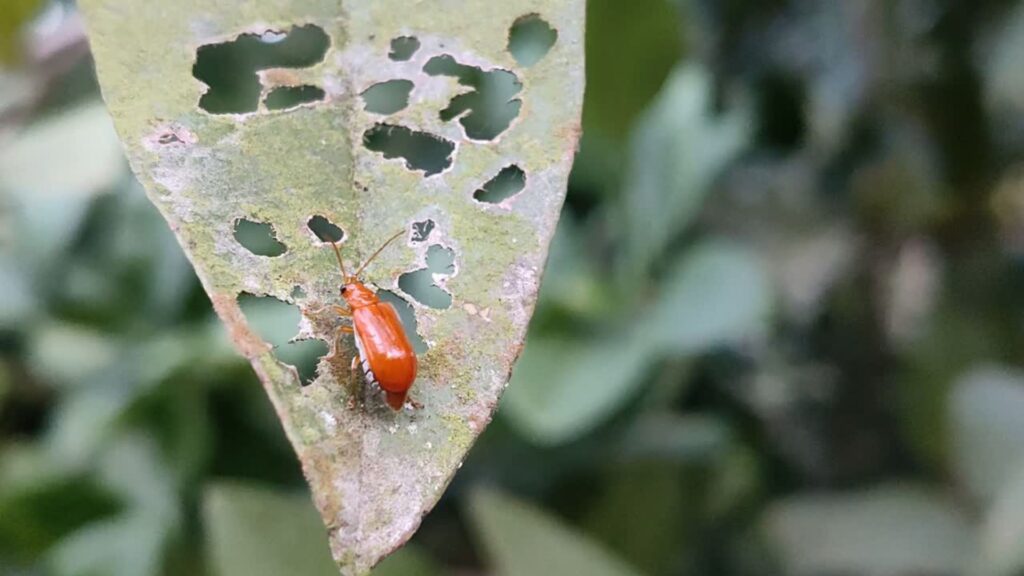
Recognizing symptoms of insect infestation is crucial for effective treatment. For instance, wilting plants may suggest root damage or excessive sap loss due to feeding insects. Additionally, you should look for signs like holes in leaves or stems, which can indicate caterpillar or beetle activity. Moreover, yellowing leaves and drooping stems can be symptoms of aphid infestations. To illustrate, if you see a sticky substance on your plants, it’s likely honeydew from aphids or whiteflies, a clear indicator of insect presence. Furthermore, the appearance of black sooty mold on leaves can be a secondary effect of honeydew accumulation, signaling a need for immediate intervention. For further information, refer to this essential guide for recognizing pest damage. Consequently, keeping a close eye on your plants will empower you to act quickly and effectively against pests, ensuring a healthy garden.
In summary, understanding pest damage and its symptoms is the first step in effective pest management. By familiarizing yourself with common insect types and their associated damage, you can take proactive measures to protect your plants. For detailed recognition patterns of pest damage, refer to Damage Recognition. Taking these steps will enhance your gardening success and help maintain the vitality of your plants, ultimately contributing to a flourishing and resilient garden ecosystem.
Visual Comparison of Insect Damage on Plants
Identifying insect damage on plants can sometimes feel overwhelming due to the variety of pests and the symptoms they produce. A visual guide can significantly simplify this process, allowing you to recognize the specific signs of damage and take appropriate action. Understanding these visual cues will not only help in identifying the type of pest but also in determining the most effective control measures. By familiarizing yourself with the various symptoms associated with insect damage, you can act swiftly to mitigate the impact on your plants. This proactive approach is essential for maintaining a healthy garden or agricultural space. The table below provides a comprehensive comparison of the symptoms of pest damage from various insects, serving as a clear reference for effective insect damage identification.
Comparing Damage from Different Insects
The table below highlights common symptoms associated with various insects that may damage plants. Each pest displays unique characteristics, making it crucial to understand these differences. For instance, aphids often cause yellowing leaves, while caterpillars chew holes into foliage. Additionally, spider mites may create fine webbing, which can be a telltale sign of their presence. By familiarizing yourself with these symptoms, you can effectively diagnose and treat the problem before it escalates into a more significant issue, potentially saving your plants from irreversible damage.
| Insect Type | Symptoms of Damage | Plant Response |
|---|---|---|
| Aphids | Yellowing leaves, stunted growth | Wilting and leaf drop |
| Spider Mites | Fine webbing, speckled leaves | Leaf curling and browning |
| Caterpillars | Holes in leaves, defoliation | Loss of vitality |
| Whiteflies | Sticky residue, yellowing leaves | Premature leaf drop |
| Thrips | Silver streaks, distorted leaves | Weak plant growth |
This visual comparison can serve as a quick reference for identifying insect damage. Consequently, knowing these symptoms helps you react promptly, safeguarding your plants from further harm. Moreover, it’s essential to monitor your plants regularly and consult reliable sources, such as the pest damage prevention guide, for effective management strategies. Regular inspections can help catch infestations early, allowing for timely interventions that can prevent extensive damage.
Understanding the Impact on Plant Health
Insect damage can severely impact plant health and agricultural productivity. First, the direct damage caused by pests can weaken plants, making them more susceptible to diseases. Moreover, the stress from continuous pest infestations can hinder growth, leading to lower yields in crops. For example, aphids can transmit viruses, which may result in widespread plant loss. This is particularly concerning for farmers who rely on healthy crops for their livelihood.
Additionally, the presence of pests can lead to secondary issues such as fungal infections, further complicating the situation. For instance, the sticky residue left by whiteflies can attract sooty mold, which can block sunlight and reduce photosynthesis. Thus, early detection and intervention are vital for maintaining strong, healthy plants. For comprehensive visual references on pest damage, you can utilize the Pest and Disease Photo Database to deepen your understanding and improve your pest management strategies. This resource provides detailed images and descriptions that can enhance your ability to identify and manage pest issues effectively.
Recognizing the signs of insect damage through a visual guide is crucial in protecting your plants. By comparing symptoms and understanding their impact on plant health, you can take proactive measures for effective pest control and ensure the longevity of your garden or agricultural crops. Ultimately, being informed and vigilant can make a significant difference in the health of your plants and the success of your gardening or farming endeavors.
Effective Pest Management Strategies
Effective pest management strategies are essential for protecting your plants and property from the adverse effects of insect infestations. By understanding various approaches, you can implement an effective pest control system that minimizes damage while promoting a healthy ecosystem. It’s not just about eliminating pests; it’s about creating a balanced environment where beneficial insects thrive. Consequently, a proactive approach can save you time and resources in the long run, allowing you to enjoy a flourishing garden without the constant threat of pest damage.
One of the most effective pest management strategies is Integrated Pest Management (IPM). This approach combines biological, cultural, physical, and chemical methods to manage pests sustainably. For instance, IPM encourages using natural predators, such as ladybugs for aphid control, while also incorporating habitat management to reduce pest populations. Moreover, monitoring pest levels and establishing action thresholds can help you determine when intervention is truly necessary, thereby minimizing unnecessary pesticide use. This method not only protects your plants but also supports the overall health of the ecosystem by preserving beneficial species.
Integrated Pest Management Techniques
Integrated Pest Management techniques focus on preventing pests before they become a problem. First, regularly monitoring your garden can help identify potential pest issues early on. For example, utilizing sticky traps can capture flying insects, allowing you to gauge population levels. Additionally, introducing beneficial insects can create a natural balance, reducing the need for chemical interventions. Furthermore, employing crop rotation practices can disrupt pest life cycles, making it harder for them to establish themselves in your garden. This proactive monitoring and intervention can significantly reduce the likelihood of severe infestations, ensuring your plants remain healthy and productive.
Preventive Measures for Gardeners
Preventive measures are vital for successful pest management strategies. To illustrate, maintaining healthy soil through composting can promote strong plant growth, making them less susceptible to pests. Similarly, ensuring proper plant spacing allows for better air circulation, reducing moisture levels that attract pests. Additionally, regularly inspecting your plants for signs of infestation can lead to quicker response times. Implementing barriers, such as row covers or insect netting, can also provide an effective line of defense against pests. If you want to learn more about effective insect control strategies, you can check out effective insect control strategies to further enhance your pest management plan.
In summary, practicing a combination of Integrated Pest Management techniques and preventive measures will provide a robust framework for controlling pests in your garden. By being proactive and informed, you can effectively safeguard your plants against pest damage while fostering a sustainable garden environment. This holistic approach not only protects your plants but also contributes to the overall health of your garden ecosystem, ensuring that it thrives for years to come.
Case Studies: User Experiences in Pest Identification
User experiences in pest identification often provide invaluable insights for homeowners and gardeners facing similar challenges. This section shares real-life examples and community-driven identification tips, offering practical advice to help you effectively tackle pest issues. By learning from others, you can navigate the complexities of pest management with greater confidence and success. Engaging with a community of fellow gardeners not only enhances your understanding but also fosters a sense of camaraderie as you collectively address common problems.
Real-Life Examples of Pest Damage
Many users have shared their firsthand experiences of pest damage, helping others recognize the signs early. For instance, one gardener reported discovering holes in their tomato leaves, which led them to investigate further. They found caterpillars hiding in the foliage, a common culprit for such damage. This experience underscores the importance of regular inspections, as early detection can prevent further harm. Additionally, another user noted that their indoor plants exhibited sticky leaves, a telltale sign of aphid infestation. By documenting these occurrences, they contributed to a growing pool of user-generated content that aids in pest identification. Therefore, sharing specific examples can empower others to recognize similar symptoms in their own gardens. Moreover, these shared stories often include details about the steps taken to resolve the issues, providing practical solutions that others can implement.
User-Generated Identification Tips
The community often rallies around sharing identification tips that can simplify the pest management process. For example, one popular tip suggests using a magnifying glass to inspect leaves for tiny insects and webbing. This method can uncover hidden pests that are otherwise difficult to see with the naked eye. Furthermore, many users recommend taking photos of damaged plants and comparing them to resources like the ECHO quick photo guide of insect pest damage. This guide offers visual examples that help confirm suspicions about specific pests. Additionally, posting images in gardening forums can lead to community feedback, helping you identify the problem accurately. Engaging with others not only enhances your knowledge but also builds a supportive network for addressing pest issues. Furthermore, many users emphasize the importance of documenting pest damage over time, as this can help in recognizing patterns and predicting future infestations.
By incorporating user experiences and identification tips from the community, you can enhance your ability to recognize and manage pest damage effectively. These shared insights provide a solid foundation for taking action and protecting your plants, ensuring that your gardening efforts yield fruitful results. Ultimately, leveraging the collective wisdom of fellow gardeners can transform your approach to pest management, making it a more informed and successful endeavor.
Conclusion: Key Takeaways for Pest Damage Identification
Identifying pest damage is a crucial skill for homeowners and gardeners. This photo guide has equipped you with the visual tools necessary to recognize various forms of insect damage effectively. First, it’s essential to remember that early detection can prevent more severe issues down the line. For instance, if you notice discoloration or holes in leaves, act quickly to assess the situation, as these are often signs of pest activity.
Moreover, familiarizing yourself with the specific symptoms associated with different pests will enhance your ability to respond appropriately. To illustrate, aphids can cause yellowing of foliage, while caterpillars typically create visible holes. Consequently, understanding these indicators empowers you to take preventive measures, such as introducing beneficial insects or using organic pesticides.
Furthermore, maintaining a proactive approach to pest management is vital. Regularly inspecting your plants and utilizing the photo guide will help you stay ahead of infestations. Therefore, commit to being vigilant and informed. By doing so, you’ll not only protect your plants but also contribute to a healthier ecosystem. Ultimately, equipping yourself with knowledge about pest damage is key to fostering a thriving garden or landscape.