Achieving a pest-free harvest is essential for any gardener or farmer aiming to protect their fruits and vegetables from harmful intruders. Pests can significantly diminish crop yields and compromise the quality of produce, leading to financial losses and frustration. Therefore, understanding effective methods to prevent these nuisances is crucial for ensuring a successful and bountiful harvest.
In this article, we will explore various strategies that can help you safeguard your crops. From natural deterrents, such as companion planting and beneficial insects, to innovative agricultural practices like integrated pest management, we’ll cover a range of solutions tailored to your specific needs. Additionally, you will discover tips on maintaining a healthy ecosystem in your garden, which not only protects fruits but also promotes overall plant health. By fostering biodiversity and implementing sustainable practices, you can create an environment that naturally deters pests. By the end, you’ll be equipped with the knowledge to cultivate a thriving garden free from pests, ensuring both productivity and quality in your harvest.
Understanding Pest-Free Harvest Techniques
Understanding pest-free harvest techniques involves recognizing the significance of pest management in agriculture. A pest-free harvest refers to the successful cultivation of crops without the interference of harmful insects, diseases, or weeds. This concept is critical, as pests can lead to reduced yields, lower quality produce, and increased production costs. Effective pest management strategies not only protect the crops but also ensure crop safety, allowing farmers to deliver healthy, high-quality fruits and vegetables to consumers. Moreover, a pest-free environment contributes to the sustainability of agricultural practices, ensuring that future generations can also benefit from bountiful harvests.
To achieve a pest-free harvest, it is essential to adopt a holistic approach that encompasses various techniques and practices. This includes understanding the life cycles of pests and their natural predators, which can inform more effective pest management strategies. For instance, knowing when specific pests are most active can help farmers time their interventions more effectively, thereby minimizing damage. Additionally, fostering a diverse ecosystem within the agricultural setting can create a natural balance, where beneficial insects thrive and pests are kept in check.
The Importance of Pest Management
Pest management is vital for sustainable agriculture. It employs a combination of practices aimed at preventing pest outbreaks and minimizing damage. For instance, integrating crop rotation and companion planting can disrupt pest life cycles and deter infestations. Moreover, utilizing biological control methods—like introducing beneficial insects—can effectively manage pest populations without resorting to chemical pesticides. Consequently, these strategies not only enhance crop resilience but also promote a healthier ecosystem. Furthermore, educating farmers about the importance of maintaining soil health can lead to stronger plants that are naturally more resistant to pests. Thus, adopting a robust pest management plan is essential for maintaining crop safety and achieving a pest-free environment.
Key Strategies for Success
To achieve a pest-free harvest, consider implementing a few key strategies. First, regularly monitoring crops can help identify pest problems early on, allowing for timely interventions. Additionally, using organic methods, such as neem oil or insecticidal soaps, can provide effective pest control while ensuring safety for both the environment and the produce. Furthermore, creating a diverse planting scheme can attract beneficial insects and provide natural pest deterrents. For more comprehensive strategies, check out these pest prevention strategies. For practical insights on reducing pests naturally, you can learn more from Green Harvest. Implementing these tips can ensure that your harvest remains free from pests, thereby enhancing both yield and quality. Additionally, collaborating with local agricultural extension services can provide valuable resources and support tailored to your specific region and crop types.
Comparing Organic vs. Synthetic Pest Control Methods
When it comes to pest control, choosing between organic methods and synthetic pest control can significantly impact your garden’s health and safety. Organic methods rely on natural substances and biological processes, while synthetic pest control often involves chemical pesticides designed to eliminate pests quickly. Understanding the differences between these approaches is crucial, as it can help you make informed decisions that align with your gardening philosophy and goals. Moreover, the choice between these methods can also influence the long-term sustainability of your gardening practices, affecting not only your immediate crop yield but also the health of the ecosystem.
Overview of Organic Methods
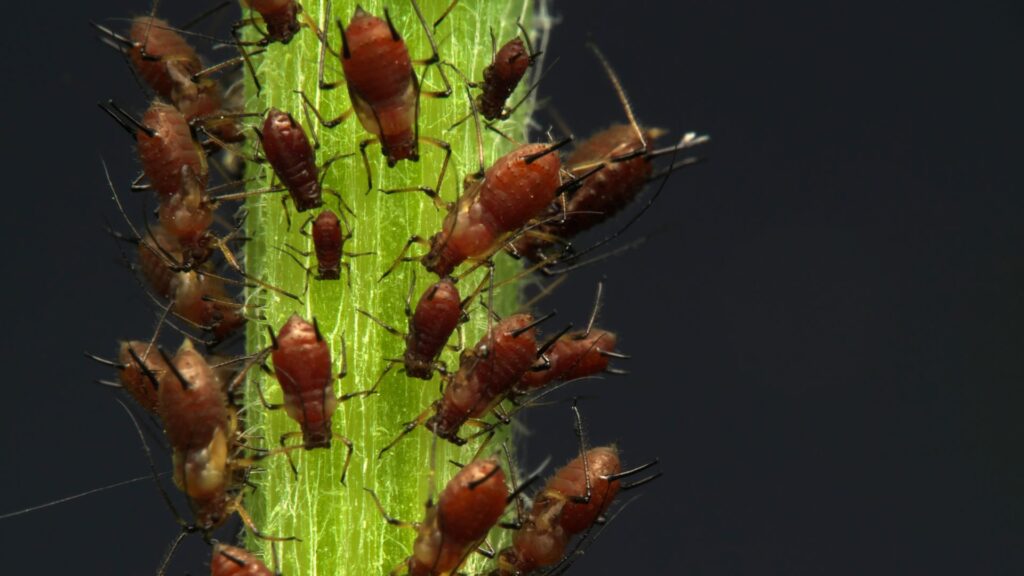
Organic pest control methods focus on maintaining ecological balance and promoting biodiversity. Techniques such as introducing beneficial insects, using plant-based insecticides, and employing physical barriers like row covers are common practices. These methods not only target pests but also support beneficial organisms in the ecosystem, creating a more resilient garden environment. For instance, ladybugs and lacewings are often introduced to control aphid populations naturally. Additionally, organic methods often minimize chemical residues on produce, making them a safer choice for consumers and the environment. For those interested in exploring various options, Farmbrite provides a comprehensive list of organic pest control methods, showcasing the diversity of approaches available to gardeners.
Pros and Cons of Synthetic Options
Synthetic pest control methods offer quick solutions to pest problems, often with immediate results. These chemical products can effectively target specific pests, leading to higher crop yields in the short term. However, concerns about environmental impact, resistance development, and potential harm to non-target species raise questions about their long-term sustainability. For example, over-reliance on synthetic pesticides can lead to the emergence of resistant pest populations, making future pest control more challenging. Furthermore, residues from synthetic pesticides can linger in the soil and on crops, potentially affecting human health. Hence, while synthetic options can provide rapid relief, they often come with trade-offs that may not align with sustainable agricultural practices. Consequently, gardeners must weigh the benefits of immediate pest control against the potential long-term consequences of their choices.
| Aspect | Organic Methods | Synthetic Pest Control |
|---|---|---|
| Environmental Impact | Minimal, promotes biodiversity | Higher, can harm non-target species |
| Residue Concerns | Low, safer for consumers | Higher, potential health risks |
| Effectiveness | Gradual, supports ecosystem balance | Rapid, immediate results |
In summary, both organic and synthetic pest control methods have their merits and drawbacks. Organic methods prioritize ecological health and safety, while synthetic options offer quicker solutions but may have broader environmental implications. Therefore, selecting the right approach depends on individual goals, the specific pest situation, and a commitment to sustainable practices. To delve deeper into pest management, consider resources like Learn more about effective pest control strategies. Ultimately, understanding the nuances of both methods will empower you to make choices that not only protect your crops but also contribute to a healthier planet.
Step-by-Step Guide to Protecting Specific Crops
To successfully protect your fruits and vegetables from pests, it’s essential to adopt a systematic approach tailored to the specific crops you are growing. This guide provides step-by-step methods for safeguarding your harvest. By following these techniques, you can implement effective pest control measures while ensuring the health and productivity of your plants. A proactive mindset is crucial; understanding the unique vulnerabilities of each crop will allow you to anticipate potential pest issues and address them before they escalate.
Protecting Fruits from Pests
First, choose resistant varieties. Certain fruit plants, such as apple or peach trees, have cultivars specifically bred to withstand pests and diseases. Therefore, doing your homework before planting can save you time and effort later. For example, selecting disease-resistant apple varieties like ‘Liberty’ or ‘Enterprise’ can significantly reduce the likelihood of pest infestations. Next, implement physical barriers like row covers or nets. These protective measures can prevent pests from accessing the fruits directly, particularly during the flowering and fruit-setting stages. Additionally, using bird netting can help protect your berries from birds, which can be just as damaging as insect pests.
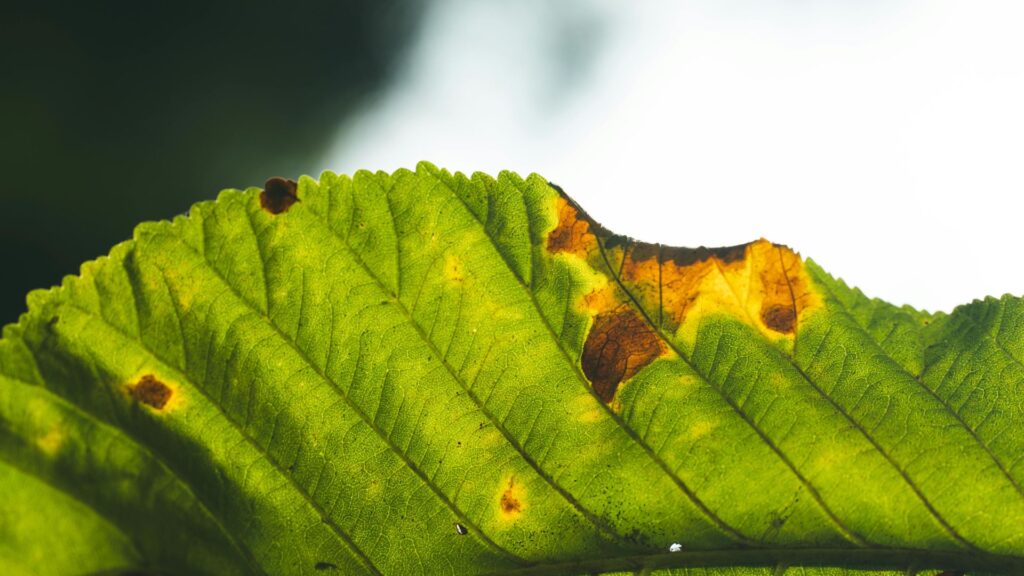
Moreover, regularly inspect your plants. Look for signs of pest activity, such as damaged leaves or visible insects. Early detection is crucial; if you spot any pests, address the problem immediately. For instance, handpicking larger pests like caterpillars can be effective. Furthermore, using organic insecticidal soaps can help eliminate soft-bodied insects, such as aphids and spider mites. Consequently, these steps will ensure your fruits remain healthy and productive. Additionally, consider introducing beneficial insects, such as ladybugs, which can help control aphid populations naturally.
Strategies for Healthy Vegetables
When it comes to vegetable pest control, proper garden planning is vital. Start by rotating your crops each season to disrupt pest life cycles. For example, if you planted tomatoes in one section last year, consider planting beans in that spot this year. This practice not only minimizes pest buildup but also improves soil health by replenishing nutrients. Furthermore, intercropping can be beneficial; planting different types of vegetables together can confuse pests and reduce their chances of establishing a stronghold.
Additionally, companion planting is an excellent strategy. Certain plants can repel pests or attract beneficial insects that prey on harmful ones. For instance, planting marigolds alongside your vegetables can deter nematodes, while basil can repel flies and mosquitoes. Additionally, consider using traps, such as yellow sticky traps, to capture flying pests like whiteflies and thrips. These traps are effective and non-toxic, making them a safe option for your vegetable garden. To illustrate, placing these traps strategically around your garden can significantly reduce pest populations.
Also, maintain proper garden hygiene. Regularly remove debris, fallen fruits, and weeds, which can harbor pests. This practice not only keeps your garden tidy but also reduces hiding spots for pests. Especially during the growing season, ensure your plants are properly watered and fed, as healthy plants are less susceptible to infestations. Moreover, consider mulching around your plants to retain moisture and suppress weed growth, which can also attract pests. By implementing these strategies, you will enhance your vegetable garden’s resilience against pests.
Ultimately, protecting your fruits and vegetables from pests involves thoughtful planning, regular monitoring, and the use of diverse pest management techniques. By adopting these step-by-step methods, you will not only safeguard your crops but also contribute to a thriving and sustainable gardening ecosystem. This proactive approach will lead to a bountiful harvest free from the adverse effects of pests, ensuring that your efforts in the garden yield delicious and healthy produce.
Success Stories: Case Studies of Pest-Free Harvests
Success stories abound in the world of agriculture, showcasing effective pest management strategies that have led to pest-free harvests. These real-life examples not only inspire but also provide valuable insights into techniques that can be replicated by other farmers and gardeners. By analyzing these cases, we can uncover practical methods that stand out in the battle against pests. Furthermore, these success stories illustrate the importance of innovation and adaptability in agricultural practices, highlighting how different environments and crop types can influence the effectiveness of pest control measures.
Case Study 1: Organic Orchard
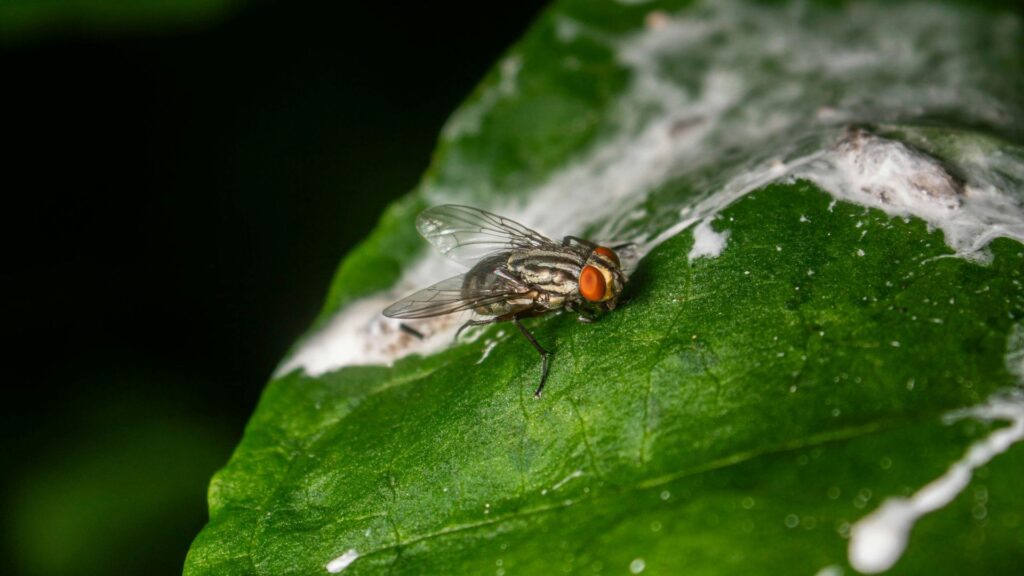
In an organic orchard in California, the owner successfully implemented an integrated pest management (IPM) strategy that relied on natural predators and organic sprays. This approach significantly reduced the population of common pests like aphids and fruit flies. For example, by introducing ladybugs to the orchard, the beneficial insects thrived and kept aphid numbers in check. Additionally, the use of neem oil as a natural pesticide provided a further layer of protection without harming the beneficial insects. As a result, the orchard enjoyed a bountiful harvest of high-quality apples, free from chemical residues. This case exemplifies how combining biological control with organic practices can yield impressive results, encouraging other growers to consider similar methods.
Case Study 2: Vegetable Farm Triumphs
A vegetable farm in Canada illustrates another effective pest management success story. The farm utilized crop rotation and intercropping techniques to disrupt pest life cycles. For instance, rotating between legumes and cruciferous vegetables not only improved soil health but also deterred pests specific to each crop type. Furthermore, the farm adopted the practice of planting aromatic herbs, such as basil and marigold, alongside their vegetables. These companion plants not only attracted pollinators but also repelled pests, resulting in vibrant, pest-free vegetables. Consequently, this farm achieved one of its best harvests to date, showcasing the effectiveness of these strategies. This success highlights the potential of integrating diverse planting techniques to enhance pest control and overall crop resilience.
These success stories demonstrate that with the right pest management strategies, achieving a pest-free harvest is not only possible but also sustainable. By learning from these examples, other farmers and gardeners can implement similar techniques to protect their crops and ensure a thriving, healthy yield. Moreover, these cases serve as a reminder that collaboration and knowledge-sharing within the agricultural community can lead to innovative solutions, ultimately benefiting both the environment and food production.
Harvest Protection Techniques for Sustainable Agriculture
Harvest protection techniques are essential for achieving sustainable agriculture, ensuring that crops remain safe from pests and diseases while minimizing environmental impact. Farmers and gardeners can implement a variety of practices that not only safeguard their harvests but also contribute to long-term agricultural health. For example, incorporating integrated pest management (IPM) strategies combines biological, cultural, and mechanical methods to control pests effectively. By focusing on prevention and employing a holistic approach, farmers can achieve a more sustainable balance between productivity and ecological preservation. Moreover, these techniques can lead to healthier ecosystems, which are vital for maintaining biodiversity and supporting the natural predators that help control pest populations.
Techniques for Long-Term Crop Safety
One effective technique for long-term crop safety is the use of crop rotation. This practice disrupts pest life cycles by alternating the types of crops grown in a specific area, making it harder for pests to establish themselves. For instance, rotating between legumes and leafy greens can significantly reduce the prevalence of certain pests that thrive on specific plants. Additionally, cover crops can enhance soil health and suppress weeds while providing habitat for beneficial insects. Similarly, utilizing physical barriers such as row covers or nets can protect plants from pests without the need for chemical interventions. These methods not only prevent pest damage but also contribute to healthier soil and a more sustainable agricultural system. Furthermore, employing companion planting—where certain plants are grown together to deter pests—can create a natural pest control system, enhancing the resilience of crops.
Benefits of Sustainable Practices
Embracing sustainable practices goes beyond just pest protection; it promotes overall ecosystem health. For instance, planting diverse crops can enhance biodiversity, which is crucial for attracting natural predators of pests. This diversity not only helps in controlling pest populations but also improves soil quality and reduces disease incidence. Furthermore, sustainable agriculture practices reduce reliance on harmful chemicals, leading to healthier produce and a safer environment. As noted by Growing Crops Free of Insect Pests – News – MORR Inc., balancing organic and conventional methods can optimize pest management strategies. Therefore, adopting these sustainable practices not only improves crop yields but also fosters a more resilient agricultural landscape, benefiting both farmers and consumers alike. Consequently, these practices can lead to increased profitability for farmers while ensuring that consumers receive high-quality, chemical-free produce. By prioritizing sustainability, we can create a future where agriculture thrives in harmony with nature.
Your Action Plan for a Pest-Free Harvest
Ultimately, achieving a pest-free harvest is within your reach by implementing the effective strategies discussed in this article. Key takeaways include the importance of integrated pest management, utilizing natural deterrents, and maintaining a balanced ecosystem. By focusing on these methods, you can significantly enhance crop safety and protect your fruits and vegetables from pests.
Moreover, it’s essential to stay proactive in your approach. Regular monitoring, crop rotation, and adopting companion planting can go a long way in preventing pest infestations. For instance, planting marigolds alongside vegetables can deter nematodes and other harmful insects. Therefore, consider these techniques as part of your regular gardening or farming routine to secure a bountiful harvest.
As you embark on this journey towards a pest-free harvest, we encourage you to put these strategies into action. Test different methods, observe their effectiveness, and adjust your practices accordingly. Additionally, engage with local gardening communities or online forums to share experiences and gain insights. Lastly, remember that cultivating a healthy garden not only benefits your crops but also contributes to a sustainable environment for future generations. By taking these steps, you will undoubtedly pave the way for a thriving, pest-free agricultural experience, ensuring that your efforts yield not just quantity but also quality in your harvest.