Understanding the differences between pests and diseases is crucial for effective plant treatment. Consequently, pest identification and disease identification are key components of successful gardening and agriculture. Gardeners often face challenges when determining whether their plants are suffering from infestations or diseases. Moreover, misidentifying the problem can lead to ineffective treatments and wasted resources. Therefore, mastering these identification skills can save time, money, and the health of your plants.
In this comprehensive guide, we will explore the vital distinctions between pests and diseases, providing you with the necessary tools to accurately identify issues affecting your plants. Furthermore, we will delve into common symptoms, signs, and techniques for diagnosis, ensuring you are well-equipped to tackle any problem that arises. Additionally, we will discuss various treatment options tailored to both pests and diseases, allowing you to implement the most effective strategies to restore your plants to their optimal health. By understanding these concepts, you can cultivate a thriving garden that stands resilient against potential threats, ultimately enhancing your gardening success.
Understanding Pest Identification
Effective pest identification is essential for maintaining healthy plants. Various types of pests, including insects, mites, and nematodes, can wreak havoc in gardens and agricultural settings. Understanding the characteristics of these pests helps gardeners differentiate between harmful organisms and beneficial ones. Early detection is crucial; many pests reproduce quickly, leading to widespread damage if not addressed promptly. Therefore, developing an eye for signs of pest presence can save both time and resources. Additionally, recognizing the life cycles of these pests can further enhance your ability to manage them effectively.
Common Signs of Pests
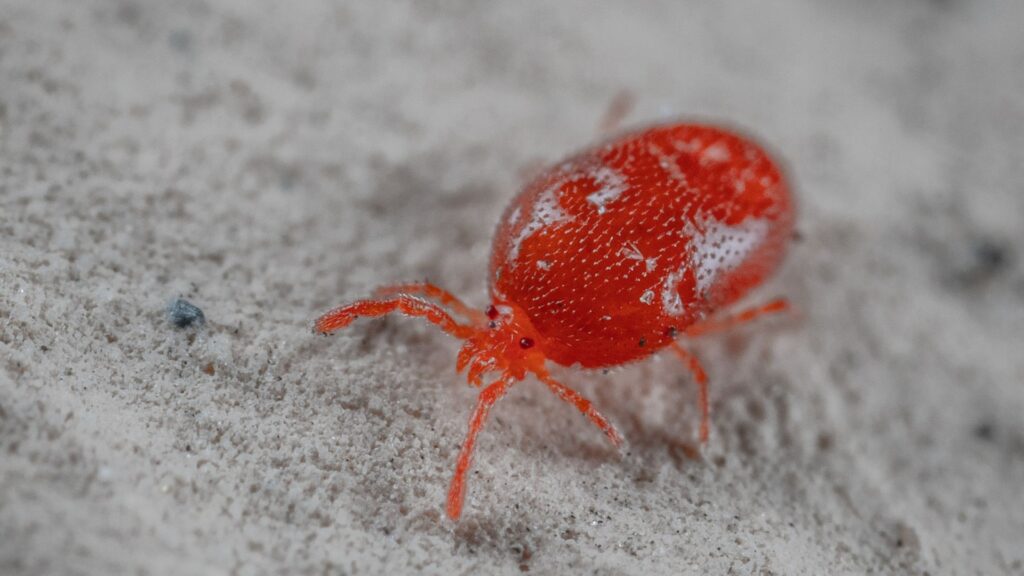
Recognizing common signs of plant pests is vital for timely intervention. For instance, yellowing leaves, wilting, or stunted growth may indicate a pest issue. Additionally, visible pests such as aphids or spider mites can often be spotted on the undersides of leaves or near the stems. Furthermore, webbing or sticky residue on leaves is another telltale sign of infestations. It’s essential to monitor your plants regularly, as early identification of these symptoms can prevent more extensive damage. Therefore, keeping a close watch on your plants allows for quicker responses to pest threats. Moreover, incorporating a routine inspection schedule can help you stay vigilant and proactive in your pest management efforts.
Identifying Bugs on Plants
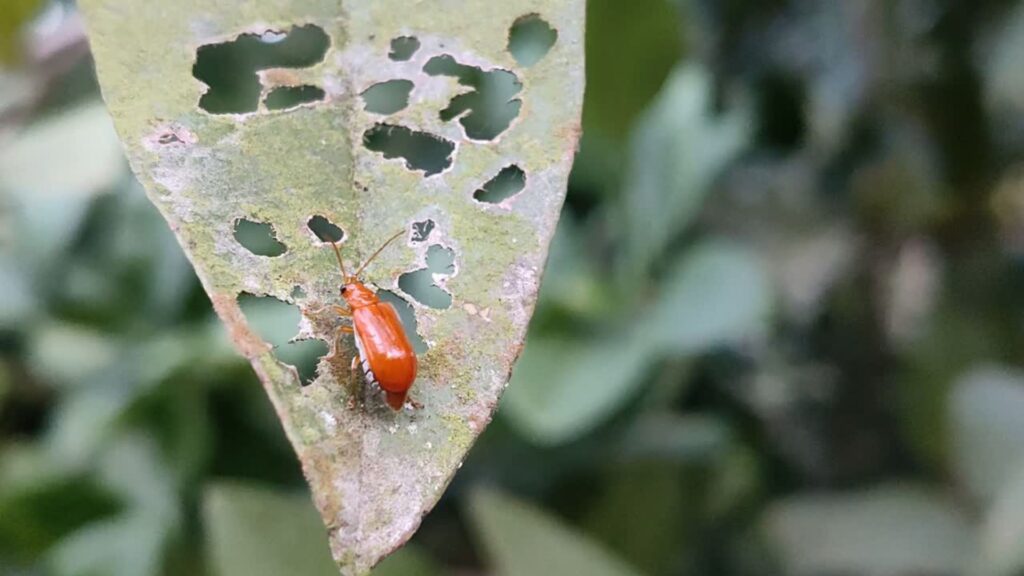
To illustrate effective pest identification, familiarize yourself with the most common insects that affect plants. For example, aphids are small, soft-bodied insects that cluster on new growth, while caterpillars may chew irregular holes in leaves. Additionally, thrips are slender insects that can cause silvery streaks on foliage. Inspecting your plants carefully and regularly can help you identify these bugs before they escalate into larger issues. Moreover, using a magnifying glass can aid in spotting smaller pests that might otherwise go unnoticed. Consequently, by honing your observation skills, you’ll be better equipped to manage pest populations effectively and protect your plants from potential harm. Furthermore, documenting your findings can help you track pest patterns over time, allowing for more informed decisions regarding treatment options.
Recognizing Disease Identification
Accurate disease identification is essential for maintaining plant health and ensuring effective treatment. Unlike pests, which are typically visible and can be directly removed, diseases often present subtle symptoms that require careful examination. This complexity makes understanding plant disease symptoms crucial for any gardener or farmer. For instance, fungal infections may manifest as discolored spots or blights on leaves, while bacterial diseases can cause wilting and water-soaked areas. By recognizing these symptoms early, you can take appropriate action to prevent further damage to your plants. Moreover, timely identification can significantly reduce the risk of disease spread to other plants, safeguarding your entire garden or crop.
Plant Disease Symptoms
Identifying plant disease symptoms involves observing changes in plant appearance and behavior. Common indicators of disease include leaf spots, wilting, and unusual growth patterns. For example, powdery mildew presents as a white, powdery substance on leaves, while root rot often shows as yellowing leaves and stunted growth. Additionally, viral infections can lead to mottled leaves or distorted growth, further complicating diagnosis. If you notice a sudden die-off in specific areas of your garden, it could indicate a disease outbreak. Therefore, maintaining vigilance and regularly inspecting plants can help you catch these symptoms early, thus allowing for timely intervention. Consequently, employing a systematic approach to monitoring your plants can enhance your ability to detect diseases before they escalate.
Identifying Blight vs. Pests
Differentiating between blight and pest damage is critical for effective treatment. Blight typically manifests as brown or black lesions on leaves, often spreading rapidly under favorable conditions. In contrast, pests tend to leave physical evidence, such as chewed leaves or visible insects. To illustrate, if you observe browning leaf edges accompanied by tiny holes, it may be a pest problem. However, if the browning is uniform without any noticeable holes, blight could be the culprit. Furthermore, understanding the environmental conditions that favor blight, such as high humidity and poor air circulation, can help you implement preventative measures. Consequently, understanding these distinctions empowers you to choose the right treatment strategy. By honing your disease identification skills, you can ensure your plants remain healthy and vibrant, ready to thrive in any environment.
Pest vs Disease: Key Differences
Understanding the distinctions between pests and diseases can significantly enhance your ability to provide effective treatment for your plants. Each presents unique challenges, requiring different approaches for identification and management. By familiarizing yourself with their characteristics, you can quickly determine the issue at hand, which is essential for successful pest identification and disease identification. Below, we provide a comparative overview of the key characteristics of pests and diseases, allowing you to make informed decisions about your plant care.
Characteristics of Pests
Pests are typically organisms that invade plants, feeding on their tissues and causing damage in the process. They include a variety of creatures such as insects, rodents, and nematodes. One defining characteristic of pests is their ability to reproduce rapidly, which can lead to significant infestations if not controlled. For instance, aphids can multiply exponentially in just a few weeks, overwhelming a plant. Furthermore, pests often leave behind physical signs, such as holes in leaves, webbing, or visible insects. Identifying these telltale signs allows for prompt action to mitigate damage. Moreover, understanding the life cycles of these pests can aid in effective management strategies, as targeting them at specific stages can reduce their populations significantly.
Characteristics of Diseases
Diseases, on the other hand, are caused by pathogens such as fungi, bacteria, or viruses that infect plants. Unlike pests, diseases often manifest through symptoms like discoloration, wilting, or unusual growth patterns. These symptoms may develop slowly, making early disease identification more challenging. For example, a fungal infection might start as small spots on leaves, which can be easily overlooked. Additionally, diseases can spread through soil, water, or even tools, posing a risk to multiple plants. Understanding these characteristics is essential for effective treatment, as the approach for managing diseases differs significantly from that of pests. For instance, while pesticides may be effective against pests, diseases often require fungicides or other specialized treatments.
| Key Characteristics | Pests | Diseases |
|---|---|---|
| Organism Type | Insects, mites, rodents | Fungi, bacteria, viruses |
| Damage Mechanism | Feeding on plant tissues | Disrupting plant functions |
| Reproduction Rate | Rapid | Varies, often slower |
| Symptoms | Visible pests, holes, webbing | Wilting, discoloration, lesions |
| Spread Mechanism | Movement, reproduction | Soil, water, infected tools |
By analyzing the table above, you can clearly see the fundamental differences between pests and diseases. Moreover, this comparison highlights the importance of correct identification for effective treatment strategies. Consequently, understanding these key characteristics will empower you to act quickly and efficiently, ensuring the health and vitality of your plants. Thus, investing time in learning about pests and diseases not only enhances your gardening skills but also fosters a more resilient and thriving garden ecosystem.
Effective Treatment Methods for Plant Diseases
When addressing plant diseases, implementing effective treatment methods is paramount to restoring plant health and preventing further damage. Disease management involves a combination of prevention, early detection, and appropriate intervention. Therefore, understanding the various treatment options available allows gardeners and farmers to choose the best course of action for their specific situation. This section will examine two primary categories of treatment methods: organic and chemical, highlighting their pros and cons. By exploring these methods in depth, gardeners can make informed decisions that align with their values and the needs of their plants.
Organic Pest Control Methods
Organic treatment methods focus on natural solutions that minimize harm to the environment and promote ecological balance. For example, using neem oil or diatomaceous earth can effectively combat fungal infections and insect infestations without the harsh chemicals found in conventional pesticides. Additionally, compost tea and beneficial microorganisms can enhance soil health, making plants more resilient to diseases. These organic solutions not only improve plant vigor but also contribute to a healthier ecosystem. However, these methods can be slower to act and may require repeated applications for effectiveness.
Moreover, while organic treatments are generally safer for beneficial insects and the overall ecosystem, they may not be sufficient for severe infestations or outbreaks. For instance, in cases of widespread fungal infections, organic methods may struggle to keep pace with the rapid spread of disease. Thus, gardeners must weigh the benefits of sustainability against the immediacy of results. Furthermore, integrating organic methods with cultural practices, such as crop rotation and proper watering techniques, can enhance their effectiveness and promote long-term plant health.
Chemical Treatment Options
On the other hand, chemical treatment options offer a more immediate solution to plant diseases. Systemic fungicides and insecticides can rapidly target pathogens and pests, providing quicker relief for afflicted plants. For instance, products containing chlorothalonil can effectively combat a range of fungal diseases, while pyrethroids can swiftly eliminate stubborn pests. However, these treatments come with their drawbacks. Chemical options can lead to the development of resistance in pests and pathogens, necessitating higher doses or alternative chemicals over time.
Additionally, they may pose risks to non-target organisms, including beneficial insects and the surrounding ecosystem. Therefore, while chemical treatments can be highly effective, they must be used judiciously and as part of an integrated pest management plan. This approach combines chemical treatments with monitoring, cultural practices, and biological control methods, ensuring a balanced strategy that minimizes environmental impact while effectively addressing plant health issues.
Ultimately, selecting effective treatment methods for plant diseases requires careful consideration of both organic and chemical options. Each method has its strengths and weaknesses, and the best approach often involves a combination of both. By understanding the unique characteristics of each treatment type, gardeners can make informed decisions that promote plant health and sustainability in their gardens. This holistic perspective not only addresses immediate plant needs but also fosters a more resilient gardening practice for the future.
Interactive Identification Tools and Resources
Interactive identification tools and resources can significantly enhance your ability to diagnose and address issues related to plant health. With the rise of digital platforms, gardeners now have access to numerous online tools and resources that simplify pest and disease identification. These resources serve as valuable aids in your plant care journey, offering guidance and support to ensure that you can effectively manage any problems your plants may face.
Consequently, utilizing these interactive tools not only improves your identification skills but also empowers you to make informed decisions regarding treatments. Moreover, many of these platforms foster a community of users who share their experiences, tips, and advice, making them even more beneficial. Engaging with these communities can provide insights that are often not found in traditional gardening literature. Below is a table that lists several useful online tools and resources for pest and disease identification.
| Tool/Resource Name | Description | Website Link |
|---|---|---|
| PlantVillage | AI-based image recognition for plant issues. | plantvillage.org |
| iNaturalist | Community-driven platform for identifying species. | inaturalist.org |
| PestNet | Online community for pest identification. | pestnet.org |
| Gardening Know How | Articles and guides on common pests and diseases. | gardeningknowhow.com |
| University Extension Sites | Research-based pest and disease identification. | [various state universities] |
Online Tools for Identification
The digital age has brought forth a plethora of online tools dedicated to pest and disease identification. For instance, PlantVillage uses advanced AI technology to help users identify plant issues from photos, making it a go-to resource for many. Additionally, iNaturalist allows users to contribute their findings, thus helping the community while perfecting their identification skills. These platforms not only save time but also enhance your understanding of the potential threats to your plants. Furthermore, many tools offer detailed descriptions and images of pests and diseases, allowing you to compare your plants against a comprehensive database.
Community Resources for Plant Care
Community forums and user-generated content are invaluable in the realm of plant care. Websites like PestNet provide a space where gardeners can share their experiences and get advice from others who have faced similar challenges. Moreover, university extension sites often offer research-backed information tailored to specific regions, ensuring that you receive the most accurate guidance for your local conditions. Consequently, engaging with these resources can foster a sense of belonging and support within the gardening community, aiding your pest and disease identification journey. Additionally, many forums host Q&A sections where you can ask specific questions and receive tailored advice, further enriching your learning experience.
In summary, leveraging these interactive tools and community resources not only enhances your plant care practices but also builds a network of support that can be invaluable in your gardening endeavors.
Case Studies in Pest and Disease Management
In exploring case studies related to pest and disease management, we can learn valuable lessons from both successful identifications and failures. These real-world examples highlight the importance of accurate pest identification and disease identification, as well as the need for timely interventions. By examining what worked and what didn’t, gardeners and agriculturalists can refine their approaches to managing plant health effectively. Moreover, these case studies serve as a reminder that continuous learning is essential in the ever-evolving field of agriculture.
Successful Identifications
One notable success story comes from a community garden that faced an unexpected invasion of aphids. The gardeners quickly identified the pest through careful observation, noting the telltale signs of sticky leaves and the presence of ants. Consequently, they implemented a natural solution by introducing ladybugs, which effectively reduced the aphid population. Furthermore, this case illustrates the importance of not only identifying the pest but also understanding its life cycle, allowing for targeted interventions that proved successful. For instance, knowing that aphids reproduce rapidly enabled the gardeners to act swiftly, preventing larger outbreaks that could threaten the entire garden. Such proactive measures can prevent larger outbreaks and protect plant health, ultimately fostering a more resilient ecosystem.
Lessons Learned from Failures
Conversely, there are instances where misidentifications led to unsuccessful management strategies. For example, a farmer mistook early blight symptoms for a pest issue, treating the plants with insecticides instead of fungicides. As a result, the disease progressed, causing significant crop loss. This situation highlights the critical need for accurate disease identification. Moreover, it emphasizes the importance of consulting local experts or resources to confirm suspicions before acting. Such mistakes can be costly; however, they also serve as valuable learning opportunities for improving future pest and disease management efforts. To illustrate, this farmer later sought guidance from agricultural extension services, which provided resources that helped him correctly identify and treat similar issues in the future.
In summary, these case studies provide practical insights into the dynamics of managing pests and diseases. By focusing on accurate identification and learning from both successes and failures, individuals can enhance their strategies for maintaining healthy plants. Consequently, these experiences underscore the importance of vigilance and adaptability in the face of plant health challenges, ultimately leading to more effective management practices.
Bringing It All Together: Your Action Plan for Plant Health
Bringing It All Together: Your Action Plan for Plant Health
Ultimately, effective pest and disease identification is the cornerstone of maintaining robust plant health. By honing your skills in recognizing the signs and symptoms of both issues, you can implement targeted treatment methods that ensure the longevity and vitality of your plants. Remember, early detection not only saves resources but also enhances the overall resilience of your garden. For instance, noticing yellowing leaves could indicate a pest issue or a nutrient deficiency, allowing you to address the problem promptly.
Moreover, proactive plant care is essential. Regular monitoring and assessment allow you to catch potential problems before they escalate into serious threats. Consequently, adopting a routine of observation, coupled with the knowledge gained from this guide, empowers you to make informed decisions about your plant care strategies. This could involve keeping a journal of your plants’ conditions or using apps designed for plant health monitoring.
Therefore, take action today—whether it’s by conducting a thorough inspection of your plants or researching the best treatment methods for specific pests and diseases. By doing so, you can cultivate an environment that supports healthy growth and minimizes risks. Additionally, consider joining gardening communities or forums where you can share experiences and learn from others.
In final thoughts, as you embark on this journey of plant health mastery, remember that knowledge is your greatest ally. Stay curious, stay vigilant, and watch your garden thrive in the face of challenges. Engaging with ongoing education, such as workshops or online courses, can further enhance your skills and confidence in managing plant health effectively.
Watch the Video

Maurice Buffer is a plant care researcher and horticulture writer at Flinkool. He focuses on plant health, pest prevention, and practical cultivation techniques that help gardeners grow healthier plants.